 Aperçu en situation
 Partager
 Partager
 Détails

 Télécharger l'image
 Articles similaires
 Radiographie
 Voir le diaporama
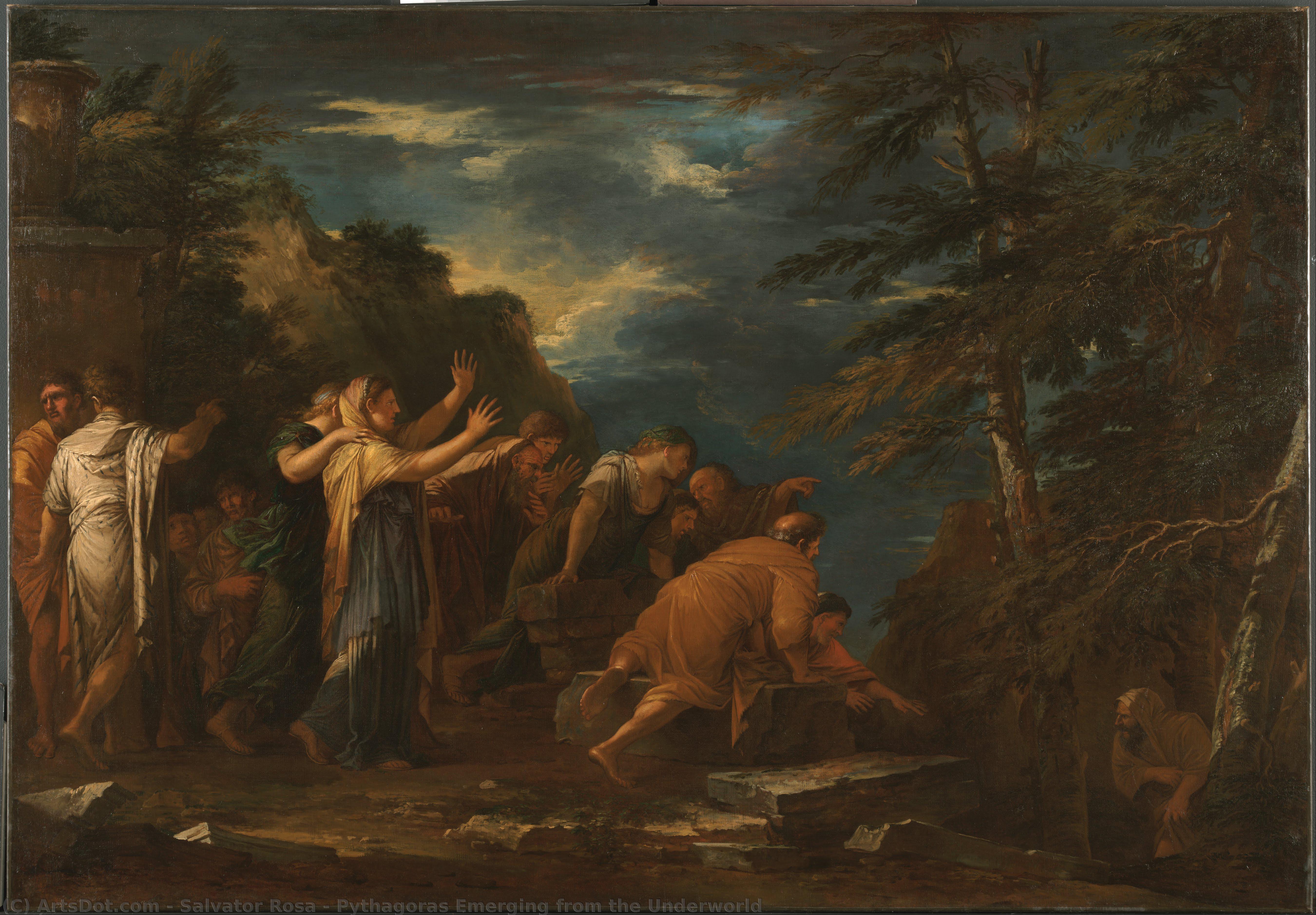
Pythagoras Émergeant de l'Enfer


 Afficher la suite
Giclées et impressions d'art
Impressions giclées ou sur toile de qualité musée, avec une production rapide et des finitions au choix. ( Acheter la peinture faite à la main Acheter l'image)




P118B $10

P118H $10

P118W $10

P438Z $10

P508JH $12

P508YH $12

P805H $10

P805Z $10

P919BZ $10

P919G $10

P919XJ $10

P959ZH $10

P968JZ $12

W106C $8

W218G $10

W218JH $8

W218Y $10

W307PJ $10

W316G $10

W316PJ $8

W316Y $10

W398PJ $8

W4111J $10

W500HY $15

W500JH $15

W692G $12

W849H $8

W940BG $15

W953PJ $8




Choisissez parmi nos formats prédéfinis qui respectent les proportions originales de l’œuvre.

Vous pouvez saisir vos propres dimensions pour vous adapter à un cadre ou à un espace spécifique. Si la taille sélectionnée ne correspond pas aux proportions de l'image originale, nous recadrerons l'œuvre ou étendrons l'image avec une bordure en miroir ou une couleur unie. Une maquette numérique vous sera envoyée pour approbation avant le début de la production.
Veuillez noter que l'aperçu à l'écran ne reflète pas le recadrage ou l'extension réelle. Seule la maquette montrera avec précision la composition finale.
Bien que des tailles personnalisées soient disponibles, nous vous recommandons de choisir une dimension dans la liste prédéfinie afin de préserver les proportions originales.
Livraison dans le monde entier () en 2 semaines au lieu des 4/5 semaines habituelles. (22 août)

Livraison express gratuite dans le monde entier

Toile de lin de haute qualité

Assurance transport complète

Garantie de remboursement des droits de douane

Garantie de fidélité des couleurs

Politique de retour de 60 jours (uniquement en cas de défaut)

Garantie de remboursement à 100%

Tarifs dégressifs sur quantité
 L'option verre n'est disponible que pour les dimensions inférieures à 110 cm.

Pythagoras Émergeant de l'Enfer
Giclées et impressions d'art
Format de la reproduction
-


Prix total final
$ 80
Description de la pièce
Pythagoras Emerging from the Underworld : Une Vision Baroque Mystique
Salvator Rosa’s “Pythagoras Emerging from the Underworld” transcends mere depiction; it embodies the spirit of the Baroque era, fusing philosophical contemplation with dramatic visual storytelling. Painted in 1662, this monumental canvas—now housed at the Kimbell Art Museum in Fort Worth—captures a pivotal moment from Greek mythology: Pythagoras’s arduous journey through Hades to reunite with his deceased pupils. Rosa's masterful command of chiaroscuro – the interplay of light and shadow – immediately draws the viewer into a scene steeped in solemn grandeur, mirroring the profound seriousness characteristic of Baroque art.- Style : Baroque
- Artist : Salvator Rosa (1615-1673)
- Medium : Oil on Canvas
- Composition : Pyramidal Structure
- Technique : Dramatic Chiaroscuro
- Symbolism : Descent into Hades; Divine Guidance
- Color Palette : Somber Hues (Blues, Browns, Reds)
Biographie de l'artiste
La Jeunesse et la Formation
Salvator Rosa, peintre baroque italien, poète et graveur, est né à Arenella, près de Naples, soit le 20 juin, soit le 21 juillet 1615. Sa mère, Giulia Greca Rosa, était issue d'une famille grecque sicilienne. Malgré les aspirations de son père à ce qu’il devienne avocat ou prêtre, Salvator manifesta très tôt une préférence pour les arts.L'Ascension Artistique
La carrière artistique de Salvator Rosa se caractérisa par un style non conventionnel et extravagant qui le distinguait de ses contemporains. Il fut actif à Naples, Rome et Florence, son œuvre étant influencée par le naturalisme de Ribera et le classicisme de Poussin. Cependant, il refusa d'être lié à un style ou un mouvement particulier.- Pythagore émergeant des enfers (Kimbell Art Museum, Fort Worth, États-Unis), l’une de ses œuvres les plus célèbres, illustre son mélange unique de thèmes philosophiques et artistiques.
- Le Baptême de l'eunuque (Chrysler Museum of Art, Norfolk, États-Unis) témoigne de sa capacité à insuffler un drame intense même dans des récits bibliques mineurs.
Influences et Héritage
L’œuvre de Salvator Rosa eut une influence significative sur le développement de l'art baroque. Son impact se retrouve dans les œuvres d'artistes ultérieurs, tels que Luca Giordano, qui continuaient à repousser les limites de l'expression artistique. Liens importants : Profil de Salvator Rosa sur OriginalUniqueArt Wikipédia: Salvatore RosaUn Artiste Rebelle et Innovant
Rosa était un artiste profondément rebelle, défiant les conventions artistiques de son époque. Ses paysages sombres et sauvages, souvent peuplés de figures marginales, étaient une rupture avec les vues classiques et idéalisées de Claude Lorrain. Il est considéré comme un précurseur du romantisme, anticipant l'accent mis sur la puissance brute de la nature et l'exploration des émotions intenses. Son œuvre a connu un regain d’intérêt à la fin du XXe siècle, bien qu’il ne soit pas classé parmi les plus grands peintres baroques par les historiens de l'art contemporains, il est reconnu comme un peintre de paysages innovant et un pionnier du mouvement romantique.Conclusion
La vie et l'œuvre de Salvator Rosa continuent de fasciner les amateurs d’art et les historiens. Son style non conventionnel et sa rébellion constante contre les normes de son temps ont consolidé sa place dans l'histoire de l'art baroque. En tant que peintre, poète et graveur, il demeure une figure énigmatique, et son œuvre continue d'inspirer de nouvelles générations d’artistes et d’amateurs d’art. Musées : Kimbell Art Museum, Chrysler Museum of Art
Salvator Rosa
1615 - 1673 , Italie
En bref
- Artistic Movement Or Style: Baroque
- Artists Or Movements Influenced By This Artist:
- Luca Giordano
- Romantisme
- Artists Who Influenced This Artist:
- Ribera
- Poussin
- Date Of Birth: 20 juin ou 21 juillet 1615
- Date Of Death: 15 mars 1673
- Full Name: Salvator Rosa
- Nationality: Italien
- Notable Artworks:
- Pythagore sortant des enfers
- Le baptême de l'eunuque
- Place Of Birth (City And Country): Arénèlle, Italie
Articles similaires

Salvator Rosa: A Baroque Rebel's Vision of Landscape, Allegory & the Human Condition
Explore the captivating world of Salvator Rosa, a rebellious Baroque master. Discover his dramatic landscapes, allegorical paintings & lasting influence on Romanticism. Hand-painted reproductions available at OriginalUniqueArt.
Gods and Heroes: A Definitive Guide to the Eternal Masterpieces of Greek Mythology
Explore the profound beauty of Greek mythology through art history. From Baroque masterpieces to Renaissance classics, discover how gods and heroes have inspired the world's greatest painters in this expert guide for collectors and history lovers.
Echoes of Olympus: Mythological Narratives in Western Art Through the Ages
Explore the captivating history of mythological narratives in Western art! From ancient Greece to modern masterpieces, discover iconic artworks & symbolism. Expert analysis and high-quality reproductions at OriginalUniqueArt.
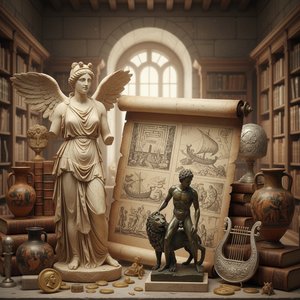
Timeless Legends: A Curated Guide to the Eternal Allure of Mythological Masterpieces
Embark on a sophisticated journey through the eternal allure of mythological art. Discover how master painters breathe life into ancient legends, from Greek deities to Baroque masterpieces, and learn to curate these timeless narratives within your own exquisite art collection.

Le Drame Baroque : L'Art qui Apporte la Splendeur dans Votre Intérieur
Plongez dans l'univers somptueux du baroque ! Découvrez son histoire, comment l'intégrer à votre intérieur et les œuvres incontournables. : reproductions d'art de qualité supérieure.