
 Aperçu en situation
 Partager
 Partager
 Détails

 Télécharger l'image
 Articles similaires
 Radiographie
 Voir le diaporama
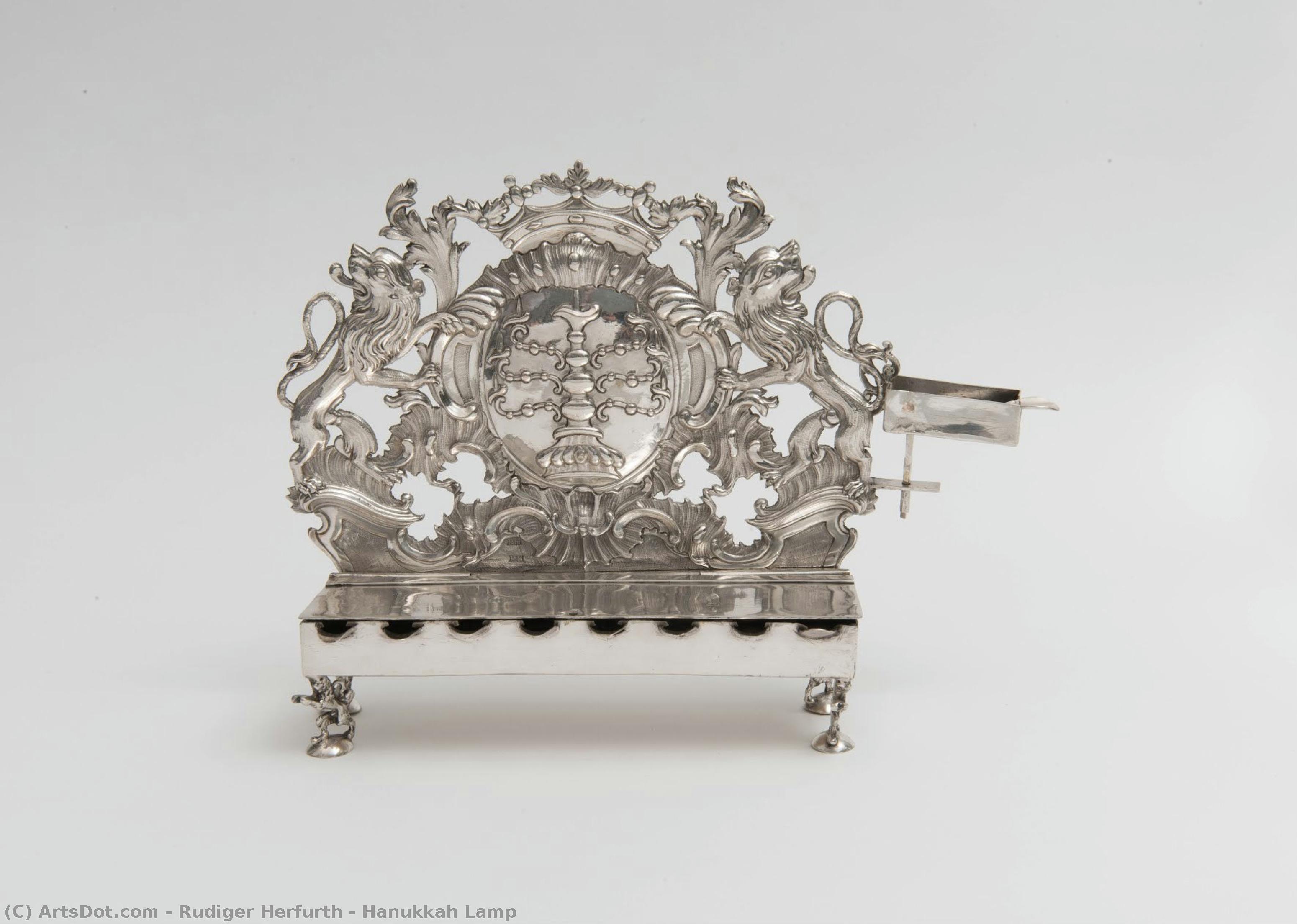
Hanukkah Lamp


 Afficher la suite
Acquérez une image numérique haute résolution et optimisée, d'une qualité bien supérieure à l'aperçu en ligne.
Chaque fichier est méticuleusement préparé par nos spécialistes internes à l'aide d'outils avancés et d'une retouche manuelle experte. Nous garantissons que chaque image possède une clarté exceptionnelle, une précision des couleurs irréprochable et un niveau de détail fin.
Le fichier final est livré par e-mail sous 72 heures, optimisé pour une utilisation immédiate dans des contextes professionnels, éditoriaux et d'impression. Il offre la même qualité de confiance que celle utilisée par les plus grands studios de création, éditeurs et galeries.
Image numérique
Téléchargez un fichier haute résolution pour votre usage personnel, l'impression et vos projets créatifs. ( Acheter l'impression Acheter la peinture faite à la main)
Inclus avec chaque commande d'image numérique
Livraison numérique experte, garantie.
En choisissant OriginalUniqueArt.com, vous n'obtenez pas seulement une simple image : vous recevez une œuvre numérique sublimée avec professionnalisme, conçue avec précision et accompagnée d'une garantie de satisfaction. Voici tout ce qui accompagne automatiquement votre commande :

Livraison rapide par e-mail
Votre fichier d'image numérique haute résolution vous sera envoyé par e-mail sous 72 heures après votre commande — prêt à un usage immédiat.

Fichier numérique optimisé par l'IA
Votre œuvre d'art bénéficie d'une optimisation professionnelle grâce à des outils d'IA avancés et une retouche manuelle, garantissant un niveau maximal de détail, de clarté et de fidélité chromatique.

Réexpédition gratuite à vie
Vous avez accidentellement supprimé ou perdu votre fichier ? Pas d'inquiétude — nous vous le renverrons gratuitement, quand vous le souhaitez.

Aucun frais de douane - À jamais
Profitez de votre œuvre d'art instantanément sans frais de douane ni de livraison — les téléchargements numériques sont toujours exonérés de taxes.

Garantie de fidélité des couleurs
Nous garantissons que votre image numérique reproduit les couleurs de l'original aussi fidèlement que possible grâce à des outils professionnels et une gestion rigoureuse des couleurs.

Satisfait ou remboursé sous 60 jours
Si vous n'êtes pas satisfait de votre image numérique, nous la retoucherons ou vous rembourserons 100% sous 60 jours — sans poser de questions.

Garantie de remboursement à 100%
Pas satisfait ? Obtenez un remboursement intégral dans les 60 jours suivant la réception de votre fichier numérique — sans aucune question posée.

Remises sur les commandes groupées
Achetez 3 images, économisez 10% - Achetez 5, économisez 15% - Achetez 10+, économisez 20%. Idéal pour les projets créatifs, les galeries et les agences.
Description du collectible
Biographie de l'artiste
A Master Silversmith of the Rococo: The Life and Legacy of Rötger Herfurth
Rötger Herfurth, born in Frankfurt in 1722, stands as a compelling figure within the world of eighteenth-century decorative arts. Though not a household name like some of his contemporaries, his contribution to the field of Judaica—ceremonial objects used in Jewish religious practice—is profoundly significant. He wasn’t merely crafting silver; he was shaping symbols of identity and continuity for a community navigating complex social and political landscapes. Herfurth's story is one interwoven with the economic realities of his time, the artistic currents of the Rococo period, and the specific needs of Frankfurt’s Jewish population following a devastating fire that spurred a demand for new ritual items.
Early Life and Apprenticeship in Frankfurt
Frankfurt in the early eighteenth century was a bustling center of trade and craftsmanship. The city held a unique position as a home to a substantial Jewish community, yet one subject to restrictions that limited their participation in many trades. Herfurth entered this world as an aspiring silversmith, becoming a master craftsman in 1748. He joined the established workshop of the Leschhorn family, a name synonymous with silver production in Frankfurt for nearly a century. This apprenticeship proved crucial, providing him with both technical expertise and access to a network of patrons—including the Jewish community who would become his primary clientele.
The Rise of Judaica Production
A pivotal event shaped Herfurth’s career trajectory: a major fire in Frankfurt's Jewish ghetto earlier in the century. This catastrophe destroyed countless homes and, crucially, a wealth of communal ritual objects. The resulting need for replacements created an opportunity for silversmiths like Herfurth to specialize in Judaica. Because of legal restrictions preventing Jews from entering the silver trade themselves, they relied on Christian artisans such as Herfurth to fulfill their needs. This dynamic—a blend of artistic skill, economic necessity, and religious commission—defined much of his output.
Distinctive Style and Iconic Designs
Herfurth’s work is immediately recognizable for its embrace of the Rococo aesthetic. Characterized by ornate detailing, asymmetrical curves, and a playful lightness, the style perfectly suited the ceremonial objects he created. He became particularly renowned for his Kiddush cups, used in the sanctification of wine on Shabbat and holidays, and his Hanukkah lamps. The Hanukkah lamps, often referred to as the “Frankfurt type,” are perhaps his most enduring legacy. These feature a distinctive backplate adorned with elaborate Rococo motifs—scrollwork, shells, and floral designs—and prominently display lion rampant supports. This design wasn’t merely decorative; it became a symbol of Jewish identity in itself, replicated by other artisans well into the nineteenth century.
Historical Significance and Enduring Influence
Rötger Herfurth's significance extends beyond his artistic skill. He represents a fascinating intersection of religious communities and economic forces. His willingness to cater specifically to Jewish needs—and to do so with such artistry—helped preserve and revitalize ritual traditions in the wake of hardship. The “Frankfurt type” Hanukkah lamp, born from his workshop, became a widespread emblem of Jewish life, demonstrating the power of art to embody cultural memory and resilience. While he died in 1776, his influence continued for generations, solidifying his place as a master silversmith whose work continues to be admired and studied today.

Rudiger Herfurth
1722 - 1776

