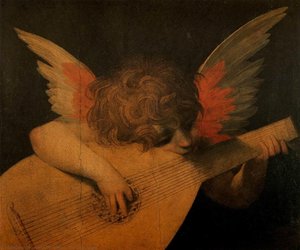
Aperçu en situation
 Partager
 Partager
 Détails
 Guide imprimable

 Télécharger
 Articles similaires
 Radiographie
 Voir le diaporama
 Statistiques
Pietà
 Huile sur toile
- Art mural
- Baroque
 1537
1537 125.0 x 159.0 cm
 Musée du Louvre
 Afficher la suite
Giclées et impressions d'art
Impressions giclées ou sur toile de qualité musée, avec une production rapide et des finitions au choix. ( Acheter la peinture faite à la main Passer au format image numérique)




P118B €10

P118H €10

P118W €10

P438Z €10

P508JH €12

P508YH €12

P805H €10

P805Z €10

P919BZ €10

P919G €10

P919XJ €10

P959ZH €10

P968JZ €12

W106C €8

W218G €10

W218JH €8

W218Y €10

W307PJ €10

W316G €10

W316PJ €8

W316Y €10

W398PJ €8

W4111J €10

W500HY €15

W500JH €15

W692G €12

W849H €8

W940BG €15

W953PJ €8




Choisissez parmi nos formats prédéfinis qui respectent les proportions originales de l’œuvre.

Saisissez la largeur et la hauteur souhaitées pour qu'elles s'adaptent à votre cadre ou à votre mur. Une impression ne peut être que découpée, elle ne peut jamais être agrandie au-delà de l'image originale ; ainsi, un format de forme différente entraînera la perte d'une partie de l'image. Nous vous envoyons une maquette numérique pour approbation avant toute impression. L'image présentée sur cette page ne montre pas le recadrage réel — seule la maquette le permet.
Livraison dans le monde entier () en 2 semaines au lieu des 4/5 semaines habituelles. (25 octobre)

Livraison express gratuite dans le monde entier

Toile de lin de haute qualité

Assurance transport complète

Garantie de remboursement des droits de douane

Garantie de fidélité des couleurs

Garantie de retour de 100 jours (uniquement en cas de défaut)

Garantie de remboursement à 100%

Tarifs dégressifs sur quantité
 L'option verre n'est disponible que pour les dimensions inférieures à 110 cm.

Pietà
Giclées et impressions d'art
Format de la reproduction
-


Prix total final
€ 70
A Symphony of Sorrow: Rosso Fiorentino’s Pietà
The year is 1537. A profound grief hangs heavy in the air, mirrored in the masterful execution of Rosso Fiorentino's *Pietà*. This isn’t merely a depiction of Christ’s Lamentation; it’s an immersive experience, a plunge into the raw, visceral emotion that defined the Baroque era. Measuring 125 x 159 cm, this painting transcends its physical dimensions to become a vessel for sorrow, faith, and the enduring human struggle with loss. The scene unfolds with dramatic intensity – Mary, draped in flowing robes of cool blues and whites, cradles the lifeless body of her son, while other figures, rendered in warm reds, oranges, and browns, swirl around them in an almost chaotic dance of grief. It’s a composition that demands attention, pulling the viewer into the heart of this agonizing moment.Baroque Drama: Technique and Composition
Rosso Fiorentino was a key figure in the transition from High Renaissance ideals to the expressive dynamism of Mannerism. His *Pietà* exemplifies this shift through its masterful use of technique. The painting is executed with meticulous brushwork, layering textures that create an astonishing sense of volume and depth. Notice how the folds of Mary’s drapery aren't simply painted; they appear to ripple and flow, conveying movement and a profound sense of weight. Strong diagonal lines contribute significantly to the composition’s instability, mirroring the emotional turmoil at its core. The artist employs *chiaroscuro* – the dramatic contrast between light and dark – with breathtaking skill, highlighting key figures like Christ's body and Mary’s face while casting deep shadows that amplify the mood of sorrow. This technique wasn’t just about visual effect; it was a deliberate strategy to evoke an emotional response in the viewer, mirroring the theatrical conventions popular at the time. The use of oil paints on canvas allowed for rich color saturation and blending, further enhancing the painting's dramatic impact.Symbolism Woven into Sorrow
Beyond its technical brilliance, the *Pietà* is laden with symbolic meaning deeply rooted in Christian iconography. The scene directly references the traditional depiction of Mary mourning over Christ’s body after his crucifixion – a motif that resonated powerfully throughout the medieval and Renaissance periods. Mary's posture, both sorrowful and resolute, represents maternal grief intertwined with unwavering faith. The pyramidal composition, with Christ’s body forming the base, is a classic device used to convey stability and dignity even in death. The surrounding figures aren’t just witnesses; they are participants in this sacred lament, embodying the universal human experience of loss and suffering. The overall effect is one of profound contemplation – an invitation to consider themes of mortality, redemption, and the enduring power of faith.A Legacy of Emotion
Created by Rosso Fiorentino in 1537, this *Pietà* stands as a testament to his artistic genius and his ability to capture the raw emotion of a pivotal moment in Christian history. The painting’s enduring power lies not only in its technical mastery but also in its profound emotional impact – a reminder of our shared humanity and the timeless themes of grief, loss, and faith. A hand-painted reproduction offers an unparalleled opportunity to experience this masterpiece firsthand, bringing its dramatic beauty and poignant symbolism into your home or studio.Questions et réponses
L'œuvre «Pietà» de Rosso Fiorentino est-elle conservée dans le pays d'origine de l'artiste ?
Non - l'œuvre est conservée à l'étranger. Le pays de naissance de Rosso Fiorentino est Italie, et le musée qui détient l'original de « Pietà » se trouve en France.
Quelle harmonie de couleurs «Pietà» de Rosso Fiorentino présente-t-il ?
«Pietà» de Rosso Fiorentino présente une harmonie de couleurs Forte unité chromatique.
«Pietà» de Rosso Fiorentino est-il une composition en portrait, en paysage ou carrée ?
Le format de « Pietà » est Format paysage. Cela est utile lors de la planification de l'emplacement d'une reproduction.
Biographie de l'artiste
Rosso Fiorentino : Une Biographie
- Nom: Rosso Fiorentino (Giovanni Battista di Jacopo)
- Né: 8 mars 1495, Florence, Italie
- Décédé: 14 novembre 1540, Fontainebleau, France
Jeunesse et Formation
- Rosso Fiorentino, dont le nom se traduit par « Florentin Roux » en raison de ses cheveux roux distinctifs, a commencé son parcours artistique à Florence.
- Il a reçu sa formation initiale dans l'atelier estimé d'Andrea del Sarto, une figure de proue de la peinture de la Renaissance florentine.
- Cette période l'a placé aux côtés d'un autre artiste important de l'époque, Pontormo, favorisant un environnement partagé d'exploration et de développement artistiques.
- L'influence de l'école florentine de peinture pendant ces années formatrices a considérablement façonné son style futur.
Style Artistique et Influences
- Le travail de Rosso Fiorentino se caractérise par son intensité dramatique, son utilisation audacieuse des couleurs et son expression émotionnelle saisissante.
- Il incorporait fréquemment des autoportraits dans ses compositions, se représentant souvent comme une figure clé au sein du récit.
- L'artiste a été fortement influencé par les œuvres de Michel-Ange et Raphaël, ce qui est particulièrement évident dans sa maîtrise du clair-obscur – la technique consistant à utiliser des contrastes importants entre la lumière et l'ombre pour créer de la profondeur et du volume.
- Son style est considéré comme faisant partie du mouvement maniériste, qui a émergé au XVIe siècle en réaction à l'accent mis par la Haute Renaissance sur l'équilibre et l'harmonie. Le maniérisme favorisait les formes allongées, les perspectives déformées et une émotion accrue.
Œuvres Notables et Réalisations
- La Déposition: Considérée comme l'un des chefs-d'œuvre de Rosso Fiorentino, cette peinture exemplifie son style unique à travers son éclairage dramatique et sa représentation chargée d'émotion de la scène.
- L’Éléphant, Château de Fontainebleau: Cette œuvre met en valeur sa capacité à capturer l'essence de ses sujets avec un détail et un réalisme remarquables. Elle souligne également sa carrière ultérieure en France.
- Moïse et les Filles de Jethro : Démontre une composition complexe et une profondeur émotionnelle caractéristique de son style mûr.
- Ses contributions à la décoration du Château de Fontainebleau ont été importantes, bien que tragiquement interrompues par sa mort prématurée.
Héritage et Importance Historique
- L'influence de Rosso Fiorentino s'est étendue au-delà de son vivant, impactant les générations d'artistes suivantes.
- Francesco Primaticcio, qui lui a succédé en tant qu'artiste principal du Château de Fontainebleau, a été notablement influencé par le style de Rosso.
- Son travail a joué un rôle crucial dans le développement et la popularisation du maniérisme, contribuant à son insistance sur l'expression dramatique et l'innovation artistique.
- Les peintures de Rosso Fiorentino se trouvent dans divers musées et collections du monde entier, notamment à la Galleria Nazionale d'Arte Moderna e Contemporanea à Rome.

Rosso Fiorentino
1495 - 1540 , Italie
En bref
- Artistes Influents:
- Michelangelo
- Raphael
- Andrea del Sarto
- Date De Décès: 14 novembre 1540
- Date De Naissance: 8 mars 1495
- Influence Sur L'Art: Francesco Primaticcio
- Lieu De Naissance: Florence, Italie
- Mouvement Artistique: Manierisme
- Nationalité: Italienne
- Nom Complet: Rosso Fiorentino
- Oeuvres Notables:
- La Déposition
- Éléphant, Fontainebleau
- Moïse et les filles
- Pietà
- Mariage de la Vierge
Articles connexes

Les 10 Chefs-d'œuvre Baroques qui ont Révolutionné l'Art |
Plongez au cœur du baroque avec les 10 chefs-d'œuvre de Caravaggio, Rembrandt et Rubens. Découvrez l'histoire fascinante de ces artistes et leurs tableaux célèbres. Reproductions d'art de qualité muséale sur – Explorez la collection !

The Dramatic Flourish: Exploring the Baroque Movement's Enduring Legacy in Art History
Explore the dramatic world of Baroque art! Discover iconic artists like Caravaggio & Rubens, defining techniques, and its lasting impact on art history. Expert insights for collectors & enthusiasts at OriginalUniqueArt.

The Visceral Stage: Exploring Dramatic Narratives & Emotional Intensity in Baroque Art
Explore the dramatic world of Baroque art! Discover iconic masters like Caravaggio & Rembrandt, their techniques, and the movement's lasting impact. Expert insights for collectors & enthusiasts at OriginalUniqueArt.

Baroque Classicism: The Grandeur of Order and Drama in 17th-Century Art History
Explore the profound elegance of Baroque Classicism. Discover how 17th-century masters synthesized dramatic emotion with classical order through the lens of the Counter-Reformation and the works of legends like Carlo Maratta and Andrea Sacchi.

Le Drame Baroque : L'Art qui Apporte la Splendeur dans Votre Intérieur
Plongez dans l'univers somptueux du baroque ! Découvrez son histoire, comment l'intégrer à votre intérieur et les œuvres incontournables. : reproductions d'art de qualité supérieure.