Aperçu en situation
 Partager
 Partager
 Détails

 Télécharger
 Articles similaires
 Radiographie
 Voir le diaporama
 Statistiques
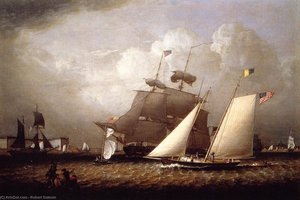
Dismal Swamp Canal


 Afficher la suite
Reproduction à l'huile faite à la main
Huile sur toile peinte à la main, avec cadre et dimensions personnalisés, réalisée sur commande par nos artistes. ( Passer au format impression Passer au format image numérique)




P118B $10

P118H $10

P118W $10

P438Z $10

P508JH $12

P508YH $12

P805H $10

P805Z $10

P919BZ $10

P919G $10

P919XJ $10

P959ZH $10

P968JZ $12

W106C $8

W218G $10

W218JH $8

W218Y $10

W307PJ $10

W316G $10

W316PJ $8

W316Y $10

W398PJ $8

W4111J $10

W500HY $15

W500JH $15

W692G $12

W849H $8

W940BG $15

W953PJ $8




Choisissez parmi nos formats prédéfinis qui respectent les proportions originales de l’œuvre.

Vous pouvez saisir vos propres dimensions pour l'adapter à un cadre ou à un espace spécifique. Si la taille sélectionnée ne correspond pas aux proportions de l'image d'origine, nous recadrerons l'œuvre ou prolongerons la peinture avec des éléments peints à la main supplémentaires. Une maquette numérique vous sera envoyée pour approbation avant le début de la production.
Veuillez noter que l'aperçu à l'écran ne reflète pas le recadrage ou l'extension réels. Seule la maquette montrera fidèlement la composition finale.
Bien que des tailles personnalisées soient disponibles, nous vous recommandons de sélectionner une dimension dans la liste prédéfinie afin de préserver les proportions d'origine.
Après la commande, l’équipe OriginalUniqueArt.com contactera le client par e-mail pour recueillir ses instructions et lui fournira une maquette d’aperçu
Livraison dans le monde entier () en 3 à 4 semaines au lieu des 5 semaines habituelles. (18 septembre). Aucun compromis sur la qualité.

Livraison express gratuite dans le monde entier

Toile de lin de haute qualité

Assurance transport complète

Garantie de remboursement des droits de douane

Garantie de fidélité des couleurs

Garantie de retour de 100 jours (uniquement en cas de défaut)

Garantie de remboursement à 100%

Tarifs dégressifs sur quantité
 L'option verre n'est disponible que pour les dimensions inférieures à 110 cm.

Dismal Swamp Canal
Technique de reproduction
Format de la reproduction
-


Prix total final
$ 300
A Window into the Early Republic: Robert W. Salmon’s “Dismal Swamp Canal”
Robert W. Salmon's "Dismal Swamp Canal" isn’t merely a depiction of a waterway; it’s a vibrant snapshot of 19th-century America, brimming with ambition, industry, and the nascent spirit of westward expansion. Painted in 1830, this oil on canvas transports us to a pivotal moment in American history – the construction and early operation of the Dismal Swamp Canal, a bold engineering feat that connected the Chesapeake Bay and Albemarle Sound, fundamentally altering trade routes and shaping the landscape of the southeastern United States. Salmon masterfully captures the bustling activity surrounding this vital artery, showcasing not just the physical infrastructure but also the human element – the ships laden with goods, the laborers toiling alongside them, and the burgeoning settlements that sprung up along its banks.
- Historical Context: The painting reflects a period of intense national development. Following the American Revolution, there was a pressing need for improved transportation networks to facilitate trade and connect disparate regions. The Dismal Swamp Canal addressed this critical demand, offering an alternative to arduous overland routes through the swamp itself.
- Engineering Marvel: Salmon’s depiction highlights the scale of the undertaking – a complex system of locks and channels painstakingly carved through the dense, treacherous swamp. The canal's construction was a testament to human ingenuity and perseverance, requiring immense labor and logistical planning.
A Luminist Approach: Light, Detail, and Atmospheric Depth
Salmon’s artistic style is firmly rooted in the emerging movement of American Luminism, characterized by its emphasis on capturing natural light and atmospheric effects. Unlike the highly detailed, often theatrical scenes favored by earlier historical painters, Salmon employs a more subdued palette and a looser brushstroke to create a sense of realism and immediacy. The painting's composition is carefully balanced, utilizing horizontal lines to emphasize the expansive waterway while layering elements in the foreground, middle ground, and background to establish a convincing sense of depth. Notice how he skillfully uses light – diffused and soft – to illuminate key figures and structures, drawing the viewer’s eye through the scene.
Technique: Salmon's meticulous approach is evident in the layering of brushstrokes, particularly noticeable in the depiction of the sails of the ships. These are rendered with a remarkable sense of texture and movement, conveying both their strength and vulnerability to the elements. The artist’s use of color is restrained yet effective, relying on browns, blues, and reds to create a realistic and evocative atmosphere.Symbolism and the American Narrative
Beyond its depiction of a specific engineering project, “Dismal Swamp Canal” carries significant symbolic weight. The prominent American flag flying from one of the buildings represents national identity and the expansion of the United States westward. The bustling harbor scene speaks to the burgeoning commercial activity that fueled the nation’s growth – a testament to the spirit of innovation and entrepreneurialism. Even the “Dismal Swamp” itself, despite its name, becomes a symbol of opportunity and progress, transformed by human intervention into a vital artery for trade and transportation.
- The Canal as Progress: The canal represents more than just a physical connection; it symbolizes America’s drive to overcome geographical obstacles and forge ahead with its destiny.
- Labor and Industry: The inclusion of laborers highlights the human cost of this ambitious project, reminding us that progress often comes at a price.
A Legacy in Reproduction – Bringing History to Life
OriginalUniqueArt’s meticulously crafted reproductions of Robert W. Salmon's “Dismal Swamp Canal” offer a remarkable opportunity to bring this captivating historical scene into your home or office. Each reproduction is created using the same techniques and materials as the original painting, ensuring an authentic representation of Salmon’s artistic vision. Whether you are an art enthusiast, a collector, or simply seeking a stunning piece of American history, OriginalUniqueArt's reproductions provide a beautiful and enduring tribute to this remarkable work.
Biographie de l'artiste
Jeunesse et Formation Artistique
- Origines : Salmon est né Robert Salomon de Francis Salomon, joaillier. Le port animé de Whitehaven a exercé une influence précoce sur son développement artistique.
- Influences Précoces : Sa formation n'est pas largement documentée, mais on pense qu'il a étudié les peintres marins néerlandais du XVIIe siècle, les artistes vedute italiens et Claude Lorrain.
- Premières Œuvres : Ses premières œuvres connues, “Deux Navires Marchands Armés Quittant le Port de Whitehaven” (1800) et “Le ‘Estridge’ au large de Douvres”, démontrent ses compétences précoces dans la capture de scènes maritimes.
- Début à la Royal Academy : Salmon a exposé pour la première fois à la Royal Academy en 1802, marquant une étape importante dans sa carrière.
Développement et Style Artistique
- Déménagement à Liverpool (1806) : Salmon s'est installé à Liverpool et a changé son nom en Salmon. Cette période a été marquée par la production de nombreuses peintures marines aujourd'hui conservées au National Maritime Museum de Londres.
- Portraits de Navires : Ses portraits de navires révèlent une connaissance approfondie des navires à voile et de leur mécanique, représentant souvent le même navire sous différents angles sur une seule toile.
- Popularité et Collectionneurs : Le travail de Salmon a gagné en popularité parmi les Bostonais éminents tels que Samuel Cabot, Robert Bennett Forbes et John Newmarch Cushing, ce qui indique sa reconnaissance croissante en Amérique.
- Pionnier du Luminisme : Il est considéré comme une figure clé dans le développement du Luminisme américain, influençant des artistes tels que William Bradford et Fitz Henry Lane. Son insistance sur la lumière et l'atmosphère créaient des scènes sereines et tranquilles.
Œuvres Notables et Importance Artistique
- Tableaux Clés : Parmi ses œuvres les plus reconnues figurent “Le Brig ‘Ariel’,” “Le Navire à Voile ‘Trelawney’,” et “Vue de Liverpool depuis Cheshire.” Ces peintures exemplifient son habileté à capturer la beauté et la complexité des navires à voile.
- Série du Port de Boston : Il a produit un ensemble important d'œuvres représentant le port de Boston, mettant en valeur la vie maritime et le Boston historique. “Boston Harbor from Castle Island (Ship Charlotte)” est un exemple notable.
- Influence sur l’Art Américain : Le style de Salmon a profondément influencé les générations futures de peintres de paysages marins américains, contribuant au développement du Luminisme en tant que mouvement artistique important.
Héritage et Reconnaissance
- Collections Muséales : Les œuvres de Salmon sont conservées dans des institutions prestigieuses telles que l'Académie Navale Américaine, le Museum of Fine Arts de Boston et le National Maritime Museum de Greenwich.
- Impact Durable : Ses peintures continuent d’inspirer les artistes aujourd’hui, témoignant de son habileté et de son art.
- Père du Luminisme Américain : L'héritage de Salmon est fermement établi en tant que pionnier du Luminisme américain, laissant une marque indélébile sur le monde de l'art.

Robert W. Salmon
1775 - 1845 , Royaume-Uni
En bref
- Artistes Influencés:
- William Bradford
- Fitz Henry Lane
- Artistes Influents:
- Peintres marins néerlandais
- Vedute italiennes
- Claude Lorrain
- Date De Naissance: 1775
- Lieu De Naissance: Whitehaven, Royaume-Uni
- Mouvement Artistique: Luminisme américain
- Nationalité: Britannique
- Nom Complet: Robert W. Salmon
- Oeuvres Notables:
- Le Brig 'Ariel'
- Sailing Ship 'Trelawney'
- Boston Harbor from Castle Island
Articles similaires

Robert Spencer: Luminism, Narrative & the American Landscape Tradition
Explore the captivating world of Luminism & the Hudson River School with our expert analysis. Discover the history, artists, and enduring beauty of 19th-century American landscape painting. Find museum-quality reproductions at OriginalUniqueArt.

Réalisme Américain : 10 Chefs-d'œuvre Incontournables pour une Déco Inspirée
Plongez au cœur du Réalisme Américain avec 10 chefs-d'œuvre d'Edward Hopper, Andrew Wyeth et plus. Découvrez l'histoire et les techniques de ces artistes emblématiques. Reproductions de tableaux de qualité musée sur OriginalUniqueArt.com !
Robert W. Salmon: Navigating the Currents of Maritime Painting & American Realism
Explore the captivating maritime paintings of Robert W. Salmon, a pioneer of American Luminism. Discover his Boston Harbor scenes, legacy, and collecting guide at OriginalUniqueArt.

Grant Wood & American Regionalism: Identity, Myth & the Rural Landscape
Explore the world of Grant Wood & American Regionalism with OriginalUniqueArt. Discover the symbolism behind 'American Gothic', recurring themes, and the movement's lasting impact on art history. High-quality reproductions available.

Les 10 Chefs-d'œuvre du XIXe Siècle : Artistes et Décor Intemporels
Plongez au cœur du XIXe siècle avec les 10 œuvres incontournables de Manet, Monet et Renoir. Découvrez l'histoire, les techniques et l'émotion derrière ces chefs-d'œuvre impressionnistes et réalistes. Trouvez votre reproduction idéale sur OriginalUniqueArt.com !