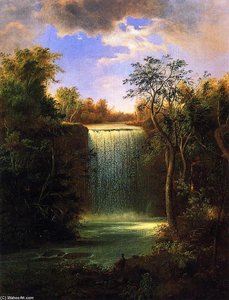
Aperçu en situation
 Partager
 Partager
 Détails
 Guide imprimable

 Télécharger
 Articles similaires
 Radiographie
 Voir le diaporama
 Statistiques
The Drunkard's Plight


 Afficher la suite
Giclées et impressions d'art
Impressions giclées ou sur toile de qualité musée, avec une production rapide et des finitions au choix. ( Acheter la peinture faite à la main Passer au format image numérique)




P118B $10

P118H $10

P118W $10

P438Z $10

P508JH $12

P508YH $12

P805H $10

P805Z $10

P919BZ $10

P919G $10

P919XJ $10

P959ZH $10

P968JZ $12

W106C $8

W218G $10

W218JH $8

W218Y $10

W307PJ $10

W316G $10

W316PJ $8

W316Y $10

W398PJ $8

W4111J $10

W500HY $15

W500JH $15

W692G $12

W849H $8

W940BG $15

W953PJ $8




Choisissez parmi nos formats prédéfinis qui respectent les proportions originales de l’œuvre.

Vous pouvez saisir vos propres dimensions pour vous adapter à un cadre ou à un espace spécifique. Si la taille sélectionnée ne correspond pas aux proportions de l'image originale, nous recadrerons l'œuvre ou étendrons l'image avec une bordure en miroir ou une couleur unie. Une maquette numérique vous sera envoyée pour approbation avant le début de la production.
Veuillez noter que l'aperçu à l'écran ne reflète pas le recadrage ou l'extension réelle. Seule la maquette montrera avec précision la composition finale.
Bien que des tailles personnalisées soient disponibles, nous vous recommandons de choisir une dimension dans la liste prédéfinie afin de préserver les proportions originales.
Livraison dans le monde entier () en 2 semaines au lieu des 4/5 semaines habituelles. (26 septembre)

Livraison express gratuite dans le monde entier

Toile de lin de haute qualité

Assurance transport complète

Garantie de remboursement des droits de douane

Garantie de fidélité des couleurs

Garantie de retour de 100 jours (uniquement en cas de défaut)

Garantie de remboursement à 100%

Tarifs dégressifs sur quantité
 L'option verre n'est disponible que pour les dimensions inférieures à 110 cm.

The Drunkard's Plight
Giclées et impressions d'art
Format de la reproduction
-


Prix total final
$ 80
A Glimpse into 19th-Century America – The Drunkard’s Plight
Robert Seldon Duncanson’s “The Drunkard’s Plight,” painted in 1845, is more than just a depiction of a somber scene; it's a poignant window into the social realities and moral anxieties of antebellum America. This oil on canvas captures a moment of quiet desperation – a man struggling with addiction amidst the backdrop of a rural road and a small community observing his plight. The painting immediately draws the viewer in, not with dramatic action, but with a palpable sense of melancholy and concern. Duncanson, a pioneering African American artist navigating a world rife with racial prejudice, used this work to explore themes of poverty, societal neglect, and the potential for redemption – subjects often overlooked within the grand narratives of the Hudson River School.
(Image source: Artvee)
A Masterclass in Hudson River Detail and Emotional Resonance
Duncanson’s artistic approach firmly places him within the tradition of the Hudson River School, yet he imbues his landscapes with a distinctly humanistic perspective. He meticulously renders the details – the worn clothing of the drunkard, the weathered faces of the onlookers, the subtle textures of the dirt road and surrounding foliage – demonstrating a remarkable command of technique. The composition is carefully balanced; the central figure dominates the foreground, drawing immediate attention while the background figures, rendered with less detail, subtly suggest a wider community grappling with his misfortune. Notice the use of light and shadow, expertly employed to create depth and mood. The diffused sunlight casts long shadows, emphasizing the somber atmosphere and highlighting the vulnerability of the man consumed by his addiction.
The painting’s palette is restrained – primarily browns, grays, and muted greens – reinforcing the sense of hardship and despair. However, subtle touches of color—a splash of red in a child's dress or a patch of wildflowers—offer fleeting glimpses of beauty and hope amidst the prevailing gloom. Duncanson’s skill lies not just in his technical proficiency but also in his ability to evoke emotion through carefully chosen details and atmospheric effects.
Symbolism and Social Commentary
“The Drunkard’s Plight” is rich with symbolic meaning, reflecting the complex social issues of its time. The drunkard himself represents a broader societal problem – the widespread poverty, unemployment, and lack of opportunity that fueled addiction and despair in 19th-century America. The figures observing him are not simply passive spectators; they represent the community’s responsibility to care for those struggling with hardship. Their expressions range from concern to resignation, suggesting a sense of helplessness in the face of a pervasive social problem. The presence of children underscores the devastating impact of poverty on future generations.
Furthermore, Duncanson's position as an African American artist adds another layer of significance to the work. Some art historians have interpreted the painting through a racial lens, suggesting that the drunkard’s plight mirrors the broader experience of marginalized communities in America – ignored, neglected, and struggling for survival. While interpretations vary, the painting undeniably prompts reflection on issues of social justice and human compassion.
A Legacy of Artistic Vision and Social Awareness
Robert Seldon Duncanson’s “The Drunkard’s Plight” stands as a testament to his artistic talent and his commitment to addressing important social issues. It's a powerful reminder of the human cost of poverty, addiction, and societal neglect. His work continues to resonate today, inviting viewers to contemplate the complexities of American history and the enduring need for empathy and understanding. Reproductions of this evocative painting offer a valuable opportunity to bring this poignant scene into contemporary homes and spaces, serving as both an artistic treasure and a thought-provoking symbol of human resilience.
Biographie de l'artiste
Robert Seldon Duncanson : Une Vie et un Héritage
- Né: Fayetteville, New York (vers 1821)
- Décédé: 21 décembre 1872
- Origine: OriginalUniqueArt
Première Vie et Développement Artistique
- La famille de Duncanson était d'ascendance européenne et africaine. Son père, John Dean Duncanson, un commerçant noir libre, a inculqué à ses enfants la valeur du travail acharné et de l'éducation.
- La famille déménagea à Monroe, dans le Michigan, où Robert fit son apprentissage en menuiserie et en peinture. Il a démontré un talent précoce pour l'art, ce qui l'a conduit à se consacrer au portrait.
- En 1840, il s'installa à Cincinnati, Ohio, un centre culturel florissant connu sous le nom d'"Athènes de l'Ouest". Cet environnement a offert des opportunités de croissance artistique et d'exposition.
- Duncanson était largement autodidacte, étudiant les gravures et les estampes, esquissant à partir de la nature et copiant les œuvres d'autres artistes. Il n'a pas reçu de formation formelle mais a développé un œil aiguisé et une compétence technique.
Style Artistique et Influences
- Influence de l’École du fleuve Hudson : Le style de Duncanson était fortement influencé par l'École du fleuve Hudson, connue pour ses représentations romantiques des régions sauvages américaines. Des artistes comme Thomas Cole ont été une source d'inspiration importante.
- Concentration sur le paysage : Il s’est tourné vers les paysages, capturant des scènes de la vallée de l'Ohio et au-delà.
- Romantisme : Ses œuvres transmettaient souvent un sentiment de grandeur, de tranquillité et de connexion spirituelle avec la nature, caractéristique du romantisme.
- Palette de couleurs et technique : Duncanson employait une palette de couleurs riches et des détails méticuleux dans ses peintures, démontrant une maîtrise de la technique.
Réalisations Majeures et Reconnaissance
- Premières expositions : Ses œuvres ont été exposées à l'Académie des beaux-arts de Cincinnati dès 1842, ce qui lui a valu une reconnaissance au sein de la communauté artistique locale.
- Tournée européenne (1853-1854) : Un tournant important dans sa carrière fut un voyage en Europe où il étudia les maîtres européens et élargit ses horizons artistiques.
- Acclamation internationale : Duncanson a obtenu une reconnaissance internationale, exposant ses œuvres en Angleterre, en Écosse, au Canada et aux États-Unis. Il est devenu le premier artiste afro-américain à obtenir un tel éloge généralisé.
- Tradition de la vallée de l'Ohio : Il a joué un rôle clé dans le développement de la tradition du paysage de la vallée de l'Ohio, contribuant de manière significative à son identité artistique.
Signification Historique et Héritage
- Pionnier pour les artistes noirs : Le succès de Duncanson a brisé les barrières pour les artistes afro-américains à une époque de préjugés raciaux et de discrimination. Il a servi d'inspiration aux générations futures.
- Identité raciale dans l’art : Les historiens de l'art débattent de la mesure dans laquelle sa race a influencé son expression artistique, certains suggérant des représentations symboliques subtiles de thèmes raciaux au sein de ses paysages.
- Figure oubliée redécouverte : Pendant de nombreuses années, le travail de Duncanson a été largement négligé. Des recherches et expositions récentes ont permis de porter une nouvelle attention à ses contributions à l'histoire de l'art américain.
- Témoignage de résilience : Son histoire est un témoignage de la résilience et du talent des Afro-Américains face à l'adversité, démontrant leur capacité à atteindre l'excellence artistique malgré les défis systémiques.
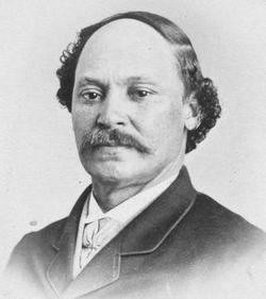
Robert Seldon Duncanson
1821 - 1872 , États-Unis d'Amérique
En bref
- Artistes Influents: ['Thomas Cole']
- Date De Décès: 21 décembre 1872
- Date De Naissance: c. 1821
- Lieu De Naissance: Fayetteville, États-Unis
- Mouvement Artistique: École du fleuve Hudson
- Nationalité: Américain
- Nom Complet: Robert Seldon Duncanson
- Oeuvres Notables:
- Roses Still Life
- Waterfall...
- Vulture and Its Prey
- Minnenopa Falls
Articles similaires

Échos de l'Arcadie : Nostalgie et Transformation dans l'Art Paysager Vintage
Explorez l'École du Hudson : un mouvement artistique américain emblématique. Découvrez les maîtres romantiques, leur quête du sublime et l'influence durable de leurs paysages exceptionnels. OriginalUniqueArt vous guide.
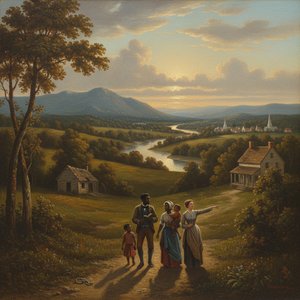
Robert Seldon Duncanson: Landscape, Abolitionism & Shaping American Identity
Discover Robert Seldon Duncanson, the first internationally acclaimed African American landscape artist. Explore his connection to the Hudson River School, abolitionism, and enduring legacy through serene vistas & powerful symbolism.
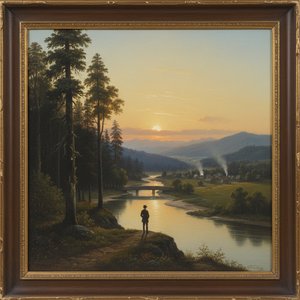
Robert Spencer: Luminism, Narrative & the American Landscape Tradition
Explore the captivating world of Luminism & the Hudson River School with our expert analysis. Discover the history, artists, and enduring beauty of 19th-century American landscape painting. Find museum-quality reproductions at OriginalUniqueArt.

Grant Wood & American Regionalism: Identity, Myth & the Rural Landscape
Explore the world of Grant Wood & American Regionalism with OriginalUniqueArt. Discover the symbolism behind 'American Gothic', recurring themes, and the movement's lasting impact on art history. High-quality reproductions available.

Évocations de lieux : Un voyage historique à travers l'art du paysage
Explorez l'histoire fascinante de la peinture de paysage à travers les chefs-d'œuvre du Romantisme. Découvrez Friedrich, Turner et Aivazovski et laissez-vous inspirer par la beauté sauvage et le sublime. Reproduction d'art de qualité chez OriginalUniqueArt.