
 Aperçu en situation
 Envoyer
 Partager
 Détails de l'œuvre

 Télécharger
 Articles similaires
 Radiographie
 Diaporama
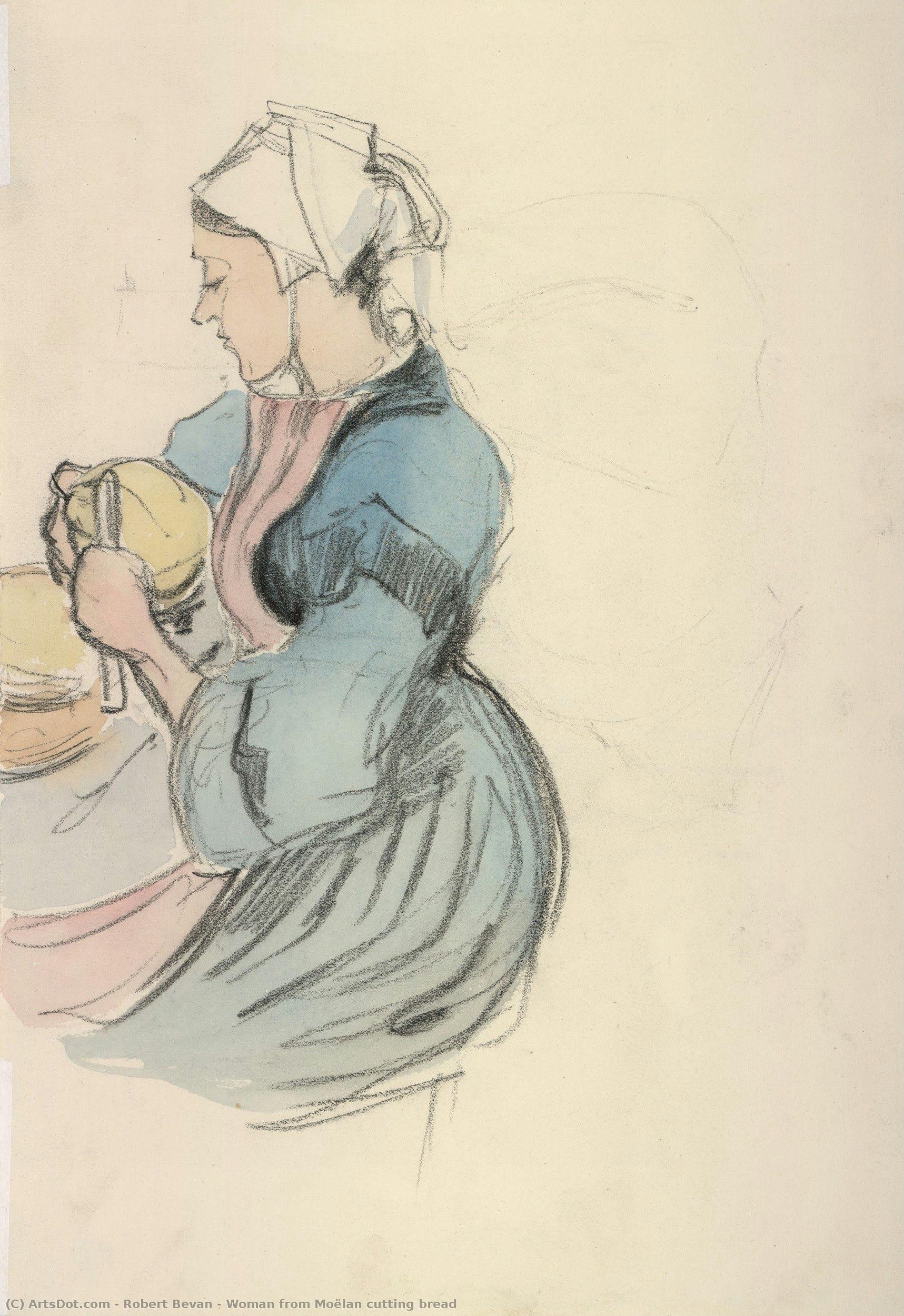
Woman from Moëlan cutting bread
 Acrylic On Canvas
- WallArt
- Fauvism
 1891
1891- 19th Century
 34.0 x 24.0 cm
 Musée de Pont-Aven
 Lire la suite
Giclées et impressions d'art
Impressions giclées ou sur toile de qualité musée, avec une production rapide et des finitions au choix. ( Commander la reproduction peinte à la main Télécharger l'image haute résolution)




P118B $10

P118H $10

P118W $10

P438Z $10

P508JH $12

P508YH $12

P805H $10

P805Z $10

P919BZ $10

P919G $10

P919XJ $10

P959ZH $10

P968JZ $12

W106C $8

W218G $10

W218JH $8

W218Y $10

W307PJ $10

W316G $10

W316PJ $8

W316Y $10

W398PJ $8

W4111J $10

W500HY $15

W500JH $15

W692G $12

W849H $8

W940BG $15

W953PJ $8




Choisissez parmi nos formats prédéfinis qui respectent les proportions originales de l’œuvre.

Vous pouvez saisir vos propres dimensions pour vous adapter à un cadre ou à un espace spécifique. Si la taille sélectionnée ne correspond pas aux proportions de l'image originale, nous recadrerons l'œuvre ou étendrons l'image avec une bordure en miroir ou une couleur unie. Une maquette numérique vous sera envoyée pour approbation avant le début de la production.
Veuillez noter que l'aperçu à l'écran ne reflète pas le recadrage ou l'extension réelle. Seule la maquette montrera avec précision la composition finale.
Bien que des tailles personnalisées soient disponibles, nous vous recommandons de choisir une dimension dans la liste prédéfinie afin de préserver les proportions originales.
Livraison dans le monde entier () en 2 semaines au lieu des 4/5 semaines habituelles. (19 août)

Livraison express gratuite dans le monde entier

Toile de lin de qualité supérieure

Assurance transport complète

Garantie de remboursement des droits de douane

Garantie de fidélité des couleurs

Politique de retour de 60 jours (uniquement en cas de défaut)

Garantie de remboursement à 100%

Offre de tarifs dégressifs
 L'option verre n'est disponible que pour les dimensions inférieures à 110 cm.

Woman from Moëlan cutting bread
Giclées et impressions d'art
Format de la reproduction
-


Prix total
$ 80
Description de la pièce
A Moment of Domesticity: Robert Polhill Bevan’s ‘Woman from Moëlan Cutting Bread’
Robert Polhill Bevan's “Woman from Moëlan Cutting Bread,” painted in 1891, isn’t merely a depiction of a woman preparing food; it’s a carefully constructed tableau brimming with quiet observation and the subtle poetry of everyday life. The painting immediately draws the eye to its central figure – a woman, rendered in soft watercolor hues, her face partially obscured by shadow yet radiating an undeniable sense of purpose as she expertly wields a bread knife against a worn wooden table. This isn’t a grand narrative; it's a frozen moment, a snapshot of domesticity imbued with a distinctly late-nineteenth-century sensibility.
Bevan, a pivotal figure in the Camden Town Group and a pioneer of Fauvist tendencies, was deeply interested in capturing the essence of British life – its rhythms, its textures, and its inherent beauty. He moved away from the purely academic traditions of his early training, embracing bolder color palettes and looser brushwork to convey mood and atmosphere. “Woman from Moëlan Cutting Bread” exemplifies this shift; the colors are muted yet vibrant, suggesting a warm, inviting interior bathed in diffused light. The careful layering of washes creates a remarkable sense of depth and texture, particularly evident in the depiction of the loaf of bread itself – its rough surface rendered with meticulous detail.
The Context of Camden Town and Modern British Art
To fully appreciate Bevan’s work, it's crucial to understand the artistic climate of his time. The late 1880s and 90s witnessed a burgeoning interest in depicting modern life – not the heroic or romanticized versions often favored by earlier artists, but rather the realities of working-class existence and the quiet moments of domesticity. The Camden Town Group, to which Bevan belonged, sought to capture this spirit with a focus on urban scenes and portraits of ordinary people. They rejected the prevailing academic style in favor of brighter colors, looser brushwork, and a more direct approach to subject matter.
Bevan’s connection to the group was significant; he shared their desire to break free from traditional artistic conventions and explore new ways of representing the world around them. His work reflects this experimentation, particularly in his use of color – a characteristic that would later influence the development of Fauvism, an early 20th-century movement known for its intense, non-naturalistic hues. The painting’s palette, dominated by blues and browns with touches of yellow and red, creates a sense of warmth and intimacy, inviting the viewer into this private moment.
Symbolism and Emotional Resonance
Beyond its technical merits, “Woman from Moëlan Cutting Bread” is rich in symbolism. The act of cutting bread itself can be interpreted as a metaphor for sustenance, both physical and emotional. The woman’s focused expression suggests a sense of responsibility and care – she's not simply preparing food; she's providing for her household. The presence of the basket and bowls hints at a shared meal, fostering connection and community.
Furthermore, the painting evokes a feeling of nostalgia—a longing for simpler times. The worn table, the rustic bread, and the woman’s humble attire all contribute to this sense of timelessness. It's a scene that could have been plucked from a bygone era, offering a poignant glimpse into the lives of ordinary people. The painting’s emotional impact lies in its ability to capture a fleeting moment of quiet beauty—a reminder of the dignity and grace found in everyday life.
A Legacy of Impressionistic Innovation
Robert Polhill Bevan's "Woman from Moëlan Cutting Bread" stands as a testament to his pioneering spirit within British art. It’s a work that transcends its simple subject matter, offering a profound meditation on domesticity, labor, and the beauty of the ordinary. Reproductions of this evocative painting continue to resonate with viewers today, capturing the essence of a bygone era while simultaneously speaking to universal themes of family, sustenance, and human connection.
Biographie de l'artiste
Premières années et formation artistique
- Né : Hove, Royaume-Uni (1865)
- Décédé : 1925
- Origines familiales : Robert Polhill Bevan est né dans une famille quaker ayant des liens avec la banque. Ses parents étaient Richard Alexander Bevan et Laura Maria Polhill.
- Première éducation : Il a étudié à l'école d'art de Westminster sous la direction de Fred Brown. Plus tard, il a fréquenté l'Académie Julian à Paris où il a rencontré des artistes influents tels que Paul Sérusier, Pierre Bonnard, Édouard Vuillard et Maurice Denis.
- Influence de Bretagne : Ses premiers voyages en Bretagne (1890 et 1891) ont considérablement influencé son développement artistique, notamment grâce à l'exposition au style de Pont-Aven.
Développement artistique et influences
- Style précoce : Le travail précoce de Bevan montrait des influences du synthétisme, évident dans ses dessins et gravures réalisés pendant son séjour en Bretagne.
- Fauvisme : Vers 1904, Bevan a expérimenté avec la couleur pure, démontrant une approche proto-fauve qui précédait de nombreux artistes britanniques à l'époque. Sa peinture "Courtyard" est considérée comme un exemple précoce de ce style.
- Divisionnisme/Pointillisme : Par la suite, il a adopté une technique divisionniste ou pointilliste, comme on le voit dans des œuvres telles que "Ploughing on the Downs" et "The Turn-Rice Plough."
- Influences clés : Les influences significatives comprenaient Paul Gauguin (évident dans son utilisation de la couleur) et les maîtres plus anciens tels que Velázquez et Goya. Il a également reconnu les conseils de Renoir pour dessiner des chevaux.
Appartenance à des groupes artistiques
- Groupe de Camden Town : Bevan était un membre fondateur du Groupe de Camden Town, un collectif d'artistes qui cherchait à dépeindre la vie urbaine moderne.
- London Group : Il a également appartenu au London Group, une autre organisation artistique progressiste.
- Groupe Cumberland Market : Démontrant davantage son engagement envers les mouvements artistiques contemporains, Bevan faisait partie du Groupe Cumberland Market.
- Association avec Walter Sickert : En 1908, il a rejoint le groupe de Fitzroy Street de Walter Sickert, où il a reçu des encouragements à se concentrer sur des sujets quotidiens.
- Allied Artists' Association : Il a participé à la première exposition de l'Association des artistes alliés en 1908, qui a fourni une plateforme aux artistes progressistes et lui a présenté Wassily Kandinsky.
Œuvres majeures et thèmes
- Paysages : Bevan est surtout connu pour ses paysages du Sussex et de la Bretagne, dépeignant souvent des scènes rurales avec des couleurs vibrantes et un travail pictural expressif. Des exemples incluent "In the Downs near Lewes", "The Chestnut Tree" et "Landscape in the Blackdown Hills, Devon".
- Portraits : Il a créé des portraits, dont une représentation notable de sa femme, Stanislawa Bevan (née de Karłowska).
- Scènes urbaines : Son travail comprenait également des représentations de la vie urbaine, telles que des peintures documentant le déclin du commerce des calèches ("The Cab Horse").
- Peintures notables : Parmi les autres œuvres importantes figurent "Queen's Grove, St John's Wood", "The Farmhouse" et “Rosemary la vallée”.
Héritage et signification historique
- Pionnier de l'art britannique moderne : Robert Polhill Bevan est reconnu comme un pionnier de l'art britannique moderne, en particulier pour son adoption précoce des principes fauves.
- Influence sur l'utilisation de la couleur : Il a été parmi les premiers artistes britanniques à utiliser la couleur pure d'une manière significative, influençant ainsi les générations futures de peintres.
- Contribution au Groupe de Camden Town : Sa participation au Groupe de Camden Town a contribué à façonner le développement de l'art moderne en Grande-Bretagne.
- Exposition rétrospective : Une exposition rétrospective à Colnaghi's en 1961 a mis en évidence ses contributions et a consolidé sa place dans l'histoire de l'art.

Robert Bevan
1865 - 1925 , Royaume-Uni
L'essentiel de l'artiste
- Artistes Influents:
- Paul Gauguin
- Renoir
- Velázquez
- Goya
- Date De Décès: 1925
- Date De Naissance: 1865
- Lieu De Naissance: Hove, Royaume-Uni
- Mouvement Artistique:
- Groupe Camden Town
- Fauvisme
- Pointillisme
- Nationalité: Britannique
- Nom Complet: Robert Polhill Bevan
- Oeuvres Notables:
- Rosemary la vallée
- Paysage dans les Blackdown Hills
- Stanislawa Bevan, née de Karlowska
- Dans les collines près de Lewes
- Le Châtaignier
- Queen's Grove, St John’s Wood
- La Ferme
- L’Arbre à noix
Articles connexes

Les 10 Chefs-d'œuvre de l'Aquarelle qui ont Révolutionné l'Art | OriginalUniqueArt
Plongez dans l'univers fascinant des 10 chefs-d'œuvre de l'aquarelle qui ont marqué l'histoire de l'art. Découvrez Turner, Monet, Goya et bien d'autres ! Retrouvez ces œuvres emblématiques en reproductions exceptionnelles sur OriginalUniqueArt.com.

Ephemeral Visions: Exploring the Artistic Legacy & Contemporary Practice of Watercolor Painting
Explore the captivating world of watercolor painting! Discover its rich history, essential techniques, influential artists & collecting tips. A comprehensive guide for art enthusiasts from OriginalUniqueArt.

Éphémères Visions : L'Aquarelle, Histoire et Résonance Émotionnelle d'un Art Intemporel
Explorez l'histoire fascinante de l'aquarelle, des origines à nos jours. Découvrez les techniques, les artistes emblématiques et nos conseils d'experts pour collectionner ces œuvres éphémères. OriginalUniqueArt.
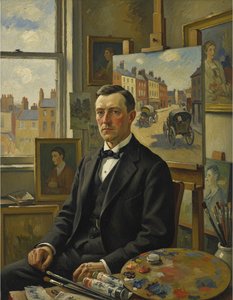
Robert Bevan: Pioneering British Post-Impressionism & the Camden Town Group's Intimate Vision
Explore the life & work of Robert Bevan, a pioneer of British Post-Impressionism and founding member of the Camden Town Group. Discover his vibrant landscapes and lasting impact on early 20th-century art.

L'Aquarelle : Histoire, Techniques et Nuances d'une Peinture de Lumière Éphémère
Explorez l'histoire fascinante de l'aquarelle, des techniques ancestrales aux maîtres impressionnistes. Découvrez les artistes emblématiques et nos conseils pour apprécier et collectionner cette peinture lumineuse.



