 Aperçu en situation
 Partager
 Partager
 Détails
 Guide imprimable

 Télécharger
 Articles similaires
 Radiographie
 Voir le diaporama
 Statistiques
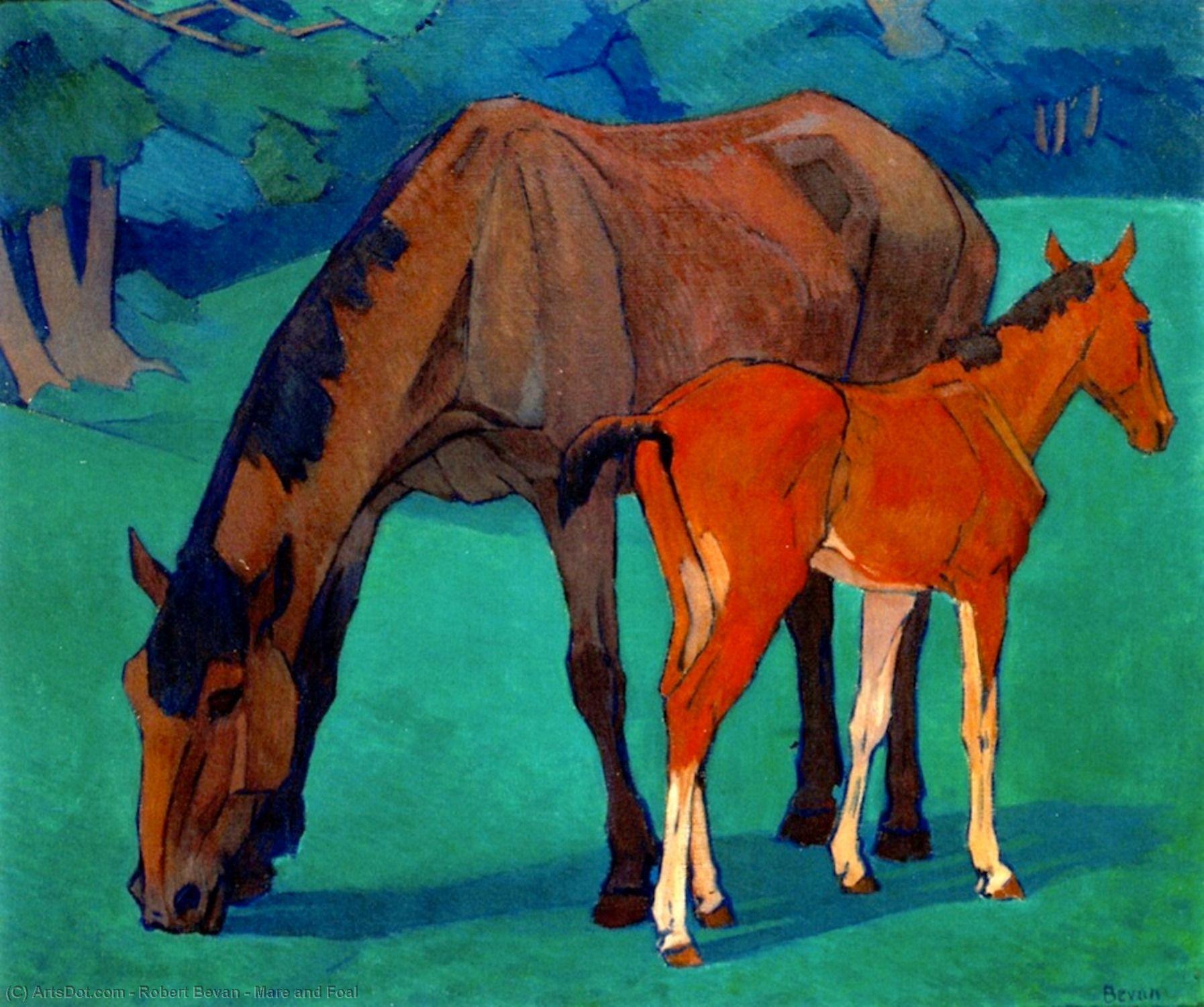
Mare and Foal
 Oil On Canvas
- WallArt
- Post-Impressionism
 1917
1917- Modern
 56.0 x 66.0 cm
 Afficher la suite
Giclées et impressions d'art
Impressions giclées ou sur toile de qualité musée, avec une production rapide et des finitions au choix. ( Acheter la peinture faite à la main Passer au format image numérique)




P118B $10

P118H $10

P118W $10

P438Z $10

P508JH $12

P508YH $12

P805H $10

P805Z $10

P919BZ $10

P919G $10

P919XJ $10

P959ZH $10

P968JZ $12

W106C $8

W218G $10

W218JH $8

W218Y $10

W307PJ $10

W316G $10

W316PJ $8

W316Y $10

W398PJ $8

W4111J $10

W500HY $15

W500JH $15

W692G $12

W849H $8

W940BG $15

W953PJ $8




Choisissez parmi nos formats prédéfinis qui respectent les proportions originales de l’œuvre.

Vous pouvez saisir vos propres dimensions pour vous adapter à un cadre ou à un espace spécifique. Si la taille sélectionnée ne correspond pas aux proportions de l'image originale, nous recadrerons l'œuvre ou étendrons l'image avec une bordure en miroir ou une couleur unie. Une maquette numérique vous sera envoyée pour approbation avant le début de la production.
Veuillez noter que l'aperçu à l'écran ne reflète pas le recadrage ou l'extension réelle. Seule la maquette montrera avec précision la composition finale.
Bien que des tailles personnalisées soient disponibles, nous vous recommandons de choisir une dimension dans la liste prédéfinie afin de préserver les proportions originales.
Livraison dans le monde entier () en 2 semaines au lieu des 4/5 semaines habituelles. (26 septembre)

Livraison express gratuite dans le monde entier

Toile de lin de haute qualité

Assurance transport complète

Garantie de remboursement des droits de douane

Garantie de fidélité des couleurs

Garantie de retour de 100 jours (uniquement en cas de défaut)

Garantie de remboursement à 100%

Tarifs dégressifs sur quantité
 L'option verre n'est disponible que pour les dimensions inférieures à 110 cm.

Mare and Foal
Giclées et impressions d'art
Format de la reproduction
-


Prix total final
$ 80
A Tender Encounter in Color and Light
In the quietude of 1917, amidst a world often defined by upheaval, Robert Polhill Bevan captured a moment of profound stillness and maternal grace in his masterpiece, Mare and Foal. This exquisite oil on canvas serves as more than just a pastoral scene; it is an intimate window into the heartbeat of the natural world. The composition centers on the tender bond between a mother horse and her young offspring, positioned with a delicate proximity that suggests a shared breath. As the foal nuzzles against its mother, the viewer is drawn into a sanctuary of peace, where the boundaries between animal and environment seem to dissolve into a singular, harmonious existence.
The painting’s strength lies in its ability to evoke emotion through the masterful application of color and texture. Bevan, a pioneer of British Modernism, moves beyond mere representation to embrace a more expressive language. His use of bold brushstrokes lends a rhythmic vitality to the grass and the sturdy forms of the horses, while his palette—rich with vivid, sun-drenched tones—breathes life into the landscape. The three trees rising in the background do not merely provide depth; they act as silent sentinels, framing the central figures and grounding the scene in a sense of timelessness and permanence.
The Mastery of Modernist Technique
To observe Mare and Foal is to witness the intersection of Impressionist light and the burgeoning energy of early 20th-century modernism. Bevan’s technique, honed during his transformative years in Paris, allows him to manipulate the medium of oil on canvas to achieve a remarkable level of luminosity. The way light dances across the coats of the horses and filters through the surrounding greenery demonstrates a sophisticated understanding of shadow and atmosphere. This interplay of light creates a tactile quality, where one can almost feel the softness of the foal's coat and the sturdy weight of the mare.
For the discerning collector or interior designer, this piece offers a rare balance of structural strength and emotional warmth. The painting’s composition is balanced yet dynamic, making it an ideal focal point for spaces that require a sense of calm sophistication. Unlike more chaotic modern works, Bevan’s approach in this period retains a classical reverence for subject matter while utilizing a contemporary, expressive hand. It is a work that invites the eye to linger, rewarding repeated viewings with new discoveries of color nuance and textural depth.
A Timeless Legacy for the Modern Interior
Beyond its aesthetic brilliance, Mare and Foal carries a symbolic weight that resonates across generations. The theme of maternal protection and the innocence of youth are universal, making the artwork deeply relatable to any viewer. In an era where art is often used to define the character of a home, this reproduction offers an infusion of serenity and organic beauty. It brings the restorative power of nature indoors, acting as a bridge between the wild, untamed world and the curated elegance of a contemporary living space.
Whether placed in a sunlit gallery or a quiet study, the painting serves as a testament to the enduring power of the natural bond. It stands alongside the works of great innovators like Picasso and Repin, not merely as a depiction of animals, but as an exploration of life's most fundamental rhythms. For those seeking to invest in art that inspires contemplation and provides a sense of groundedness, Bevan’s 1917 triumph remains an incomparable choice—a soulful fragment of history captured in vibrant, everlasting oil.
Biographie de l'artiste
Premières années et formation artistique
- Né : Hove, Royaume-Uni (1865)
- Décédé : 1925
- Origines familiales : Robert Polhill Bevan est né dans une famille quaker ayant des liens avec la banque. Ses parents étaient Richard Alexander Bevan et Laura Maria Polhill.
- Première éducation : Il a étudié à l'école d'art de Westminster sous la direction de Fred Brown. Plus tard, il a fréquenté l'Académie Julian à Paris où il a rencontré des artistes influents tels que Paul Sérusier, Pierre Bonnard, Édouard Vuillard et Maurice Denis.
- Influence de Bretagne : Ses premiers voyages en Bretagne (1890 et 1891) ont considérablement influencé son développement artistique, notamment grâce à l'exposition au style de Pont-Aven.
Développement artistique et influences
- Style précoce : Le travail précoce de Bevan montrait des influences du synthétisme, évident dans ses dessins et gravures réalisés pendant son séjour en Bretagne.
- Fauvisme : Vers 1904, Bevan a expérimenté avec la couleur pure, démontrant une approche proto-fauve qui précédait de nombreux artistes britanniques à l'époque. Sa peinture "Courtyard" est considérée comme un exemple précoce de ce style.
- Divisionnisme/Pointillisme : Par la suite, il a adopté une technique divisionniste ou pointilliste, comme on le voit dans des œuvres telles que "Ploughing on the Downs" et "The Turn-Rice Plough."
- Influences clés : Les influences significatives comprenaient Paul Gauguin (évident dans son utilisation de la couleur) et les maîtres plus anciens tels que Velázquez et Goya. Il a également reconnu les conseils de Renoir pour dessiner des chevaux.
Appartenance à des groupes artistiques
- Groupe de Camden Town : Bevan était un membre fondateur du Groupe de Camden Town, un collectif d'artistes qui cherchait à dépeindre la vie urbaine moderne.
- London Group : Il a également appartenu au London Group, une autre organisation artistique progressiste.
- Groupe Cumberland Market : Démontrant davantage son engagement envers les mouvements artistiques contemporains, Bevan faisait partie du Groupe Cumberland Market.
- Association avec Walter Sickert : En 1908, il a rejoint le groupe de Fitzroy Street de Walter Sickert, où il a reçu des encouragements à se concentrer sur des sujets quotidiens.
- Allied Artists' Association : Il a participé à la première exposition de l'Association des artistes alliés en 1908, qui a fourni une plateforme aux artistes progressistes et lui a présenté Wassily Kandinsky.
Œuvres majeures et thèmes
- Paysages : Bevan est surtout connu pour ses paysages du Sussex et de la Bretagne, dépeignant souvent des scènes rurales avec des couleurs vibrantes et un travail pictural expressif. Des exemples incluent "In the Downs near Lewes", "The Chestnut Tree" et "Landscape in the Blackdown Hills, Devon".
- Portraits : Il a créé des portraits, dont une représentation notable de sa femme, Stanislawa Bevan (née de Karłowska).
- Scènes urbaines : Son travail comprenait également des représentations de la vie urbaine, telles que des peintures documentant le déclin du commerce des calèches ("The Cab Horse").
- Peintures notables : Parmi les autres œuvres importantes figurent "Queen's Grove, St John's Wood", "The Farmhouse" et “Rosemary la vallée”.
Héritage et signification historique
- Pionnier de l'art britannique moderne : Robert Polhill Bevan est reconnu comme un pionnier de l'art britannique moderne, en particulier pour son adoption précoce des principes fauves.
- Influence sur l'utilisation de la couleur : Il a été parmi les premiers artistes britanniques à utiliser la couleur pure d'une manière significative, influençant ainsi les générations futures de peintres.
- Contribution au Groupe de Camden Town : Sa participation au Groupe de Camden Town a contribué à façonner le développement de l'art moderne en Grande-Bretagne.
- Exposition rétrospective : Une exposition rétrospective à Colnaghi's en 1961 a mis en évidence ses contributions et a consolidé sa place dans l'histoire de l'art.

Robert Bevan
1865 - 1925 , Royaume-Uni
En bref
- Artistes Influents:
- Paul Gauguin
- Renoir
- Velázquez
- Goya
- Date De Décès: 1925
- Date De Naissance: 1865
- Lieu De Naissance: Hove, Royaume-Uni
- Mouvement Artistique:
- Groupe Camden Town
- Fauvisme
- Pointillisme
- Nationalité: Britannique
- Nom Complet: Robert Polhill Bevan
- Oeuvres Notables:
- Rosemary la vallée
- Paysage dans les Blackdown Hills
- Stanislawa Bevan, née de Karlowska
- Dans les collines près de Lewes
- Le Châtaignier
- Queen's Grove, St John’s Wood
- La Ferme
- L’Arbre à noix
Articles similaires

The Equine Muse: A Historical & Artistic Exploration of Horses in Painting
Explore the captivating history of horses in painting! Discover Renaissance masterpieces, Baroque grandeur & expert insights for collecting equestrian art. Learn about symbolism, techniques & lasting value with OriginalUniqueArt.

Top 10 Œuvres d'Art Audacieuses : Couleurs, Histoire et Décoration Intérieure
Plongez dans l'audace de 10 œuvres d'art iconiques : Van Gogh, Matisse et plus. Découvrez leur histoire, leurs couleurs vibrantes et trouvez l'inspiration déco parfaite pour votre intérieur. Reproductions de qualité musée sur OriginalUniqueArt.com.
The Noble Steed: A Historical and Artistic Exploration of Horses in Fine Art
Explore the rich history of horses in fine art! From ancient depictions to Renaissance masterpieces & beyond, discover iconic artworks and artists. Learn about symbolism, techniques, and find museum-quality reproductions at OriginalUniqueArt.
The Noble Steed on Canvas: A Historical & Artistic Exploration of Horse Painting Across Cultures
Explore the rich history of horse painting! Discover masterpieces from Stubbs to Munnings & learn about symbolism, techniques & artists. Find museum-quality reproductions at OriginalUniqueArt.
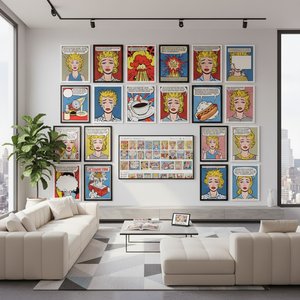
Roy Lichtenstein : Les 25 Œuvres Maîtresses du Roi de la Pop Art | OriginalUniqueArt
Plongez dans l'univers vibrant de Roy Lichtenstein ! Découvrez les 25 œuvres emblématiques du Pop Art américain, de 'Look Mickey' à 'Whaam!'. Retrouvez l'histoire et la technique derrière chaque chef-d'œuvre. Reproductions d'art de qualité musée sur OriginalUniqueArt.com.