Aperçu en situation
 Partager
 Partager
 Détails
 Guide imprimable

 Télécharger
 Articles similaires
 Radiographie
 Voir le diaporama
 Statistiques
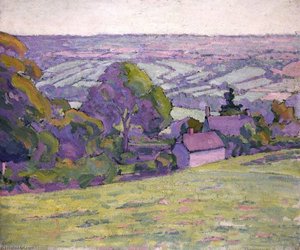
Devonshire Valley, No. 2
 Oil On Canvas
- WallArt
- Camden Town Group
 1913
1913- Modern
 48.0 x 58.0 cm
 Afficher la suite
Giclées et impressions d'art
Impressions giclées ou sur toile de qualité musée, avec une production rapide et des finitions au choix. ( Acheter la peinture faite à la main Passer au format image numérique)




P118B €10

P118H €10

P118W €10

P438Z €10

P508JH €12

P508YH €12

P805H €10

P805Z €10

P919BZ €10

P919G €10

P919XJ €10

P959ZH €10

P968JZ €12

W106C €8

W218G €10

W218JH €8

W218Y €10

W307PJ €10

W316G €10

W316PJ €8

W316Y €10

W398PJ €8

W4111J €10

W500HY €15

W500JH €15

W692G €12

W849H €8

W940BG €15

W953PJ €8




Choisissez parmi nos formats prédéfinis qui respectent les proportions originales de l’œuvre.

Vous pouvez saisir vos propres dimensions pour vous adapter à un cadre ou à un espace spécifique. Si la taille sélectionnée ne correspond pas aux proportions de l'image originale, nous recadrerons l'œuvre ou étendrons l'image avec une bordure en miroir ou une couleur unie. Une maquette numérique vous sera envoyée pour approbation avant le début de la production.
Veuillez noter que l'aperçu à l'écran ne reflète pas le recadrage ou l'extension réelle. Seule la maquette montrera avec précision la composition finale.
Bien que des tailles personnalisées soient disponibles, nous vous recommandons de choisir une dimension dans la liste prédéfinie afin de préserver les proportions originales.
Livraison dans le monde entier () en 2 semaines au lieu des 4/5 semaines habituelles. (13 octobre)

Livraison express gratuite dans le monde entier

Toile de lin de haute qualité

Assurance transport complète

Garantie de remboursement des droits de douane

Garantie de fidélité des couleurs

Garantie de retour de 100 jours (uniquement en cas de défaut)

Garantie de remboursement à 100%

Tarifs dégressifs sur quantité
 L'option verre n'est disponible que pour les dimensions inférieures à 110 cm.

Devonshire Valley, No. 2
Giclées et impressions d'art
Format de la reproduction
-


Prix total final
€ 69
A Window into the English Pastoral: The Soul of Devonshire Valley
In the quietude of 1913, just before the world was irrevocably altered by the shadows of the Great War, Robert Polhill Bevan captured a moment of profound serenity in Devonshire Valley, No. 2. This exquisite oil on canvas serves as more than a mere landscape; it is an evocative portal into a lost era of English tranquility. The painting presents a sweeping, panoramic vista of a verdant valley, where rolling hills meet a sky painted in soft, atmospheric tones. At the heart of this pastoral dream lies a small stone cottage, its pink-hued roof nestled intimately among a cluster of dark, expressive trees. As the eye wanders through the composition, one encounters the gentle rhythm of the countryside—a church steeple rising subtly above the rooftops and the distant silhouette of a windmill, standing as a silent sentinel of rural industry and tradition.
The emotional resonance of the piece lies in its ability to balance solitude with a sense of warmth. While the vastness of the valley might suggest a lonely expanse, the presence of human habitation—the houses adorned with red roofs and the inviting glow of the cottage—infuses the scene with a comforting vitality. There is a palpable sense of peace, an invitation to pause and breathe in the stillness of the meadows. For the collector or the interior designer, this artwork offers a sanctuary of calm, making it an ideal centerpiece for spaces designed for reflection, relaxation, and the celebration of natural beauty.
Mastery of Color and the Modernist Touch
Technically, Devonshire Valley, No. 2 is a masterclass in the application of color and texture, reflecting Bevan’s pivotal role within the Camden Town Group. Moving away from the strictures of traditional representational art, Bevan embraced a more modernist, almost Fauvist approach to the landscape. The palette is strikingly bold; deep purelish blues and vibrant greens interweave to create an atmospheric depth that feels both tactile and dreamlike. The artist utilizes a heavy impasto technique, particularly in the foliage and the cottage walls, where thick, visible brushstrokes catch the light and lend a sculptural quality to the canvas.
This emphasis on texture and color over precise line work allows the landscape to breathe with an organic energy. The lighting appears diffused, as if filtered through a soft English mist, which softens the edges of the world and blends the distant hills into the pale sky. This technique creates a flattened perspective that is characteristic of plein air painting, drawing the viewer not just to look at the scene, but to feel the very atmosphere of the valley. The interplay between the intense, saturated hues and the more muted, atmospheric tones ensures that the painting remains visually dynamic from every angle.
A Legacy of Innovation and Timeless Appeal
To understand this work is to understand a turning point in British art history. As a pioneer of modernism, Bevan’s ability to synthesize the light-filled traditions of Impressionism with the bold, simplified forms of the early 20th century makes this piece a significant historical document. It captures the essence of a landscape untouched by the ravages of industrial upheaval or war, preserving a nostalgic vision of the English countryside that continues to captivate contemporary audiences.
For those seeking to adorn their homes with art that possesses both historical weight and aesthetic grace, a high-quality reproduction of this masterpiece offers an unparalleled opportunity. Whether placed in a sunlit library or a sophisticated modern living space, Devonshire Valley, No. 2 brings with it a sense of enduring elegance and a profound connection to the beauty of the natural world. It is an investment in atmosphere, a piece that does not merely decorate a wall but enriches the very spirit of a room.
Questions et réponses
Qui a créé « Devonshire Valley, No. 2 » et dans quel style s'inscrit cette œuvre ?
Derrière « Devonshire Valley, No. 2 » se trouvent Robert Bevan et le mouvement Camden Town Group.
Puis-je voir «Devonshire Valley, No. 2» de Robert Bevan sur mon propre mur avant de l'acheter ?
La page Aperçu RA de «Devonshire Valley, No. 2» de Robert Bevan utilise la réalité augmentée pour visualiser l'œuvre dans votre propre espace, à partir d'un appareil compatible.
Quel est le format et les dimensions de « Devonshire Valley, No. 2 » ?
«Devonshire Valley, No. 2» de Robert Bevan est une composition en Landscape mesurant 48 x 58 cm dans l'original.
Puis-je voir une vue aux rayons X de «Devonshire Valley, No. 2» de Robert Bevan ?
La page Rayons X de «Devonshire Valley, No. 2» de Robert Bevan est un visionneur interactif qui vous permet de parcourir onze couches optiques de l'image de l'œuvre, incluant une vue de style radiographie.
Quelle est la technique et les dimensions de l'original de «Devonshire Valley, No. 2» de Robert Bevan ?
«Devonshire Valley, No. 2» a été réalisé en Oil On Canvas et mesure 48 x 58 cm dans sa forme originale.
À quelle période de la carrière de Robert Bevan se situe « Devonshire Valley, No. 2 » ?
« Devonshire Valley, No. 2 » représente la période Mature Period de Robert Bevan.
Quelle harmonie de couleurs «Devonshire Valley, No. 2» de Robert Bevan présente-t-il ?
L'harmonie colorée de « Devonshire Valley, No. 2 » est décrite comme étant Discordant Palette.
Comment "Devonshire Valley, No. 2" équilibre-t-il l'ombre et la lumière ?
Les valeurs enregistrées pour «Devonshire Valley, No. 2» de Robert Bevan sont : une luminosité de brilliant, une luminance de Bright Balance.
Biographie de l'artiste
Premières années et formation artistique
- Né : Hove, Royaume-Uni (1865)
- Décédé : 1925
- Origines familiales : Robert Polhill Bevan est né dans une famille quaker ayant des liens avec la banque. Ses parents étaient Richard Alexander Bevan et Laura Maria Polhill.
- Première éducation : Il a étudié à l'école d'art de Westminster sous la direction de Fred Brown. Plus tard, il a fréquenté l'Académie Julian à Paris où il a rencontré des artistes influents tels que Paul Sérusier, Pierre Bonnard, Édouard Vuillard et Maurice Denis.
- Influence de Bretagne : Ses premiers voyages en Bretagne (1890 et 1891) ont considérablement influencé son développement artistique, notamment grâce à l'exposition au style de Pont-Aven.
Développement artistique et influences
- Style précoce : Le travail précoce de Bevan montrait des influences du synthétisme, évident dans ses dessins et gravures réalisés pendant son séjour en Bretagne.
- Fauvisme : Vers 1904, Bevan a expérimenté avec la couleur pure, démontrant une approche proto-fauve qui précédait de nombreux artistes britanniques à l'époque. Sa peinture "Courtyard" est considérée comme un exemple précoce de ce style.
- Divisionnisme/Pointillisme : Par la suite, il a adopté une technique divisionniste ou pointilliste, comme on le voit dans des œuvres telles que "Ploughing on the Downs" et "The Turn-Rice Plough."
- Influences clés : Les influences significatives comprenaient Paul Gauguin (évident dans son utilisation de la couleur) et les maîtres plus anciens tels que Velázquez et Goya. Il a également reconnu les conseils de Renoir pour dessiner des chevaux.
Appartenance à des groupes artistiques
- Groupe de Camden Town : Bevan était un membre fondateur du Groupe de Camden Town, un collectif d'artistes qui cherchait à dépeindre la vie urbaine moderne.
- London Group : Il a également appartenu au London Group, une autre organisation artistique progressiste.
- Groupe Cumberland Market : Démontrant davantage son engagement envers les mouvements artistiques contemporains, Bevan faisait partie du Groupe Cumberland Market.
- Association avec Walter Sickert : En 1908, il a rejoint le groupe de Fitzroy Street de Walter Sickert, où il a reçu des encouragements à se concentrer sur des sujets quotidiens.
- Allied Artists' Association : Il a participé à la première exposition de l'Association des artistes alliés en 1908, qui a fourni une plateforme aux artistes progressistes et lui a présenté Wassily Kandinsky.
Œuvres majeures et thèmes
- Paysages : Bevan est surtout connu pour ses paysages du Sussex et de la Bretagne, dépeignant souvent des scènes rurales avec des couleurs vibrantes et un travail pictural expressif. Des exemples incluent "In the Downs near Lewes", "The Chestnut Tree" et "Landscape in the Blackdown Hills, Devon".
- Portraits : Il a créé des portraits, dont une représentation notable de sa femme, Stanislawa Bevan (née de Karłowska).
- Scènes urbaines : Son travail comprenait également des représentations de la vie urbaine, telles que des peintures documentant le déclin du commerce des calèches ("The Cab Horse").
- Peintures notables : Parmi les autres œuvres importantes figurent "Queen's Grove, St John's Wood", "The Farmhouse" et “Rosemary la vallée”.
Héritage et signification historique
- Pionnier de l'art britannique moderne : Robert Polhill Bevan est reconnu comme un pionnier de l'art britannique moderne, en particulier pour son adoption précoce des principes fauves.
- Influence sur l'utilisation de la couleur : Il a été parmi les premiers artistes britanniques à utiliser la couleur pure d'une manière significative, influençant ainsi les générations futures de peintres.
- Contribution au Groupe de Camden Town : Sa participation au Groupe de Camden Town a contribué à façonner le développement de l'art moderne en Grande-Bretagne.
- Exposition rétrospective : Une exposition rétrospective à Colnaghi's en 1961 a mis en évidence ses contributions et a consolidé sa place dans l'histoire de l'art.

Robert Bevan
1865 - 1925 , Royaume-Uni
En bref
- Artistes Influents:
- Paul Gauguin
- Renoir
- Velázquez
- Goya
- Date De Décès: 1925
- Date De Naissance: 1865
- Lieu De Naissance: Hove, Royaume-Uni
- Mouvement Artistique:
- Groupe Camden Town
- Fauvisme
- Pointillisme
- Nationalité: Britannique
- Nom Complet: Robert Polhill Bevan
- Oeuvres Notables:
- Rosemary la vallée
- Paysage dans les Blackdown Hills
- Stanislawa Bevan, née de Karlowska
- Dans les collines près de Lewes
- Le Châtaignier
- Queen's Grove, St John’s Wood
- La Ferme
- L’Arbre à noix
Articles similaires
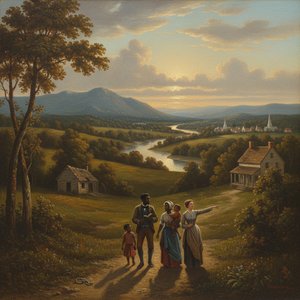
Robert Seldon Duncanson: Landscape, Abolitionism & Shaping American Identity
Discover Robert Seldon Duncanson, the first internationally acclaimed African American landscape artist. Explore his connection to the Hudson River School, abolitionism, and enduring legacy through serene vistas & powerful symbolism.
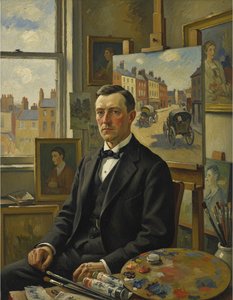
Robert Bevan: Pioneering British Post-Impressionism & the Camden Town Group's Intimate Vision
Explore the life & work of Robert Bevan, a pioneer of British Post-Impressionism and founding member of the Camden Town Group. Discover his vibrant landscapes and lasting impact on early 20th-century art.

Hubert Robert: Picturing Ruins, Preserving Memory – A Study of Romantic Antiquarianism & Artistic Innovation
Explore the captivating world of Hubert Robert, master of Romantic landscape painting & 'capriccio' ruins. Discover his historical context, artistic innovations, and collecting insights with OriginalUniqueArt.
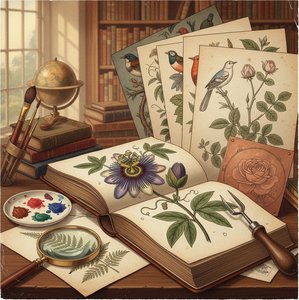
Robert Havell Sr.: Botanical Precision & the Rise of Colour Plate Publishing
Explore the life & work of Robert Havell Sr., a pioneer of botanical illustration and key collaborator with Audubon. Discover his stunning aquatint engravings, artistic techniques, and lasting impact on 19th-century art.

David Roberts: A Scottish Pioneer of Topographical Art & Orientalist Vision
Explore the captivating world of David Roberts, a pioneering Scottish painter renowned for his detailed Orientalist scenes & stunning Egyptian landscapes. Discover his legacy and find museum-quality reproductions at OriginalUniqueArt.