 Aperçu en situation
 Envoyer
 Partager
 Détails de l'œuvre
 Guide
Guide

 Télécharger l'image
 Articles similaires
 Radiographie
 Diaporama
 Questions et réponses
 Statistiques
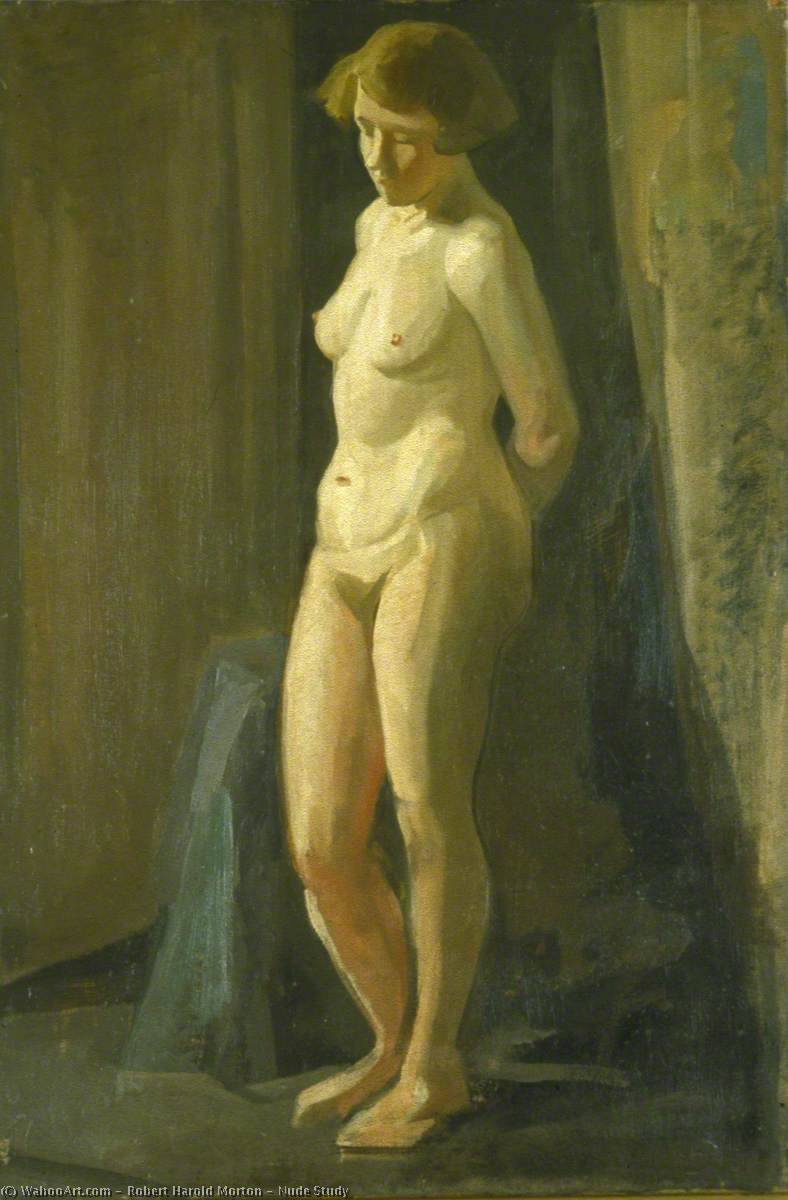
Nude Study

- 92.0 x 61.0 cm


 Lire la suite
L’œuvre d'art présentée sur cette page est protégée par le droit d'auteur, ce qui signifie que nous ne pouvons légalement créer ou vendre de reproduction identique. Cette protection est appliquée en vertu d'accords internationaux tels que la Convention de Berne et par les lois nationales, notamment celles énoncées par le Loi américaine sur le droit d'auteur - Titre 17.
Cette méthode est pleinement conforme aux réglementations sur le droit d'auteur car elle ne repose pas sur la copie ou la duplication de l'œuvre protégée. Il s'agit plutôt d'une réinterprétation créative — une nouvelle peinture qui s'inspire de l'original sans pour autant lui être identique.
Giclées et impressions d'art
Impressions giclées ou sur toile de qualité musée, avec une production rapide et des finitions au choix. ( Commander la reproduction peinte à la main Passer au format numérique)




































Choisissez parmi nos formats prédéfinis qui respectent les proportions originales de l’œuvre.

Saisissez la largeur et la hauteur souhaitées pour qu'elles s'adaptent à votre cadre ou à votre mur. Une impression peut être recadrée, mais jamais agrandie au-delà de l'image originale ; ainsi, un format de forme différente entraînera la perte d'une partie de l'image. Nous vous envoyons une maquette numérique pour approbation avant toute impression. L'image présentée sur cette page ne montre pas le recadrage réel — seule la maquette le permet.
Livraison dans le monde entier () en 2 semaines au lieu des 4/5 semaines habituelles. (20 novembre)

Livraison express gratuite dans le monde entier

Toile de lin de qualité supérieure

Assurance transport complète

Garantie de remboursement des droits de douane

Garantie de fidélité des couleurs

Politique de retour de 100 jours (uniquement en cas de défaut)

Garantie de remboursement à 100%

Offre de tarifs dégressifs
 L'option verre n'est disponible que pour les dimensions inférieures à 110 cm.

Nude Study
Giclées et impressions d'art
Format de la reproduction
-


Prix total
€ 72
Biographie de l'artiste
L'Héritage Lumineux de Robert Harold Morton
Dans la lueur ambrée et douce d'un après-midi méditerranéen, on peut presque sentir les coups de pinceau de Robert Harold Morton danser sur la toile. Impressionniste américain dont l'âme semblait inextricablement liée aux rythmes côtiers de l'Europe, Morton possédait une capacité rare à traduire les qualités éphémères de la lumière en une poésie visuelle durable. Né en 1879 dans l'enclave pittoresque de Cassis, en France, ses origines mêmes étaient imprégnées de l'air salin et des paysages baignés de soleil qui allaient devenir les signatures de son œuvre célébrée. Sa vie et son travail représentent un dialogue profond entre l'artiste et le monde naturel, une quête de toute une vie pour capturer ces moments fugaces où l'atmosphère et la terre convergent en une harmonie parfaite.
Le parcours artistique de Morton fut façonné par les grandes traditions des chefs-d'œuvre européens. Durant ses années de formation, il voyagea abondamment à travers les cœurs culturels de l'Italie et de la France, s'immergeant dans les techniques révolutionnaires du mouvement impressionniste. L'influence de luminaires tels que Claude Monet et Auguste Renoir est palpable dans son dévouement à la peinture en plein air. Plutôt que de se retirer dans les confins stériles d'un atelier, Morton cherchait la vérité de la nature directement sous le ciel ouvert. Il devint un observateur méticuleux des subtiles variations de la lumière — la façon dont le soleil de midi peut blanchir les falaises de granit de Cassis, ou comment l'heure du crépuscule projette de longues ombres violettes sur un port tranquille. Sa technique était un équilibre magistral entre réalisme et fluidité impressionniste ; si son rendu des textures, comme la pierre rugueuse ou l'eau miroitante, faisait preuve d'une sensibilité remarquable, il ne laissait jamais le détail précis éclipser la résonance émotionnelle globale de la couleur et du ton.
Une Symphonie de Mer et de Rivage
Le cœur du répertoire de Morton réside dans ses paysages et ses marines évocateurs, particulièrement ceux centrés sur sa chère patrie méditerranéenne. Ses toiles servent de fenêtres sur un monde de sérénité profonde, où le pouls rythmique de la mer dicte la composition. Dans des œuvres telles que Harbour Scene ou ses depictions de Portofino, le spectateur est invité à témoigner de la majesté tranquille de la vie maritime. Il possédait un talent particulier pour dépeindre l'immobilité des eaux calmes, utilisant de délicates gradations d'azur et de turquoise pour refléter l'immensité du ciel. Ces scènes maritimes sont souvent ponctuées par des motifs récurrents qui confèrent un sens de grâce narrative : la silhouette d'un cyprès montant la garde sur l'horizon, ou le mouvement doux et déterminé de voiliers glissant à travers les vagues.
Au-delà des vastes panoramas, l'art de Morton s'étendait vers des domaines plus intimes, notamment ses célèbres études de nus. Dans ces œuvres, il appliquait la même révérence pour la lumière et la forme qui définissait ses paysages, traitant la figure humaine comme un autre élément du paysage naturel, soumis à la même illumination douce et à la même profondeur atmosphérique. Cette dualité dans son travail — la capacité de passer de l'échelle grandiose d'une vue côtière à l'intimité délicate d'un portrait — démontre une maîtrise polyvalente de l'idiome impressionniste. Ses peintures ne se contentent pas de documenter un lieu ou une figure ; elles capturent une impression, un souvenir sensoriel de chaleur, de lumière et de paix.
Importance Historique et Beauté Éternelle
Alors que le monde de l'art traversait divers bouleversements modernistes au début du XXe siècle, Morton est resté fidèle à son engagement envers la beauté du monde naturel. Son œuvre témoigne du pouvoir durable de l'impressionnisme à évoquer l'émotion à travers la couleur et la lumière. Tandis que les mouvements ultérieurs cherchaient à déconstruire entièrement la forme, le dévouement de Morton à capturer l'essence du paysage méditerranéen a apporté un sentiment de continuité et d'intemporalité. Il a atteint un niveau de sophistication technique qui lui a permis de rendre les textures accidentées de la côte française avec une telle précision que son travail demeure aussi vibrant aujourd'hui qu'au moment où il fut appliqué pour la première fois sur la toile.
L'importance historique de Robert Harold Morton réside dans son rôle de pont entre la sensibilité américaine et la lumière européenne. Il a apporté une perspective unique à la tradition impressionniste américaine, l'infusant du caractère lumineux et spécifique de la Côte d'Azur. Aujourd'hui, son héritage perdure à travers la puissance tranquille de ses peintures, qui continuent d'offérer réconfort et émerveillement à ceux qui cherchent la beauté dans le jeu de l'ombre et du soleil. L'œuvre de sa vie demeure une célébration profonde de la terre, de la mer et de la danse éternelle de la lumière.

Robert Harold Morton
France
L'essentiel de l'artiste
- Artistic Movement Or Style: Impressionnisme
- Full Name: Robert Harold Morton
- Nationality: Américaine
- Notable Artworks:
- Harbour Scene
- Paysage près de Cassis
Articles connexes

Les 25 chefs-d'œuvre incontournables de l'Albertina à Vienne
Explorez les 25 chefs-d'œuvre de l'Albertina, de Klimt à Dürer. Trouvez des reproductions d'exception sur OriginalUniqueArt.com.

Anatomy, Idealism, and Realism: A History of the Female Nude in Painting
Explore the technical evolution of the female nude from Renaissance anatomy to Impressionist light. Trace art history with our expert guide.

The Persistence of Form: Tracing the Tradition of the Nude in Fine Art
Explore the profound distinction between the nude and naked through art history. Trace the evolution of classical form with us.

Les 25 chefs-d'œuvre incontournables de l'Albertina à Vienne
Explorez les 25 chefs-d'œuvre de l'Albertina à Vienne : de Klimt à Dürer. Plongez dans l'histoire de ces trésors et trouvez l'inspiration pour votre décoration avec nos reproductions d'art de qualité musée. Découvrez tous les chefs-d'œuvre sur OriginalUniqueArt.com.

The Evolving Human Form: Tracing Light and Flesh from Impressionism to Post-Impressionism
Explore the evolution of the human form from academic realism to Post-Impressionism. Trace the history of light and flesh with us.