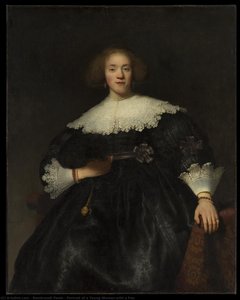
Aperçu en situation
 Partager
 Partager
 Détails
 Guide imprimable

 Télécharger
 Articles similaires
 Radiographie
 Voir le diaporama
 Statistiques
Self-portrait


 Afficher la suite
Giclées et impressions d'art
Impressions giclées ou sur toile de qualité musée, avec une production rapide et des finitions au choix. ( Acheter la peinture faite à la main Passer au format image numérique)




P118B €10

P118H €10

P118W €10

P438Z €10

P508JH €12

P508YH €12

P805H €10

P805Z €10

P919BZ €10

P919G €10

P919XJ €10

P959ZH €10

P968JZ €12

W106C €8

W218G €10

W218JH €8

W218Y €10

W307PJ €10

W316G €10

W316PJ €8

W316Y €10

W398PJ €8

W4111J €10

W500HY €15

W500JH €15

W692G €12

W849H €8

W940BG €15

W953PJ €8




Choisissez parmi nos formats prédéfinis qui respectent les proportions originales de l’œuvre.

Saisissez la largeur et la hauteur souhaitées pour qu'elles s'adaptent à votre cadre ou à votre mur. Une impression ne peut être que découpée, elle ne peut jamais être agrandie au-delà de l'image originale ; ainsi, un format de forme différente entraînera la perte d'une partie de l'image. Nous vous envoyons une maquette numérique pour approbation avant toute impression. L'image présentée sur cette page ne montre pas le recadrage réel — seule la maquette le permet.
Livraison dans le monde entier () en 2 semaines au lieu des 4/5 semaines habituelles. (22 octobre)

Livraison express gratuite dans le monde entier

Toile de lin de haute qualité

Assurance transport complète

Garantie de remboursement des droits de douane

Garantie de fidélité des couleurs

Garantie de retour de 100 jours (uniquement en cas de défaut)

Garantie de remboursement à 100%

Tarifs dégressifs sur quantité
 L'option verre n'est disponible que pour les dimensions inférieures à 110 cm.

Self-portrait
Giclées et impressions d'art
Format de la reproduction
-


Prix total final
€ 70
A Window into the Soul: Rembrandt Peale’s “Self-Portrait”
Rembrandt Peale's "Self-Portrait," executed in 1629, is more than just a likeness; it’s a profound meditation on identity, ambition, and the burgeoning spirit of early America. Created during a period of immense artistic ferment – mirroring the European masters while simultaneously forging a distinctly American style – this etching offers a remarkably intimate glimpse into the mind of a man poised to become a pivotal figure in the nation's cultural landscape. The portrait itself is deceptively simple: a young Peale, dressed in dark attire and adorned with a stylish hat, gazes directly at the viewer with an expression that balances quiet contemplation and determined resolve.
The technical mastery on display is immediately striking. Peale’s skill as an engraver is evident in the meticulous rendering of textures – from the smooth fabric of his coat to the intricate details of his hair. He employs a sophisticated range of hatching and cross-hatching, techniques borrowed from Northern European masters like Rembrandt himself, to create subtle gradations of tone and volume. These lines aren’t merely decorative; they are carefully orchestrated to define form, suggest shadow, and imbue the portrait with a remarkable sense of depth and realism. The stark contrast between light and dark – a hallmark of his style – draws attention to key features, particularly the eyes, which seem to hold both intelligence and vulnerability.
The Legacy of Charles Willson Peale
Understanding “Self-Portrait” requires acknowledging its context within the life and career of Charles Willson Peale. As a painter, museum founder, and ardent naturalist, Peale was deeply invested in promoting art and science to the American public. His ambition wasn’t simply to create beautiful images; he sought to educate, inspire, and foster a sense of national pride through artistic representation. Rembrandt Peale, his son, inherited this legacy, absorbing his father's passion for portraiture and his belief in art’s power to shape society. The young Rembrandt clearly aimed to emulate his father’s success, establishing himself as a leading portraitist within the rapidly evolving American art scene.
The portrait itself can be seen as a deliberate statement of intent – a visual declaration of Peale's artistic aspirations and his commitment to upholding a tradition of excellence. It reflects not only his personal ambitions but also the broader cultural values of the time, where self-representation was increasingly valued as a means of asserting one’s identity and status.
Symbolism and the Portraiture of Identity
While the portrait appears straightforward, it's rich with subtle symbolic elements. The hat, fashionable for the period, suggests sophistication and social standing. The dark clothing, often associated with seriousness and introspection, reinforces the sense of thoughtful contemplation. However, the most compelling aspect is Peale’s gaze – direct and unwavering – which invites a connection between the artist and the viewer. This directness was considered crucial in portraiture; it demanded engagement and fostered a feeling of intimacy.
Furthermore, the oval border framing the image—a common device in portraits of this era—creates a sense of formality and timelessness. It elevates the subject to an almost iconic status, suggesting that Peale intended his self-portrait to be more than just a likeness; it was meant to embody a particular ideal of masculinity and artistic achievement.
A Timeless Masterpiece – Reimagined
Today, “Self-Portrait” stands as a testament to the remarkable talent of Rembrandt Peale and a vital document in the history of American art. Its enduring appeal lies not only in its technical brilliance but also in its profound exploration of human identity. If you’re seeking a piece that embodies both artistic skill and emotional resonance, consider commissioning a high-quality reproduction from OriginalUniqueArt.com. These meticulously crafted reproductions capture the essence of Peale's original work, allowing you to bring this timeless masterpiece into your home or office – a window into the soul of an artist and a pivotal moment in American history.
Questions et réponses
Puis-je prévisualiser «Self-portrait» de Rembrandt Peale avant de commander ?
Pour prévisualiser une reproduction de «Self-portrait» de Rembrandt Peale, ouvrez la page Aperçu de l'œuvre.
Quels sujets apparaissent dans «Self-portrait» de Rembrandt Peale ?
«Self-portrait» de Rembrandt Peale représente : portrait, self-portrait, etching, black & white, realism, dutch art, rembrandt peale, 18th century.
Quelle est l'identité chromatique de «Self-portrait» de Rembrandt Peale ?
« Self-portrait » se définit par une palette Neutrals dominée par le Espresso (#46443e).
Biographie de l'artiste
Premières années et formation
Rembrandt Peale, un artiste et conservateur de musée américain, est né le 22 février 1778 dans le comté de Bucks, en Pennsylvanie. Il était le troisième de six enfants survivants de sa mère, Rachel Brewer, et de son père, Charles Willson Peale, un artiste renommé. Le nom de Rembrandt a été inspiré du peintre et graveur néerlandais du XVIIe siècle, Rembrandt Harmenszoon van Rijn. Son père a enseigné à tous ses enfants à peindre des paysages et des portraits, et a formé Rembrandt aux arts et aux sciences.Carrière artistique
Rembrandt Peale a été influencé par le néoclassicisme français après un séjour à Paris au début de la trentaine. Il a commencé à dessiner à l'âge de 8 ans et a terminé son premier autoportrait à 13 ans, ce qui témoigne de sa maîtrise précoce. La carrière prolifique de Peale comprenait plus de 70 répliques détaillées, notamment des portraits des présidents George Washington et Thomas Jefferson.- Œuvres notables :
- George Washington (type sablier) (1795), actuellement à la Galerie nationale des portraits (Londres, Royaume-Uni), [https://OriginalUniqueArt.com/@@/d44spg-rembrandt-peale-george-washington-(porthole-type)](peinture de 'rembrandt peale' | rembrandt peale : george washington (type sablier))
- Homme avec une barbe (sans date), [https://OriginalUniqueArt.com/@@/d329cc-rembrandt-peale-man-with-a-beard](peinture de 'rembrandt peale' | rembrandt peale : homme avec une barbe)
- Portrait du révérend John Pierpont (1785-1866), [https://OriginalUniqueArt.com/@@/d4nqk5-rembrandt-peale-portrait-of-the-rev-john-pierpont-(1785-1866)](peinture de 'rembrandt peale' | rembrandt peale : portrait du révérend john pierpont (1785-1866))
Musée et héritage
Peale a lancé son premier musée à Baltimore, dans le Maryland, le 15 août 1814, qui a ensuite servi de deuxième hôtel de ville de Baltimore et a finalement été restauré en tant que musée Peale. Son héritage continue d'être célébré grâce à ses nombreux portraits, qui font désormais partie de diverses collections muséales, notamment la Galerie nationale des portraits (Washington, États-Unis), [https://OriginalUniqueArt.com/@/rembrandt-peale](artiste : rembrandt peale | 243 œuvres).Conclusion
La carrière prolifique de Rembrandt Peale en tant qu'artiste américain et conservateur de musée a eu un impact durable sur le monde de l'art. Ses nombreux portraits, dont ceux de George Washington et Thomas Jefferson, continuent d'être célébrés pour leur importance historique et leur valeur artistique.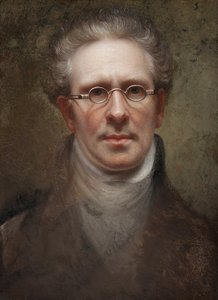
Rembrandt Peale
1778 - 1860 , États-Unis d'Amérique
En bref
- Artistes Influents:
- Charles Willson Peale
- Benjamin West
- Gilbert Stuart
- Date De Décès: 3 octobre 1860
- Date De Naissance: 22 février 1778
- Lieu De Naissance: Comté de Bucks, États-Unis
- Mouvement Artistique: Néo-classicisme
- Nationalité: Américaine
- Nom Complet: Rembrandt Peale
- Oeuvres Notables:
- George Washington (type hublot)
- Homme avec une barbe
- Portrait du révérend John Pierpont
Articles connexes

Rembrandt van Rijn : Les 25 Œuvres Maîtresses à Redécouvrir | OriginalUniqueArt
Plongez dans l'univers de Rembrandt van Rijn avec les 25 œuvres incontournables du maître baroque. Découvrez l'histoire, la technique et l'émotion derrière ses portraits célèbres et 'La Ronde de Nuit'. Reproductions tableaux haute qualité sur OriginalUniqueArt.com

L'Eau-Forte : Histoire d'une Technique Gravée dans le Temps et l'Art
Explorez l'histoire fascinante de l'eau-forte : technique, maîtres, et qualités esthétiques uniques. Découvrez ce procédé gravé dans le temps avec OriginalUniqueArt.

Les 10 Chefs-d'œuvre Noirs : Peintures Célèbres et Décoration d'Intérieur
Plongez dans l'univers fascinant des 10 plus beaux tableaux noirs de l'histoire de l'art. Découvrez les secrets de Goya, Manet, Rothko et autres maîtres. Inspirez votre décoration intérieure avec !
Les 10 plus grandes gravures : Chefs-d'œuvre qui ont révolutionné l'art | OriginalUniqueArt
Plongez dans l'univers fascinant des 10 plus grandes gravures de l'histoire ! Découvrez les chefs-d'œuvre de Rembrandt, Goya et Dürer. Inspirez votre décoration intérieure avec OriginalUniqueArt : reproductions d'art de qualité muséale en ligne. Explorez la collection sur OriginalUniqueArt.com

L'Intricate Monde de la Gravure à l'Eau-Forte : Histoire, Techniques et Impact Artistique Durable
Explorez l'histoire fascinante de la gravure à l'eau-forte : techniques ancestrales, grands maîtres et impact artistique durable. Découvrez les secrets de cet art raffiné avec OriginalUniqueArt.