Aperçu en situation
 Partager
 Partager
 Détails
 Guide imprimable

 Télécharger
 Articles similaires
 Radiographie
 Voir le diaporama
 Statistiques
Hanuman
 Acrylic On Canvas
- WallArt
- Tanjore School Painting
 1870
1870- 19th Century
 La Fondation Héritage de Raja Ravi Varma
 Afficher la suite
Giclées et impressions d'art
Impressions giclées ou sur toile de qualité musée, avec une production rapide et des finitions au choix. ( Acheter la peinture faite à la main Passer au format image numérique)




P118B €10

P118H €10

P118W €10

P438Z €10

P508JH €12

P508YH €12

P805H €10

P805Z €10

P919BZ €10

P919G €10

P919XJ €10

P959ZH €10

P968JZ €12

W106C €8

W218G €10

W218JH €8

W218Y €10

W307PJ €10

W316G €10

W316PJ €8

W316Y €10

W398PJ €8

W4111J €10

W500HY €15

W500JH €15

W692G €12

W849H €8

W940BG €15

W953PJ €8




Choisissez parmi nos formats prédéfinis qui respectent les proportions originales de l’œuvre.

Saisissez la largeur et la hauteur souhaitées pour qu'elles s'adaptent à votre cadre ou à votre mur. Une impression ne peut être que découpée, elle ne peut jamais être agrandie au-delà de l'image originale ; ainsi, un format de forme différente entraînera la perte d'une partie de l'image. Nous vous envoyons une maquette numérique pour approbation avant toute impression. L'image présentée sur cette page ne montre pas le recadrage réel — seule la maquette le permet.
Livraison dans le monde entier () en 2 semaines au lieu des 4/5 semaines habituelles. (24 octobre)

Livraison express gratuite dans le monde entier

Toile de lin de haute qualité

Assurance transport complète

Garantie de remboursement des droits de douane

Garantie de fidélité des couleurs

Garantie de retour de 100 jours (uniquement en cas de défaut)

Garantie de remboursement à 100%

Tarifs dégressifs sur quantité
 L'option verre n'est disponible que pour les dimensions inférieures à 110 cm.

Hanuman
Giclées et impressions d'art
Format de la reproduction
-


Prix total final
€ 70
A Divine Discourse: The Early Mastery of Raja Ravi Varma
In the quiet, focused atmosphere of 1870, a young Raja Ravi Varma captured a moment of profound spiritual instruction that would resonate through the annals of Indian art history. His painting, Hanuman—often referred to as Hanuman’s Discourse—serves as a breathtaking window into a transitional period of his creative evolution. At this stage in his career, the artist was still deeply enamored with the Tanjore style, a vibrant and ornate school of painting he encountered during his time at the Travancore court. This influence is palpably present in the meticulous detail of the characters' attire, particularly in the parabolic-shaped crowns that adorn the divine figures. These regal ornaments, reminiscent of the heavy gold work found in Tanjore traditions, lend a sense of sacred weight and majesty to the composition, signaling the artist's ability to marry regional decorative splendor with an emerging realism.
The painting presents a tightly structured narrative within a small frame, where every figure plays a vital role in the unfolding drama. At the heart of the scene sits Rama, occupying the central position as the source of wisdom. His posture is one of calm authority, his hands performing the teaching mudra, a symbolic gesture that directs the viewer's eye to the instructional flow of the moment. Beside him, the characters are gathered in an intimate circle of learning. As Hanuman reads intently from ancient palm leaves, the tension between the physical act of reading and the spiritual act of receiving knowledge becomes palpable. The artist’s burgeoning maturity is evident in the way he renders the faces; there is a delicate balance of beauty and profound expression that breathes life into these mythological icons, transforming them from mere deities into relatable, emotive beings.
A Fusion of Traditions and Techniques
For the discerning collector or interior designer, this work represents more than just a religious depiction; it is a masterclass in the fusion of European academic techniques and traditional Indian iconography. Ravi Varma was a pioneer who bridged the gap between the East and the West, utilizing the subtle shading and anatomical precision learned from Western masters to enhance the storytelling of the Puranas. In Hanuman, one can observe how light and shadow are used to create depth within the small frame, giving the figures a sculptural presence that feels almost tangible. The repetition of intricate jewels and ornate patterns across the characters creates a rhythmic visual harmony, a technique that would later become a hallmark of his more famous works, such as Sita Bhumipravesh.
The emotional impact of the piece lies in its sense of togetherness and sacred stillness. The composition draws the observer into a private moment of devotion and intellect. For those looking to adorn a space with art that evokes both cultural heritage and sophisticated elegance, a high-quality reproduction of this masterpiece offers an unparalleled opportunity. It brings into a modern interior a sense of historical continuity and a profound peace. Whether placed in a curated gallery setting or as a focal point in a luxurious living space, the painting serves as a testament to the power of art to preserve the sacred narratives of the past while maintaining a timeless, aesthetic allure that transcends generations.
Questions et réponses
Où puis-je acheter une image numérique de «Hanuman» de Raja Ravi Varma ?
Une image numérique de «Hanuman» de Raja Ravi Varma peut être achetée sur sa page Image numérique : un téléchargement d'image numérique haute résolution.
Quelle palette et quel sentiment "Hanuman" associe-t-il ?
«Hanuman» de Raja Ravi Varma associe une palette Dark à un ton Reflective.
Que représente «Hanuman» de Raja Ravi Varma ?
Les sujets de « Hanuman » sont hanuman, ravi varma, indian mythology, tanjore style, rama, palm leaves, court painting.
Biographie de l'artiste
Premières années et contexte familial
Raja Ravi Varma, un peintre indien célébré, est né le 29 avril 1848 à Kilimanoor, au Kerala, en Inde. Il était étroitement lié à la famille royale de Travancore et a plus tard adopté deux de ses petites-filles dans cette même famille royale.Carrière artistique
La carrière artistique de Varma se caractérise par son mélange unique des techniques européennes avec une sensibilité purement indienne. Ses œuvres sont considérées comme parmi les meilleurs exemples de cette fusion, faisant de lui l'un des plus grands peintres de l'histoire de l'art indien. Employant les dernières techniques artistiques académiques européennes, Varma a continué la tradition et l'esthétique de l'art indien.- Notamment pour avoir rendu ses peintures abordables grâce à des lithographies, ce qui a accru sa portée et son influence en tant que peintre et figure publique.
- Ses représentations des divinités hindoues et des épisodes des épopées et des Puranas ont reçu une acceptation profonde du public, souvent considérées comme des objets de culte à travers l'Inde.
Vie personnelle et liens royaux
Varma a épousé Bhageerthi Bayi, membre de la maison royale de Mavelikkara, en 1866. Cette connexion étroite avec la famille royale a conduit ses enfants à être considérés comme de la noblesse par naissance. Deux des filles de Varma ont ensuite été adoptées par la famille royale de Travancore, et leurs descendants constituent l'actuelle famille royale.Influences et développement artistique
Varma a reçu son enseignement initial du peintre de la cour, Rama Swami Naidu, puis de Theodor Jenson, un peintre britannique venu à Travancore en 1868 sur invitation du maharajah. Jenson lui a enseigné la peinture à l'huile. Varma était fasciné par la puissance et l'expression de la peinture occidentale. Il a voyagé dans toute l'Inde à la recherche de sujets pour ses peintures, représentant souvent les déesses hindoues sous les traits de femmes du sud de l'Inde, correspondant à son idéal de beauté.Œuvres majeures et héritage
L’héritage artistique de Varma est profond, son œuvre influençant l'art indien pendant plusieurs décennies. Son style unique, alliant des techniques européennes à une sensibilité indienne, en a fait un pionnier dans l'histoire de l'art indien. Œuvres importantes :- Mahaprabha Amma, l’une des peintures les plus célèbres de Varma, mettant en scène sa fille.
- Uma Amma, nommée d'après la mère de Varma, présentant son mélange de techniques européennes et indiennes.
Signification historique
Varma est reconnu pour avoir popularisé l’art indien en le rendant accessible à un public plus large grâce aux lithographies abordables. Son travail a contribué à la renaissance artistique du Bengale au début du XXe siècle, bien que certains artistes aient critiqué son style « occidentalisant ». Il est décédé de diabète le 2 octobre 1906 dans le palais de Kilimanoor. Certaines de ses œuvres sont exposées à la Sree Chithra Art Gallery du musée Napier à Thiruvananthapuram. Un film, *Rang Rasiya*, sorti en 2008 et réalisé par Ketan Mehta, lui est dédié.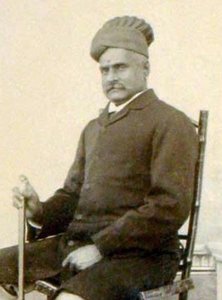
Raja Ravi Varma
1848 - 1906 , Inde
En bref
- Artistes Influents:
- Theodor Jenson
- Rama Swami Naidu
- Date De Décès: 2 octobre 1906
- Date De Naissance: 29 avril 1848
- Influences Artistiques:
- Abanindranath Tagore
- Nandalal Bose
- Lieu De Naissance: Kilimanoor, Inde
- Nationalité: Indienne
- Nom Complet: Raja Ravi Varma
- Style Artistique: Académique indien
- Œuvres Notables:
- Mahaprabha Amma
- Uma Amma
Articles connexes
Echoes of Olympus: Mythological Narratives in Western Art Through the Ages
Explore the captivating history of mythological narratives in Western art! From ancient Greece to modern masterpieces, discover iconic artworks & symbolism. Expert analysis and high-quality reproductions at OriginalUniqueArt.

Raja Ravi Varma: Bridging Tradition & Modernity in 19th-Century Indian Art
Explore the life & art of Raja Ravi Varma, a pioneer who fused European techniques with Indian iconography. Discover his iconic paintings, lasting legacy, and influence on modern Indian art at OriginalUniqueArt.
Timeless Legends: A Curated Guide to the Eternal Allure of Mythological Masterpieces
Embark on a sophisticated journey through the eternal allure of mythological art. Discover how master painters breathe life into ancient legends, from Greek deities to Baroque masterpieces, and learn to curate these timeless narratives within your own exquisite art collection.

Timeless Legends: The Eternal Allure of Mythological Figures in Masterpiece Art
Explore the profound beauty of mythological figures through the lens of art history. From Renaissance masterpieces to custom oil reproductions, discover how legendary tales of heroism and divinity are immortalized in fine art for discerning collectors.
Mythes Personnels en Peinture : Transformer les Expériences Intimes en Œuvres Symboliques Durables
Explorez comment transformer vos expériences intimes en œuvres d'art symboliques durables. Conseils d'experts, inspiration et techniques pour une expression créative authentique. Découvrez l'art comme thérapie et héritage émotionnel.