
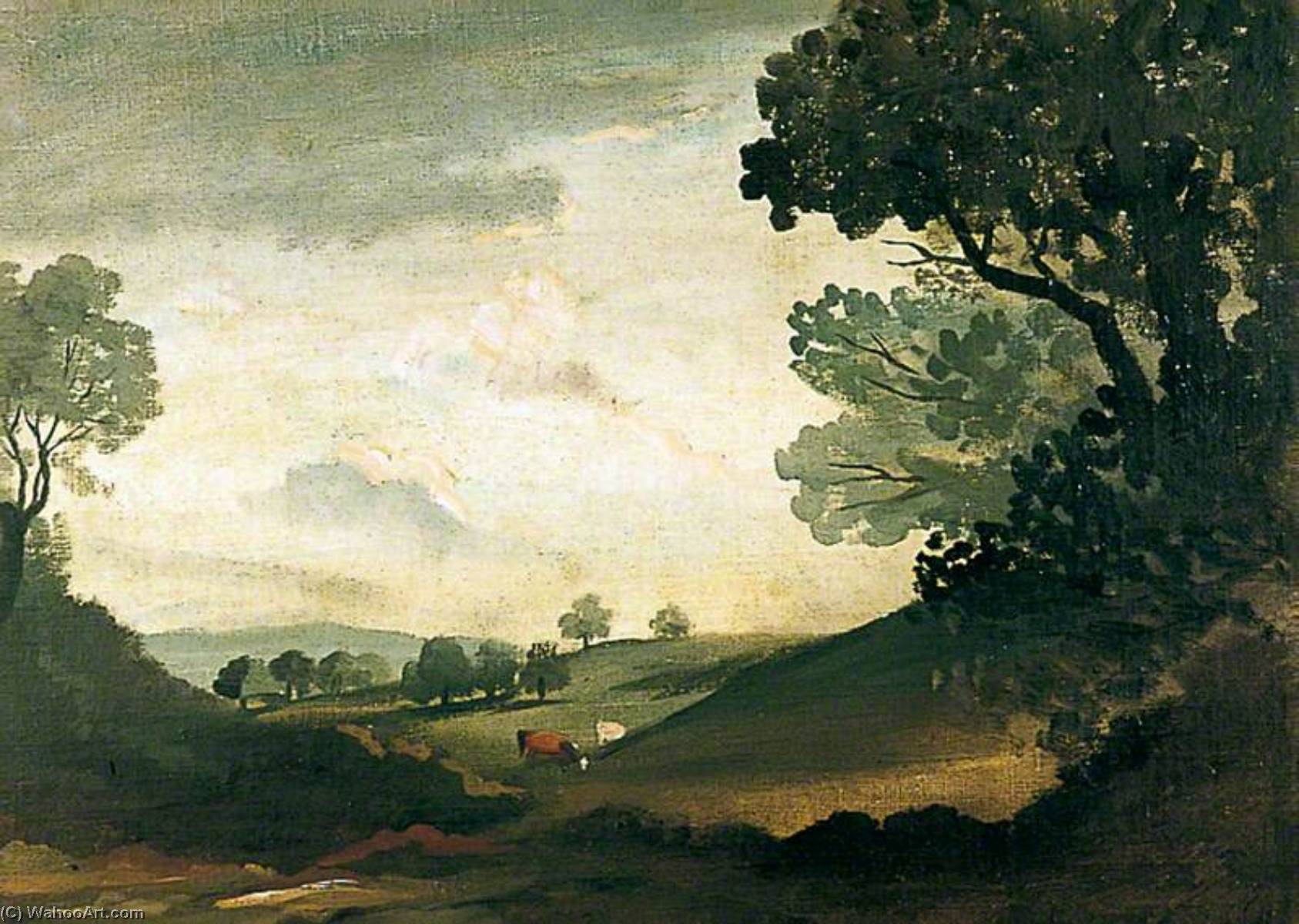
 Aperçu en situation
 Partager
 Partager
 Détails
 Guide imprimable

 Télécharger
 Articles similaires
 Radiographie
 Voir le diaporama
 Statistiques
Sussex View
 44.0 x 62.0 cm
 Horsham Museum - Art Gallery
 Afficher la suite
Reproduction à l'huile faite à la main
Huile sur toile peinte à la main, avec cadre et dimensions personnalisés, réalisée sur commande par nos artistes. ( Passer au format impression Passer au format image numérique)




































Choisissez parmi nos formats prédéfinis qui respectent les proportions originales de l’œuvre.

Vous pouvez saisir vos propres dimensions pour l'adapter à un cadre ou à un espace spécifique. Si la taille sélectionnée ne correspond pas aux proportions de l'image d'origine, nous recadrerons l'œuvre ou prolongerons la peinture avec des éléments peints à la main supplémentaires. Une maquette numérique vous sera envoyée pour approbation avant le début de la production.
Veuillez noter que l'aperçu à l'écran ne reflète pas le recadrage ou l'extension réels. Seule la maquette montrera fidèlement la composition finale.
Bien que des tailles personnalisées soient disponibles, nous vous recommandons de sélectionner une dimension dans la liste prédéfinie afin de préserver les proportions d'origine.
Après la commande, l’équipe OriginalUniqueArt.com contactera le client par e-mail pour recueillir ses instructions et lui fournira une maquette d’aperçu
Livraison dans le monde entier () en 3 à 4 semaines au lieu des 5 semaines habituelles. (25 septembre). Aucun compromis sur la qualité.

Livraison express gratuite dans le monde entier

Toile de lin de haute qualité

Assurance transport complète

Garantie de remboursement des droits de douane

Garantie de fidélité des couleurs

Garantie de retour de 100 jours (uniquement en cas de défaut)

Garantie de remboursement à 100%

Tarifs dégressifs sur quantité
 L'option verre n'est disponible que pour les dimensions inférieures à 110 cm.

Sussex View
Technique de reproduction
Format de la reproduction
-


Prix total final
$ 300
Biographie de l'artiste
The Serene Vision of Philip Hugh Padwick
In the quiet, rolling landscapes of the English countryside, few artists captured the ephemeral magic of the light and atmosphere as tenderly as Philip Hugh Padwick. Born in Dublin in 1876, this Irish-born painter eventually found his true artistic home in the heart of West Sussex. His journey from a formal education at St Hugh's College, Oxford, to becoming a celebrated figure in the British art scene is a testament to a life dedicated to the pursuit of pastoral beauty. Padwick did not merely paint landscapes; he composed visual poems that celebrated the tranquil rhythms of rural life during the late Victorian and Edwardary eras.
Padwick’s artistic evolution was deeply shaped by the principles of Impressionism, drawing inspiration from the masters of light such as Claude Monet and Pierre-Auguste Renoir. Rather than pursuing a rigid or photographic realism, he embraced a more fluid and emotive approach. His technique relied on loose, confident brushstrokes that allowed the viewer to feel the movement of wind through trees or the shimmering reflection of a riverbank. By utilizing delicate glazing techniques, he built up layers of color that imbued his canvases with an almost ethereal luminosity, making the landscapes of Arundel and the Sussex Weald appear to glow from within.
A Palette of English Tranquility
The essence of Padwick’s work lies in his masterful command of a muted yet evocative palette. He favored the soft, natural hues of the British countryside—deep mossy greens, hazy blues, and earthy browns—which allowed him to capture the subtle shifts in seasonal light. His paintings often evoke a profound sense of solitude and peace, inviting the observer into a world where time seems to slow down. Whether depicting a lonely cottage or a bustling coastal harbor, his work maintains a consistent atmosphere of romanticism and calm.
<- Technique and Texture: Through the use of soft colors and delicate brushwork, Padwick achieved a sense of atmospheric depth that transformed simple scenes into immersive experiences.
- Subject Matter: His focus remained steadfastly on the pastoral, with notable works such as "Village by a River (Arundel, Sussex)" and "A Sussex Cottage"* showcasing his ability to find grandeur in the humble.
- Light and Shadow: He possessed a unique talent for capturing fleeting moments, using light to define form and create a sense of movement across the landscape.
Legacy and Artistic Recognition
Throughout his distinguished career, Padwick earned significant acclaim within the prestigious circles of the British art world. As a member of the Royal Society of British Artists (RBA), he enjoyed widespread exposure, exhibiting his works at legendary venues including the Royal Academy of Arts in London, the Fine Art Society, and the New English Art Club. His reach extended beyond London, with his paintings finding homes in galleries across the United Kingdom, from the Walker Art Gallery in Liverpool to the Royal Scottish Academy in Edinburgh.
The historical significance of Philip Hugh Padwick lies in his ability to preserve the vanishing charm of the pre-industrial English landscape. Even as the world underwent rapid change, his canvases remained sanctuaries of stillness. Today, his work continues to resonate with collectors and art enthusiasts who seek the emotional resonance of the Romantic tradition. His legacy is not found merely in museums, but in the enduring, quiet beauty he bestowed upon the Sussex countryside, ensuring that the light of Arundel will forever shine through his masterful strokes.

philip hugh padwick
1876 - 1958
En bref
- Artistic Movement Or Style: Impressionism
- Artists Or Movements Influenced By This Artist: ['British Impressionism']
- Artists Who Influenced This Artist:
- Claude Monet
- Vincent van Gogh
- Date Of Birth: 1876
- Date Of Death: 1958
- Full Name: Philip Hugh Padwick
- Nationality: Irish
- Notable Artworks:
- Harbour Scene
- Scene in Yorkshire
- Place Of Birth: Dublin, Ireland