Aperçu en situation
 Partager
 Partager
 Détails

 Télécharger
 Articles similaires
 Radiographie
 Voir le diaporama
 Statistiques
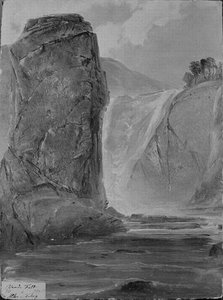
SARPS FOSSEN (CHUTE D'EAU)


 Afficher la suite
Giclées et impressions d'art
Impressions giclées ou sur toile de qualité musée, avec une production rapide et des finitions au choix. ( Acheter la peinture faite à la main Passer au format image numérique)




P118B $10

P118H $10

P118W $10

P438Z $10

P508JH $12

P508YH $12

P805H $10

P805Z $10

P919BZ $10

P919G $10

P919XJ $10

P959ZH $10

P968JZ $12

W106C $8

W218G $10

W218JH $8

W218Y $10

W307PJ $10

W316G $10

W316PJ $8

W316Y $10

W398PJ $8

W4111J $10

W500HY $15

W500JH $15

W692G $12

W849H $8

W940BG $15

W953PJ $8




Choisissez parmi nos formats prédéfinis qui respectent les proportions originales de l’œuvre.

Vous pouvez saisir vos propres dimensions pour vous adapter à un cadre ou à un espace spécifique. Si la taille sélectionnée ne correspond pas aux proportions de l'image originale, nous recadrerons l'œuvre ou étendrons l'image avec une bordure en miroir ou une couleur unie. Une maquette numérique vous sera envoyée pour approbation avant le début de la production.
Veuillez noter que l'aperçu à l'écran ne reflète pas le recadrage ou l'extension réelle. Seule la maquette montrera avec précision la composition finale.
Bien que des tailles personnalisées soient disponibles, nous vous recommandons de choisir une dimension dans la liste prédéfinie afin de préserver les proportions originales.
Livraison dans le monde entier () en 2 semaines au lieu des 4/5 semaines habituelles. (16 septembre)

Livraison express gratuite dans le monde entier

Toile de lin de haute qualité

Assurance transport complète

Garantie de remboursement des droits de douane

Garantie de fidélité des couleurs

Garantie de retour de 100 jours (uniquement en cas de défaut)

Garantie de remboursement à 100%

Tarifs dégressifs sur quantité
 L'option verre n'est disponible que pour les dimensions inférieures à 110 cm.

SARPS FOSSEN (CHUTE D'EAU)
Giclées et impressions d'art
Format de la reproduction
-


Prix total final
$ 80
A Symphony of Light and Landscape: Unveiling Peder Balkes "Sarps Fossen"
Peder Balke’s “Sarps Fossen (Chute d’Eau)” isn't merely a depiction of a waterfall; it’s an immersive experience, a carefully constructed meditation on the sublime power and quiet beauty of the Norwegian wilderness. Painted around 1860, this oil-on-canvas masterpiece transports the viewer to the heart of Telemark, capturing not just the physical form of Sarps Fossen but also the very spirit of Romanticism – a movement that sought to elevate nature as a source of spiritual and emotional resonance. The painting’s enduring appeal lies in its ability to evoke a profound sense of awe and tranquility simultaneously, inviting contemplation on humanity's place within the vastness of the natural world.
Balke, born into a farming family in rural Norway, possessed an innate sensitivity to the landscape that would define his artistic career. His early life amidst the rugged beauty of Hedmark instilled a deep connection to nature, a connection he translated onto canvas with remarkable skill and emotional depth. He wasn’t interested in precise realism; instead, he prioritized conveying the *feeling* of being present within this dramatic scene – the cool mist rising from the churning water, the echoing roar of the cascade, the diffused light filtering through the clouds.
Composition and Color: A Masterclass in Atmospheric Perspective
The composition of “Sarps Fossen” is meticulously balanced, employing a classic horizontal format that emphasizes the breadth of the landscape. The eye is immediately drawn to the mid-ground – the powerful waterfall itself – its white foam contrasting dramatically against the dark, textured cliffs that frame it. Foreground elements, including the shadowy shoreline and the small boat navigating the river, provide a sense of scale and human presence within this immense natural setting. Crucially, Balke utilizes atmospheric perspective with exquisite precision; distant elements are rendered in paler, less distinct tones, creating an illusion of depth and drawing the viewer’s gaze into the receding horizon.
The color palette is dominated by muted earth tones – browns, ochres, and yellows – reflecting the weathered stone and moss-covered terrain. Subtle blues and grays are woven throughout the sky and water, adding a touch of coolness and contrast to the warmer hues below. This restrained use of color contributes significantly to the painting’s overall sense of tranquility and age, suggesting that this landscape has witnessed centuries of change yet retains an enduring beauty.
Technique and Emotional Resonance: The Language of Romanticism
Balke's technique is characterized by loose, expressive brushstrokes – a hallmark of the Romantic style. He avoids overly detailed rendering, opting instead to capture the *essence* of the scene through broad washes of color and gestural marks. The texture of the rocks is suggested with visible impasto, while the water surface is rendered with smoother strokes that convey movement and fluidity. This deliberate lack of precision allows the viewer’s imagination to fill in the details, fostering a deeper connection with the artwork.
More than just a landscape painting, “Sarps Fossen” embodies the Romantic ideal of nature as a source of spiritual inspiration. The sheer scale of the waterfall evokes a sense of awe and humility, reminding us of our smallness in the face of nature’s power. The inclusion of the lone boat suggests humanity's tentative relationship with this untamed wilderness – an invitation to both admire and respect its grandeur. It is a painting that speaks to the heart, evoking feelings of peace, wonder, and perhaps even a touch of melancholy.
Historical Context and Legacy
Painted during a period of significant artistic and social change in Norway, “Sarps Fossen” reflects Balke’s own evolving artistic vision. He was deeply influenced by the Romantic movement, which emphasized emotion, imagination, and the beauty of nature. His work also aligns with the broader Norwegian tradition of landscape painting, which sought to capture the unique character of the country's diverse terrain. Today, “Sarps Fossen” is recognized as a seminal work in Norwegian art history, celebrated for its technical mastery, emotional depth, and enduring appeal.
Biographie de l'artiste
Peder Balke : Un Visionnaire Romantique Norvégien
- Né: Hegøy, Norvège (1804)
- Décédé: 1887
Jeunesse et Formation Artistique
- Peder Andersen Balke est né sur l’île de Helgøya dans le comté de Hedmark en Norvège. Il a grandi à Ringsaker.
- Sa famille était paysanne, mais il a reçu le soutien de la communauté locale pour poursuivre ses ambitions artistiques. Les agriculteurs de Toten ont payé ses études.
- Il a commencé sa formation comme apprenti auprès de Heinrich August Grosch en 1827 et a également étudié sous Jacob Munch.
- De 1829 à 1833, il était élève de Carl Johan Fahlcrantz à l’Académie Royale des Beaux-Arts de Suède à Stockholm.
- Il a ensuite étudié avec Johan Christian Dahl de 1843 à 1844.
Style Artistique et Œuvres Principales
- Peinture de Paysage Romantique : Balke est surtout connu pour ses représentations dramatiques du paysage norvégien, caractérisées par une sensibilité romantique. Ses œuvres présentent souvent un éclairage intense, des effets atmosphériques et un sentiment de grandeur sublime.
- Travail du Pinceau Unique : Il a développé un style distinctif avec des coups de pinceau texturés et une utilisation inhabituelle de la couleur, créant une qualité onirique dans ses peintures.
- Œuvres Notables : Parmi ses œuvres les plus célébrées figurent :
- Vue de Christiania (aujourd'hui Oslo) (1872) - Une vue urbaine dramatique capturant l’essence d’Oslo.
- Le Port de Skjervøy (1846) – Présente une scène portuaire captivante avec des détails réalistes.
- Vieux Arbres (1840) – Représente un paysage hivernal norvégien austère avec un éclairage puissant.
- Marine (1845) - Une marine dramatique mettant en valeur la beauté accidentée de la côte norvégienne.
- Fredrikshald (1852) – Présente un château côtier et des bateaux, démontrant sa maîtrise du réalisme.
- Le Cap Nord sous le clair de lune (1848) - Capture la beauté impressionnante du Cap Nord sous la lumière de la lune.
Activisme Social et Vie Ultérieure
- Défenseur de la Justice Sociale : Balke était non seulement un artiste, mais aussi un réformateur social engagé. Il s’est activement impliqué dans les questions de justice sociale.
- Projet Balkeby : Il a dirigé la construction de Balkeby, une nouvelle banlieue d'Oslo conçue pour améliorer les conditions de vie des travailleurs. Il fournissait des prêts et établissait des règles de construction strictes.
- Plaidoyer pour les Artistes : Balke a plaidé en faveur de subventions pour les artistes et de pensions tant pour les hommes que pour les femmes.
- Héritage Familial : Il était l'arrière-grand-père de l'actrice Turid Balke et l'arrière-arrière-grand-père du pianiste de jazz Jon Balke.
Signification Historique et Reconnaissance
- Redécouverte et Appréciation : Bien qu’initialement négligé, le travail de Balke a connu une résurgence significative de la reconnaissance au cours des dernières décennies.
- Expositions Internationales : De grandes expositions de son œuvre ont été présentées dans des institutions prestigieuses telles que la National Gallery de Londres (2014-2015) et le Metropolitan Museum of Art (2017).
- Influence sur l'Art Nordique : Le style unique et la vision de Balke ont contribué de manière significative au développement de l’art romantique en Norvège et dans la région nordique. Ses peintures sont désormais considérées comme des exemples importants de l’art norvégien du XIXe siècle, célébrées pour leurs paysages dramatiques et leur profondeur émotionnelle.
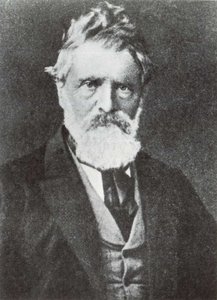
Peder Balke
1804 - 1887 , Norvège
En bref
- Artistes Influents:
- Heinrich August Grosch
- Jens Funch
- Carl Johan Fahlcrantz
- Johan Christian Dahl
- Date De Décès: 5 février 1887
- Date De Naissance: 4 novembre 1804
- Lieu De Naissance: Hegøy, Norvège
- Mouvement Artistique: Romantisme
- Nationalité: Norvégien
- Nom Complet: Peder Balke
- Oeuvres Notables:
- Vue de Christiania (Oslo)
- Le port de Skjervøy
- Vieux arbres
- Marine
- Fredrikshald
- Cap Nord au clair de lune
Articles similaires

Johan Christian Dahl: Pioneering Norwegian Romantic Landscape Painting
Explore the life & art of Johan Christian Dahl, Norway's first great Romantic painter. Discover his iconic landscapes, cultural impact, and lasting legacy with OriginalUniqueArt.

Évocations de lieux : Un voyage historique à travers l'art du paysage
Explorez l'histoire fascinante de la peinture de paysage à travers les chefs-d'œuvre du Romantisme. Découvrez Friedrich, Turner et Aivazovski et laissez-vous inspirer par la beauté sauvage et le sublime. Reproduction d'art de qualité chez OriginalUniqueArt.
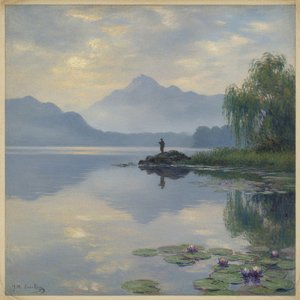
Capturing Stillness: A Curated Exploration of the Most Iconic Lake Landscapes in Art History
Journey through art history's most serene lake landscapes. From Romantic vistas to light-drenched Impressionist waters, discover the stories behind these iconic masterpieces and find museum-quality, hand-painted oil reproductions for your private collection.

Les 10 Chefs-d'œuvre du Paysage Romantique : Artistes et Décor d'Intérieur
Plongez dans l'émotion du Romantisme avec les 10 plus beaux paysages de Friedrich, Turner & Delacroix. Découvrez leur histoire et trouvez l'inspiration déco idéale sur OriginalUniqueArt.com !

Constable : Les 25 Chefs-d'Œuvre du Maître Anglais | OriginalUniqueArt
Plongez dans l'univers de John Constable avec les 25 œuvres incontournables du maître anglais. Découvrez l'histoire, la technique et l'émotion derrière ses paysages romantiques. Reproductions de qualité muséale sur OriginalUniqueArt.com.