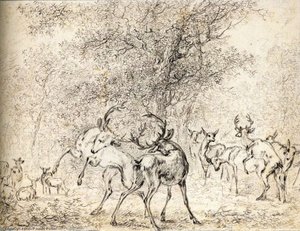
Aperçu en situation
 Envoyer
 Partager
 Détails de l'œuvre
 Guide
Guide

 Télécharger l'image
 Articles similaires
 Radiographie
 Diaporama
 Statistiques
Herdsmen with Their Cattle
 Oil On Canvas
- WallArt
- Dutch Golden Age
 1648
1648 38.0 x 43.0 cm
 Wallace Collection
 Lire la suite
Reproduction à l'huile faite à la main
Huile sur toile peinte à la main, avec cadre et dimensions personnalisés, réalisée sur commande par nos artistes. ( Passer au format impression Passer au format numérique)




P118B €10

P118H €10

P118W €10

P438Z €10

P508JH €12

P508YH €12

P805H €10

P805Z €10

P919BZ €10

P919G €10

P919XJ €10

P959ZH €10

P968JZ €12

W106C €8

W218G €10

W218JH €8

W218Y €10

W307PJ €10

W316G €10

W316PJ €8

W316Y €10

W398PJ €8

W4111J €10

W500HY €15

W500JH €15

W692G €12

W849H €8

W940BG €15

W953PJ €8




Choisissez parmi nos formats prédéfinis qui respectent les proportions originales de l’œuvre.

Saisissez la largeur et la hauteur souhaitées, pour s'adapter à votre cadre ou à votre mur. Cette œuvre est peinte à la main ; ainsi, pour un format de forme différente, l'artiste peut peindre un peu plus autour du tableau ou réduire légèrement les bords — c'est vous qui choisissez. Nous vous envoyons une maquette numérique pour approbation avant que la peinture ne commence. L'image présentée sur cette page ne reflète pas le résultat réel — seule la maquette le fait.
Après la commande, l’équipe OriginalUniqueArt.com contactera le client par e-mail pour recueillir ses instructions et lui fournira une maquette d’aperçu
Livraison dans le monde entier () en 3 à 4 semaines au lieu des 5 semaines habituelles. (25 octobre). Aucun compromis sur la qualité.

Livraison express gratuite dans le monde entier

Toile de lin de qualité supérieure

Assurance transport complète

Garantie de remboursement des droits de douane

Garantie de fidélité des couleurs

Politique de retour de 100 jours (uniquement en cas de défaut)

Garantie de remboursement à 100%

Offre de tarifs dégressifs
 L'option verre n'est disponible que pour les dimensions inférieures à 110 cm.

Herdsmen with Their Cattle
Technique de reproduction
Format de la reproduction
-


Prix total
€ 263
A Pastoral Vision: Paulus Potter’s “Herdsmen with Their Cattle”
Paulus Potter's "Herdsmen with Their Cattle," painted in 1648, isn’t merely a depiction of livestock; it’s a profound meditation on the relationship between humanity and nature – a cornerstone of the Dutch Golden Age’s artistic sensibility. Born into a family already steeped in artistic tradition—his father, Pieter Symonsz Potter, was a celebrated master of gilded leather hangings—Paulus inherited a deep appreciation for capturing the essence of the natural world, a trait that would tragically define his short but impactful career. The painting immediately draws the eye with its remarkably low vantage point, placing the viewer seemingly within the scene, amongst the cows and their watchful herder. This unconventional perspective, rarely employed by his contemporaries, was revolutionary – it wasn’t about grand landscapes or heroic figures; instead, Potter sought to immerse us in the quiet dignity of rural life.The Art of Observation: Technique and Style
Potter's skill lay not in idealized beauty but in meticulous observation and a remarkable ability to render texture and form with astonishing accuracy. The cows themselves are rendered with an almost photographic realism – each ripple of muscle, the sheen of their coats, the subtle variations in color are painstakingly detailed. Notice how Potter captures the way light plays across their bodies, creating a sense of volume and depth. This commitment to detail extends beyond the animals; the rolling hills, the scattered trees, even the worn leather of the herder’s clothing are rendered with equal care. The painting's palette is muted – earthy browns, greens, and greys—reflecting the somber tones of a winter landscape. This restrained color scheme enhances the sense of realism and contributes to the overall feeling of quiet contemplation. Potter’s use of oil paint allowed him to build up layers of translucent glazes, creating a luminous quality that is particularly evident in the rendering of the cattle's hides.A Dutch Masterpiece: Context and Symbolism
“Herdsmen with Their Cattle” emerged during a period of significant social and economic change in the Netherlands – the rise of commerce and trade was transforming rural life, yet there remained a deep connection to the land and its traditions. Potter’s work reflects this duality. The painting isn't celebratory; it doesn’t depict a prosperous harvest or a triumphant return from the fields. Instead, it presents a humble scene of everyday labor, suggesting a quiet acceptance of nature’s rhythms. The herder himself is depicted as a solitary figure, almost merging with the landscape – he’s not a master of his domain but rather a participant in its ongoing cycle. The inclusion of the dog, a loyal companion to both man and beast, further reinforces this theme of harmonious coexistence. Interestingly, Potter's decision to depict a hilly background, an unusual choice for him, adds depth and complexity to the composition, creating a sense of stage wings that frames the scene.Emotional Resonance: A Moment of Serenity
Beyond its technical brilliance and historical context, “Herdsmen with Their Cattle” possesses a remarkable emotional resonance. The painting evokes a feeling of tranquility and connection to the natural world – a welcome antidote to the bustling energy of urban life. There’s a sense of timelessness about the scene, as if it could have been painted centuries ago or will continue to be depicted for centuries to come. It's a reminder that beauty can be found in the simplest of things—the quiet dignity of rural labor, the companionship of animals, and the enduring power of nature. Reproductions of this masterpiece offer a chance to bring this serene vision into any space, fostering a sense of calm and connection with the natural world.Questions et réponses
Quel est le format de « Herdsmen with Their Cattle » ?
L'œuvre « Herdsmen with Their Cattle » est au format Landscape. Cette information est utile pour prévoir l'emplacement de sa reproduction.
Quelle est la luminance de «Herdsmen with Their Cattle» de Paulus Potter ?
«Herdsmen with Their Cattle» de Paulus Potter présente une luminance de Gentle Luminance. La luminance décrit la quantité de lumière que les couleurs semblent réfléchir.
Existe-t-il un guide pour «Herdsmen with Their Cattle» de Paulus Potter ?
Le guide de « Herdsmen with Their Cattle » est la page Fiche pédagogique de l'œuvre — une fiche informative imprimable présentant l'œuvre accompagnée de sa légende, de sa mention de crédit et de son tableau d'identification (artiste, dates, technique, dimensions originales, collection).
Biographie de l'artiste
Premières années de vie et origines familiales
- Naissance et baptême : Paulus Potter est né à Enkhuizen, aux Pays-Bas, le 20 novembre 1625 et a été baptisé le même jour.
- Famille d'artistes : Il était issu d'une famille ayant des inclinations artistiques. Son père, Pieter Symonsz Potter, était un peintre spécialisé dans les tentures en cuir doré et les scènes de genre. Sa mère, Aaltje Paulusdr Bartsius, était apparentée au peintre Willem Bartsius.
- Déménagement à Amsterdam : La famille a déménagé à Leyde en 1628 puis à Amsterdam en 1631, où Paulus a commencé sa formation artistique sous la direction de son père.
- Premières études : Bien qu'il ait été principalement enseigné par son père, certaines sources suggèrent des études potentielles avec Claes Moeyaert à Amsterdam.
Développement artistique et carrière
- Adhésion à la guilde : Potter est devenu membre de la Guilde Saint-Luc à Delft.
- Déménagement à La Haye : En 1649, il avait déménagé à La Haye, s'installant près du peintre paysagiste Jan van Goyen.
- Mariage et relations sociales : En juillet 1650, Potter a épousé Adriana van Balckeneynde. Son beau-père, un entrepreneur en bâtiment éminent, l'a présenté à des membres influents de la société néerlandaise, dont Amalia de Solms-Braunfels.
- Retour à Amsterdam : En mai 1652, il est retourné à Amsterdam à l'invitation de Nicolaes Tulp, un médecin et amateur d'art qui lui a commandé un portrait de son fils, Dirck Tulp.
- Mort prématurée : Malheureusement, Paulus Potter est décédé à Amsterdam le 17 janvier 1654, à l'âge de 28 ans, des suites de la tuberculose.
Style et œuvres majeures
- Peintures d'animaux dans les paysages : Potter se spécialisait dans la représentation d'animaux – en particulier le bétail – intégrés dans des paysages vastes. Ses compositions comportaient souvent un point de vue bas, soulignant l'échelle de la nature.
- Le Taureau (vers 1647) : Considérée comme son œuvre la plus célèbre, *Le Taureau*, maintenant conservée au Mauritshuis à La Haye, est célébrée pour sa représentation réaliste d'un animal dans un vaste paysage. Elle a d'abord été accueillie avec quelques critiques mais a ensuite été reconnue comme un exemple précoce du romantisme.
- Autres peintures notables : Ses autres œuvres importantes comprennent *Figures avec des chevaux près d'une étable* (1647), *Punition d'un chasseur* (vers 1647), *Deux cochons dans une porcherie* (1649) et *Lévrier* (vers 1650-1652).
- Gravures : Potter a également produit de nombreuses gravures, représentant souvent du bétail et d'autres animaux.
Influences et importance historique
- Influence de Jan van Goyen : Le temps passé près de Jan van Goyen à La Haye a probablement influencé son style paysager, en particulier l'accent mis sur les effets atmosphériques et la représentation réaliste de la nature.
- Précurseur du romantisme : Potter est reconnu comme un précurseur du mouvement romantique en raison de son lien émotionnel avec la nature et de sa volonté de représenter sa grandeur. *Le Taureau* est devenu un exemple emblématique de cette sensibilité romantique naissante.
- Héritage et reconnaissance : Malgré sa courte vie, Potter a laissé derrière lui environ 100 peintures. Son œuvre a été admirée au XIXe siècle pour son naturalisme et sa profondeur émotionnelle.
- Mémoriaux : Une statue commémorative de Potter a été érigée à Enkhuizen en 1991, le représentant esquissant une chèvre.
Caractéristiques artistiques
- Lignes d'horizon basses : Potter employait fréquemment des lignes d'horizon basses pour créer un sentiment de vastitude et souligner l'échelle du paysage.
- Représentation réaliste des animaux : Il était connu pour son souci méticuleux du détail dans la représentation des animaux, capturant leur anatomie et leur comportement avec une précision remarquable.
- Effets atmosphériques : Ses paysages présentent souvent de subtils effets atmosphériques, tels que la lumière et l'ombre, qui contribuent à l'ambiance générale et au réalisme de la scène.
- Palette de couleurs subtile : Potter utilisait généralement une palette de couleurs discrète dominée par les tons terreux, reflétant les couleurs naturelles de la campagne néerlandaise.

Paulus Potter
1625 - 1654 , Pays-Bas
L'essentiel de l'artiste
- Artistes Influencés Par: ['Albert Klomp']
- Artistes Qui Ont Influencé:
- Pieter Potter
- Jan van Goyen
- Date De Décès: 17 janvier 1654
- Date De Naissance: 20 novembre 1625
- Lieu De Naissance: Enkhuizen, Pays-Bas
- Mouvement Artistique: Romantisme
- Nationalité: Néerlandais
- Nom Complet: Paulus Potter
- Œuvres Notables:
- Le Taureau
- Figures avec chevaux
Articles connexes
Jacob van Ruisdael: Master of Dutch Landscape & the Evocation of National Identity
Explore the life & work of Jacob van Ruisdael, the preeminent Dutch landscape painter. Discover his technical brilliance, symbolic depth, and lasting influence on art history. Learn about collecting Ruisdael's masterpieces.
Charles Leickert: Capturing the Dutch Golden Age Light – A Comprehensive Study of Technique, Context, and Legacy
Explore the captivating winter landscapes of Charles Leickert, a master of Dutch Golden Age light & atmosphere. Discover his techniques, symbolism, and lasting legacy – a comprehensive study for art enthusiasts and collectors.

Constable : Les 25 Chefs-d'Œuvre du Maître Anglais | OriginalUniqueArt
Plongez dans l'univers de John Constable avec les 25 œuvres incontournables du maître anglais. Découvrez l'histoire, la technique et l'émotion derrière ses paysages romantiques. Reproductions de qualité muséale sur OriginalUniqueArt.com.

Jan van Goyen: Master of Dutch Landscape & Atmospheric Perspective
Discover Jan van Goyen, the master of Dutch landscape painting. Explore his subtle technique, atmospheric realism & lasting influence on art history. Learn about this 17th-century pioneer at OriginalUniqueArt.

Golden Light & Dutch Skies: The Timeless Magic of Dutch Golden Age Landscapes
Discover the breathtaking beauty of Dutch Golden Age landscapes. Explore the mastery of light, chiaroscuro, and 17th-century realism through an expert art history lens, celebrating the enduring legacy of the Dutch Masters for discerning collectors and art lovers.