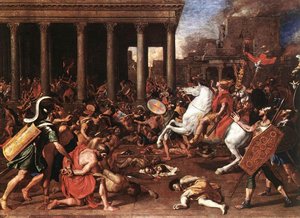
Aperçu en situation
 Partager
 Partager
 Détails

 Télécharger
 Articles similaires
 Radiographie
 Voir le diaporama
 Statistiques
Landscape with a Man Killed by a Snake
 Oil On Canvas
- WallArt
- Baroque Painting
 1648
1648- Early Modern
 119.0 x 198.0 cm
 Afficher la suite
Reproduction à l'huile faite à la main
Huile sur toile peinte à la main, avec cadre et dimensions personnalisés, réalisée sur commande par nos artistes. ( Passer au format impression Passer au format image numérique)




P118B $10

P118H $10

P118W $10

P438Z $10

P508JH $12

P508YH $12

P805H $10

P805Z $10

P919BZ $10

P919G $10

P919XJ $10

P959ZH $10

P968JZ $12

W106C $8

W218G $10

W218JH $8

W218Y $10

W307PJ $10

W316G $10

W316PJ $8

W316Y $10

W398PJ $8

W4111J $10

W500HY $15

W500JH $15

W692G $12

W849H $8

W940BG $15

W953PJ $8




Choisissez parmi nos formats prédéfinis qui respectent les proportions originales de l’œuvre.

Vous pouvez saisir vos propres dimensions pour l'adapter à un cadre ou à un espace spécifique. Si la taille sélectionnée ne correspond pas aux proportions de l'image d'origine, nous recadrerons l'œuvre ou prolongerons la peinture avec des éléments peints à la main supplémentaires. Une maquette numérique vous sera envoyée pour approbation avant le début de la production.
Veuillez noter que l'aperçu à l'écran ne reflète pas le recadrage ou l'extension réels. Seule la maquette montrera fidèlement la composition finale.
Bien que des tailles personnalisées soient disponibles, nous vous recommandons de sélectionner une dimension dans la liste prédéfinie afin de préserver les proportions d'origine.
Après la commande, l’équipe OriginalUniqueArt.com contactera le client par e-mail pour recueillir ses instructions et lui fournira une maquette d’aperçu
Livraison dans le monde entier () en 3 à 4 semaines au lieu des 5 semaines habituelles. (18 septembre). Aucun compromis sur la qualité.

Livraison express gratuite dans le monde entier

Toile de lin de haute qualité

Assurance transport complète

Garantie de remboursement des droits de douane

Garantie de fidélité des couleurs

Garantie de retour de 100 jours (uniquement en cas de défaut)

Garantie de remboursement à 100%

Tarifs dégressifs sur quantité
 L'option verre n'est disponible que pour les dimensions inférieures à 110 cm.

Landscape with a Man Killed by a Snake
Technique de reproduction
Format de la reproduction
-


Prix total final
$ 300
A Fatal Encounter in the Heart of the French Baroque
In the quiet, sun-dappled groves of Nicolas Poussin’s 1648 masterpiece, Landscape with a Man Killed by a Snake, a profound stillness masks a sudden, violent tragedy. At first glance, the viewer is greeted by a pastoral idyll—a serene woodland scene where the light filters through ancient trees and the gentle movement of a distant boat suggests the rhythmic passage of time. Yet, this tranquility is shattered by a singular, harrowing event: a man lies sprawled upon the earth, his life slipping away following the swift, venomous strike of a serpent. This juxtaposition of natural beauty and sudden mortality creates a tension that is both unsettling and deeply captivating, inviting the observer to look beyond the surface of the landscape into the deeper mysteries of human existence.
Poussin, a titan of the French Baroque, does not merely depict a scene; he orchestrates a philosophical meditation. Through his masterful use of chiaroscuro, the artist manipulates light and shadow to sculpt the atmosphere, casting a dramatic spotlight on the central figure’s vulnerability while allowing the surrounding forest to recede into a mysterious, atmospheric depth. The composition is far from accidental; Poussin employs a rigorous pyramidal structure, a hallmark of his classical training, which provides a sense of architectural stability to an otherwise chaotic moment of death. This geometric precision directs the eye upward, subtly connecting the earthly tragedy of the fallen man to the heavens above, where a lone bird drifts through the sky, indifferent to the drama unfolding below.
Symbolism and the Echoes of Antiquity
To understand this work is to engage with the intellectual currents of the 17th century. Commissioned by Cardinal Francesco Maria Pallotti, the painting serves as a complex allegory steeped in religious and classical symbolism. The serpent, an ancient emblem of both temptation and peril, evokes the biblical narrative of the Fall of Man, suggesting that even within the most beautiful landscapes, the seeds of destruction are ever-present. The scattered figures—a woman with her basket, a young boy, and travelers in the distance—act as witnesses to this fleeting moment, representing the continuity of life amidst the inevitability of death. This interplay between the eternal landscape and the ephemeral human life reflects the profound anxieties of an era shaped by religious reformation and a renewed fascination with classical antiquity.
For the discerning collector or interior designer, this painting offers more than just visual splendor; it provides a focal point of immense intellectual and emotional weight. The muted yet rich palette of earth tones, deep greens, and soft ochres allows the piece to integrate seamlessly into sophisticated environments, whether in a grand library or a contemporary gallery space. A high-quality reproduction of this work brings with it the gravity of Poussin’s vision, offering an opportunity to possess a fragment of art history that speaks to the timeless themes of fate, nature, and the delicate balance between peace and peril.
Biographie de l'artiste
jeune vie et formation
nicolas poussin, né en juin 1594, était la quintessence de la peinture baroque française classique. Malgré avoir passé la majeure partie de sa carrière à Rome, il est resté profondément ancré dans les traditions artistiques françaises. Ses premiers jours en tant que peintre étaient enveloppés d'incertitude, mais dès 1612, il avait initié des études formelles à Paris, absorbant les influences d'artistes moins connus avant d'être attiré par Rome en 1624.style artistique et influences
L’esthétique de Poussin, célébrée pour sa composition cohérente et sa priorité accordée à la linéarité, a jeté un précédent qui a influencé des maîtres comme jacques-louis david et paul cézanne bien au 20e siècle. Son style distinct s'est cristallisé à travers des œuvres célèbres comme la mort de Germanicus et sa série emblématique les sept sacrements.œuvres notables et musées
- nicolas poussin: autoportrait1 (baroque, huile), un témoignage de sa maîtrise du médium.
- Bacchanale devant un temple (74 x 101 cm, Legion of Honor, San Francisco, États-Unis, huile sur toile), mettant en valeur sa capacité à équilibrer la composition et le récit.
- le musée des beaux-arts de Carcassonne, une destination incontournable pour les amateurs d'art, abritant une impressionnante collection de peintures occidentales du 17e au 20e siècle.
héritage et impact
L’allégeance de Poussin est restée à Rome, où il s'est finalement concentré sur l'incorporation d'paysages vastes dans son art. Sa maturité en tant qu'artiste est encapsulée dans des œuvres comme Orion aveuglé à la recherche du soleil et les saisons, annonçant une ère de composition rigoureuse imprégnée de la beauté sereine du monde naturel.explorez davantage avec OriginalUniqueArt.com
découvrez les chefs-d'œuvre du musée France et plongez dans le monde de la peinture baroque française avec musée picasso, musée des beaux-arts de Carcassonne et d'autres musées notables. Visitez la page de Nicolas Poussin sur OriginalUniqueArt.com pour explorer davantage de ses œuvres et en apprendre davantage sur le contexte dans lequel elles ont été créées.références

Nicolas Poussin
1594 - 1665 , France
En bref
- Artistes Influents:
- Raphaël
- Titian
- Date De Décès: 1665
- Date De Naissance: Juin 1594
- Influence Sur Les Artistes:
- Jacques-Louis David
- Paul Cézanne
- Lieu De Naissance: Le Havre, France
- Mouvement Artistique: Baroque français classique
- Nationalité: Française
- Nom Complet: Nicolas Poussin
- Oeuvres Notables:
- La Mort de Germanicus
- Les Sept Sacrements
- Un Chemin romain
- Orion aveuglé
- Les Saisons
Articles similaires
Nicolas Poussin : Classicisme, Allégorie et Ordre dans la Peinture Française du XVIIe Siècle
Explorez l'univers de Nicolas Poussin et le classicisme français du XVIIe siècle. Analyse approfondie de son œuvre, des allégories complexes à la maîtrise de la composition. Découvrez l'influence durable de ce maître incontesté.

Les 10 Chefs-d'œuvre du Paysage Romantique : Artistes et Décor d'Intérieur
Plongez dans l'émotion du Romantisme avec les 10 plus beaux paysages de Friedrich, Turner & Delacroix. Découvrez leur histoire et trouvez l'inspiration déco idéale sur OriginalUniqueArt.com !
Baroque Classicism: Reconciling Drama & Order in 17th-Century Art
Explore the captivating world of Baroque Classicism! Discover its history, key artists like Caravaggio & Rubens, and defining characteristics. Expert insights & high-quality reproductions at OriginalUniqueArt.
Epic Drama & Dark Vibes: The Ultimate Collector's Guide to Baroque Landscapes
Master the art of drama with our ultimate guide to Baroque landscapes. Discover the power of chiaroscuro, explore legendary masters, and learn how to curate epic, dark-vibe masterpieces for your collection with expert insights from OriginalUniqueArt.

Baroque Classicism: The Grandeur of Order and Drama in 17th-Century Art History
Explore the profound elegance of Baroque Classicism. Discover how 17th-century masters synthesized dramatic emotion with classical order through the lens of the Counter-Reformation and the works of legends like Carlo Maratta and Andrea Sacchi.