Aperçu en situation
 Envoyer
 Partager
 Détails de l'œuvre
 Guide
Guide

 Télécharger l'image
 Articles similaires
 Radiographie
 Diaporama
 Questions et réponses
 Statistiques
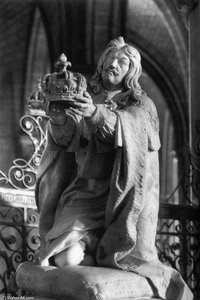
Louis XIII à genoux


 Lire la suite
Giclées et impressions d'art
Impressions giclées ou sur toile de qualité musée, avec une production rapide et des finitions au choix. ( Commander la reproduction peinte à la main Passer au format numérique)




P118B €10

P118H €10

P118W €10

P438Z €10

P508JH €12

P508YH €12

P805H €10

P805Z €10

P919BZ €10

P919G €10

P919XJ €10

P959ZH €10

P968JZ €12

W106C €8

W218G €10

W218JH €8

W218Y €10

W307PJ €10

W316G €10

W316PJ €8

W316Y €10

W398PJ €8

W4111J €10

W500HY €15

W500JH €15

W692G €12

W849H €8

W940BG €15

W953PJ €8




Choisissez parmi nos formats prédéfinis qui respectent les proportions originales de l’œuvre.

Saisissez la largeur et la hauteur souhaitées pour qu'elles s'adaptent à votre cadre ou à votre mur. Une impression peut être recadrée, mais jamais agrandie au-delà de l'image originale ; ainsi, un format de forme différente entraînera la perte d'une partie de l'image. Nous vous envoyons une maquette numérique pour approbation avant toute impression. L'image présentée sur cette page ne montre pas le recadrage réel — seule la maquette le permet.
Livraison dans le monde entier () en 2 semaines au lieu des 4/5 semaines habituelles. (7 novembre)

Livraison express gratuite dans le monde entier

Toile de lin de qualité supérieure

Assurance transport complète

Garantie de remboursement des droits de douane

Garantie de fidélité des couleurs

Politique de retour de 100 jours (uniquement en cas de défaut)

Garantie de remboursement à 100%

Offre de tarifs dégressifs
 L'option verre n'est disponible que pour les dimensions inférieures à 110 cm.

Louis XIII à genoux
Giclées et impressions d'art
Format de la reproduction
-


Prix total
€ 72
La Majesté d'un Roi : Dévoilement de Louis XIII à genoux
Devant nous se dresse une image saisissante, véritable témoignage du talent et de l'ambition de la sculpture française du XVIIIe siècle : une représentation en marbre méticuleusement rendue de Louis XIII à genoux. Bien plus qu'un simple portrait, cette œuvre incarne la grandeur de la monarchie Bourbon, imprégnée de symbolisme et exécutée avec une compréhension profonde de l'esthétique baroque. La photographie capture non seulement un roi, mais une incarnation du pouvoir, de la piété et du poids des responsabilités du règne. La composition est frappante par sa centralité, attirant immédiatement le regard du spectateur vers la figure de Louis XIII, dont la posture dégage à la fois solennité et autorité royale. L'angle de vue en contre-plongée élève subtilement son statut, renforçant le sentiment de son importance au sein de la scène.
Le choix du marbre lui-même en dit long sur l'impact recherché par l'œuvre. Le marbre, prisé pour sa luminosité et sa capacité à capturer des détails complexes, était un matériau réservé aux œuvres d'art les plus significatives. La manipulation magistrale de ce médium par Nicolas Coustau révèle une maîtrise extraordinaire de la texture : le poli lisse de la figure contraste nettement avec les zones plus rugueuses où tombent les ombres, créant un jeu dynamique d'ombre et de lumière qui donne vie à la sculpture. Le drapé, rendu avec un réalisme étonnant, s'écoule autour de la forme de Louis XIII, suggérant à la fois le mouvement et l'immobilité, reflétant ainsi la dualité inhérente à son rôle de monarque.
Un Portrait Royal Ancré dans la Tradition
Créée en 1712, cette figure agenouillée émerge d'une riche tradition artistique. Nicolas Coustau, sculpteur profondément lié à l'héritage artisanal de Lyon, fut formé au sein d'une famille d'artisans qualifiés avant de bénéficier du tutorat de Charles Antoine Coysevox, une figure de proue de l'Académie Royale de Peinture et de Sculpture à Paris. Cette lignée lui a inculqué un respect pour les formes classiques tout en lui permettant d'embrasser les envolées dramatiques caractéristiques de la sculpture baroque. L'œuvre fait directement référence aux piétas plus anciennes — ces représentations de Marie tenant le corps du Christ — adaptant ce motif établi pour dépeindre Louis XIII comme une figure de révérence et de soumission.
Le contexte historique est crucial pour comprendre la portée de cette pièce. Louis XIII, régnant de 1610 à 1643, a traversé une période d'immenses bouleversements politiques et religieux en France. Son règne fut marqué par l'intensification des guerres de Religion et l'ascension du cardinal Richelieu, qui exerça une influence considérable sur la monarchie. L'acte même de s'agenouiller porte un poids symbolique profond : il représente l'humilité devant Dieu, reconnaissant son autorité divine. L'inclusion de la couronne souligne davantage la position de Louis XIII en tant que chef à la fois temporel et spirituel.
Symbolisme et Résonance Émotionnelle
Au-delà de son contexte historique, « Louis XIII à genoux » est riche de significations symboliques. La posture exprime non seulement l'obéissance, mais aussi un sentiment de vulnérabilité — une reconnaissance des fardeaux du commandement. L'expression faciale, soigneusement travaillée, suggère la contemplation et peut-être même le regret, laissant entrevoir les défis auxquels le roi fut confronté durant son règne. Le décor, probablement l'intérieur d'une église ou d'une chambre de palais, renforce cette atmosphère de solennité et de dévotion. L'effet global est celui d'une dignité tranquille et d'une profonde profondeur émotionnelle.
La capacité de Nicolas Coustau à capturer une émotion aussi nuancée à travers le marbre est véritablement remarquable. La sculpture invite les spectateurs à contempler les complexités du pouvoir, de la foi et de l'expérience humaine — un témoignage intemporel de l'héritage durable de l'art baroque français. Elle demeure une image puissante, offrant un aperçu du cœur d'une époque charnière de l'histoire de France.
Questions et réponses
Comment puis-je prévisualiser une reproduction de «Louis XIII à genoux» de Nicolas Coustou ?
Pour prévisualiser une reproduction de «Louis XIII à genoux» de Nicolas Coustou, consultez la page d'aperçu de l'œuvre : Aperçu en situation.
Quel format et quelle orientation sont recommandés pour l'impression de « Louis XIII à genoux » ?
Pour « Louis XIII à genoux », la configuration d'impression recommandée est un format Grand format avec une orientation Format portrait.
Existe-t-il des œuvres similaires à « Louis XIII à genoux » ?
La page Œuvres similaires de «Louis XIII à genoux» de Nicolas Coustou présente des œuvres similaires.
Biographie de l'artiste
A Legacy in Stone: The Life and Art of Nicolas Coustou
Nicolas Coustou, a name synonymous with the grandeur of French Baroque sculpture, emerged from the artistic heart of Lyon in 1658. His journey was one deeply interwoven with family, patronage, and an unwavering dedication to mastering his craft. Born into a lineage of artisans—his father, François Coustou, being a skilled woodcarver—the young Nicolas received his earliest training within the intimate setting of his family’s workshop. This foundational experience instilled in him not only technical proficiency but also a profound respect for the transformative power of artistic creation. A pivotal moment arrived with his relocation to Paris at the age of eighteen, where he entered the studio of his maternal uncle, the esteemed sculptor Charles Antoine Coysevox. Coysevox, then president of the newly established Académie royale de peinture et de sculpture, provided Coustou with access to the epicenter of French artistic innovation and a rigorous academic framework that would shape his future trajectory. This familial connection proved invaluable, opening doors to commissions and fostering an environment conducive to growth.Rome and the Synthesis of Classical Ideals
Coustou’s burgeoning talent did not go unnoticed. In 1681, he was awarded the prestigious Colbert Prize—the Prix de Rome—a distinction that granted him a four-year sojourn at the French Academy in Rome. This period proved transformative. Immersed in the world of classical antiquity, Coustou meticulously studied the masterpieces of Michelangelo and Algardi, absorbing their distinct approaches to form and expression. He sought not merely to imitate these masters but to synthesize their strengths—Michelangelo’s dynamic energy and Algardi’s refined classicism—into a style uniquely his own. The Roman experience instilled in him a deep appreciation for anatomical accuracy, dramatic composition, and the power of sculpture to convey narrative and emotion. It was here that Coustou began to forge the artistic identity that would define his career, blending Baroque exuberance with the timeless elegance of classical ideals. He diligently documented his observations and experiments, furthering his understanding of sculptural technique and aesthetic principles—a testament to his intellectual curiosity alongside his artistic prowess.Royal Commissions and Collaborative Triumph
Upon his return to France, Coustou quickly established himself as a leading sculptor of the era. From 1700 onwards, he embarked on an extended period of collaboration with Coysevox, working on ambitious projects at the palaces of Marly and Versailles—symbols of royal power and artistic magnificence. These commissions demanded not only exceptional technical skill but also an ability to translate the opulent vision of Louis XIV into tangible form. Coustou’s contributions to these grand residences were significant, encompassing allegorical figures, mythological scenes, and portrait busts that adorned the palace gardens and interiors. He rose through the ranks of the Académie royale de peinture et de sculpture, eventually becoming rector and chancellor, solidifying his position as a central figure in the French art world. His collaborative spirit extended to his younger brother, Guillaume Coustou, also a renowned sculptor; their partnership often blurred the lines of authorship, resulting in works that showcased a harmonious blend of individual talents. Notable examples include *Apollo pursuing Daphne*, a dynamic group embodying the Baroque pursuit of emotional intensity and dramatic movement. This sculpture exemplifies Coustou’s masterful command of form and gesture—a hallmark of his artistic style.Notable Works: Expressions of Baroque Grandeur
Coustou's oeuvre reflects the spirit of its time, characterized by monumental scale, theatrical drama, and a fervent embrace of classical ideals. Among his most celebrated creations are *La Seine et la Marne*, an allegorical sculpture commemorating the unification of France—a testament to Coustou’s ability to capture both grandeur and symbolic significance. Similarly impressive is *Descent from the Cross*, situated behind the choir altar of Notre Dame de Paris, demonstrating his profound understanding of religious iconography and sculptural technique. Furthermore, *Le Passage du Rhin*, housed in the Louvre Museum, portrays a pivotal moment in French history with remarkable detail and emotional resonance—a testament to Coustou’s narrative skill. His portraits of Julius Caesar and Louis XV stand as enduring representations of royal dignity and artistic excellence. These sculptures continue to captivate audiences today, securing Coustou's place among the foremost sculptors of his generation.A Lasting Influence: Shaping Artistic Tradition
Nicolas Coustou’s influence extended far beyond his own lifetime, shaping the trajectory of French Baroque sculpture and inspiring subsequent artists. His synthesis of Michelangelo’s dynamism and Algardi’s classicism established a stylistic precedent that would resonate throughout the Rococo period—a testament to his enduring artistic vision. He championed anatomical accuracy and dramatic composition—principles that underpinned the aesthetic sensibilities of his era—leaving an indelible mark on French art history. Coustou's legacy serves as a reminder of the transformative power of artistic training, collaborative endeavor, and unwavering devotion to craft—qualities that continue to inspire artists striving for excellence today. He died peacefully in Paris on May 1st, 1733, leaving behind a body of work that embodies the pinnacle of Baroque artistry.
Nicolas Coustou
1658 - 1733 , France
L'essentiel de l'artiste
- Artistic Movement Or Style: Baroque
- Artists Who Influenced This Artist:
- Michelangelo
- Algardi
- Date Of Birth: Jan 9, 1658
- Date Of Death: May 1, 1733
- Full Name: Nicolas Coustou
- Nationality: Français
- Notable Artworks:
- La Seine et la Marne
- Descente de la Croix
- Apollo poursuivant Daphné
- Place Of Birth: Lyon, France
Articles connexes

Les 10 Chefs-d'œuvre Bronzes Qui Ont Révolutionné la Sculpture | OriginalUniqueArt
Plongez dans l'univers fascinant des 10 sculptures en bronze les plus emblématiques de l'histoire de l'art. Rodin, Degas et autres maîtres révélés ! Découvrez leur histoire, leurs techniques et trouvez l'œuvre parfaite pour sublimer votre intérieur sur OriginalUniqueArt.com.

The Enduring Form: Exploring Themes & Techniques in Sculpture Across Historical Periods
Explore the rich history of sculpture from ancient masterpieces to contemporary innovations. Discover key techniques, influential artists & investment potential for discerning art collectors.

The Enduring Allure of Marble in Art History: From Classical Sculpture to Modern Abstraction
Explore the captivating history of marble sculpture from ancient Greece to modern art. Discover renowned artists like Canova & Michelangelo, carving techniques, and investment insights at OriginalUniqueArt.
Timeless Grandeur: Exploring the Eternal Beauty and Art-Historical Legacy of Marble Sculpture
Explore the profound legacy of marble sculpture, from Classical antiquity to Neoclassical mastery. A definitive guide for elite collectors and designers seeking to integrate the luminous, eternal beauty of stone into sophisticated, high-end architectural spaces.

L'Évolution du Volume : Analyse des Procédés et de l'Histoire de la Sculpture
Explorez l'évolution technique de la sculpture, du marbre classique à l'art cinétique. Maîtrisez l'histoire du volume dès maintenant.