Aperçu en situation
 Envoyer
 Partager
 Détails de l'œuvre
 Guide
Guide

 Télécharger l'image
 Articles similaires
 Radiographie
 Diaporama
 Questions et réponses
 Statistiques
The Idle Servant

- 70.0 x 53.0 cm


 Lire la suite
Giclées et impressions d'art
Impressions giclées ou sur toile de qualité musée, avec une production rapide et des finitions au choix. ( Commander la reproduction peinte à la main Passer au format numérique)




P118B €10

P118H €10

P118W €10

P438Z €10

P508JH €12

P508YH €12

P805H €10

P805Z €10

P919BZ €10

P919G €10

P919XJ €10

P959ZH €10

P968JZ €12

W106C €8

W218G €10

W218JH €8

W218Y €10

W307PJ €10

W316G €10

W316PJ €8

W316Y €10

W398PJ €8

W4111J €10

W500HY €15

W500JH €15

W692G €12

W849H €8

W940BG €15

W953PJ €8




Choisissez parmi nos formats prédéfinis qui respectent les proportions originales de l’œuvre.

Saisissez la largeur et la hauteur souhaitées pour qu'elles s'adaptent à votre cadre ou à votre mur. Une impression peut être recadrée, mais jamais agrandie au-delà de l'image originale ; ainsi, un format de forme différente entraînera la perte d'une partie de l'image. Nous vous envoyons une maquette numérique pour approbation avant toute impression. L'image présentée sur cette page ne montre pas le recadrage réel — seule la maquette le permet.
Livraison dans le monde entier () en 2 semaines au lieu des 4/5 semaines habituelles. (5 novembre)

Livraison express gratuite dans le monde entier

Toile de lin de qualité supérieure

Assurance transport complète

Garantie de remboursement des droits de douane

Garantie de fidélité des couleurs

Politique de retour de 100 jours (uniquement en cas de défaut)

Garantie de remboursement à 100%

Offre de tarifs dégressifs
 L'option verre n'est disponible que pour les dimensions inférieures à 110 cm.

The Idle Servant
Giclées et impressions d'art
Format de la reproduction
-


Prix total
€ 72
A Moment Frozen in Dutch Light: Nicolaes Maes’s “The Idle Servant”
Nicolaes Maes's "The Idle Servant," painted in 1655, isn’t merely a depiction of two women enjoying a domestic moment; it’s a carefully constructed tableau brimming with subtle social commentary and the masterful use of light characteristic of the Dutch Golden Age. This intimate genre scene, now housed at the National Gallery in London (NG207), offers a captivating glimpse into the lives of a wealthy household, revealing both the comforts and the unspoken expectations of 17th-century Dutch society. The painting immediately draws the eye with its rich palette – deep reds, browns, and ochres dominate, punctuated by the warm glow emanating from an unseen fireplace, creating a sense of cozy domesticity that belies the underlying narrative.
Maes’s artistic lineage is inextricably linked to Rembrandt van Rijn. His apprenticeship under the master instilled within him a profound understanding of *chiaroscuro*, the dramatic interplay of light and shadow – a technique brilliantly employed here to sculpt form, define space, and draw attention to key elements. Notice how Maes uses pools of light to illuminate the seated woman’s face, highlighting her languid repose, while simultaneously shrouding the standing figure in a softer, more diffused glow. This masterful manipulation of light isn't simply aesthetic; it serves to subtly convey mood and character, hinting at the quiet resignation and perhaps even a touch of amusement present within the scene.
The Dance of Leisure and Duty
At first glance, “The Idle Servant” appears to be a simple portrayal of two women engaged in conversation. However, closer observation reveals a complex interplay of social dynamics. The woman standing, presumably the mistress of the house, is instructing or perhaps gently scolding the seated maid, who is lost in a drowsy reverie. This interaction isn’t overtly confrontational; rather, it's imbued with a quiet understanding – a recognition that even within the confines of domestic life, there are unspoken rules and expectations.
The scattered bowls, cups, and spoons surrounding the women aren’t merely props; they represent the labor involved in preparing a substantial meal. The maid’s slumber is a direct consequence of this effort, highlighting the contrast between leisure and duty – a central theme explored throughout the painting. Maes cleverly uses the arrangement of these objects to create depth and visual interest, drawing the viewer's eye into the heart of the scene. The placement of some bowls closer to the women suggests immediate needs, while others further away hint at the larger task at hand.
Symbolism and Social Commentary
Beyond its domestic setting, “The Idle Servant” offers a subtle critique of social hierarchies and gender roles. The maid’s apparent idleness is juxtaposed with the mistress's active role in overseeing the household – a reflection of the prevailing societal expectations for women during this period. The painting subtly suggests that while leisure was valued, it was always contingent upon fulfilling one’s duties within the home. The cat stealing a fowl further emphasizes this theme, representing a carefree disregard for responsibility.
Furthermore, the inclusion of the “doorkijkje” – a small window or opening in the background – is a deliberate artistic device employed by Maes and his contemporaries. This technique invites the viewer to step into another room, creating a sense of voyeurism and expanding the narrative beyond the immediate scene. It’s as if we are invited to observe a larger, unseen drama unfolding within the confines of the house.
A Masterpiece of Dutch Genre Painting
“The Idle Servant” stands as a testament to Nicolaes Maes's skill and artistry – a captivating example of Dutch Golden Age genre painting. Its masterful use of *chiaroscuro*, its nuanced portrayal of human interaction, and its subtle social commentary combine to create a work that is both visually stunning and intellectually stimulating. Reproductions by OriginalUniqueArt.com offer an exceptional opportunity to experience the beauty and depth of this remarkable painting, bringing its intimate world into your home with unparalleled fidelity.
Questions et réponses
Quelle est l'atmosphère de «The Idle Servant» de Nicolaes Maes ?
«The Idle Servant» dégage une atmosphère Sérénité.
Quelles sont les dimensions réelles de «The Idle Servant» de Nicolaes Maes ?
L'œuvre originale «The Idle Servant» de Nicolaes Maes mesure 70 x 53 cm.
L'œuvre « The Idle Servant » présente-t-elle des contrastes ombre et lumière marqués ?
Le contraste clair-obscur de « The Idle Servant » est évalué à Équilibré. Le contraste décrit l'intensité de la différence entre les zones claires et les zones sombres.
Biographie de l'artiste
Nicolaes Maes : Une Vie Durant l'Âge d'Or Néerlandais
- Né : Dordrecht, Pays-Bas (Janvier 1634)
- Décédé : Amsterdam, Pays-Bas (Décembre 1693)
Nicolaes Maes (également connu sous le nom de Nicolaes Maas) était un peintre néerlandais de l'Âge d'Or renommé pour ses scènes de genre et ses portraits. Né à Dordrecht du mariage de Gerrit Maes, un commerçant prospère, et Ida Herman Claesdr, il est devenu une figure importante dans le paysage artistique du XVIIe siècle aux Pays-Bas.
Formation Précoce et l'Influence de Rembrandt
La carrière précoce de Maes a été grandement influencée par son apprentissage auprès de Rembrandt van Rijn à Amsterdam (environ 1648-1653). Cette période s’est avérée formatrice, lui inculquant une profonde appréciation du clair-obscur – l'utilisation dramatique de la lumière et de l'ombre – et une maîtrise de la couleur. Ses premières œuvres, telles que "La Reverie" (Rijksmuseum, Amsterdam) et "Les Joueurs de Cartes" (National Gallery, Londres), présentent des similitudes frappantes avec le style de Rembrandt, ce qui conduit souvent à leur attribution erronée. Ces premiers travaux démontrent sa capacité à imiter les techniques de son maître, en utilisant des figures grandeur nature et une palette de couleurs riches et lumineuses.
Développement d'un Style Mature
Après son retour à Dordrecht en 1653, Maes a développé un style plus distinctif. De 1655 à 1665 environ, il s’est concentré principalement sur des scènes de genre domestique à plus petite échelle, tout en conservant la brillance coloriste qu'il avait apprise auprès de Rembrandt. Il s'éloigna des compositions religieuses à grande échelle pour représenter la vie quotidienne avec une intimité et un détail remarquables. Les thèmes récurrents comprenaient des femmes engagées dans des activités telles que le filage, la lecture de la Bible ou la préparation de repas. Maes a également manifesté un intérêt particulier pour la dentelle, produisant de nombreuses variations sur ce thème.
Portraiture et Carrière Ultérieure
Le talent de Maes s'étendait au-delà de la peinture de genre vers le portrait. Des exemples notables incluent "Portrait de Laurence Hyde, Earl of Rochester", "Portrait de Jan de Reus" et "Portrait d'un homme portant une perruque noire". Ces portraits mettent en valeur sa capacité à capturer avec une précision remarquable la ressemblance et le caractère de ses sujets. En 1673, Maes a déménagé à Amsterdam, devenant l'un des principaux portraitistes de la ville pendant les trois dernières décennies du siècle. Ce déménagement reflétait à la fois l'ambition artistique et une adaptation aux conditions changeantes du marché.
Héritage et Importance Historique
Nicolaes Maes a laissé derrière lui un corpus important d’œuvres qui continuent d’être admirées pour sa compétence technique, son portrait intime de la vie quotidienne et son influence durable sur les générations suivantes d'artistes néerlandais. Sa capacité à capturer l'essence des gens ordinaires pendant l'Âge d'Or néerlandais fournit des informations précieuses sur les coutumes sociales et les cadres domestiques de cette époque. Les peintures de Maes sont conservées dans des musées prestigieux du monde entier, notamment le Rijksmuseum et la National Gallery, et restent accessibles à l’étude et à l’appréciation sur des plateformes telles que OriginalUniqueArt.com.
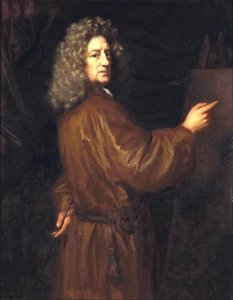
Nicolaes Maes
1634 - 1693 , Pays-Bas
L'essentiel de l'artiste
- Artistic Movement Or Style: Âge d'or néerlandais
- Artists Who Influenced This Artist: ['Rembrandt']
- Date Of Birth: Janvier 1634
- Date Of Death: Décembre 1693
- Full Name: Nicolaes Maes
- Nationality: Néerlandais
- Notable Artworks:
- La Reverie
- Les Joueurs de cartes
- Portrait de Laurence Hyde
- Portrait de Jan de Reus
- Place Of Birth: Dordrecht, Pays-Bas
Articles connexes
Nicolaes Berchem: Dutch Golden Age Pastoralism & the Evolution of Landscape Painting
Explore the captivating world of Nicolaes Berchem, a leading Dutch Golden Age painter. Discover his idyllic landscapes, masterful technique & lasting influence on art history. Learn more at OriginalUniqueArt.

L'Âge d'Or Néerlandais : 10 Chefs-d'œuvre Incontournables pour Décorer avec Art et Histoire
Plongez au cœur de l'Âge d'Or néerlandais ! Découvrez 10 chefs-d'œuvre intemporels de Rembrandt, Vermeer et autres maîtres hollandais. Explorez leur histoire, technique & trouvez l'inspiration déco sur

L'Âge d'Or Néerlandais : Splendeur Baroque et Révolution Artistique
Explorez l'Âge d'Or néerlandais : découvrez les maîtres baroques (Rembrandt, Fabritius) et leur révolution artistique. Analyse approfondie, contexte historique et héritage durable. Un voyage au cœur de la peinture du XVIIe siècle.

Mastering Light & Shadow: A Journey Through the Dutch Golden Age's Luminous Legacy
Embark on a cultural journey through the Dutch Golden Age. Explore the masterful interplay of light and shadow in 17th-century masterpieces, from Rembrandt to Vermeer, and discover how this era of profound realism continues to inspire fine art collectors today.

Golden Light & Dutch Skies: The Timeless Magic of Dutch Golden Age Landscapes
Discover the breathtaking beauty of Dutch Golden Age landscapes. Explore the mastery of light, chiaroscuro, and 17th-century realism through an expert art history lens, celebrating the enduring legacy of the Dutch Masters for discerning collectors and art lovers.