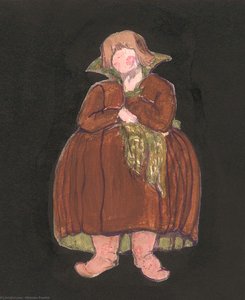
Aperçu en situation
 Envoyer
 Partager
 Détails de l'œuvre

 Télécharger
 Articles similaires
 Radiographie
 Diaporama
Procopius the Blessed Averts the Stone Cloud from the Great Ustiug


 Lire la suite
Giclées et impressions d'art
Impressions giclées ou sur toile de qualité musée, avec une production rapide et des finitions au choix. ( Commander la reproduction peinte à la main Acheter l'image haute résolution)




P118B $10

P118H $10

P118W $10

P438Z $10

P508JH $12

P508YH $12

P805H $10

P805Z $10

P919BZ $10

P919G $10

P919XJ $10

P959ZH $10

P968JZ $12

W106C $8

W218G $10

W218JH $8

W218Y $10

W307PJ $10

W316G $10

W316PJ $8

W316Y $10

W398PJ $8

W4111J $10

W500HY $15

W500JH $15

W692G $12

W849H $8

W940BG $15

W953PJ $8




Choisissez parmi nos formats prédéfinis qui respectent les proportions originales de l’œuvre.

Vous pouvez saisir vos propres dimensions pour vous adapter à un cadre ou à un espace spécifique. Si la taille sélectionnée ne correspond pas aux proportions de l'image originale, nous recadrerons l'œuvre ou étendrons l'image avec une bordure en miroir ou une couleur unie. Une maquette numérique vous sera envoyée pour approbation avant le début de la production.
Veuillez noter que l'aperçu à l'écran ne reflète pas le recadrage ou l'extension réelle. Seule la maquette montrera avec précision la composition finale.
Bien que des tailles personnalisées soient disponibles, nous vous recommandons de choisir une dimension dans la liste prédéfinie afin de préserver les proportions originales.
Livraison dans le monde entier () en 2 semaines au lieu des 4/5 semaines habituelles. (29 août)

Livraison express gratuite dans le monde entier

Toile de lin de qualité supérieure

Assurance transport complète

Garantie de remboursement des droits de douane

Garantie de fidélité des couleurs

Politique de retour de 60 jours (uniquement en cas de défaut)

Garantie de remboursement à 100%

Offre de tarifs dégressifs
 L'option verre n'est disponible que pour les dimensions inférieures à 110 cm.

Procopius the Blessed Averts the Stone Cloud from the Great Ustiug
Giclées et impressions d'art
Format de la reproduction
-


Prix total
$ 80
Nicholas Roerich’s ‘Procopius the Blessed Averts the Stone Cloud from the Great Ustiug’: An Echo of Spiritual Struggle
This arresting sketch by Nicholas Roemerich, titled “Procopius the Blessed Averts the Stone Cloud from the Great Ustiug,” offers a profound meditation on themes of protection, spiritual resilience, and the confrontation with existential dread. Executed in graphite and charcoal on paper, the artwork’s stark simplicity belies its complex symbolic weight, immediately evoking Roerich's signature style – characterized by an intensely personal engagement with mythology, spirituality, and the vast landscapes of Central Asia.
- Subject Matter & Narrative: The scene depicts Procopius the Blessed, a figure revered in Orthodox Christianity, intervening to dispel a menacing stone cloud hovering over a desolate landscape. This narrative thread, rooted in ancient legends and religious iconography, speaks to humanity’s enduring struggle against adversity and the promise of salvation offered through faith and action.
- Style & Technique: Roerich's approach here is distinctly sketch-like, prioritizing atmosphere and emotional resonance over meticulous realism. Loose, gestural lines dominate, creating a sense of immediacy and urgency. The use of hatching and cross-hatching within the cloud formation generates a powerful illusion of depth and texture, suggesting both the immense scale of the threat and the protective force at work.
- Color & Composition: The monochromatic palette – shades of grey, beige, and off-white – amplifies the artwork’s somber mood. The composition is deliberately unbalanced, with the cloud occupying a significant portion of the frame, mirroring the overwhelming nature of the challenge. This imbalance draws the viewer's eye directly to the central figure, emphasizing his role as a beacon of hope amidst darkness.
Symbolism and Spiritual Resonance
Beyond its surface depiction, “Procopius the Blessed Averts the Stone Cloud” is rich in symbolic meaning. The stone cloud itself represents not merely a meteorological phenomenon but rather a potent metaphor for suffering, chaos, and the forces of evil that threaten human existence. Procopius’s outstretched hand, acting as a shield against this looming darkness, embodies faith, courage, and the unwavering belief in a higher power capable of delivering protection. The desolate landscape further reinforces the theme of isolation and vulnerability, highlighting the individual's struggle within a vast and often hostile world.
- Roerich’s Vision: Roerich frequently employed such symbolic imagery to explore universal spiritual themes – the interconnectedness of humanity with nature, the search for inner peace, and the importance of preserving cultural heritage. His work reflects a deep engagement with Eastern mysticism and a belief in a shared human experience transcending geographical boundaries.
- Mythological Roots: The artwork’s narrative draws upon ancient Slavic legends, reflecting Roerich's fascination with folklore and mythology as sources of spiritual wisdom. This connection to the past adds another layer of depth to the piece, suggesting that humanity’s struggles are timeless and recurring.
Historical Context & Artistic Influence
Created in 1913, “Procopius the Blessed Averts the Stone Cloud from the Great Ustiug” reflects a pivotal moment in Roerich's artistic development. Following his early explorations of realism and academic style, he increasingly embraced a more expressive and symbolic approach, influenced by theosophical ideas and his travels throughout Central Asia. This sketch anticipates the grand scale and spiritual intensity that would characterize much of his later work, solidifying his place as one of the 20th century’s most significant artists.
- Roerich's Legacy: Roerich’s unique blend of artistic skill, philosophical inquiry, and humanitarian activism has ensured his enduring legacy. His artwork continues to resonate with viewers seeking meaning and inspiration in a world often characterized by uncertainty and conflict.
- Collecting & Interior Design: This reproduction offers an exceptional opportunity to bring a piece of Roerich’s visionary art into your home or office. Its evocative imagery and powerful symbolism make it a compelling addition to any collection, while its monochromatic palette lends itself beautifully to a variety of interior design schemes – particularly those seeking a touch of contemplative elegance.
Biographie de l'artiste
Nicholas Roerich : Vie, Art et Héritage
Jeunesse et Éducation
- Nicolas Constantinovich Roerich est né le 9 octobre 1874 à Saint-Pétersbourg, en Russie.
- Son père, notaire public allemand de la Baltique, et sa mère, une femme russe, ont cultivé chez lui un goût précoce pour les arts.
- Roerich a poursuivi le droit et l'art simultanément, s'inscrivant à l'Université de Saint-Pétersbourg et à l'Académie des Beaux-Arts impériale en 1893.
- Il a reçu le titre d'"Artiste" en 1897 et un diplôme de droit l'année suivante.
Poursuites Artistiques et Influences
- Le développement artistique de Roerich a été significativement influencé par le Symbolisme russe, un mouvement mettant l'accent sur la spiritualité et la profondeur émotionnelle.
- Il s'est impliqué dans la société "World of Art" de Sergueï Diaghilev, devenant son président de 1910 à 1916.
- Ses premières œuvres ont mis en évidence une fascination pour l'archéologie et la conception de décors de scène, menant à des collaborations sur des productions pour les Ballets Russes.
- Il a également été influencé par l'apocryphe et les écrits sectaires médiévaux comme le Livre de Colombe.
Collaboration avec les Ballets Russes
- Les conceptions de Roerich pour les Ballets Russes ont été très saluées, en particulier son travail sur l'Opéra Prince Igor d'Alexandre Borodine (1909) et l’Opéra Le Rite de Printemps d'Igor Stravinsky (1913).
- Ses décors de scène ont combiné des recherches historiques avec un art imaginatif, créant des productions visuellement époustouflantes.
- Cette collaboration l'a établi comme une figure de proue en matière de conception théâtrale au début du XXe siècle.
Développement Artistique et Thèmes
- Les peintures de Roerich ont évolué pour incorporer des thèmes de plus en plus mystiques et spirituels, reflétant son intérêt croissant pour la Théosophie et les religions orientales.
- Sa série Études architecturales (1904–1905) a démontré sa prouesse architecturale et son engagement à préserver le patrimoine culturel.
- Des motifs récurrents dans son œuvre comprennent des paysages majestueux, des villes anciennes et des figures religieuses telles que Saint Panteleimon et Kuan Yin.
- Il a souvent représenté l'Himalaya, une région qui avait un profond sens spirituel pour lui.
Réalisations Majeures et Reconnaissance
- Roerich était un défenseur dévoué de la protection de l'art et de l'architecture pendant les temps de guerre.
- Ses efforts ont conduit à la création du Pacte Roerich (1935), un traité international pour la préservation des objets culturels, lui valant de nombreuses nominations au prix Nobel de la paix.
- Il a voyagé largement en Asie centrale, menant des recherches archéologiques et documentant les cultures anciennes.
- Son œuvre est présentée dans des collections muséales prestigieuses du monde entier, notamment la Galerie d'art d'Astrachane.
Signification Historique et Héritage
- L'impact de Nicolas Roerich sur l'art et la culture russes est immeasurable.
- Il a comblé le fossé entre l'expression artistique et l'exploration spirituelle, influençant des générations d'artistes et de penseurs.
- Son engagement à préserver le patrimoine culturel reste pertinent aujourd'hui, soulignant l'importance de protéger notre héritage commun.
- L'héritage de Roerich s'étend au-delà de ses peintures ; il est souvenu comme un artiste visionnaire, érudit et humanitaire.

Nicolas Roerich
1874 - 1947 , Russie
L'essentiel de l'artiste
- Artistes Influents: ['Symbolisme russe']
- Date De Décès: 13 décembre 1947
- Date De Naissance: 9 octobre 1874
- Lieu De Naissance: Saint-Pétersbourg, Russie
- Mouvement Artistique: Symbolisme russe
- Nationalité: Russe
- Nom Complet: Nicolas Roerich
- Œuvres Notables:
- Lac des Nagas
- Mont de cinq trésors
- Chemin vers Kailas 4
- Tempe-jal-tzen-baykin
- Guerrier
- Pont de Gloire
Articles connexes

Nicholas Roerich: Mysticism, Mountains & the Search for Ageless Wisdom in Art
Explore the captivating art of Nicholas Roerich – a visionary painter whose Himalayan landscapes blend spiritual mysticism with cultural preservation. Discover his legacy & symbolism.

Giclée Prints: Archival Quality & Aesthetic Nuances for the Discerning Collector
Explore the world of giclée prints with OriginalUniqueArt. Learn about archival quality, aesthetic nuances & investment potential. Expert guidance for discerning art collectors seeking museum-quality reproductions and lasting value.

The Enduring Legacy of Fine Art Prints: Technique, History & Aesthetic Impact
Explore the rich history & techniques of fine art prints. Discover investment potential, assess authenticity, and learn how to preserve your collection with expert guidance. Trusted insights for discerning collectors.

Echoes of Time: Exploring the Enduring Appeal & Historical Context of Vintage Art Prints
Explore the captivating world of vintage art prints! Discover their history, collecting tips & enduring appeal. Expert insights on chromolithography and building a legacy collection with OriginalUniqueArt.
The Enduring Legacy of Printmaking: Techniques, Themes & Artistic Innovation Across Centuries
Explore the rich history of printmaking with OriginalUniqueArt. Discover techniques from intaglio to lithography, learn about collecting valuable prints & find museum-quality reproductions. Expert insights for art enthusiasts and collectors.