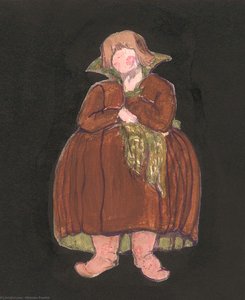
Aperçu en situation
 Partager
 Partager
 Détails
 Guide imprimable

 Télécharger
 Articles similaires
 Radiographie
 Voir le diaporama
 Statistiques
Mount Fuji
 Tempera
- WallArt
- Impressionism
 1936
1936- Modern
 31.0 x 46.0 cm
 Musée national letton d'art
 Afficher la suite
Reproduction à l'huile faite à la main
Huile sur toile peinte à la main, avec cadre et dimensions personnalisés, réalisée sur commande par nos artistes. ( Passer au format impression Passer au format image numérique)




P118B €10

P118H €10

P118W €10

P438Z €10

P508JH €12

P508YH €12

P805H €10

P805Z €10

P919BZ €10

P919G €10

P919XJ €10

P959ZH €10

P968JZ €12

W106C €8

W218G €10

W218JH €8

W218Y €10

W307PJ €10

W316G €10

W316PJ €8

W316Y €10

W398PJ €8

W4111J €10

W500HY €15

W500JH €15

W692G €12

W849H €8

W940BG €15

W953PJ €8




Choisissez parmi nos formats prédéfinis qui respectent les proportions originales de l’œuvre.

Vous pouvez saisir vos propres dimensions pour l'adapter à un cadre ou à un espace spécifique. Si la taille sélectionnée ne correspond pas aux proportions de l'image d'origine, nous recadrerons l'œuvre ou prolongerons la peinture avec des éléments peints à la main supplémentaires. Une maquette numérique vous sera envoyée pour approbation avant le début de la production.
Veuillez noter que l'aperçu à l'écran ne reflète pas le recadrage ou l'extension réels. Seule la maquette montrera fidèlement la composition finale.
Bien que des tailles personnalisées soient disponibles, nous vous recommandons de sélectionner une dimension dans la liste prédéfinie afin de préserver les proportions d'origine.
Après la commande, l’équipe OriginalUniqueArt.com contactera le client par e-mail pour recueillir ses instructions et lui fournira une maquette d’aperçu
Livraison dans le monde entier () en 3 à 4 semaines au lieu des 5 semaines habituelles. (13 octobre). Aucun compromis sur la qualité.

Livraison express gratuite dans le monde entier

Toile de lin de haute qualité

Assurance transport complète

Garantie de remboursement des droits de douane

Garantie de fidélité des couleurs

Garantie de retour de 100 jours (uniquement en cas de défaut)

Garantie de remboursement à 100%

Tarifs dégressifs sur quantité
 L'option verre n'est disponible que pour les dimensions inférieures à 110 cm.

Mount Fuji
Technique de reproduction
Format de la reproduction
-


Prix total final
€ 259
A Visionary Encounter with the Sacred Peak
In the quiet intersection of the terrestrial and the divine, Nicholas Roerich’s Mount Fuji stands as a profound testament to the spiritual resonance of the natural world. While many artists have approached this iconic Japanese volcano through the lens of mere topography, Roerich transcends the physical landscape to capture something far more elusive: the very breath of the mountain itself. Created in 1936, this masterpiece invites the viewer into a realm where the air feels thin and pure, as if one is standing on the precipice of an ancient, sacred truth. The painting does not simply depict a mountain; it orchestrates a visual pilgrimage, guiding the eye through a landscape that feels simultaneously grounded in earth and reaching toward the infinite.
The composition is dominated by the imposing presence of the snow-capped peak, which commands the viewer's attention with an almost architectural stability. Yet, this monumental stillness is balanced by a delicate interplay of light and atmosphere. Roerich utilizes a warm, orange-hued sky to bathe the scene in a soft, ethereal glow, suggesting either the first blush of dawn or the lingering embers of a sunset. This choice of palette creates a sense of profound warmth that contrasts beautifully with the cool, crisp white of the mountain's snowy mantle. Scattered throughout the foreground and midground, subtle silhouettes of trees and secondary peaks add layers of depth, creating a rhythmic movement that leads the gaze deeper into this tranquil, dreamlike wilderness.
The Mastery of Color and Spirit
Technically, the work reflects Roerich’s unique ability to blend the precision of a master draftsman with the emotive power of a mystic. Using a delicate application of tempera on canvas, he achieves a luminous quality that allows light to seem as though it is emanating from within the pigment itself. The transitions between the vibrant sky and the shadowed slopes are handled with extraordinary grace, avoiding harsh boundaries in favor of a soft, atmospheric diffusion. This technique is essential to the painting's emotional impact; it softens the ruggedness of the volcanic terrain, transforming a geological feature into a symbol of peace and eternal endurance.
For the discerning collector or interior designer, Mount Fuji offers more than just aesthetic beauty; it provides an anchor of serenity. The painting functions as a window into a meditative state, making it an ideal centerpiece for spaces dedicated to reflection, study, or quiet luxury. Its ability to harmonize bold, warm tones with cool, tranquil whites allows it to integrate seamlessly into diverse decor styles—from the minimalist elegance of modern galleries to the rich, textured layers of a classical study. To possess a reproduction of this work is to bring a piece of the sublime into one's personal environment, fostering an atmosphere of timelessness and spiritual grace.
Questions et réponses
Quelle est la date de création de «Mount Fuji» de Nicolas Roerich ?
«Mount Fuji» date de 1936. Cette date inscrit l'œuvre dans la carrière de Nicolas Roerich ainsi que dans son époque.
Quelle est la luminance de «Mount Fuji» de Nicolas Roerich ?
Les couleurs de « Mount Fuji » présentent une luminance Gentle Luminance.
Existe-t-il un diaporama pour «Mount Fuji» de Nicolas Roerich ?
Un diaporama est disponible : la page Diaporama de «Mount Fuji» de Nicolas Roerich.
Quelle ambiance "Mount Fuji" apporterait-elle à une pièce ?
L'atmosphère Calm de «Mount Fuji» de Nicolas Roerich s'accorde parfaitement avec l'espace recommandé : un(e) Living Room.
De quel type d'œuvre s'agit-il pour "Mount Fuji" ?
Dans le catalogue, «Mount Fuji» de Nicolas Roerich est répertorié comme WallArt. Cette catégorie permet de trouver des œuvres similaires.
Quand et avec quels matériaux Mount Fuji a-t-il été réalisé ?
« Mount Fuji » a été créé en 1936 avec la technique du Tempera. Le matériau et la date décrivent comment et quand l'original a été réalisé.
Comment peut-on intégrer «Mount Fuji» de Nicolas Roerich dans la décoration intérieure ?
« Mount Fuji » est suggéré pour Accent, et l'espace recommandé est un(e) Living Room.
Où puis-je trouver des statistiques concernant «Mount Fuji» de Nicolas Roerich ?
Les statistiques concernant «Mount Fuji» de Nicolas Roerich se trouvent sur la page Statistiques de l'œuvre : visites mensuelles de l'œuvre, visites des œuvres de l'artiste, ainsi que la répartition par pays et par langue des visiteurs récents.
Biographie de l'artiste
Nicholas Roerich : Vie, Art et Héritage
Jeunesse et Éducation
- Nicolas Constantinovich Roerich est né le 9 octobre 1874 à Saint-Pétersbourg, en Russie.
- Son père, notaire public allemand de la Baltique, et sa mère, une femme russe, ont cultivé chez lui un goût précoce pour les arts.
- Roerich a poursuivi le droit et l'art simultanément, s'inscrivant à l'Université de Saint-Pétersbourg et à l'Académie des Beaux-Arts impériale en 1893.
- Il a reçu le titre d'"Artiste" en 1897 et un diplôme de droit l'année suivante.
Poursuites Artistiques et Influences
- Le développement artistique de Roerich a été significativement influencé par le Symbolisme russe, un mouvement mettant l'accent sur la spiritualité et la profondeur émotionnelle.
- Il s'est impliqué dans la société "World of Art" de Sergueï Diaghilev, devenant son président de 1910 à 1916.
- Ses premières œuvres ont mis en évidence une fascination pour l'archéologie et la conception de décors de scène, menant à des collaborations sur des productions pour les Ballets Russes.
- Il a également été influencé par l'apocryphe et les écrits sectaires médiévaux comme le Livre de Colombe.
Collaboration avec les Ballets Russes
- Les conceptions de Roerich pour les Ballets Russes ont été très saluées, en particulier son travail sur l'Opéra Prince Igor d'Alexandre Borodine (1909) et l’Opéra Le Rite de Printemps d'Igor Stravinsky (1913).
- Ses décors de scène ont combiné des recherches historiques avec un art imaginatif, créant des productions visuellement époustouflantes.
- Cette collaboration l'a établi comme une figure de proue en matière de conception théâtrale au début du XXe siècle.
Développement Artistique et Thèmes
- Les peintures de Roerich ont évolué pour incorporer des thèmes de plus en plus mystiques et spirituels, reflétant son intérêt croissant pour la Théosophie et les religions orientales.
- Sa série Études architecturales (1904–1905) a démontré sa prouesse architecturale et son engagement à préserver le patrimoine culturel.
- Des motifs récurrents dans son œuvre comprennent des paysages majestueux, des villes anciennes et des figures religieuses telles que Saint Panteleimon et Kuan Yin.
- Il a souvent représenté l'Himalaya, une région qui avait un profond sens spirituel pour lui.
Réalisations Majeures et Reconnaissance
- Roerich était un défenseur dévoué de la protection de l'art et de l'architecture pendant les temps de guerre.
- Ses efforts ont conduit à la création du Pacte Roerich (1935), un traité international pour la préservation des objets culturels, lui valant de nombreuses nominations au prix Nobel de la paix.
- Il a voyagé largement en Asie centrale, menant des recherches archéologiques et documentant les cultures anciennes.
- Son œuvre est présentée dans des collections muséales prestigieuses du monde entier, notamment la Galerie d'art d'Astrachane.
Signification Historique et Héritage
- L'impact de Nicolas Roerich sur l'art et la culture russes est immeasurable.
- Il a comblé le fossé entre l'expression artistique et l'exploration spirituelle, influençant des générations d'artistes et de penseurs.
- Son engagement à préserver le patrimoine culturel reste pertinent aujourd'hui, soulignant l'importance de protéger notre héritage commun.
- L'héritage de Roerich s'étend au-delà de ses peintures ; il est souvenu comme un artiste visionnaire, érudit et humanitaire.

Nicolas Roerich
1874 - 1947 , Russie
En bref
- Artistes Influents: ['Symbolisme russe']
- Date De Décès: 13 décembre 1947
- Date De Naissance: 9 octobre 1874
- Lieu De Naissance: Saint-Pétersbourg, Russie
- Mouvement Artistique: Symbolisme russe
- Nationalité: Russe
- Nom Complet: Nicolas Roerich
- Œuvres Notables:
- Lac des Nagas
- Mont de cinq trésors
- Chemin vers Kailas 4
- Tempe-jal-tzen-baykin
- Guerrier
- Pont de Gloire
Articles similaires
Echoes of Eternity: Unveiling the Spiritual Depth and Timeless Beauty of Japanese Landscape Painting
Embark on a soulful journey through the ephemeral beauty of Japanese landscape painting. Discover the profound philosophy of Ukiyo-e and the legendary mastery of Hokusai. Explore timeless artistry and find inspiration in the spiritual depth of nature's most captivating landscapes.
Serenity on Canvas: A Guide to the Timeless Beauty of Japanese Landscape Painting
Discover the serene beauty of Japanese landscape painting. From Hokusai's iconic woodblock prints to meditative sumi-e ink washes, explore a visual journey through the 'floating world' and learn how to bring this timeless Zen aesthetic into your modern home decor.

Hokusai : Les 25 Œuvres Maîtresses d'un Génie Japonais | OriginalUniqueArt
Plongez dans l'univers de Katsushika Hokusai avec les 25 œuvres incontournables du maître japonais. Découvrez l'histoire, les techniques d'ukiyo-e et la beauté intemporelle de 'La Grande Vague'. Reproductions tableaux de qualité muséale sur OriginalUniqueArt.com.

Floating Worlds: A Definitive Guide to the Mastery and Philosophy of Japanese Ukiyo-e Woodblock Prints
Explore the profound beauty of Ukiyo-e. Discover the history, philosophy, and legendary masters of Japanese woodblock prints, from Hokusai to Kuniyoshi, in this expert guide to the 'Floating World'.
Katsushika Hokusai : Exploration d'un Maître de l'Estampe Japonaise et Héritage Durable
Découvrez Katsushika Hokusai, maître incontesté de l'ukiyo-e et créateur de 'La Grande Vague'. Explorez sa vie, son œuvre révolutionnaire et son influence durable sur l'art japonais et le monde. Un voyage au cœur d'un héritage artistique exceptionnel.