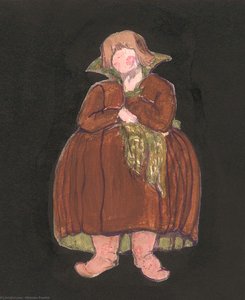
Aperçu en situation
 Partager
 Partager
 Détails

 Télécharger l'image
 Articles similaires
 Radiographie
 Voir le diaporama
Chapel


 Afficher la suite
Giclées et impressions d'art
Impressions giclées ou sur toile de qualité musée, avec une production rapide et des finitions au choix. ( Acheter la peinture faite à la main Acheter l'image)




P118B $10

P118H $10

P118W $10

P438Z $10

P508JH $12

P508YH $12

P805H $10

P805Z $10

P919BZ $10

P919G $10

P919XJ $10

P959ZH $10

P968JZ $12

W106C $8

W218G $10

W218JH $8

W218Y $10

W307PJ $10

W316G $10

W316PJ $8

W316Y $10

W398PJ $8

W4111J $10

W500HY $15

W500JH $15

W692G $12

W849H $8

W940BG $15

W953PJ $8




Choisissez parmi nos formats prédéfinis qui respectent les proportions originales de l’œuvre.

Vous pouvez saisir vos propres dimensions pour vous adapter à un cadre ou à un espace spécifique. Si la taille sélectionnée ne correspond pas aux proportions de l'image originale, nous recadrerons l'œuvre ou étendrons l'image avec une bordure en miroir ou une couleur unie. Une maquette numérique vous sera envoyée pour approbation avant le début de la production.
Veuillez noter que l'aperçu à l'écran ne reflète pas le recadrage ou l'extension réelle. Seule la maquette montrera avec précision la composition finale.
Bien que des tailles personnalisées soient disponibles, nous vous recommandons de choisir une dimension dans la liste prédéfinie afin de préserver les proportions originales.
Livraison dans le monde entier () en 2 semaines au lieu des 4/5 semaines habituelles. (25 août)

Livraison express gratuite dans le monde entier

Toile de lin de haute qualité

Assurance transport complète

Garantie de remboursement des droits de douane

Garantie de fidélité des couleurs

Politique de retour de 60 jours (uniquement en cas de défaut)

Garantie de remboursement à 100%

Tarifs dégressifs sur quantité
 L'option verre n'est disponible que pour les dimensions inférieures à 110 cm.

Chapel
Giclées et impressions d'art
Format de la reproduction
-


Prix total final
$ 80
Description de la pièce
A Visionary’s Sanctuary: Exploring Nicholas Roerich's "Chapel"
Nicholas Roerich, a figure both revered and enigmatic, possessed an artistic vision that transcended mere representation. His work wasn’t simply about depicting scenes; it was about channeling spiritual energies and weaving them into tangible forms. “Chapel,” painted in the early 20th century, stands as a potent example of this philosophy – a deeply symbolic interior space imbued with a sense of timelessness and profound contemplation. The painting immediately draws the eye to its central figure, a solitary man traversing a long, echoing hallway, his posture suggesting both purpose and a quiet introspection. This isn’t a portrait of an individual; it's a representation of the human journey through life, a symbolic pilgrimage towards something greater.
The color palette is dominated by blues – deep, resonant hues that evoke a sense of mystery and serenity. These aren’t cheerful blues, but rather those found in twilight or the depths of ancient forests, hinting at hidden knowledge and spiritual realms. The arches above, adorned with columns, create an atmosphere of grandeur and reverence, reminiscent of Byzantine churches and echoing the vastness of the cosmos. The use of light is particularly masterful; it’s diffused and ethereal, suggesting a divine presence rather than direct illumination, further reinforcing the painting's contemplative mood.
Symbolism Rooted in Roerich’s Worldview
Roerich’s artistic practice was deeply intertwined with his belief in a universal spiritual consciousness – a concept he termed “The Creative Impulse.” He saw art as a vehicle for connecting humanity to this underlying force, and "Chapel" is replete with symbolic elements reflecting this worldview. The solitary figure, walking down the hallway, represents the individual soul’s journey towards enlightenment. The arches, reminiscent of mandalas or sacred spaces, symbolize the interconnectedness of all things and the cyclical nature of existence. The two figures flanking the central figure could represent guides or mentors on that spiritual path, offering support and direction.
Furthermore, the architectural details – the columns, the arches, the overall structure – are reminiscent of ancient Russian churches, drawing upon a rich tradition of religious art and symbolism. Roerich was deeply interested in archaeology and history, believing that understanding the past held keys to unlocking the present and future. This interest is evident in his meticulous attention to detail and his incorporation of historical motifs into his work.
Technique and Artistic Style
“Chapel” exemplifies Roerich’s signature Symbolism style, characterized by its dreamlike quality, symbolic imagery, and emphasis on spiritual themes. He employed a technique that blended realism with abstraction, creating figures and spaces that felt both familiar and otherworldly. The brushstrokes are generally smooth and flowing, contributing to the painting's sense of tranquility and depth. Roerich’s use of color is particularly noteworthy – he masterfully manipulated hues to evoke specific emotions and create a powerful visual impact.
The painting’s composition is carefully balanced, with the central figure occupying a prominent position while maintaining a sense of spaciousness and openness. The long hallway draws the viewer's eye into the distance, creating a feeling of limitless possibility. It’s important to note that Roerich was also an accomplished architect and designer, and this expertise clearly informed his approach to painting – he treated each element of the composition with deliberate care and attention to detail.
A Legacy of Spiritual Art
“Chapel” is more than just a beautiful painting; it’s a profound meditation on the human condition. It invites viewers to contemplate their own spiritual journeys, to seek meaning in the face of uncertainty, and to connect with something larger than themselves. Nicholas Roerich's work continues to resonate today because of its timeless themes and its ability to evoke deep emotions. Reproductions of “Chapel” can bring a sense of peace and contemplation into any space, serving as a reminder of the beauty and mystery that lie within the human spirit.
Biographie de l'artiste
Nicholas Roerich : Vie, Art et Héritage
Jeunesse et Éducation
- Nicolas Constantinovich Roerich est né le 9 octobre 1874 à Saint-Pétersbourg, en Russie.
- Son père, notaire public allemand de la Baltique, et sa mère, une femme russe, ont cultivé chez lui un goût précoce pour les arts.
- Roerich a poursuivi le droit et l'art simultanément, s'inscrivant à l'Université de Saint-Pétersbourg et à l'Académie des Beaux-Arts impériale en 1893.
- Il a reçu le titre d'"Artiste" en 1897 et un diplôme de droit l'année suivante.
Poursuites Artistiques et Influences
- Le développement artistique de Roerich a été significativement influencé par le Symbolisme russe, un mouvement mettant l'accent sur la spiritualité et la profondeur émotionnelle.
- Il s'est impliqué dans la société "World of Art" de Sergueï Diaghilev, devenant son président de 1910 à 1916.
- Ses premières œuvres ont mis en évidence une fascination pour l'archéologie et la conception de décors de scène, menant à des collaborations sur des productions pour les Ballets Russes.
- Il a également été influencé par l'apocryphe et les écrits sectaires médiévaux comme le Livre de Colombe.
Collaboration avec les Ballets Russes
- Les conceptions de Roerich pour les Ballets Russes ont été très saluées, en particulier son travail sur l'Opéra Prince Igor d'Alexandre Borodine (1909) et l’Opéra Le Rite de Printemps d'Igor Stravinsky (1913).
- Ses décors de scène ont combiné des recherches historiques avec un art imaginatif, créant des productions visuellement époustouflantes.
- Cette collaboration l'a établi comme une figure de proue en matière de conception théâtrale au début du XXe siècle.
Développement Artistique et Thèmes
- Les peintures de Roerich ont évolué pour incorporer des thèmes de plus en plus mystiques et spirituels, reflétant son intérêt croissant pour la Théosophie et les religions orientales.
- Sa série Études architecturales (1904–1905) a démontré sa prouesse architecturale et son engagement à préserver le patrimoine culturel.
- Des motifs récurrents dans son œuvre comprennent des paysages majestueux, des villes anciennes et des figures religieuses telles que Saint Panteleimon et Kuan Yin.
- Il a souvent représenté l'Himalaya, une région qui avait un profond sens spirituel pour lui.
Réalisations Majeures et Reconnaissance
- Roerich était un défenseur dévoué de la protection de l'art et de l'architecture pendant les temps de guerre.
- Ses efforts ont conduit à la création du Pacte Roerich (1935), un traité international pour la préservation des objets culturels, lui valant de nombreuses nominations au prix Nobel de la paix.
- Il a voyagé largement en Asie centrale, menant des recherches archéologiques et documentant les cultures anciennes.
- Son œuvre est présentée dans des collections muséales prestigieuses du monde entier, notamment la Galerie d'art d'Astrachane.
Signification Historique et Héritage
- L'impact de Nicolas Roerich sur l'art et la culture russes est immeasurable.
- Il a comblé le fossé entre l'expression artistique et l'exploration spirituelle, influençant des générations d'artistes et de penseurs.
- Son engagement à préserver le patrimoine culturel reste pertinent aujourd'hui, soulignant l'importance de protéger notre héritage commun.
- L'héritage de Roerich s'étend au-delà de ses peintures ; il est souvenu comme un artiste visionnaire, érudit et humanitaire.

Nicolas Roerich
1874 - 1947 , Russie
En bref
- Artistes Influents: ['Symbolisme russe']
- Date De Décès: 13 décembre 1947
- Date De Naissance: 9 octobre 1874
- Lieu De Naissance: Saint-Pétersbourg, Russie
- Mouvement Artistique: Symbolisme russe
- Nationalité: Russe
- Nom Complet: Nicolas Roerich
- Œuvres Notables:
- Lac des Nagas
- Mont de cinq trésors
- Chemin vers Kailas 4
- Tempe-jal-tzen-baykin
- Guerrier
- Pont de Gloire
Articles similaires

Nicholas Roerich: Mysticism, Mountains & the Search for Ageless Wisdom in Art
Explore the captivating art of Nicholas Roerich – a visionary painter whose Himalayan landscapes blend spiritual mysticism with cultural preservation. Discover his legacy & symbolism.

Mastering the Heavens: A Definitive Guide to the Sistine Chapel's Renaissance Masterpieces
Embark on a sophisticated journey through the Sistine Chapel. Discover the profound artistry of Michelangelo’s frescoes, from the iconic ceiling to the altar wall, through an expert exploration of Renaissance mastery and theological depth.
Elevate Your First Impression: A Newlywed's Guide to Choosing Art Reproductions for a Stunning Hallway
Transform your hallway into a stunning gallery with our expert guide for newlyweds. Discover how to choose museum-quality art reproductions, from custom wedding portraits to timeless masterpieces, to create a breathtaking first impression in your new home.
Michelangelo : Les 25 Chefs-d'œuvre Incontournables pour Embellir Votre Intérieur
Plongez dans l'univers de Michelangelo : découvrez les 25 œuvres incontournables du maître italien. De David à la Chapelle Sixtine, explorez son génie et trouvez l'inspiration déco Renaissance sur OriginalUniqueArt.com.
Giotto di Bondone : Les 25 Chefs-d'œuvre Incontournables pour Embellir Votre Intérieur
Plongez dans l'univers de Giotto di Bondone : découvrez les 25 fresques et chefs-d'œuvre qui ont révolutionné l'art médiéval italien. Explorez son style unique, ses couleurs vibrantes et l'histoire fascinante derrière chaque œuvre. Retrouvez des reproductions d'exception sur OriginalUniqueArt.com.