

 Aperçu en situation
 Envoyer
 Partager
 Détails de l'œuvre
 Guide
Guide

 Télécharger l'image
 Articles similaires
 Radiographie
 Diaporama
 Statistiques
Crucifixion
 Acrylique sur toile
- Art mural
- Renaissance nordique
 1502
1502 531.0 x 320.0 cm
 Staatliche Kunsthalle Karlsruhe
 Lire la suite
Reproduction à l'huile faite à la main
Huile sur toile peinte à la main, avec cadre et dimensions personnalisés, réalisée sur commande par nos artistes. ( Passer au format impression Passer au format numérique)




P118B €10

P118H €10

P118W €10

P438Z €10

P508JH €12

P508YH €12

P805H €10

P805Z €10

P919BZ €10

P919G €10

P919XJ €10

P959ZH €10

P968JZ €12

W106C €8

W218G €10

W218JH €8

W218Y €10

W307PJ €10

W316G €10

W316PJ €8

W316Y €10

W398PJ €8

W4111J €10

W500HY €15

W500JH €15

W692G €12

W849H €8

W940BG €15

W953PJ €8




Choisissez parmi nos formats prédéfinis qui respectent les proportions originales de l’œuvre.

Saisissez la largeur et la hauteur souhaitées, pour s'adapter à votre cadre ou à votre mur. Cette œuvre est peinte à la main ; ainsi, pour un format de forme différente, l'artiste peut peindre un peu plus autour du tableau ou réduire légèrement les bords — c'est vous qui choisissez. Nous vous envoyons une maquette numérique pour approbation avant que la peinture ne commence. L'image présentée sur cette page ne reflète pas le résultat réel — seule la maquette le fait.
Après la commande, l’équipe OriginalUniqueArt.com contactera le client par e-mail pour recueillir ses instructions et lui fournira une maquette d’aperçu
Livraison dans le monde entier () en 3 à 4 semaines au lieu des 5 semaines habituelles. (26 octobre). Aucun compromis sur la qualité.

Livraison express gratuite dans le monde entier

Toile de lin de qualité supérieure

Assurance transport complète

Garantie de remboursement des droits de douane

Garantie de fidélité des couleurs

Politique de retour de 100 jours (uniquement en cas de défaut)

Garantie de remboursement à 100%

Offre de tarifs dégressifs
 L'option verre n'est disponible que pour les dimensions inférieures à 110 cm.

Crucifixion
Technique de reproduction
Format de la reproduction
-


Prix total
€ 263
A Glimpse into the Soul of a Master: The Crucifixion by Matthias Grünewald
Matthias Grünewald’s “Crucifixion,” painted around 1501, isn't merely a depiction of a pivotal moment in Christian history; it’s an immersive experience—a visceral plunge into the depths of human suffering and profound spiritual contemplation. Born in Würzburg around 1470, Grünewald stood as a bridge between the vibrant hues and dynamic compositions of the late medieval period and the burgeoning realism of the early Renaissance. Unlike his Italian contemporaries who embraced classical ideals, Grünewald remained firmly rooted in the traditions of Northern Europe, imbuing his work with an intensely emotional quality that continues to resonate centuries later. This particular “Crucifixion” – a panel from the Isenheim Altarpiece – is a testament to this devotion, a stark and unforgettable image born not of idealized beauty but of raw, unvarnished truth.
The painting immediately commands attention with its deliberate monochrome palette. Shades of grey—ranging from near-white highlights on Christ’s body to deep, impenetrable blacks in the shadows—create an atmosphere of profound solemnity and dramatic intensity. This restricted color scheme isn't a limitation; it’s a strategic choice that amplifies the emotional impact, stripping away any distractions and forcing the viewer to confront the brutal reality of the scene. The composition itself is powerfully vertical, emphasizing the height of the cross—a symbol of both Christ’s sacrifice and humanity’s fall. Christ's torso and limbs are centrally positioned, drawing the eye directly to his suffering, while the truncated base of the cross subtly suggests a sense of confinement and vulnerability.
The Language of Line and Texture: Technique and Craftsmanship
Grünewald’s mastery lies not just in his understanding of color and composition but also in his meticulous technique. The painting is executed primarily through hatching and cross-hatching—a method of creating tonal variations by layering lines of differing densities. This painstaking process generates a remarkable sense of texture, allowing the artist to convincingly simulate the rough grain of the wooden cross, the folds of Christ’s loincloth, and even the thorny crown piercing his head. The musculature of Christ's body is rendered with astonishing anatomical accuracy, reflecting Grünewald’s deep observation of human form—a hallmark of Northern Renaissance art. The strong, defined lines delineate every contour, creating a sense of both vulnerability and immense strength.
Furthermore, the artist employs subtle shifts in value to create depth and volume. The highlights on Christ's body draw attention to his wounds, while the shadows accentuate the contours of his form, lending him an almost sculptural quality. The overall effect is one of intense realism—a deliberate departure from the idealized representations common in Italian Renaissance art. This commitment to portraying suffering with unflinching honesty speaks volumes about Grünewald’s artistic vision and his profound engagement with the subject matter.
Symbolism, Suffering, and Spiritual Resonance
Beyond its technical brilliance, “The Crucifixion” is rich in symbolic meaning. The starkness of the image—the absence of color, the brutal depiction of Christ’s suffering—serves to heighten the emotional impact and underscore the profound spiritual weight of the scene. Christ's emaciated body, riddled with wounds and pierced by nails, embodies the ultimate sacrifice for humanity’s sins. The surrounding figures – Saint Sebastian, Saint Anthony, Mary Magdalene, and John the Baptist – each contribute to the narrative, representing themes of martyrdom, compassion, repentance, and divine grace. The inclusion of John the Baptist pointing towards Christ is a clear reference to the Gospel accounts, emphasizing the significance of his sacrifice as the fulfillment of prophecy.
The painting’s origins within the Isenheim Altarpiece—a work designed for a hospital dedicated to treating plague sufferers—add another layer of meaning. Grünewald's choice of monochrome and his unflinching portrayal of suffering were intended to provide comfort and solace to those afflicted with illness, reminding them that Christ shared in their pain and offered hope amidst despair. “The Crucifixion” is therefore not simply a historical depiction but a powerful meditation on faith, suffering, and redemption—a timeless masterpiece that continues to move viewers centuries after its creation.
Further Research: For more detailed information, consider visiting the National Gallery of Art’s website for a high-resolution image and accompanying text. You can also explore Wikipedia’s entry on Matthias Grünewald for biographical details and historical context, or delve into articles like “Crucifixion, by Matthias Grünewald” on Christian Century.
Questions et réponses
Dans quel musée se trouve l'original de « Crucifixion » ?
L'original de «Crucifixion» de Matthias Grünewald est conservé au Staatliche Kunsthalle Karlsruhe, Carlsruhe, Allemagne. Une reproduction permet d'exposer l'œuvre chez soi.
Comment la composition chromatique de «Crucifixion» de Matthias Grünewald est-elle construite ?
Dans « Crucifixion », un Doux contraste s'allie à une Palette unifiée harmonie.
Quelle place occupe « Crucifixion » parmi les thèmes récurrents de Matthias Grünewald ?
Parmi les thèmes récurrents de Matthias Grünewald — réalisme de la renaissance nordique, dévotion religieuse, souffrance, symbolisme médiéval, piété, retable, focalisation dévotionnelle, style émotionnel de grünewald — « Crucifixion » met l'accent sur crucifixion, souffrance, religion, médiéval, grünewald, retable, martyre.
Biographie de l'artiste
Matthias Grünewald : Vie et Héritage
Jeunesse et Débuts Artistiques
Matthias Grünewald, né Mathis Gothart Neithardt vers 1470-1475 à Würzburg, en Allemagne, est une figure centrale du Renouveau allemand. Bien qu'il ait vécu dans une période de plus en plus influencée par les idéaux du Renouveau italien, Grünewald est resté profondément ancré dans les traditions artistiques tardives de l’Europe centrale médiévale. Les détails sur sa jeunesse sont rares, mais il est connu qu'il a reçu une formation artistique, probablement au sein d'ateliers locaux.
Développement Artistique et Influences
Le développement artistique de Grünewald a été façonné par les traditions nordiques prévalentes de réalisme, d’intensité émotionnelle et d’observation détaillée. Son œuvre témoigne des influences d'artistes tels qu'Albrecht Dürer et Martin Schongauer, mais il a tracé un chemin unique caractérisé par une expression dramatique et des couleurs vives. Il n'a pas été directement impliqué dans les cercles humanistes prévalents en Italie ; à la place, son art servait principalement à des fins religieuses, reflétant les angoisses spirituelles de son temps.
Œuvres Majeures et Style Artistique
- L'Autel d’Issenheim (1512-1516) : Ce chef-d'œuvre, exposé au Musée d'Unterlinden à Colmar, est considéré comme l'apogée de Grünewald. Il dépeint des scènes de la vie du Christ avec un réalisme saisissant, en particulier en se concentrant sur la souffrance et le salut.
- La Crucifixation (c. 1502-1503) : Une œuvre précoce démontrant son style en développement, mettant en valeur une émotion intense et un détail anatomique.
- Vierge de l'Annonciation (1512-14) : Étude pour l’Autel d’Issenheim, révélant son processus de planification méticuleux.
- Moïse (1511) : Dessin mettant en évidence le talent de Grünewald pour capturer des figures expressives et des poses dramatiques.
Le style de Grünewald se distingue par:
- Composition Dramatique : Il a utilisé des arrangements dynamiques pour intensifier l'impact émotionnel.
- Palette de Couleurs Vives : Son utilisation de couleurs intenses, souvent contrastées, a créé une expérience visuelle puissante.
- Représentation Réaliste de la Souffrance : Grünewald n’a pas hésité à représenter la douleur physique et émotionnelle associée aux récits religieux.
- Figures Expressives : Ses figures sont imprégnées d'émotions fortes et de profondeur psychologique.
Signification Historique et Héritage
L’œuvre de Grünewald témoigne du pouvoir durable des traditions artistiques médiévales en Allemagne au cours du Renouveau. Il a comblé le fossé entre le style gothique tardif et l'émergence du Renouveau, créant une langue visuelle unique qui a résonné auprès de ses contemporains. Son influence peut être observée chez les artistes allemands ultérieurs qui ont continué à explorer des thèmes de ferveur religieuse et d’intensité émotionnelle. Bien qu'il ait été largement oublié après sa mort en 1528, Grünewald a connu un regain d'intérêt au XIXe siècle, et aujourd'hui il est reconnu comme l'un des peintres les plus importants du Renouveau allemand. Son art continue de captiver les spectateurs par son émotion brute, son génie technique et sa profondeur spirituelle profonde.
Exploration Complémentaire
Découvrez-en davantage sur la vie et l'œuvre de Matthias Grünewald à : OriginalUniqueArt

Matthias Grünewald
1480 - 1528 , Allemagne
L'essentiel de l'artiste
- Artistic Movement Or Style: Renaissance allemande
- Artists Or Movements Influenced By This Artist:
- Renaissance italienne
- Art gothique tardif
- Artists Who Influenced This Artist:
- Albrecht Dürer
- Martin Schongauer
- Date Of Birth: c. 1475/1480
- Date Of Death: 1528
- Full Name: Matthias Grünewald
- Nationality: Allemand
- Notable Artworks:
- Retable d'Issenheim
- La Crucifixion
- Vierge de l'Annonciation
- Moïse
- Place Of Birth: Würzburg, Allemagne
Articles connexes

10 chefs-d'œuvre du Réalisme Romantique qui capturent l'âme humaine
Plongez dans l'émotion du Réalisme Romantique. Explorez 10 chefs-d'œuvre iconiques, de Constable à Homer, mêlant vérité et passion. Trouvez l'inspiration pour votre décor avec nos reproductions de qualité musée sur OriginalUniqueArt.com. Découvrez toute la collection en ligne.
Échos de la Société : Explorer l'Héritage Durable du Réalisme Social dans l'Art
Explorez l'héritage durable du réalisme social dans l'art ! Découvrez Courbet, Manet, Sekoto et bien d'autres artistes engagés. Analyse approfondie et reproductions haute qualité sur OriginalUniqueArt.
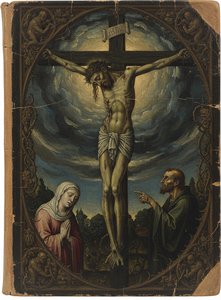
Matthias Grünewald : Dévotion, Distorsion et Tourments Spirituels dans l'Art de la Renaissance
Explorez l'œuvre poignante de Matthias Grünewald, figure majeure de la Renaissance allemande. Analyse approfondie de son iconographie expressive et du célèbre Retable d'Isenheim. Découvrez un art empreint de dévotion et de tourments spirituels.
The Raw Truth: A Definitive Guide to the Power and Legacy of Social Realism Art
Explore the profound impact of Social Realism. Discover how masters like Courbet rejected idealism to capture the raw, socio-political truths of the working class through powerful, unvarnished art history and enduring visual critique.

La Renaissance Septentrionale : Éclosion du Réalisme et de l'Innovation Artistique
Explorez la Renaissance septentrionale et l'éclosion du réalisme flamand avec OriginalUniqueArt. Découvrez Jan van Eyck, Robert Campin et les techniques révolutionnaires de cette période artistique majeure.


