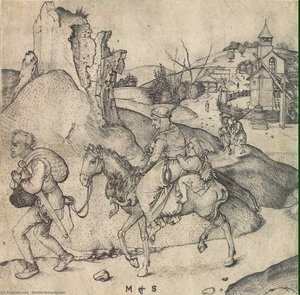
Aperçu en situation
 Envoyer
 Partager
 Détails de l'œuvre
 Guide
Guide

 Télécharger l'image
 Articles similaires
 Radiographie
 Diaporama
 Q&A
Q&A Statistiques
Nativity (detail)


 Lire la suite
Giclées et impressions d'art
Impressions giclées ou sur toile de qualité musée, avec une production rapide et des finitions au choix. ( Commander la reproduction peinte à la main Passer au format numérique)




P118B €10

P118H €10

P118W €10

P438Z €10

P508JH €12

P508YH €12

P805H €10

P805Z €10

P919BZ €10

P919G €10

P919XJ €10

P959ZH €10

P968JZ €12

W106C €8

W218G €10

W218JH €8

W218Y €10

W307PJ €10

W316G €10

W316PJ €8

W316Y €10

W398PJ €8

W4111J €10

W500HY €15

W500JH €15

W692G €12

W849H €8

W940BG €15

W953PJ €8




Choisissez parmi nos formats prédéfinis qui respectent les proportions originales de l’œuvre.

Saisissez la largeur et la hauteur souhaitées pour qu'elles s'adaptent à votre cadre ou à votre mur. Une impression peut être recadrée, mais jamais agrandie au-delà de l'image originale ; ainsi, un format de forme différente entraînera la perte d'une partie de l'image. Nous vous envoyons une maquette numérique pour approbation avant toute impression. L'image présentée sur cette page ne montre pas le recadrage réel — seule la maquette le permet.
Livraison dans le monde entier () en 2 semaines au lieu des 4/5 semaines habituelles. (2 novembre)

Livraison express gratuite dans le monde entier

Toile de lin de qualité supérieure

Assurance transport complète

Garantie de remboursement des droits de douane

Garantie de fidélité des couleurs

Politique de retour de 100 jours (uniquement en cas de défaut)

Garantie de remboursement à 100%

Offre de tarifs dégressifs
 L'option verre n'est disponible que pour les dimensions inférieures à 110 cm.

Nativity (detail)
Giclées et impressions d'art
Format de la reproduction
-


Prix total
€ 71
A Sacred Glimpse into Northern Renaissance Devotion
In the quiet intimacy of Martin Schongauer’s Nativity (detail), we are invited to step back into the late 15th century, a period where the boundaries between the earthly and the divine were rendered with breathtaking clarity. This exquisite fragment, part of a larger masterpiece currently held in the British Museum, serves as more than just a religious illustration; it is a window into the soul of the Northern Renaissance. As we gaze upon the kneeling Virgin Mary beside the Christ Child, we feel the profound stillness of that holy night. Schongauer, an artist whose name was whispered with reverence by contemporaries like Albrecht Dürer, captures a moment of serene solemnity that transcends time, offering a meditative experience for any viewer fortunate enough to encounter its delicate beauty.
The technical mastery displayed in this work is nothing short of extraordinary. Executed on a durable oak panel—a hallmark of the era’s enduring craftsmanship—the painting reveals Schongauer’s ability to manipulate light and texture through the meticulous layering of thin oil glazes. One cannot help but be captivated by the tactile realism: the rough, organic weave of the blankets, the dry prickle of the straw within the manger, and the soft, luminous skin of the infant Jesus. By subtly flattening the landscape in the background, Schongauer directs our gaze inward, toward the central figures, creating a sense of depth that pulls the observer into this intimate tableau. The play of light and shadow does not merely illuminate the scene; it breathes life into the textures, heightening the drama while maintaining an atmosphere of peaceful reverence.
Symbolism and the Language of Faith
Every element within this composition is steeped in a rich tapestry of medieval symbolism, designed to guide the faithful through layers of spiritual meaning. The presence of the oxen flanking the manger is not merely a pastoral detail; these animals serve as potent symbols of fertility, strength, and the enduring provision of God for humanity. As shepherds approach from the periphery, their very presence embodies the virtues of humility and piety, representing the common folk who were the first to recognize the divine presence in the lowliest of settings. This interplay between the humble landscape and the profound theological truths creates a narrative that is both accessible to the layperson and intellectually stimulating for the scholar.
For the discerning collector or interior designer, this piece offers an unparalleled opportunity to introduce a sense of historical weight and spiritual tranquility into a space. A high-quality reproduction of this detail allows the soft, muted tones and the intricate Gothic aesthetic to harmonize with sophisticated modern interiors, providing a focal point that encourages reflection. It is a work that does not shout for attention but rather commands it through its quiet, persistent grace. To possess such an image is to hold a piece of the Northern Renaissance's enduring legacy—a testament to a time when art was the ultimate bridge between the human heart and the heavens.
Questions et réponses
L'œuvre « Nativity (detail) » est-elle dans le domaine public ?
«Nativity (detail)» de Martin Schongauer est dans le dans le domaine public - ses droits d'auteur sont tombés dans le domaine public. Ce statut régit les modalités de reproduction de l'image de l'œuvre.
Où et pour quel usage l'œuvre "Nativity (detail)" est-elle recommandée ?
L'utilisation (Mood) et l'espace (Living Room) sont les deux recommandations enregistrées pour «Nativity (detail)» de Martin Schongauer.
Que représente «Nativity (detail)» de Martin Schongauer ?
L'œuvre « Nativity (detail) » représente nativity, shepherds, manger scene, religious art, medieval painting, renaissance detail, oxen.
Biographie de l'artiste
Martin Schongauer : Vie et Héritage
Jeunesse et Formation
Martin Schongauer, né vers 1450 à Colmar, en Alsace (aujourd'hui France), est une figure clé dans le développement de l’estampe pendant la Renaissance du Nord. Il venait d’une famille d’artisans ; son père, Caspar Schongauer, était un orfèvre qui s’était installé à Colmar depuis Augsbourg, en Allemagne, vers 1440. Cet héritage familial a influencé considérablement sa formation artistique précoce, car l'orfèvrerie lui a fourni une base solide en précision et en techniques de travail du métal – des compétences directement transférables à la gravure.
Éducation et Développement Artistique
En 1465, Schongauer a brièvement étudié à l’Université de Leipzig, mais il a rapidement abandonné les études académiques pour se consacrer pleinement à l’art. Il s’est d’abord formé comme peintre auprès de Caspar Isenmann, un maître local influencé par la peinture néerlandaise du Nord, en particulier le travail de Rogier van der Weyden. Cette première exposition à la réalité néerlandaise et à l'attention aux détails deviendrait des caractéristiques propres au style de Schongauer.
Style Artistique et Influences
Le style artistique de Schongauer est caractérisé par une esthétique gothique claire et organisée, combinée aux influences émergentes de la Renaissance du Nord. Il n’a pas eu d’influence directe italienne, mais a puisé son inspiration dans les traditions allemandes et néerlandaises du Nord. Son œuvre démontre un souci du détail, des figures expressives et une compréhension sophistiquée de la composition.
- Caractéristiques Clés : Gravure précise, représentations réalistes, récits dramatiques, structure gothique
- Influences : Rogier van der Weyden, Caspar Isenmann, traditions gothiques allemandes
Réalisations Majeures et Œuvres
Schongauer est surtout connu pour ses 116 gravures, chacune portant sa monogramme. Ces estampes ont été largement diffusées en Europe, influençant considérablement le développement des techniques et des styles d’estampe. Ses gravures représentaient souvent des scènes religieuses, des portraits et des sujets allégoriques.
- La Madone du jardin de roses (1473) : Une peinture significative présentant sa maîtrise de la représentation des détails délicats et de la profondeur émotionnelle.
- Gravures : Incluant *La Tentation d’Antoine*, *L'Adoration des bergers* et de nombreuses autres, démontrant sa maîtrise de la technique de la gravure.
Signification Historique et Héritage
L’impact de Martin Schongauer sur le monde de l’art était considérable. Il a été l'un des premiers artistes allemands à obtenir une reconnaissance internationale en tant que graveur. Ses estampes étaient très recherchées et largement copiées, diffusant son style artistique dans toute l’Europe. Il est même documenté que Michel-Ange lui-même étudiait et copiait l’une de ses gravures – *Le Jugement d'Antoine* – démontrant le respect auquel Schongauer était tenu par les maîtres ultérieurs.
L’œuvre de Schongauer a comblé le fossé entre l’art gothique et la Renaissance, ouvrant la voie à des artistes comme Albrecht Dürer. Son utilisation innovante des techniques de gravure et son engagement envers le détail artistique ont laissé un héritage durable sur l'histoire de l'estampe et de l'art nord-européen.
Décès
Martin Schongauer est décédé à Breisach le 2 février 1491, laissant derrière lui un corps d’œuvre remarquable qui continue d’être célébré pour son mérite artistique et sa signification historique.

Martin Schongauer
1450 - 1491 , Allemagne
L'essentiel de l'artiste
- Artistic Movement Or Style: Renaissance du Nord
- Artists Or Movements Influenced By This Artist: ['Albrecht Dürer']
- Artists Who Influenced This Artist:
- Rogier van der Weyden
- Caspar Isenmann
- Date Of Death: 1491
- Full Name: Martin Schongauer
- Nationality: Allemand
- Notable Artworks:
- La Madone du jardin de roses
- Gravures : La Tentation d’Antoine
- L'Adoration des bergers
- Place Of Birth: Colmar, Allemagne
Articles connexes

L'Excellence de l'Impression Giclée : Guide Technique pour des Reproductions d'Art de Qualité Musée
Maîtrisez la technique giclée et les encres pigmentaires pour vos collections. Découvrez les secrets d'une impression de qualité musée.
Les 10 Chefs-d'œuvre à l'Huile sur Panneau qui ont Révolutionné l'Art |
Plongez dans l'histoire des 10 chefs-d'œuvre à l'huile sur panneau qui ont marqué l'art pour toujours. Découvrez Jan van Eyck, Botticelli et les maîtres flamands. Inspirez votre décoration intérieure avec – reproductions d'art de qualité musée.
Oil on Panel: A Historical Survey of Technique, Support & Aesthetic Evolution
Explore the rich history of oil on panel painting! Discover Renaissance techniques, support structures & aesthetic evolution. Expert insights for art collectors and enthusiasts.

L'Éclat de l'Huile sur Panneau : Capturer la Lumière et la Texture Impressionniste
Découvrez l'expertise des maîtres sur la texture et la lumière de l'huile. Explorez la magie du relief impressionniste dès maintenant.

Peinture à l'huile sur panneau : secrets de précision et de durabilité des Maîtres
Maîtrisez les secrets de la peinture sur panneau et du glacis des Maîtres. Explorez l'excellence technique dès maintenant.