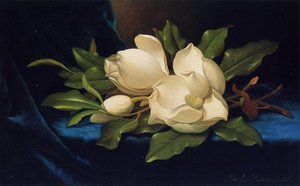
Aperçu en situation
 Envoyer
 Partager
 Détails de l'œuvre
 Guide
Guide

 Télécharger l'image
 Articles similaires
 Radiographie
 Diaporama
 Statistiques
Dawn


 Lire la suite
Giclées et impressions d'art
Impressions giclées ou sur toile de qualité musée, avec une production rapide et des finitions au choix. ( Commander la reproduction peinte à la main Passer au format numérique)




P118B €10

P118H €10

P118W €10

P438Z €10

P508JH €12

P508YH €12

P805H €10

P805Z €10

P919BZ €10

P919G €10

P919XJ €10

P959ZH €10

P968JZ €12

W106C €8

W218G €10

W218JH €8

W218Y €10

W307PJ €10

W316G €10

W316PJ €8

W316Y €10

W398PJ €8

W4111J €10

W500HY €15

W500JH €15

W692G €12

W849H €8

W940BG €15

W953PJ €8




Choisissez parmi nos formats prédéfinis qui respectent les proportions originales de l’œuvre.

Saisissez la largeur et la hauteur souhaitées pour qu'elles s'adaptent à votre cadre ou à votre mur. Une impression peut être recadrée, mais jamais agrandie au-delà de l'image originale ; ainsi, un format de forme différente entraînera la perte d'une partie de l'image. Nous vous envoyons une maquette numérique pour approbation avant toute impression. L'image présentée sur cette page ne montre pas le recadrage réel — seule la maquette le permet.
Livraison dans le monde entier () en 2 semaines au lieu des 4/5 semaines habituelles. (26 octobre)

Livraison express gratuite dans le monde entier

Toile de lin de qualité supérieure

Assurance transport complète

Garantie de remboursement des droits de douane

Garantie de fidélité des couleurs

Politique de retour de 100 jours (uniquement en cas de défaut)

Garantie de remboursement à 100%

Offre de tarifs dégressifs
 L'option verre n'est disponible que pour les dimensions inférieures à 110 cm.

Dawn
Giclées et impressions d'art
Format de la reproduction
-


Prix total
€ 70
A Luminist’s Quiet Vision: The Life and Art of Martin Johnson Heade
Martin Johnson Heade (1819 – 1904), born in the serene Pennsylvania countryside, stands as a quietly influential figure in American art history—a painter whose luminous landscapes and intimate depictions of nature gradually emerged from relative obscurity to claim their rightful place among the nation’s most significant artistic achievements. His formative years in Lumberville, nestled along the Delaware River, instilled within him an enduring reverence for the natural world, an affection nurtured by initial studies under local artists Edward and possibly Thomas Hicks. These foundational lessons provided Heade with the technical skills that would later coalesce into a distinctive style, though his journey to artistic recognition proved anything but straightforward. Initially drawn to portraiture, his early works demonstrate a proficient hand but lack the singular vision that would ultimately characterize his mature oeuvre. A pivotal period of travel in Europe broadened Heade’s artistic perspective, exposing him to Impressionist influences and fostering experimentation with bolder brushstrokes—a deliberate departure from the restrained palette and meticulous detail favored by Luminism, the movement he championed. Luminism, born in the mid-1850s, represented a reaction against Romantic idealism, prioritizing atmospheric effects and capturing fleeting moments of beauty rather than grand narratives or dramatic compositions. Artists like Heade sought to convey not just what they saw but how they *felt*, immersing viewers in the tranquility and majesty of unspoiled wilderness. Heade’s technique was remarkably consistent throughout his prolific career—primarily employing oil paints on canvas, applying thin layers of pigment mixed with linseed oil to achieve a velvety surface texture. This method allowed for subtle gradations of color and luminosity, mirroring the diffused light characteristic of dawn landscapes. Unlike Impressionists who aimed to capture immediate sensory impressions, Heade meticulously built up his paintings over time, patiently blending colors and reworking sections until he achieved the desired tonal harmony. The resulting images possess an ethereal quality—a palpable stillness that invites contemplation and evokes a profound connection with nature’s rhythms. “Dawn,” painted in 1862, exemplifies this Luminist aesthetic perfectly. The canvas depicts a tranquil beach scene bathed in the nascent glow of sunrise. Gentle waves lap against the shore, reflecting the rosy hues of the rising sun—a masterful orchestration of color and light that captures the essence of early morning serenity. Scattered boats bobbing on the water add to the visual richness of the composition, while two figures stand silhouetted against the horizon, seemingly absorbed in observing this sublime spectacle. The artist’s careful attention to detail—the texture of the sand, the ripples on the water surface, and the subtle variations in color—contributes to an immersive experience for the viewer. Symbolically, “Dawn” speaks to themes of renewal and hope—a visual representation of the promise held within each new day. The luminous light symbolizes enlightenment and spiritual awakening, mirroring the Luminist preoccupation with capturing transcendent beauty. Furthermore, the depiction of nature’s undisturbed grandeur underscores the movement's belief in its restorative power, offering solace and inspiration amidst the complexities of Victorian society. Ultimately, “Dawn” transcends mere representation; it aspires to evoke emotion—a feeling of profound peace and wonder at the majesty of creation. Its enduring appeal lies in its ability to transport viewers back to a time when art sought not just to depict reality but to communicate its deepest truths. Reproductions of this masterpiece continue to captivate collectors and interior designers alike, serving as reminders of Luminism’s legacy—a testament to the power of understated beauty and the importance of preserving the unspoiled splendor of our natural world.Questions et réponses
Quelle est l'atmosphère générale de «Dawn» de Martin Johnson Heade ?
«Dawn» de Martin Johnson Heade est décrit comme dégageant une atmosphère Serene. Cette classification peut aider à harmoniser l'œuvre avec un décor.
«Dawn» de Martin Johnson Heade est-elle une œuvre lumineuse ou sombre ?
Dans l'ensemble, « Dawn » présente une luminosité de brilliant. La luminosité perçue décrit si l'œuvre paraît claire ou sombre.
Puis-je voir «Dawn» de Martin Johnson Heade sous différents éclairages ?
La vue X de «Dawn» de Martin Johnson Heade est disponible sur la page Radiographie de l'œuvre : une exploration interactive de l'image à travers onze couches optiques.
Biographie de l'artiste
Première vie et formation
Martin Johnson Heade, un peintre américain, est né le 11 août 1819 à Lumberville, en Pennsylvanie. Sa jeunesse fut marquée par une forte inclination pour l'art, ce qui le conduisit à étudier sous la tutelle d’Edward Hicks et possiblement de Thomas Hicks. Cette formation fondamentale posa les bases de ses futures réalisations artistiques.Carrière artistique
La carrière artistique de Heade peut être globalement divisée en plusieurs phases, chacune étant marquée par un changement distinct dans son sujet et son style. Initialement, il se concentra sur le portrait, avec son œuvre la plus ancienne connue datant de 1839. Par la suite, il voyagea en Europe, où il fut exposé à diverses influences artistiques.- Son travail commença à montrer un intérêt marqué pour la peinture de paysage, notamment après avoir rencontré des artistes de l'Hudson River School, tels que John Frederick Kensett et Benjamin Champney.
- Ses voyages au Brésil (1863-1864) et ses voyages ultérieurs en Nicaragua, Colombie, Panama et Jamaïque (1866 et 1870) influencèrent profondément son œuvre, conduisant à une série de petites peintures représentant des colibris.
- Ses dernières années à St. Augustine, en Floride, furent marquées par un intérêt accru pour la nature morte, en particulier les fleurs de magnolias posées sur du velours.
Style et Œuvres Notables
Le style de Martin Johnson Heade se caractérise par une approche romantique de ses sujets, souvent axée sur le jeu d'ombre et de lumière. Ses œuvres les plus renommées comprennent des représentations des marais salants côtiers de la Nouvelle-Angleterre, ce qui a conduit certains historiens à le catégoriser comme un peintre luministe.- Son œuvre fait désormais partie d’importants musées et collections, notamment la collection Martin Johnson Heade sur OriginalUniqueArt.
- Certaines de ses peintures notables, telles que *Forked Tailed Woodnymph*, peuvent être trouvées dans la collection sur OriginalUniqueArt.
- Pour plus d'informations sur la vie et l'œuvre de Heade, consultez la page Wikipédia sur Martin Johnson Heade.
Héritage
Bien qu’il n’ait pas été largement reconnu de son vivant, l'œuvre de Martin Johnson Heade a attiré l'attention des érudits et des collectionneurs depuis les années 1940. Aujourd'hui, il est reconnu comme un artiste américain majeur, ses peintures étant parfois découvertes dans des endroits inattendus tels que des ventes de garage et des marchés aux puces. Points clés :- Né : 11 août 1819, Lumberville, Pennsylvanie
- Décédé : 4 septembre 1904
- Œuvres notables : paysages de marais salants, marines, représentations d'oiseaux tropicaux, lotus et natures mortes
- Style : approche romantique avec un accent sur l’ombre et la lumière, classé comme peintre luministe
- Collections : principaux musées et la collection Martin Johnson Heade sur OriginalUniqueArt

Martin Johnson Heade
1819 - 1904 , États-Unis d'Amérique
L'essentiel de l'artiste
- Artistic Movement Or Style: Luminisme, Romantisme
- Artists Who Influenced This Artist:
- Edward Hicks
- Thomas Hicks
- John Frederick Kensett
- Benjamin Champney
- Date Of Birth: 11 août 1819
- Date Of Death: 4 septembre 1904
- Full Name: Martin Johnson Heade
- Nationality: Américain
- Notable Artworks:
- Forked Tailed Woodnymph
- Lotus Blossom with Hummingbird
- Place Of Birth (City And Country): Lumberville, États-Unis
Articles connexes
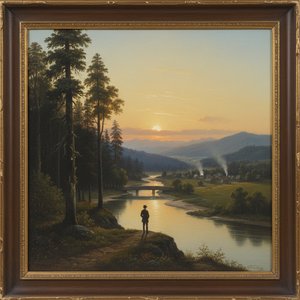
Robert Spencer: Luminism, Narrative & the American Landscape Tradition
Explore the captivating world of Luminism & the Hudson River School with our expert analysis. Discover the history, artists, and enduring beauty of 19th-century American landscape painting. Find museum-quality reproductions at OriginalUniqueArt.
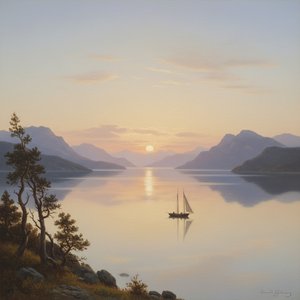
Sanford Robinson Gifford: Luminism & the American Landscape Tradition
Explore the serene landscapes of Sanford Robinson Gifford, a leading Luminist painter of the Hudson River School. Discover his mastery of light, atmospheric effects & lasting influence on American art. Hand-painted reproductions available.
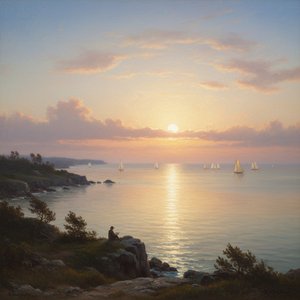
William Trost Richards: Luminism, Spirituality & the American Landscape Tradition
Explore the captivating landscapes of William Trost Richards, a master of Luminism associated with both the Hudson River School & American Pre-Raphaelite movements. Discover his spiritual connection to nature and lasting influence on American art.
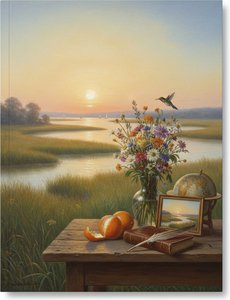
Martin Johnson Heade: Luminism, American Identity & the Poetic Still Life
Explore the captivating world of Martin Johnson Heade, a master of Luminism. Discover his serene landscapes, vibrant still lifes & profound connection to American identity. Learn about his techniques and legacy.

Luminism: Capturing the Ethereal Glow of Light in American Landscape Painting
Explore the ethereal beauty of Luminism. Discover how 19th-century American masters captured light and atmosphere through profound landscape painting. Learn about this iconic movement and find museum-quality, hand-painted oil reproductions to bring historical brilliance to your home.