

 Aperçu en situation
 Partager
 Partager
 Détails

 Télécharger
 Articles similaires
 Radiographie
 Voir le diaporama
 Statistiques
Visitation
 Oil
Oil- WallArt
- High Renaissance
 1503
1503 232.0 x 146.0 cm
 Galleria degli Uffizi
 Afficher la suite
Giclées et impressions d'art
Impressions giclées ou sur toile de qualité musée, avec une production rapide et des finitions au choix. ( Acheter la peinture faite à la main Passer au format image numérique)




P118B $10

P118H $10

P118W $10

P438Z $10

P508JH $12

P508YH $12

P805H $10

P805Z $10

P919BZ $10

P919G $10

P919XJ $10

P959ZH $10

P968JZ $12

W106C $8

W218G $10

W218JH $8

W218Y $10

W307PJ $10

W316G $10

W316PJ $8

W316Y $10

W398PJ $8

W4111J $10

W500HY $15

W500JH $15

W692G $12

W849H $8

W940BG $15

W953PJ $8




Choisissez parmi nos formats prédéfinis qui respectent les proportions originales de l’œuvre.

Vous pouvez saisir vos propres dimensions pour vous adapter à un cadre ou à un espace spécifique. Si la taille sélectionnée ne correspond pas aux proportions de l'image originale, nous recadrerons l'œuvre ou étendrons l'image avec une bordure en miroir ou une couleur unie. Une maquette numérique vous sera envoyée pour approbation avant le début de la production.
Veuillez noter que l'aperçu à l'écran ne reflète pas le recadrage ou l'extension réelle. Seule la maquette montrera avec précision la composition finale.
Bien que des tailles personnalisées soient disponibles, nous vous recommandons de choisir une dimension dans la liste prédéfinie afin de préserver les proportions originales.
Livraison dans le monde entier () en 2 semaines au lieu des 4/5 semaines habituelles. (13 septembre)

Livraison express gratuite dans le monde entier

Toile de lin de haute qualité

Assurance transport complète

Garantie de remboursement des droits de douane

Garantie de fidélité des couleurs

Garantie de retour de 100 jours (uniquement en cas de défaut)

Garantie de remboursement à 100%

Tarifs dégressifs sur quantité
 L'option verre n'est disponible que pour les dimensions inférieures à 110 cm.

Visitation
Giclées et impressions d'art
Format de la reproduction
-


Prix total final
$ 80
The Serene Encounter: Mariotto Albertinelli’s “Visitation”
Mariotto Albertinelli's "Visitation," painted in 1503 and now residing within the hallowed halls of the Galleria degli Uffizi in Florence, is more than just a depiction of a biblical scene; it’s a masterful distillation of Renaissance ideals – a harmonious blend of classical grace, burgeoning naturalism, and profound spiritual contemplation. This intimate portrayal of Mary's visit to her cousin Elizabeth resonates with an almost palpable serenity, inviting the viewer into a moment of quiet reverence and offering a glimpse into the heart of Christian faith.
The painting immediately establishes its setting through a carefully constructed architectural backdrop: a classical arcade, reminiscent of Roman ruins yet imbued with a distinctly Florentine sensibility. This structure, subtly receding into the distance, provides depth and grandeur while simultaneously grounding the scene in a tangible reality. The muted pietra serena – a patterned marble effect – creates a sense of timelessness, anchoring the narrative within an enduring tradition of artistic representation.
A Dance of Light and Color
Albertinelli’s technical prowess is immediately evident in his masterful manipulation of light and color. He employs *chiaroscuro*, a technique borrowed from Leonardo da Vinci, to sculpt the figures, creating a dramatic interplay between illumination and shadow that lends them remarkable volume and presence. The soft glow bathing Mary and Elizabeth – originating from the left side of the composition – casts delicate shadows on their right sides, drawing our eyes directly to these central figures. The palette itself is restrained yet vibrant; the rich blues of Mary’s cloak contrast beautifully with the warm yellows adorning Elizabeth, while subtle greens and browns ground the scene in a believable landscape.
Noticeably, Albertinelli doesn't simply replicate the biblical narrative; he imbues it with an emotional resonance. The figures are not merely presented as subjects of religious devotion but as women engaged in a deeply personal exchange – a moment of shared understanding and mutual support. Their gestures—a gentle embrace, a look of quiet contemplation—speak volumes about their connection and the profound significance of this encounter.
Symbolism and Renaissance Ideals
Beyond its immediate visual appeal, “Visitation” is rich in symbolic meaning. The visit itself represents the fulfillment of prophecy – Elizabeth’s conception of John the Baptist foreshadowing the birth of Jesus. The clothing worn by Mary and Elizabeth—a blue cloak signifying purity and a yellow dress representing royalty and divine grace—further reinforces this symbolism. The architectural setting, with its echoes of classical antiquity, reflects the Renaissance fascination with reviving the artistic principles of ancient Greece and Rome, demonstrating a belief in human potential and the pursuit of beauty and harmony.
Furthermore, Albertinelli’s work embodies the humanist ideals prevalent during the High Renaissance. He elevates the ordinary—a simple visit between two women—to a moment of profound spiritual significance, suggesting that even the most commonplace events can be imbued with meaning and grace. The painting serves as a testament to the era's belief in the interconnectedness of all things – faith, art, and human experience.
A Timeless Masterpiece: Reproductions Available
For art enthusiasts and collectors seeking an authentic representation of this iconic Renaissance masterpiece, OriginalUniqueArt.com offers meticulously crafted oil painting reproductions of Mariotto Albertinelli’s “Visitation.” Utilizing traditional techniques and employing the finest materials, our artisans ensure that each reproduction captures not only the visual details but also the emotional depth and spiritual resonance of the original. These reproductions are a beautiful way to bring this timeless work of art into your home or office, allowing you to appreciate its beauty and significance for generations to come.
To learn more about Mariotto Albertinelli and his artistic legacy, visit Wikipedia. And explore our collection of Albertinelli reproductions at WGA.
Biographie de l'artiste
Mariotto Albertinelli : Peintre de la Renaissance Florentine
- Né : Florence, Italie (1474)
- Décédé : 1515
Jeunesse et Formation
Mariotto di Bigio di Bindo Albertinelli est né à Florence, fils d'un doreur. Il était enfant unique et sa mère décéda alors qu’il n’avait que cinq ans. Initialement formé comme doreur jusqu'à l'âge de 12 ans, il devint ensuite l'élève de Cosimo Rosselli, partageant des études avec Fra Bartolomeo. La forte amitié entre Albertinelli et Fra Bartolomeo les conduisit à établir un atelier commun à Florence en 1494.
Développement Artistique et Influences
Le style d'Albertinelli témoigne de l'influence de plusieurs artistes importants, dont Perugino, Piero di Cosimo, Lorenzo di Credi et les peintres flamands. Ses premières œuvres, produites indépendamment de Fra Bartolomeo, sont stylistiquement distinctes et révèlent un goût raffiné pour le détail. Piero di Cosimo lui introduisit aux techniques flamandes, enrichissant sa palette artistique. Une période d'indépendance suivit l'entrée de Fra Bartolomeo dans l'ordre dominicain en 1500, permettant à Albertinelli de développer sa propre voix tout en maintenant un lien avec le style de son ancien mentor.
Œuvres Majeures et Collaborations
- La Visitation (1503) : Exposée à la Galerie des Offices, elle est considérée comme le chef-d'œuvre d'Albertinelli. Elle dépeint l'histoire biblique de la visite d'Élisabeth à Marie, mettant en valeur sa compétence en composition, représentation narrative et mélangeant les influences de Fra Bartolomeo et Perugino.
- Retable pour la Chapelle de la Congrégation de San Martino : Ce retable comprend des panneaux représentant la Visitation, l'Annonciation, la Nativité et la Circoncision. Il démontre la capacité d'Albertinelli à créer une narration cohérente sur plusieurs panneaux.
- Tondo Kress : Initialement attribué uniquement à Fra Bartolomeo, on pense maintenant qu’Albertinelli a utilisé le carton de son partenaire pour sa création, soulignant leur relation collaborative.
- L'Annonciation (1511) : Un travail conjoint avec Fra Bartolomeo, présentant une période de convergence stylistique et de collaboration.
Signification Historique et Héritage
La carrière artistique d'Albertinelli reflète les changements dynamiques au sein de la peinture florentine pendant la Haute Renaissance. Sa capacité à synthétiser des influences diverses – la grâce de Perugino, le détail flamand et la technique du sfumato de Léonard – a créé un style unique qui a contribué à la richesse de l'art florentin. Il forma des artistes notables tels que Jacopo da Pontormo, Innocenzo di Pietro Francucci da Imola et Giuliano Bugiardini, assurant ainsi que son influence s’étendait au-delà de ses propres œuvres. Malgré les difficultés financières qu'il a rencontrées plus tard dans sa vie, Albertinelli a laissé derrière lui un ensemble d'œuvres qui témoignent de sa compétence et de sa polyvalence artistique, consolidant ainsi sa place dans la Renaissance florentine.

Mariotto Albertinelli
1474 - 1515 , Italie
En bref
- Artistic Movement Or Style: Renaissance florentine
- Artists Or Movements Influenced By This Artist:
- Jacopo da Pontormo
- Giuliano Bugiardini
- Artists Who Influenced This Artist:
- Perugino
- Piero di Cosimo
- Lorenzo di Credi
- Leonardo da Vinci
- Fra Bartolomeo
- Date Of Birth: 1474
- Date Of Death: 1515
- Full Name: Mariotto Albertinelli
- Nationality: Italienne
- Notable Artworks:
- La Visitation (1503)
- Scènes de la Genèse
- Place Of Birth (City And Country): Florence, Italie
Articles similaires

Divine Grace: An Art Historian's Journey Through Iconic Masterpieces of the Virgin Mary
Explore the profound beauty of Marian iconography through an art historian's lens. Discover iconic masterpieces by Raphael and Renaissance masters, celebrating the divine grace and timeless elegance of the Virgin Mary in classical fine art.
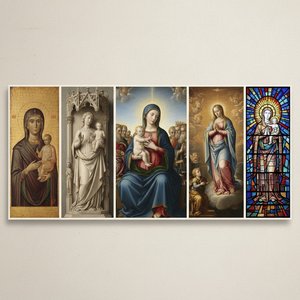
Divine Grace: A Journey Through the Most Iconic Depictions of the Virgin Mary in Art History
Embark on a profound journey through art history with our exploration of the most iconic depictions of the Virgin Mary. Discover the divine grace, symbolism, and masterful techniques found in Renaissance masterpieces and sacred iconography.
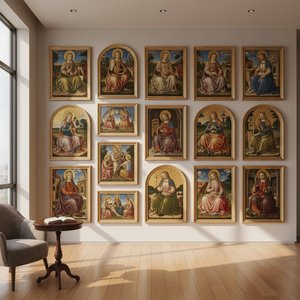
Fra Angelico : Les 25 Chefs-d'œuvre Incontournables pour une Décoration Spirituelle
Plongez dans l'univers spirituel de Fra Angelico avec les 25 œuvres incontournables du maître italien. Découvrez l'histoire, la technique et la beauté intemporelle de ses fresques Renaissance. Reproductions d'art exceptionnelles sur OriginalUniqueArt.com.
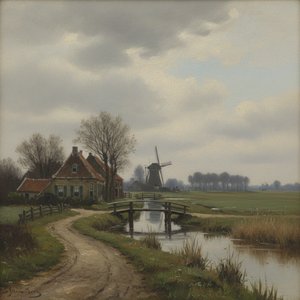
Jacob Henricus Maris: A Master of Dutch Atmospheric Realism & the Intimate Landscape
Explore the captivating world of Jacob Henricus Maris, a leading figure of the Dutch Hague School. Discover his atmospheric landscapes, signature brushstrokes & lasting influence on 19th-century art. Learn more at OriginalUniqueArt.
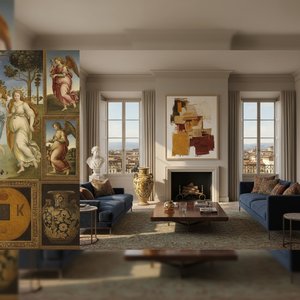
Uffizi : Les 25 Chefs-d'Œuvre Incontournables pour Embellir Votre Intérieur
Plongez au cœur de la Galerie des Offices à Florence ! Découvrez les 25 chefs-d'œuvre incontournables de Botticelli, Léonard de Vinci et autres maîtres italiens. Inspirez votre décoration avec l'art Renaissance : reproductions de qualité muséale sur OriginalUniqueArt.com