Aperçu en situation
 Partager
 Partager
 Détails
 Guide imprimable

 Télécharger
 Articles similaires
 Radiographie
 Voir le diaporama
 Statistiques
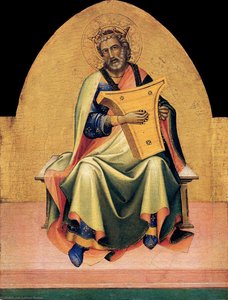
The Last Supper
 Acrylique sur toile
- Art mural
- High Renaissance
 1394
1394 47.0 x 142.0 cm
 Musées d'État de Berlin
 Afficher la suite
Reproduction à l'huile faite à la main
Huile sur toile peinte à la main, avec cadre et dimensions personnalisés, réalisée sur commande par nos artistes. ( Passer au format impression Passer au format image numérique)




P118B €10

P118H €10

P118W €10

P438Z €10

P508JH €12

P508YH €12

P805H €10

P805Z €10

P919BZ €10

P919G €10

P919XJ €10

P959ZH €10

P968JZ €12

W106C €8

W218G €10

W218JH €8

W218Y €10

W307PJ €10

W316G €10

W316PJ €8

W316Y €10

W398PJ €8

W4111J €10

W500HY €15

W500JH €15

W692G €12

W849H €8

W940BG €15

W953PJ €8




Choisissez parmi nos formats prédéfinis qui respectent les proportions originales de l’œuvre.

Saisissez la largeur et la hauteur souhaitées, pour s'adapter à votre cadre ou à votre mur. Cette œuvre est peinte à la main ; ainsi, pour un format de forme différente, l'artiste peut peindre un peu plus autour du tableau ou réduire légèrement les bords — c'est vous qui choisissez. Nous vous envoyons une maquette numérique pour approbation avant que la peinture ne commence. L'image présentée sur cette page ne reflète pas le résultat réel — seule la maquette le fait.
Après la commande, l’équipe OriginalUniqueArt.com contactera le client par e-mail pour recueillir ses instructions et lui fournira une maquette d’aperçu
Livraison dans le monde entier () en 3 à 4 semaines au lieu des 5 semaines habituelles. (23 octobre). Aucun compromis sur la qualité.

Livraison express gratuite dans le monde entier

Toile de lin de haute qualité

Assurance transport complète

Garantie de remboursement des droits de douane

Garantie de fidélité des couleurs

Garantie de retour de 100 jours (uniquement en cas de défaut)

Garantie de remboursement à 100%

Tarifs dégressifs sur quantité
 L'option verre n'est disponible que pour les dimensions inférieures à 110 cm.

The Last Supper
Technique de reproduction
Format de la reproduction
-


Prix total final
€ 263
A Moment Frozen in Time: The Story of the Last Supper
Leonardo da Vinci’s The Last Supper, housed within the refectory of Santa Maria delle Grazie in Milan, isn't merely a painting; it’s an immersive experience. Completed between 1495 and 1498, this monumental mural captures a pivotal moment from Christian scripture – the announcement by Jesus of his impending betrayal by one of his apostles. More than just a depiction of an event, it’s a profound exploration of human emotion, faith, and the complexities of relationships. Leonardo masterfully distilled the narrative into a single, dramatic tableau, freezing a conversation in perpetual motion. The scene unfolds with an almost palpable tension, radiating from Jesus's face as he reveals the devastating truth to his disciples. The composition is carefully constructed; each apostle reacts uniquely – shock, denial, anger, confusion – creating a dynamic and deeply affecting visual dialogue.

Technique and Innovation: A Revolutionary Approach
Leonardo’s choice of medium – tempera on gesso, pitch, and mastic – was a radical departure from the traditional fresco method employed for such large-scale works. Fresco relies on pigments mixed with water applied to wet plaster; this technique is notoriously difficult to alter once dry. Leonardo's approach allowed him unprecedented flexibility, enabling him to rework details and experiment with shading and color until he achieved his desired effect. This innovative technique, however, proved tragically unstable over time, contributing significantly to the painting’s deterioration. The layering of materials and the inherent fragility of tempera on gesso have resulted in extensive fading, cracking, and flaking, demanding constant conservation efforts. Despite these challenges, Leonardo's mastery of *sfumato* – a subtle blurring technique that creates soft transitions between light and shadow – remains breathtakingly evident, lending an ethereal quality to the figures and imbuing them with a remarkable sense of realism.
Symbolism and Spiritual Depth
Beyond its dramatic depiction of betrayal, The Last Supper is rich in symbolic meaning. Judas Iscariot, traditionally depicted as sitting alone at the table, is positioned furthest from Jesus, emphasizing his isolation and treachery. The arrangement of the apostles reflects their individual personalities and relationships within the group. Leonardo’s use of color also carries significant weight; the vibrant reds and blues contrast sharply with the muted browns and grays, drawing attention to key figures and emotions. The inclusion of details like the table, benches, and even the architectural elements of the room contribute to a sense of realism and immediacy, grounding the spiritual narrative in a tangible setting. The painting’s overall effect is one of profound introspection, inviting viewers to contemplate themes of faith, betrayal, forgiveness, and the nature of humanity.
A Legacy Enduring Through Time
The Last Supper stands as a testament to Leonardo da Vinci's genius – a masterpiece that continues to captivate audiences centuries after its creation. Its revolutionary techniques, profound symbolism, and emotional resonance have cemented its place among the most iconic works of art in Western history. Reproductions, while never fully capturing the original’s luminosity and depth, offer a valuable opportunity to experience this extraordinary painting firsthand. Whether admired for its technical brilliance or its enduring spiritual message, The Last Supper remains a powerful reminder of the complexities of human nature and the transformative power of art.
Questions et réponses
Quelle couleur domine la composition de «The Last Supper» de Lorenzo Monaco ?
La couleur dominante de «The Last Supper» de Lorenzo Monaco est le Noir (#21150e).
Existe-t-il une fiche informative sur «The Last Supper» de Lorenzo Monaco destinée aux étudiants ?
La page Guide de «The Last Supper» de Lorenzo Monaco propose une fiche pédagogique imprimable en deux volets : l'œuvre accompagnée de sa fiche d'identité, une frise chronologique la situant dans la vie de l'artiste, d'autres œuvres de l'artiste, la palette de couleurs mesurée, ainsi que des citations prêtes à être copiées en quatre styles différents.
Comment le style de « The Last Supper » s'inscrit-il dans l'époque de son créateur ?
«The Last Supper» de Lorenzo Monaco s'inscrit dans le mouvement High Renaissance, au sein de l'époque Renaissance de son créateur.
Biographie de l'artiste
Première Vie et Formation
- Né: Sienne, Italie (c. 1370)
- Décédé: c. 1425
- On en sait peu sur la première vie de Lorenzo Monaco, à l'exception du fait qu'il a été apprenti à Florence.
- Il a été influencé par les œuvres de Giotto et de ses disciples, Spinello Aretino et Agnolo Gaddi. Cette exposition a façonné son développement artistique.
Carrière Artistique et Style
- En 1390, Lorenzo est entré au monastère camaldule de Santa Maria degli Angeli, devenant connu sous le nom de « Laurent l'ermite ».
- Ses premières œuvres (années 1390) montrent une forte influence du style gothique international, aux côtés d'influences provenant de Lorenzo Ghiberti et Gherardo Starnina.
- Le style de Monaco se caractérise par :
- Un linéaire tendu
- Une gamme chromatique froide initialement
- Plus tard, une adoption d'éléments gothiques internationaux
- Des figures allongées avec des draperies sinueuses
- Des bords nets et des couleurs vives (or et lapis-lazuli)
- Des gestes suggérés et un sentiment d'espace minimisé
- Il dépeint constamment des images avec une forte valeur spirituelle, souvent détachées du réalisme.
Œuvres Majeures
- Pietà : Exposée à la Galleria dell'Accademia, Florence – Démontre une ligne nerveuse et une tension émotionnelle.
- Coronation de la Vierge : Aujourd’hui à l’Uffizi – Présente un grand nombre de saints aux formes sinueuses et aux couleurs brillantes.
- Polyptyque de Monteoliveto : À la Galleria dell'Accademia – Expose une spiritualité qui préfigure Fra Angelico.
- Adoration des Mages (1420-1422) : Les raccourcis apparaissent surréalistes en raison de l’absence de perspective géométrique, mais maintiennent une grande qualité picturale.
- Histoires de la Vierge dans la chapelle Bartolini Salimbeni : L'une de ses rares fresques.
Influences et Héritage
- Le travail de Monaco a été influencé par Giotto, Spinello Aretino, Agnolo Gaddi, Lorenzo Ghiberti et Gherardo Starnina.
- Il est resté largement inaffecté par les innovations de Masaccio et Filippo Brunelleschi, maintenant son style distinctif.
- Giorgio Vasari a inclus une biographie de Monaco dans ses « Vies », notant sa mort d'une infection non identifiée.
- Malgré des informations biographiques limitées, les contributions de Lorenzo Monaco à l’art gothique tardif-renaissance précoce sont significatives. Son mélange unique de styles et son objectif spirituel ont laissé un impact durable sur les artistes ultérieurs.
Signification Historique
- Considéré comme le dernier important représentant du style Giotto avant la révolution de la Renaissance.
- A comblé le fossé entre les traditions gothiques tardives et les principes artistiques émergents de la Renaissance.
- Son insistance sur la spiritualité et les formes stylisées représentent une esthétique distincte dans la peinture florentine.

Lorenzo Monaco
1370 - 1425 , Italie
En bref
- Artistic Movement Or Style: Gothique tardif-Renaissance
- Artists Or Movements Influenced By This Artist:
- Masaccio
- Brunelleschi
- Artists Who Influenced This Artist:
- Giotto
- Spinello Aretino
- Agnolo Gaddi
- Date De Décès: c. 1425
- Date De Naissance: c. 1370
- Full Name: Lorenzo Monaco
- Lieu De Naissance: Sienne, Italie
- Nationalité: Italienne
- Notable Artworks:
- Pietà
- Coronation de la Vierge
- Adoration des Mages
Articles connexes
Léonard de Vinci : Les 25 Chefs-d'Œuvre Incontournables pour Décorer Votre Intérieur
Plongez dans l'univers de Léonard de Vinci avec les 25 œuvres incontournables du génie italien. Découvrez l'histoire, les techniques et l'émotion derrière la Mona Lisa, La Cène et bien d'autres chefs-d'œuvre Renaissance. Reproductions haute qualité sur OriginalUniqueArt.com.
Uffizi : Les 25 Chefs-d'Œuvre Incontournables pour Embellir Votre Intérieur
Plongez au cœur de la Galerie des Offices à Florence ! Découvrez les 25 chefs-d'œuvre incontournables de Botticelli, Léonard de Vinci et autres maîtres italiens. Inspirez votre décoration avec l'art Renaissance : reproductions de qualité muséale sur OriginalUniqueArt.com
Les 25 Chefs-d'œuvre du Louvre : Voyage au Cœur de l'Art et de la Décoration
Plongez au cœur du Louvre avec les 25 œuvres incontournables : Mona Lisa, Venus de Milo et bien plus. Découvrez l'histoire fascinante des artistes, leurs techniques et trouvez l'inspiration déco idéale. Reproductions tableaux de qualité musée sur OriginalUniqueArt.com
Renaissance Humaniste : 10 Chefs-d'œuvre Révolutionnaires pour Votre Intérieur
Plongez au cœur de la Renaissance humaniste avec 10 chefs-d'œuvre exceptionnels : Léonard de Vinci, Michel-Ange et plus encore. Découvrez l'histoire, les techniques et le symbolisme de ces peintures iconiques. Trouvez votre reproduction d'art idéale sur OriginalUniqueArt.com !
Léonard de Vinci : Synthèse Renaissance de l'Art, de la Science et de l'Observation Humaine – Une Réinterprétation pour le Collectionneur
Explorez l'univers de Léonard de Vinci avec notre analyse approfondie pour collectionneurs avertis. Découvrez ses techniques, son héritage et les clés d'un investissement art réussi. Expertise & authenticité garanties.