Aperçu en situation
 Partager
 Partager
 Détails
 Guide imprimable

 Télécharger
 Articles similaires
 Radiographie
 Voir le diaporama
 Statistiques
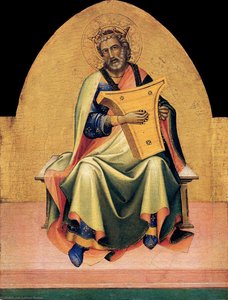
Nativité
 Tempera sur panneau de bois
- Décoration murale
- Première Renaissance
 1390
1390- Renaissance
 26.0 x 61.0 cm
 Musées d'État de Berlin
 Afficher la suite
Reproduction à l'huile faite à la main
Huile sur toile peinte à la main, avec cadre et dimensions personnalisés, réalisée sur commande par nos artistes. ( Passer au format impression Passer au format image numérique)




P118B €10

P118H €10

P118W €10

P438Z €10

P508JH €12

P508YH €12

P805H €10

P805Z €10

P919BZ €10

P919G €10

P919XJ €10

P959ZH €10

P968JZ €12

W106C €8

W218G €10

W218JH €8

W218Y €10

W307PJ €10

W316G €10

W316PJ €8

W316Y €10

W398PJ €8

W4111J €10

W500HY €15

W500JH €15

W692G €12

W849H €8

W940BG €15

W953PJ €8




Choisissez parmi nos formats prédéfinis qui respectent les proportions originales de l’œuvre.

Saisissez la largeur et la hauteur souhaitées, pour s'adapter à votre cadre ou à votre mur. Cette œuvre est peinte à la main ; ainsi, pour un format de forme différente, l'artiste peut peindre un peu plus autour du tableau ou réduire légèrement les bords — c'est vous qui choisissez. Nous vous envoyons une maquette numérique pour approbation avant que la peinture ne commence. L'image présentée sur cette page ne reflète pas le résultat réel — seule la maquette le fait.
Après la commande, l’équipe OriginalUniqueArt.com contactera le client par e-mail pour recueillir ses instructions et lui fournira une maquette d’aperçu
Livraison dans le monde entier () en 3 à 4 semaines au lieu des 5 semaines habituelles. (25 octobre). Aucun compromis sur la qualité.

Livraison express gratuite dans le monde entier

Toile de lin de haute qualité

Assurance transport complète

Garantie de remboursement des droits de douane

Garantie de fidélité des couleurs

Garantie de retour de 100 jours (uniquement en cas de défaut)

Garantie de remboursement à 100%

Tarifs dégressifs sur quantité
 L'option verre n'est disponible que pour les dimensions inférieures à 110 cm.

Nativité
Technique de reproduction
Format de la reproduction
-


Prix total final
€ 307
A Vision of Sacred Wonder: Lorenzo Monaco’s Nativity
In the quiet transition between the medieval world and the dawn of the Renaissance, few artists captured the intersection of divine mystery and human tenderness as poignantly as Lorenzo Monaco. His Nativity, a masterpiece conceived around 1390, serves as a luminous window into the soul of early Florentine devotion. As a monk of the Camaldolese order, Monaco did not merely paint a scene; he channeled a spiritual vision intended to anchor the faithful in the profound reality of Christ's birth. The artwork presents a sacred tableau where the ruggedness of the earth meets the ethereal light of heaven, inviting the viewer into a moment of eternal stillness.
The composition is a masterclass in balanced storytelling, utilizing a pyramidal structure that guides the eye with rhythmic grace toward the central figures of Mary and the infant Jesus. Set against a backdrop of rocky, Tuscan-inspired landscapes, the scene feels both grounded in the natural world and elevated by spiritual significance. The artist employs a sophisticated use of chiaroscuro, where dramatic contrasts between light and shadow breathe life into the folds of drapery and the weathered textures of the landscape. This interplay of light does more than define form; it creates an atmosphere of solemnity and awe, highlighting the miraculous nature of the event unfolding within the humble manger.
The Alchemy of Tempera and Symbolism
To behold this work is to witness the delicate alchemy of the tempera technique. Monaco utilized thin, meticulous layers of pigment mixed with egg yolk, a process that allows light to penetrate the surface and reflect back from within the wood panel. This creates a characteristic luminosity, making the warm earth tones—ochres, deep browns, and burnished golds—glow with an inner warmth. The subtle infusion of blue in Mary’s robes provides a celestial counterpoint to the terrestrial palette, symbolizing her purity and her unique role as the vessel of the divine. Every brushstroke is a testament to the patience of the monastic tradition, where art was an extension of prayer.
Beyond its technical brilliance, the painting is rich with symbolic resonance that speaks to the heart of any collector or admirer of sacred art. The presence of the animals, such as the donkey, serves as a quiet reminder of humility and the innocence of creation, while the geometric precision of the landscape reflects the burgeoning humanist interest in order and natural observation. For the interior designer or art enthusiast, this piece offers more than mere decoration; it provides a focal point of profound emotional depth. It evokes a sense of peace, reverence, and timelessness, making it an exquisite addition to spaces designed for contemplation, reflection, and the celebration of classical beauty.
Questions et réponses
Comment «Nativité» de Lorenzo Monaco lie-t-il Première Renaissance au pays d'origine de l'artiste ?
L'œuvre Première Renaissance « Nativité » a été réalisée par un artiste né en Italie.
Comment le médium et le mouvement se conjuguent-ils dans « Nativité » ?
« Nativité » est réalisé en Tempera sur panneau de bois, dans le style Première Renaissance.
Quel emplacement convient au format de «Nativité» de Lorenzo Monaco ?
Avec sa forme Format panoramique, une reproduction de « Nativité » est idéale pour un(e) Séjour et salon.
Biographie de l'artiste
Première Vie et Formation
- Né: Sienne, Italie (c. 1370)
- Décédé: c. 1425
- On en sait peu sur la première vie de Lorenzo Monaco, à l'exception du fait qu'il a été apprenti à Florence.
- Il a été influencé par les œuvres de Giotto et de ses disciples, Spinello Aretino et Agnolo Gaddi. Cette exposition a façonné son développement artistique.
Carrière Artistique et Style
- En 1390, Lorenzo est entré au monastère camaldule de Santa Maria degli Angeli, devenant connu sous le nom de « Laurent l'ermite ».
- Ses premières œuvres (années 1390) montrent une forte influence du style gothique international, aux côtés d'influences provenant de Lorenzo Ghiberti et Gherardo Starnina.
- Le style de Monaco se caractérise par :
- Un linéaire tendu
- Une gamme chromatique froide initialement
- Plus tard, une adoption d'éléments gothiques internationaux
- Des figures allongées avec des draperies sinueuses
- Des bords nets et des couleurs vives (or et lapis-lazuli)
- Des gestes suggérés et un sentiment d'espace minimisé
- Il dépeint constamment des images avec une forte valeur spirituelle, souvent détachées du réalisme.
Œuvres Majeures
- Pietà : Exposée à la Galleria dell'Accademia, Florence – Démontre une ligne nerveuse et une tension émotionnelle.
- Coronation de la Vierge : Aujourd’hui à l’Uffizi – Présente un grand nombre de saints aux formes sinueuses et aux couleurs brillantes.
- Polyptyque de Monteoliveto : À la Galleria dell'Accademia – Expose une spiritualité qui préfigure Fra Angelico.
- Adoration des Mages (1420-1422) : Les raccourcis apparaissent surréalistes en raison de l’absence de perspective géométrique, mais maintiennent une grande qualité picturale.
- Histoires de la Vierge dans la chapelle Bartolini Salimbeni : L'une de ses rares fresques.
Influences et Héritage
- Le travail de Monaco a été influencé par Giotto, Spinello Aretino, Agnolo Gaddi, Lorenzo Ghiberti et Gherardo Starnina.
- Il est resté largement inaffecté par les innovations de Masaccio et Filippo Brunelleschi, maintenant son style distinctif.
- Giorgio Vasari a inclus une biographie de Monaco dans ses « Vies », notant sa mort d'une infection non identifiée.
- Malgré des informations biographiques limitées, les contributions de Lorenzo Monaco à l’art gothique tardif-renaissance précoce sont significatives. Son mélange unique de styles et son objectif spirituel ont laissé un impact durable sur les artistes ultérieurs.
Signification Historique
- Considéré comme le dernier important représentant du style Giotto avant la révolution de la Renaissance.
- A comblé le fossé entre les traditions gothiques tardives et les principes artistiques émergents de la Renaissance.
- Son insistance sur la spiritualité et les formes stylisées représentent une esthétique distincte dans la peinture florentine.

Lorenzo Monaco
1370 - 1425 , Italie
En bref
- Artistic Movement Or Style: Gothique tardif-Renaissance
- Artists Or Movements Influenced By This Artist:
- Masaccio
- Brunelleschi
- Artists Who Influenced This Artist:
- Giotto
- Spinello Aretino
- Agnolo Gaddi
- Date De Décès: c. 1425
- Date De Naissance: c. 1370
- Full Name: Lorenzo Monaco
- Lieu De Naissance: Sienne, Italie
- Nationalité: Italienne
- Notable Artworks:
- Pietà
- Coronation de la Vierge
- Adoration des Mages
Articles connexes
Mastering the Surface: A Historical and Technical Guide to the Art of Oil on Panel Painting
Explore the profound history and technical brilliance of oil on panel painting. From Renaissance masters to modern techniques, discover why this rigid support offers unparalleled precision and permanence for fine art lovers and collectors.

The Enduring Legacy of Oil on Canvas: Technique, History & Aesthetic Impact
Explore the rich history & techniques of oil painting – from Renaissance masters to Impressionism. Discover pigments, layering methods, and why this timeless medium endures. Expert insights for artists & art enthusiasts.

Oil on Board: A Historical Survey of Technique, Aesthetic Qualities & Enduring Appeal
Explore the rich history of oil on board painting! Discover techniques, aesthetic qualities & enduring appeal from early masters to modern practice. Expert insights for collectors and art enthusiasts.

L'Huile sur Toile : Exploration Historique et Technique d'un Médium Artistique Intemporel
Explorez l'histoire fascinante de la peinture à l'huile, des techniques ancestrales aux maîtres flamands comme Van Eyck. Découvrez les secrets des pigments, liants et glacis pour comprendre cet art intemporel.

The Enduring Power of Painting: A Historical & Contemporary Exploration of Form and Emotion
Explore the rich history & enduring techniques of oil painting with OriginalUniqueArt. Discover masterpieces, learn about art collecting, and find authentic handmade reproductions crafted by skilled artists.