Aperçu en situation
 Envoyer
 Partager
 Détails de l'œuvre
 Guide
Guide

 Télécharger l'image
 Articles similaires
 Radiographie
 Diaporama
 Q&A
Q&A Statistiques
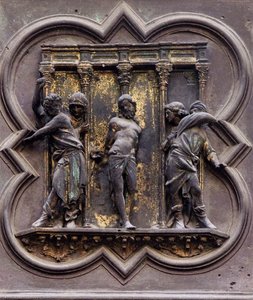
L'Annonciation

- 52.0 x 45.0 cm


 Lire la suite
Giclées et impressions d'art
Impressions giclées ou sur toile de qualité musée, avec une production rapide et des finitions au choix. ( Commander la reproduction peinte à la main Passer au format numérique)




P118B €10

P118H €10

P118W €10

P438Z €10

P508JH €12

P508YH €12

P805H €10

P805Z €10

P919BZ €10

P919G €10

P919XJ €10

P959ZH €10

P968JZ €12

W106C €8

W218G €10

W218JH €8

W218Y €10

W307PJ €10

W316G €10

W316PJ €8

W316Y €10

W398PJ €8

W4111J €10

W500HY €15

W500JH €15

W692G €12

W849H €8

W940BG €15

W953PJ €8




Choisissez parmi nos formats prédéfinis qui respectent les proportions originales de l’œuvre.

Saisissez la largeur et la hauteur souhaitées pour qu'elles s'adaptent à votre cadre ou à votre mur. Une impression peut être recadrée, mais jamais agrandie au-delà de l'image originale ; ainsi, un format de forme différente entraînera la perte d'une partie de l'image. Nous vous envoyons une maquette numérique pour approbation avant toute impression. L'image présentée sur cette page ne montre pas le recadrage réel — seule la maquette le permet.
Livraison dans le monde entier () en 2 semaines au lieu des 4/5 semaines habituelles. (3 novembre)

Livraison express gratuite dans le monde entier

Toile de lin de qualité supérieure

Assurance transport complète

Garantie de remboursement des droits de douane

Garantie de fidélité des couleurs

Politique de retour de 100 jours (uniquement en cas de défaut)

Garantie de remboursement à 100%

Offre de tarifs dégressifs
 L'option verre n'est disponible que pour les dimensions inférieures à 110 cm.

L'Annonciation
Giclées et impressions d'art
Format de la reproduction
-


Prix total
€ 71
Lorenzo Ghiberti’s Divine Revelation
Lorenzo di Bartolo Ghirlandaio, better known as Lorenzo Ghiberti, stands as a monumental figure in the history of Florentine sculpture. Born in Florence around 1378 and passing away in 1455, his life was inextricably linked to the artistic flourishing of the Early Renaissance. Ghiberti’s genius wasn't confined to a single style; instead, he masterfully blended Gothic influences with emerging humanist ideals, creating works that resonate with both spiritual depth and technical brilliance. His early training in goldsmithing instilled an unparalleled understanding of metalworking – a skill he would later translate into the breathtaking detail and luminosity of his bronze sculptures. However, it was his appointment to work on the Baptistery doors in Florence that cemented his legacy, culminating in the iconic “Gates of Paradise,” which redefined the possibilities of relief sculpture.

(Image of The Annunciation, first panel of the North Doors of the Baptistery in Florence)
A Moment of Grace: Depicting the Annunciation
The subject matter – the Annunciation – itself is rich with theological significance. This pivotal scene from Luke’s Gospel recounts the moment when the Archangel Gabriel appears to Mary, informing her that she will conceive and bear a son, Jesus Christ. Ghiberti's interpretation captures this profound revelation with exquisite sensitivity. The composition immediately draws the eye to Mary, depicted in a pose of gentle surprise and contemplative grace. Her hands are raised modestly, reflecting humility before the divine messenger. The angel, rendered with an almost ethereal quality, extends his hand towards her, presenting the news of salvation. The architectural setting – a simple doorway framed by a receding perspective – serves not as mere backdrop but as a symbolic representation of Mary’s entrance into God's plan.
Notice the meticulous detail in Ghiberti’s rendering: the folds of Mary’s robe, the delicate features of the angel, and the subtle play of light on the bronze surface. The use of *chiaroscuro* – the contrast between light and shadow – adds depth and volume to the figures, bringing them to life with remarkable realism. The overall effect is one of serene beauty and spiritual intensity.
Renaissance Symbolism and Technique
Ghiberti’s mastery extends beyond mere representation; he was deeply attuned to the symbolic language of his time. The dove descending from heaven, a traditional symbol of the Holy Spirit, hovers above the scene, signifying God's presence and divine intervention. The lilies adorning Mary’s robes represent purity and virginity – virtues essential to her role as the Mother of God. Furthermore, Ghiberti employed innovative techniques for his era, particularly in his use of *bassorilievo*—low-relief sculpture—which allowed him to create incredibly detailed figures within a limited space. The polished bronze surface reflects light beautifully, enhancing the luminosity and vibrancy of the artwork.
The North Doors of the Baptistery, where this panel resides, were commissioned as part of a larger project intended to adorn the exterior of Florence’s iconic Baptistery. Ghiberti's work here represents a pivotal moment in Renaissance art, showcasing the burgeoning interest in classical forms and humanist ideals while retaining a deep sense of religious devotion.
A Timeless Testament to Faith
“The Annunciation” by Lorenzo Ghiberti is more than just a beautiful sculpture; it’s a profound meditation on faith, grace, and the mystery of divine revelation. Its enduring appeal lies in its ability to evoke a sense of wonder and spiritual contemplation. Reproductions of this masterpiece offer an opportunity to bring this iconic image into any setting, serving as a constant reminder of humanity's connection to something greater than itself. Consider commissioning a hand-painted reproduction from OriginalUniqueArt.com – a faithful recreation that captures the essence of Ghiberti’s genius and allows you to experience this timeless testament to faith in your own home.
Questions et réponses
À quel courant artistique «L'Annonciation» de Lorenzo Ghiberti appartient-il ?
«L'Annonciation» de Lorenzo Ghiberti appartient au mouvement Renaissance. Ce mouvement apporte le contexte stylistique de l'œuvre.
Quand "L'Annonciation" a-t-il été créé, et à quel mouvement appartient-il ?
« L'Annonciation » a été créé en 1403, s'inscrivant dans le mouvement Renaissance. La date et le mouvement ancrent l'œuvre dans l'histoire de l'art.
De quel type d'œuvre s'agit-il pour «L'Annonciation» de Lorenzo Ghiberti ?
«L'Annonciation» de Lorenzo Ghiberti est classé comme Décoration murale. Cette catégorie définit la nature de l'œuvre originale.
Biographie de l'artiste
Lorenzo Ghiberti : Vie et Héritage
Jeunesse et Formation
- Né en 1378 à Pelago, près de Florence, en Italie, Lorenzo di Bartolo – plus tard connu sous le nom de Lorenzo Ghiberti – a commencé son parcours artistique sous la tutelle de son beau-père, Bartolo di Michele, un orfèvre.
- Il a reçu une formation formelle en peinture auprès de Gherardo Starnina, élargissant ses compétences au-delà du travail des métaux.
- L'épidémie de peste de 1400 l'a conduit à Rimini, où il a travaillé pour Carlo I Malatesta, assistant à la réalisation de fresques et développant ainsi davantage son sens artistique.
La Concours des Portails du Baptême et Premier Succès
- En 1401, Ghiberti est retourné à Florence et a participé à un concours renommé pour concevoir les portes en bronze du baptistère de Florence.
- Il a triomphé des concurrents tels que Filippo Brunelleschi avec son panneau représentant le *Sacrifice d'Isaac*, mettant en valeur une habileté et une innovation remarquables.
- Cette victoire a lancé sa carrière et lui a assuré la commande pour les portes nord du baptistère.
Les Portails Nord et Sud
- Ghiberti a passé plus de deux décennies à créer les portes nord (achevées en 1424), représentant des scènes de la vie de Jean-Baptiste.
- Son atelier est devenu un centre d'excellence artistique, nourrissant de futurs maîtres tels que Donatello, Masolino et Paolo Uccello.
- Suite au succès des portes nord, Ghiberti a été commandé pour créer une deuxième série – les portes orientales (achevées en 1452).
Les “Portes du Paradis”
- Les portes orientales, surnommées par Michel-Ange les “*Portes du Paradis*”, représentent le chef-d'œuvre de Ghiberti.
- Ces portes représentent des scènes de l’Ancien Testament avec un réalisme, une perspective et un détail artistique sans précédent.
- Chaque panneau témoigne de sa maîtrise de la coulée de bronze et de la sculpture en relief.
Style Artistique et Influences
- Le style de Ghiberti a combiné l'élégance gothique avec les principes émergents du humanisme de la Renaissance.
- Il s’est inspiré de l’antiquité classique, intégrant des éléments de l’art et de la sculpture romains dans son travail.
- Son souci méticuleux du détail, ses représentations naturalistes et son utilisation innovante de la perspective le distinguaient de ses contemporains.
Commentarii et Héritage
- Ghiberti a écrit *Commentarii*, un traité précieux sur l’histoire de l’art, la théorie et la technique – considéré comme l'un des premiers autobiographies d'un artiste.
- Il est décédé à Florence en 1455, laissant derrière lui un héritage durable en tant que l'un des sculpteurs les plus importants du début de la Renaissance.
- Son œuvre a profondément influencé les générations futures d’artistes, façonnant le cours de l’histoire de l’art occidental.
Signification Historique
- Les contributions de Ghiberti ont été déterminantes pour établir Florence comme un centre artistique majeur au cours de la Renaissance.
- Les “Portes du Paradis” sont devenues un symbole de fierté civique et d’accomplissement artistique florentins.
- Ses techniques innovantes et ses thèmes humanistes ont contribué à définir les idéaux esthétiques de l'époque, ouvrant la voie aux futurs maîtres tels que Léonard de Vinci et Michel-Ange.
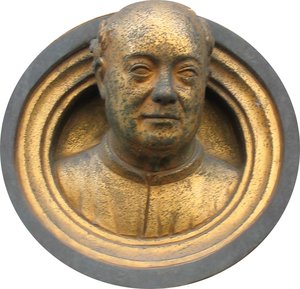
Lorenzo Ghiberti
1378 - 1455 , Italie
L'essentiel de l'artiste
- Artistic Movement Or Style: Renaissance primitive / International Gothic
- Artists Or Movements Influenced By This Artist: ['Michelangelo']
- Artists Who Influenced This Artist:
- Gherardo Starnina
- Bartolo di Michele
- Date Of Birth: c. 1378
- Full Name: Lorenzo di Bartolo Ghiberti
- Nationality: Italien
- Notable Artworks:
- Portes du Paradis
- Sacrifice d'Isaac
- Découverte du chaudron doré
- Place Of Birth: Florence, Italie
Articles connexes

Celestial Messengers: A Comprehensive Exploration of Angelic Representation in Art History
Explore the captivating history of angels in art! Discover symbolism, iconic Renaissance masterpieces & renowned artists. Expert insights for art lovers & collectors at OriginalUniqueArt.

Les 10 Chefs-d'œuvre Bronzes Qui Ont Révolutionné la Sculpture | OriginalUniqueArt
Plongez dans l'univers fascinant des 10 sculptures en bronze les plus emblématiques de l'histoire de l'art. Rodin, Degas et autres maîtres révélés ! Découvrez leur histoire, leurs techniques et trouvez l'œuvre parfaite pour sublimer votre intérieur sur OriginalUniqueArt.com.

The Enduring Form: Exploring Themes & Techniques in Sculpture Across Historical Periods
Explore the rich history of sculpture from ancient masterpieces to contemporary innovations. Discover key techniques, influential artists & investment potential for discerning art collectors.

25 chefs-d'œuvre de Dante Gabriel Rossetti : l'âme du mouvement préraphaélite
Plongez dans l'univers préraphaélite de Dante Gabriel Rossetti. Explorez ses 25 chefs-d'œuvre sur OriginalUniqueArt.com.

Messagers Célestes : Exploration Historique et Artistique des Anges dans la Peinture
Explorez l'histoire fascinante des anges dans la peinture, de Byzance à la Renaissance. Découvrez le symbolisme religieux et les chefs-d'œuvre de Fra Angelico, Mantegna et autres maîtres. Analyse approfondie et reproductions d'art exceptionnelles.