
 Aperçu en situation
 Envoyer
 Partager
 Détails de l'œuvre
 Guide
Guide

 Télécharger l'image
 Articles similaires
 Radiographie
 Diaporama
 Questions et réponses
 Statistiques
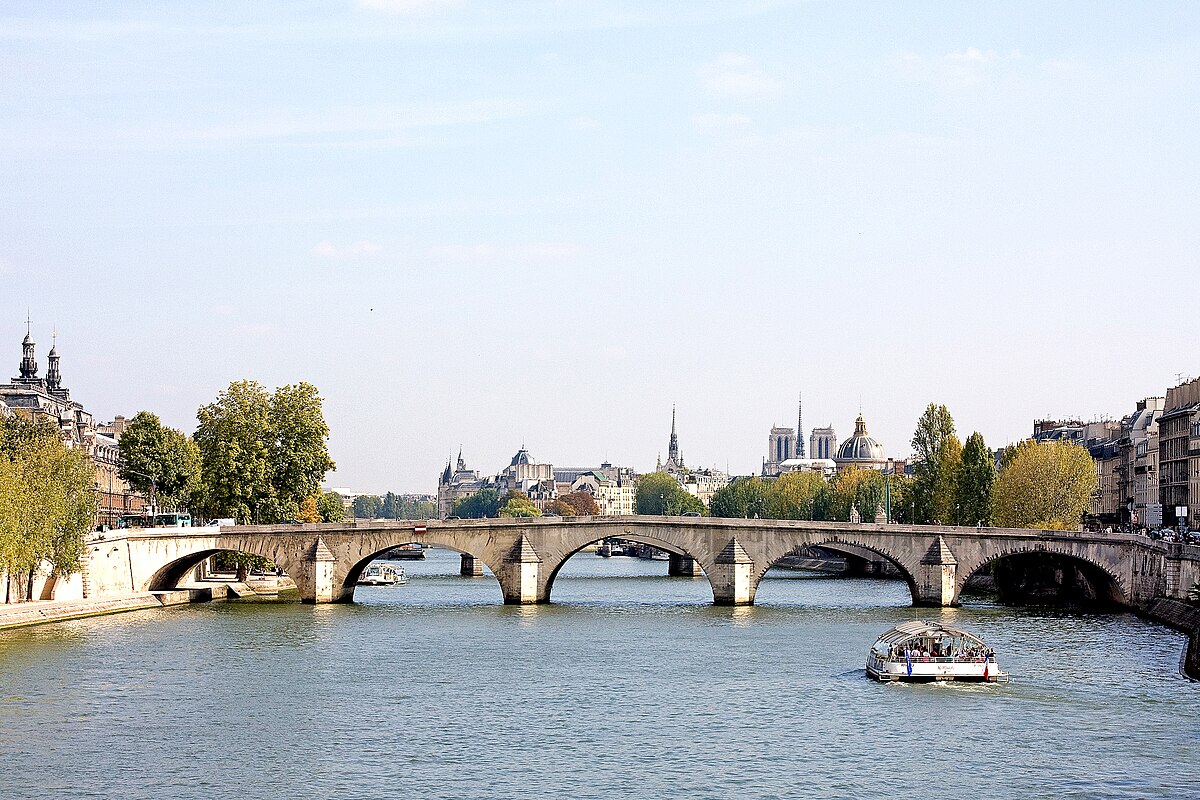
The Pont Royal in Paris


 Lire la suite
Giclées et impressions d'art
Impressions giclées ou sur toile de qualité musée, avec une production rapide et des finitions au choix. ( Commander la reproduction peinte à la main Passer au format numérique)




P118B €10

P118H €10

P118W €10

P438Z €10

P508JH €12

P508YH €12

P805H €10

P805Z €10

P919BZ €10

P919G €10

P919XJ €10

P959ZH €10

P968JZ €12

W106C €8

W218G €10

W218JH €8

W218Y €10

W307PJ €10

W316G €10

W316PJ €8

W316Y €10

W398PJ €8

W4111J €10

W500HY €15

W500JH €15

W692G €12

W849H €8

W940BG €15

W953PJ €8




Choisissez parmi nos formats prédéfinis qui respectent les proportions originales de l’œuvre.

Saisissez la largeur et la hauteur souhaitées pour qu'elles s'adaptent à votre cadre ou à votre mur. Une impression peut être recadrée, mais jamais agrandie au-delà de l'image originale ; ainsi, un format de forme différente entraînera la perte d'une partie de l'image. Nous vous envoyons une maquette numérique pour approbation avant toute impression. L'image présentée sur cette page ne montre pas le recadrage réel — seule la maquette le permet.
Livraison dans le monde entier () en 2 semaines au lieu des 4/5 semaines habituelles. (8 novembre)

Livraison express gratuite dans le monde entier

Toile de lin de qualité supérieure

Assurance transport complète

Garantie de remboursement des droits de douane

Garantie de fidélité des couleurs

Politique de retour de 100 jours (uniquement en cas de défaut)

Garantie de remboursement à 100%

Offre de tarifs dégressifs
 L'option verre n'est disponible que pour les dimensions inférieures à 110 cm.

The Pont Royal in Paris
Giclées et impressions d'art
Format de la reproduction
-


Prix total
€ 72
A Glimpse of Parisian Life: Lesser Ury’s “The Pont Royal”
Lesser Ury's "The Pont Royal in Paris," painted in 1928, isn’t merely a depiction of a bridge; it’s a carefully constructed tableau of urban life, imbued with the melancholic beauty characteristic of his Impressionistic style. Born in Birnbaum, Poland, and deeply influenced by the Düsseldorf school, Ury possessed an extraordinary ability to capture fleeting moments – the shimmer of light on water, the muted tones of twilight, and the subtle shifts in mood within a bustling cityscape. This particular work transports us to a winter evening along the Seine, offering a poignant observation of Paris’s vibrant energy juxtaposed with a sense of quiet contemplation.
Impressionistic Techniques and a Masterful Palette
Ury’s technique is distinctly Impressionistic, prioritizing the subjective experience of light and color over precise representation. He employs loose brushstrokes, layering hues to create an atmospheric effect—a deliberate blurring of edges that evokes the ephemeral quality of the scene. Notice how he uses broken color – small dabs of complementary shades – to suggest reflected light on the water’s surface and the wet cobblestones of the street. The muted palette, dominated by blues, greys, and browns, contributes significantly to the painting's mood, conveying a sense of cool stillness amidst the activity below. The artist skillfully utilizes *plein air* techniques, working directly from observation, which is evident in the subtle variations of tone and color that capture the nuances of the Parisian winter.
A Bridge Between Worlds: Symbolism and Context
The Pont Royal itself holds a rich historical significance. Constructed in 1685, it has witnessed centuries of Parisian life – from royal processions to revolutionary fervor. Ury’s painting isn't simply a record of the bridge; it’s an exploration of its role as a connector—a physical and metaphorical link between the Right Bank and the Left, between past and present. The figures strolling along the sidewalk, the vehicles traversing the bridge, all contribute to this sense of movement and connection. The painting subtly reflects the changing social landscape of Paris during the interwar period, capturing a moment of relative calm before the storm of World War II.
Capturing Emotion: A Moment of Reflection
Beyond its technical mastery, “The Pont Royal in Paris” resonates with an underlying sense of melancholy and introspection. The subdued lighting, the blurred figures, and the quiet stillness of the scene evoke a feeling of detachment—a recognition of the transient nature of life and beauty. Ury’s ability to distill such complex emotions into a single image is a testament to his artistic vision. It's a painting that invites viewers to pause, observe, and contemplate the subtle poetry of everyday moments. Reproductions of this piece offer a beautiful way to bring a touch of Parisian charm and contemplative mood into any space.
Questions et réponses
L'œuvre « The Pont Royal in Paris » est-elle disponible en tirage d'art ?
Pour obtenir une impression de «The Pont Royal in Paris» de Lesser Ury, il vous suffit de la commander sur sa page Tirage d'art fine art : une impression d'art sur toile de coton ou sur papier canvas d'archive.
Puis-je utiliser la réalité augmentée pour visualiser «The Pont Royal in Paris» de Lesser Ury dans ma pièce ?
Visualisez «The Pont Royal in Paris» de Lesser Ury sur votre propre mur grâce à la page Aperçu en RA de l'œuvre, en utilisant la réalité augmentée sur un appareil compatible.
À quelle période de la carrière de Lesser Ury appartient « The Pont Royal in Paris » ?
Au cours de la carrière de Lesser Ury, « The Pont Royal in Paris » s'inscrit dans la période Late Period. Cette phase permet de le comparer aux autres œuvres de l'artiste.
Biographie de l'artiste
Léo Lesser Ury : Une Biographie
Jeunesse et Formation (1861-1887)
- Naissance et Famille: Léo Lesser Ury est né le 7 novembre 1861 à Birnbaum, en Prusse (aujourd'hui Międzychód, Pologne). Son père était boulanger.
- Premières Difficultés : La famille a déménagé à Berlin après la mort de son père en 1872.
- Apprentissage et Formation Artistique: Ury a d'abord fait un apprentissage chez un commerçant avant de poursuivre une formation artistique à l’Académie des Arts de Düsseldorf en 1879.
- Voyages Européens : Il a passé du temps à Bruxelles, Paris, Munich, Stuttgart et Karlsruhe, élargissant ses horizons artistiques et développant son style. Ces voyages ont grandement influencé son œuvre ultérieure, notamment ses représentations de la vie urbaine.
Développement Artistique et Style (1887-1901)
- Premières Expositions : La première exposition d'Ury en 1889 a reçu initialement un accueil hostile.
- Influence d’Adolph Menzel : Soutenu par Adolph von Menzel, il a obtenu une reconnaissance et un soutien de l’Académie de Berlin.
- Sécession de Munich : Il a rejoint la Sécession de Munich en 1893, s'alignant sur des mouvements artistiques progressistes.
- Style Impressionniste : Ury a développé un style impressionniste distinctif caractérisé par des coups de pinceau vifs, une application de peinture en impasto et une emphase sur la capture d’instants fugaces de lumière et d'atmosphère.
- Sujets : Ses sujets principaux comprenaient des paysages, des scènes urbaines (en particulier les vues nocturnes) et des intérieurs. Il a également exploré des thèmes bibliques plus tard dans sa carrière.
Réalisations Majeures et Reconnaissance (1901-1931)
- Retour à Berlin : Ury est retourné à Berlin en 1901, où il est devenu une figure importante de la scène artistique de la ville.
- Expositions de la Sécession Berlinoise : Il a exposé avec la Sécession berlinoise à partir de 1915, obtenant une reconnaissance croissante pour son travail.
- Grande Exposition (1922) : Une exposition importante en 1922 a présenté 150 de ses peintures et pastels, lui valant le titre de « glorificateur artistique de la capitale » par le maire de Berlin.
- Maîtrise du Pastel : Ury était particulièrement renommé pour son talent avec les pastels, créant des œuvres évocatrices et atmosphériques.
- Réputation et Pratiques Commerciales : Tout en obtenant une reconnaissance critique, il a également développé l'habitude de répéter des compositions pour répondre à la demande commerciale, ce qui a malheureusement conduit à la production de copies inférieures qui ont parfois nui à sa réputation.
Signification Historique et Héritage
- Représentation de la Vie Urbaine Moderne : Ury est rappelé pour ses représentations évocatrices du paysage urbain berlinois, en particulier ses scènes nocturnes avec des lampadaires et des rues pluvieuses. Il a capturé l'essence de la vie urbaine moderne d'une manière qui résonnait auprès du public.
- Identité Artistique Juive : En tant qu’artiste juif, son œuvre reflète des aspects de l’identité culturelle juive et de l’expérience au sein de la société allemande.
- Influence sur les Artistes Ultérieurs : Son style et ses sujets distinctifs ont influencé les générations d'artistes suivantes.
- Décès et Enterrement : Léo Lesser Ury est décédé à Berlin le 18 octobre 1931, et il est enterré dans le cimetière juif de Berlin-Weissensee.

Lesser Ury
1861 - 1931 , Pologne
L'essentiel de l'artiste
- Artistes Influents:
- Adolph von Menzel
- Max Liebermann
- Date De Décès: 18 octobre 1931
- Date De Naissance: 7 novembre 1861
- Lieu De Naissance: Birnbaum, Pologne
- Mouvement Artistique: Impressionnisme
- Nationalité: Allemand-juif
- Nom Complet: Léo Lesser Ury
- Oeuvres Notables:
- Femme au bureau
- Schenke flamande
- Berlin la nuit
Articles connexes

Impressionnisme : Top 10 des Œuvres Incontournables pour une Décoration Raffinée
Plongez dans l'univers vibrant de l'impressionnisme avec notre sélection des 10 œuvres les plus emblématiques : Monet, Renoir, Degas… Découvrez l'histoire et la magie de ces chefs-d'œuvre. Reproductions d'art de qualité muséale sur OriginalUniqueArt.com
Urban Visions: A Historical & Artistic Exploration of the Cityscape in Painting
Explore the evolution of cityscape painting from historical maps to Impressionist masterpieces. Discover artists like Caillebotte, Utrillo & Matsumoto Shunsuke. Find museum-quality reproductions at OriginalUniqueArt.
Impressionnisme : Les 10 Chefs-d'œuvre Incontournables pour une Déco Élégante
Plongez au cœur de l'Impressionnisme avec les 10 chefs-d'œuvre incontournables de Monet, Renoir & Degas. Découvrez l'histoire et la lumière unique de ces peintures célèbres. Reproductions d'art de qualité muséale sur .

Herman Armour Webster: Capturing Atmospheric Light in American Impressionism
Explore the captivating world of Herman Armour Webster, an American Impressionist master. Discover his Parisian influences, unique style, and lasting legacy with OriginalUniqueArt.

L'Impressionnisme et le Post-Impressionnisme : Une Évolution Artistique Française
Explorez l'évolution de l'impressionnisme et du post-impressionnisme : histoire, artistes clés (Monet, Van Gogh…), techniques et héritage. Un guide expert pour les passionnés d'art.
