
 Aperçu en situation
 Envoyer
 Partager
 Détails de l'œuvre

 Télécharger
 Articles similaires
 Radiographie
 Diaporama
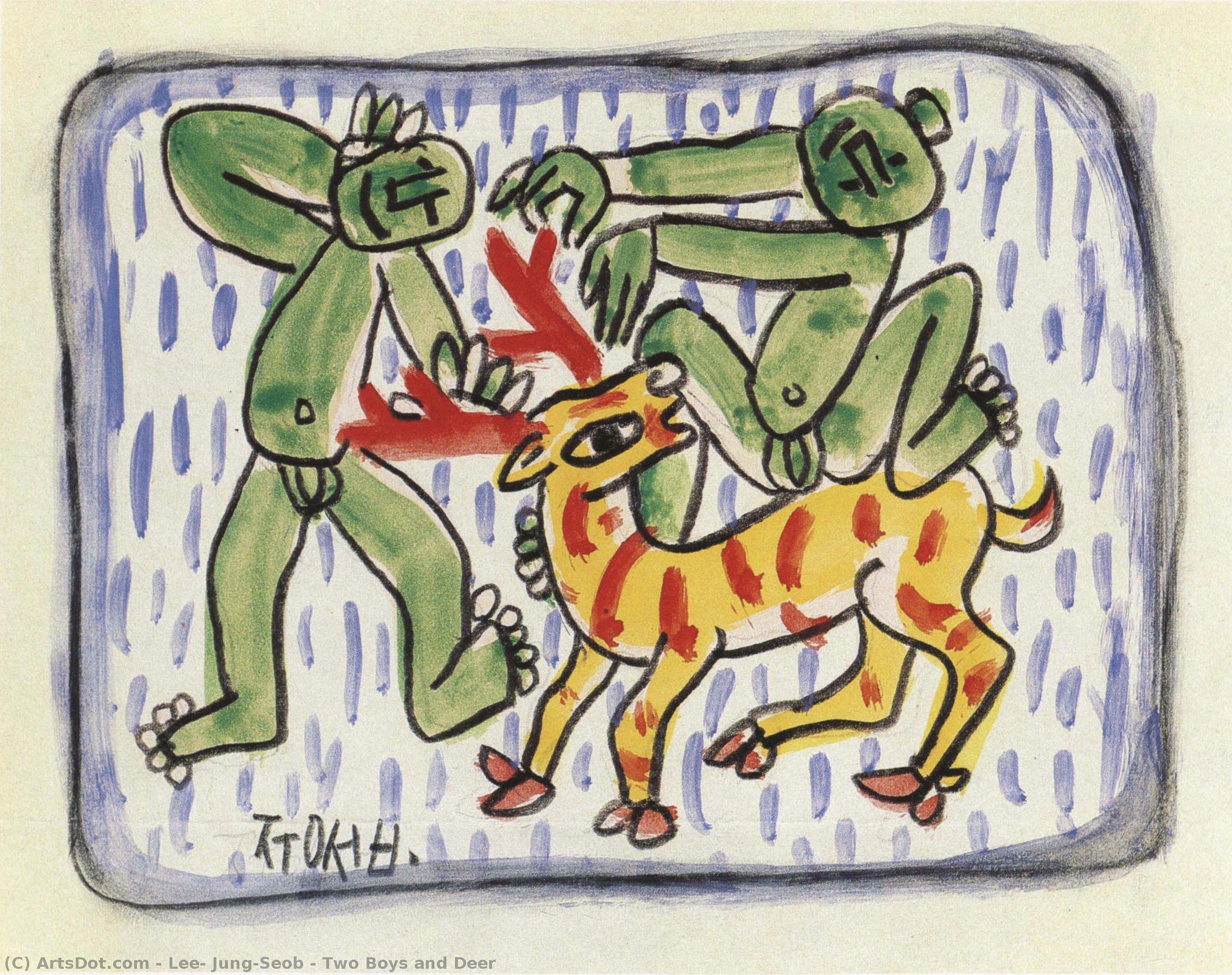
Two Boys and Deer
 Acrylic On Canvas
- WallArt
- Korean Modernism
 17.0 x 13.0 cm
 Musée national de Corée
 Lire la suite
Giclées et impressions d'art
Impressions giclées ou sur toile de qualité musée, avec une production rapide et des finitions au choix. ( Commander la reproduction peinte à la main Télécharger l'image haute résolution)




P118B $10

P118H $10

P118W $10

P438Z $10

P508JH $12

P508YH $12

P805H $10

P805Z $10

P919BZ $10

P919G $10

P919XJ $10

P959ZH $10

P968JZ $12

W106C $8

W218G $10

W218JH $8

W218Y $10

W307PJ $10

W316G $10

W316PJ $8

W316Y $10

W398PJ $8

W4111J $10

W500HY $15

W500JH $15

W692G $12

W849H $8

W940BG $15

W953PJ $8




Choisissez parmi nos formats prédéfinis qui respectent les proportions originales de l’œuvre.

Vous pouvez saisir vos propres dimensions pour vous adapter à un cadre ou à un espace spécifique. Si la taille sélectionnée ne correspond pas aux proportions de l'image originale, nous recadrerons l'œuvre ou étendrons l'image avec une bordure en miroir ou une couleur unie. Une maquette numérique vous sera envoyée pour approbation avant le début de la production.
Veuillez noter que l'aperçu à l'écran ne reflète pas le recadrage ou l'extension réelle. Seule la maquette montrera avec précision la composition finale.
Bien que des tailles personnalisées soient disponibles, nous vous recommandons de choisir une dimension dans la liste prédéfinie afin de préserver les proportions originales.
Livraison dans le monde entier () en 2 semaines au lieu des 4/5 semaines habituelles. (20 août)

Livraison express gratuite dans le monde entier

Toile de lin de qualité supérieure

Assurance transport complète

Garantie de remboursement des droits de douane

Garantie de fidélité des couleurs

Politique de retour de 60 jours (uniquement en cas de défaut)

Garantie de remboursement à 100%

Offre de tarifs dégressifs
 L'option verre n'est disponible que pour les dimensions inférieures à 110 cm.

Two Boys and Deer
Giclées et impressions d'art
Format de la reproduction
-


Prix total
$ 80
Description de la pièce
A Moment Frozen in Time: Lee Jung-Seob’s “Two Boys and Deer”
Lee Jung-Seob's "Two Boys and Deer" isn’t merely a painting; it’s a poignant distillation of Korean life, memory, and the quiet dignity of rural existence. Completed in 1953, this watercolor captures a fleeting scene – two young men, likely brothers, engaged in a simple act of tending to a deer near a small stream. Yet, within this seemingly straightforward depiction lies a profound depth of emotion and a subtle commentary on the changing landscape of Korea during a turbulent era. The painting’s power resides not just in its subject matter but also in Lee's masterful use of color and light, creating an atmosphere both serene and subtly melancholic.
The scene unfolds within a meticulously rendered Korean countryside – rolling hills, dense foliage, and the reflective surface of a stream. The figures are dressed in muted greens and browns, blending seamlessly with their surroundings, suggesting a deep connection to the land. Lee’s technique is remarkably delicate; each brushstroke seems to capture the ephemeral quality of light filtering through the trees. Notice how he employs wet-on-wet watercolor techniques, allowing colors to bleed and blend naturally, creating an impressionistic effect that softens the edges and imbues the scene with a sense of hazy nostalgia. The deer itself, rendered with surprising detail despite its secondary role, embodies a quiet grace and vulnerability – a symbol often associated with innocence and connection to nature in Korean art.
The Artist’s Biography: A Life Shaped by Conflict
Lee Jung-Seob (1916-1956) was a pivotal figure in the development of Korean modernism, tragically cut short by his untimely death. Born in Pyeongannamdo during Japanese rule, he witnessed firsthand the struggles for independence and endured the devastation of the Korean War. His early life, marked by privilege and artistic training, abruptly shifted with the war’s arrival, forcing him to abandon his family home and relocate to Jeju Island. This displacement profoundly impacted his work, imbuing it with a sense of loss and longing – themes that resonate powerfully in “Two Boys and Deer.” Lee's artistic journey was fueled by a desire to capture the essence of Korean life, often focusing on rural scenes and everyday subjects, reflecting a deep respect for tradition and a yearning for a simpler existence.
His artistic influences were diverse, drawing from both traditional Korean painting styles and Western modernism. He studied at Teikoku Art School in Japan, where he experimented with Fauvist techniques before returning to Korea and developing his own distinctive style characterized by bold colors, expressive brushwork, and a focus on capturing the emotional resonance of his subjects. Lee’s work is often considered part of the “Korean School” movement, which sought to establish a uniquely Korean artistic identity in the aftermath of Japanese colonialism.
Symbolism and Emotional Resonance
Beyond its surface depiction, "Two Boys and Deer" carries layers of symbolic meaning. The deer itself represents purity, gentleness, and connection to nature – values deeply ingrained in Korean culture. The two boys, seemingly engaged in a quiet ritual, could symbolize the continuity of tradition or perhaps the anxieties surrounding the future as Korea navigated a period of immense social and political upheaval. Some art historians interpret their interaction as a subtle commentary on the changing roles of men within Korean society during this era.
The painting’s overall mood is one of quiet contemplation, tinged with melancholy. The muted colors, soft lighting, and understated details create an atmosphere of wistful remembrance – a feeling that echoes the sense of loss experienced by many Koreans following the war. Lee Jung-Seob masterfully uses these elements to evoke a powerful emotional response in the viewer, inviting us to reflect on themes of memory, identity, and the enduring beauty of the Korean landscape.
A Legacy Preserved: Reproductions and Artistic Significance
Today, “Two Boys and Deer” is held within the National Museum of Korea in Seoul, a testament to Lee Jung-Seob’s artistic legacy. High-quality reproductions are available, allowing art lovers worldwide to experience the beauty and emotional depth of this remarkable painting. When selecting a reproduction, consider the archival quality of the materials used – ensuring that the colors remain vibrant and true over time. This piece offers not only aesthetic pleasure but also a valuable window into Korean history and culture, reminding us of the resilience and enduring spirit of its people.
Biographie de l'artiste
un maître coréen de la peinture à l'huile
lee, jung-seob, artiste sud-coréen de premier plan, a laissé une empreinte indélébile sur le monde de l'art grâce à ses peintures à l'huile captivantes. Né en Pyeongannamdo, en Corée du Sud, en 1916, le parcours artistique de Lee fut marqué par l'innovation et un lien profond avec son héritage culturel.contributions artistiques
lee jung-seob est surtout célèbre pour son œuvre emblématique 'taureau blanc', véritable témoignage de sa maîtrise technique de la peinture à l'huile. Ce chef-d'œuvre, parmi d'autres, illustre son style unique qui fusionne harmonieusement des éléments traditionnels coréens avec des techniques modernes.- œuvres clés :
- famille et pigeon (Musée national de Corée, Séoul, Corée du Sud) - une œuvre poignante à l'huile sur papier.
- garçons, poissons et crabe (Musée national de Corée, Séoul, Corée du Sud) - une aquarelle révélant la polyvalence de Lee.
- deux garçons et un cerf (Musée national de Corée, Séoul, Corée du Sud) - un autre exemple de sa prouesse en aquarelle.
- musées exposant son travail :
- Musée national de Corée (Séoul, Corée du Sud)
héritage et influence
la disparition de lee jung-seob à Séoul en 1956 a marqué la fin d'une époque, mais a également ouvert la voie aux générations futures d'artistes coréens. Son influence est perceptible dans les œuvres de nombreux peintres coréens contemporains. explorez davantage l'art de lee jung-seob : [https://OriginalUniqueArt.com/@/lee-jung-seob](https://OriginalUniqueArt.com/@/lee-jung-seob) | découvrez une vaste collection de ses peintures sur OriginalUniqueArt. découvrez d'autres artistes renommés : /fr/art/list/ | parcourez la liste des plus grands artistes sur OriginalUniqueArt.
Lee Jung-Seob
1916 - 1956 , Corée du Sud
L'essentiel de l'artiste
- Artistic Movement Or Style: Art moderne coréen
- Artists Or Movements Influenced By This Artist: ['Fauvisme']
- Artists Who Influenced This Artist: ['Peintures des tombes de Goguryeo']
- Date Of Birth: 10 avril 1916
- Date Of Death: 6 septembre 1956
- Full Name: Lee Jung-seob
- Nationality: Coréen
- Notable Artworks:
- White Ox
- Famille et Pigeon
- Garçons, poisson, crabes
- Place Of Birth: Pyeongannamdo, Corée
Articles connexes

Les 10 Chefs-d'œuvre de l'Aquarelle qui ont Révolutionné l'Art | OriginalUniqueArt
Plongez dans l'univers fascinant des 10 chefs-d'œuvre de l'aquarelle qui ont marqué l'histoire de l'art. Découvrez Turner, Monet, Goya et bien d'autres ! Retrouvez ces œuvres emblématiques en reproductions exceptionnelles sur OriginalUniqueArt.com.

Ephemeral Visions: Exploring the Artistic Legacy & Contemporary Practice of Watercolor Painting
Explore the captivating world of watercolor painting! Discover its rich history, essential techniques, influential artists & collecting tips. A comprehensive guide for art enthusiasts from OriginalUniqueArt.

Éphémères Visions : L'Aquarelle, Histoire et Résonance Émotionnelle d'un Art Intemporel
Explorez l'histoire fascinante de l'aquarelle, des origines à nos jours. Découvrez les techniques, les artistes emblématiques et nos conseils d'experts pour collectionner ces œuvres éphémères. OriginalUniqueArt.

L'Aquarelle : Histoire, Techniques et Nuances d'une Peinture de Lumière Éphémère
Explorez l'histoire fascinante de l'aquarelle, des techniques ancestrales aux maîtres impressionnistes. Découvrez les artistes emblématiques et nos conseils pour apprécier et collectionner cette peinture lumineuse.

L'Aquarelle : Histoire, Techniques et Éclat Contemporain d'un Art Intemporel
Explorez l'histoire fascinante et les techniques de l'aquarelle avec . Découvrez des artistes contemporains, des conseils d'experts et trouvez l'œuvre parfaite pour votre collection.



