
 Aperçu en situation
 Envoyer
 Partager
 Détails de l'œuvre

 Télécharger
 Articles similaires
 Radiographie
 Diaporama
 Stats
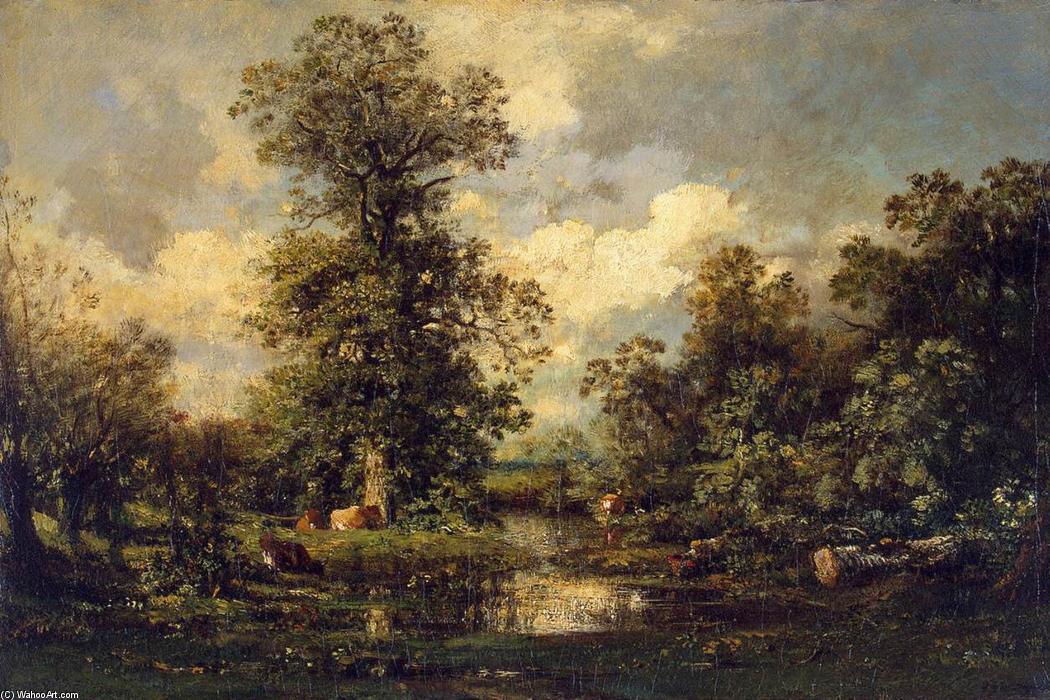
StatsForest Landscape
 Oil On Canvas
- WallArt
- Barbizon School
 1840
1840 39.0 x 58.0 cm
 Musée de l'Ermitage
 Lire la suite
Reproduction à l'huile faite à la main
Huile sur toile peinte à la main, avec cadre et dimensions personnalisés, réalisée sur commande par nos artistes. ( Switch to Print Switch to Digital Image)




P118B $10

P118H $10

P118W $10

P438Z $10

P508JH $12

P508YH $12

P805H $10

P805Z $10

P919BZ $10

P919G $10

P919XJ $10

P959ZH $10

P968JZ $12

W106C $8

W218G $10

W218JH $8

W218Y $10

W307PJ $10

W316G $10

W316PJ $8

W316Y $10

W398PJ $8

W4111J $10

W500HY $15

W500JH $15

W692G $12

W849H $8

W940BG $15

W953PJ $8




Choisissez parmi nos formats prédéfinis qui respectent les proportions originales de l’œuvre.

Vous pouvez saisir vos propres dimensions pour l'adapter à un cadre ou à un espace spécifique. Si la taille sélectionnée ne correspond pas aux proportions de l'image d'origine, nous recadrerons l'œuvre ou prolongerons la peinture avec des éléments peints à la main supplémentaires. Une maquette numérique vous sera envoyée pour approbation avant le début de la production.
Veuillez noter que l'aperçu à l'écran ne reflète pas le recadrage ou l'extension réels. Seule la maquette montrera fidèlement la composition finale.
Bien que des tailles personnalisées soient disponibles, nous vous recommandons de sélectionner une dimension dans la liste prédéfinie afin de préserver les proportions d'origine.
Après la commande, l’équipe OriginalUniqueArt.com contactera le client par e-mail pour recueillir ses instructions et lui fournira une maquette d’aperçu
Livraison dans le monde entier () en 3 à 4 semaines au lieu des 5 semaines habituelles. (7 septembre). Aucun compromis sur la qualité.

Livraison express gratuite dans le monde entier

Toile de lin de qualité supérieure

Assurance transport complète

Garantie de remboursement des droits de douane

Garantie de fidélité des couleurs

Politique de retour de 100 jours (uniquement en cas de défaut)

Garantie de remboursement à 100%

Offre de tarifs dégressifs
 L'option verre n'est disponible que pour les dimensions inférieures à 110 cm.

Forest Landscape
Technique de reproduction
Format de la reproduction
-


Prix total
$ 300
A Symphony of Earth and Sky: Unveiling Jules Dupré’s “Forest Landscape”
Jules Dupré's "Forest Landscape," painted in 1840, isn’t merely a depiction of trees; it’s an immersion into the heart of the Barbizon School’s philosophy – a profound reverence for nature rendered with raw emotion and meticulous observation. This oil on canvas, currently residing within the esteemed Hermitage Museum in St. Petersburg, transcends simple landscape painting, offering a glimpse into the soul of 19th-century France and the artist's deeply personal connection to the natural world.
The Barbizon School, emerging from the shadow of Romanticism, rejected the idealized landscapes favored by earlier generations. Instead, they sought truth in the everyday – the weathered bark of a tree, the dappled sunlight filtering through leaves, the subtle shifts in color that define a fleeting moment. Dupré embodies this ethos with remarkable clarity. He doesn’t strive for picturesque beauty; he presents the forest as it *is*, imbued with a sense of quiet drama and timelessness. The composition is anchored by a winding river, its surface mirroring the sky above – a clever device that blurs the boundaries between earth and heavens, suggesting an infinite expanse.
Decoding the Palette: Earth Tones and Emotional Resonance
Dupré’s masterful use of color is central to the painting's impact. He eschews bright hues in favor of a rich tapestry of earthy tones – deep greens, browns, ochres, and subtle blues – creating an atmosphere of profound tranquility and introspection. These aren’t merely colors; they are textures, evoking the dampness of moss, the roughness of bark, and the muted light of a forest floor. Notice how he employs loose brushstrokes, allowing the paint to flow freely across the canvas, capturing the movement of branches in the wind and the dappled patterns of sunlight. This technique contributes significantly to the painting’s sense of immediacy and vitality.
The sky itself is a study in atmospheric perspective – a swirling blend of clouds rendered with delicate washes of blue and gray. These aren't static formations; they seem to shift and change, mirroring the ever-changing moods of nature. The light filtering through these clouds casts a gentle illumination on the landscape below, highlighting the play of light and shadow in the foliage and along the river’s edge – creating an illusion of depth and volume that draws the viewer into the scene.
A Window to the Barbizon: Context and Symbolism
To fully appreciate “Forest Landscape,” it's crucial to understand its historical context. The Barbizon School, centered around the Forest of Fontainebleau, rejected the Parisian Salon’s emphasis on academic art and sought inspiration directly from nature. Artists like Dupré, Corot, and Millet spent countless hours observing and painting outdoors, capturing the essence of rural life and the beauty of the French countryside. Dupré's work is often interpreted as a reflection of his own emotional state – a yearning for simplicity, solitude, and connection with the natural world.
Symbolically, the forest itself represents a realm of mystery and introspection. It’s a place where one can escape the pressures of society and connect with something larger than oneself. The winding river serves as a metaphor for the flow of life – its constant movement reminding us to embrace change and accept the inevitable passage of time. The painting, therefore, is not simply a representation of a forest; it’s an invitation to contemplate our place within the grand scheme of nature.
Bringing “Forest Landscape” Home: Reproductions and Artistic Legacy
Handmade oil painting reproductions of this beautiful work are now available for purchase at OriginalUniqueArt.com, offering a tangible connection to Dupré’s artistic vision. Whether adorning your living room wall or serving as a focal point in a serene bedroom, “Forest Landscape” will undoubtedly evoke feelings of peace, tranquility, and wonder. Its timeless appeal ensures that it will remain a cherished addition to any art collection for generations to come.
Biographie de l'artiste
L'Âme Dramatique de Barbizon
Jules Dupré (1811–1889) s'impose comme une figure emblématique de l'École de Barbizon, un mouvement artistique qui prônait l'observation brute et la résonance émotionnelle dans la peinture de paysage. Contrairement à ses contemporains tels que Corot, qui recherchaient souvent une beauté lyrique et une tranquillité sereine, Dupré se confrontait à la face la plus sombre et la plus tempétueuse de la nature. Il possédait une capacité unique à capturer la fureur des tempêtes, la grandeur mélancolique du crépuscule et l'énergie implacable des éléments, transmettant ces expériences avec une intensité inégalée. Né à Nantes, en France, le voyage artistique de Dupré a débuté au cœur d'une fascination naissante pour le monde naturel et sa capacité à évoquer des sentiments humains profonds et souvent turbulents.
Sa jeunesse lui a légué un socle d'attention méticuleuse aux détails et un amour du savoir-faire, des qualités affinées par l'entreprise de fabrication de porcelaine de son père. Cette expérience formatrice allait plus tard se traduire dans ses propres aspirations artistiques, comme en témoignent particulièrement ses premières œuvres explorant les subtilités de la décoration céramique. En tant qu'apprenti décorateur de porcelaine, il a appris la discipline des lignes fines et des textures, un ensemble de compétences qui allait finalement évoluer vers une maîtrise magistrale de la profondeur atmosphérique et des formes organiques.
Une Vision Façonnée par l'Orage et le Ciel
La trajectoire de la carrière de Dupré fut irrévocablement marquée par sa rencontre avec les toiles révolutionnaires de John Constable. Cette exposition aux traditions du paysage anglais a allumé en lui le désir de capturer l'essence même du dynamisme de la nature — le mouvement incessant des feuillages sous l'effet du vent et le jeu dramatique de l'ombre et de la lumière durant les heures les plus volatiles de la journée. En voyageant en Grande-Bretagne en 1831, Dupré a mené des études profondes de ces maîtres anglais, revenant en France avec un répertoire d'images qui allait redéfinir son approche du paysage.
Il trouva une inspiration particulière dans les districts côtiers autour de Southampton et Plymouth. Ces vastes étendues d'eau, reflétant des cieux tourmentés, lui offrirent le laboratoire parfait pour étudier le mouvement tempétueux des nuages d'orage et le déferlement des mers. Ses peintures de cette période ne sont pas de simples représentations de paysages ; elles sont des expressions viscérales de l'humeur et du sentiment, imprégnées d'un sens palpable du drame et même de la tristesse. En adoptant l'esthétique de Barbizon, Dupré a privilégié des palettes de couleurs expressives et des coups de pinceau audacieux plutôt que des représentations idéalisées ou polies, permettant à la texture même de la peinture de refléter la rudesse de la terre.
L'Héritage du Maître de Barbizon
En tant que figure clé du groupe de Barbizon, Dupré tissa des liens étroits avec d'autres peintres légendaires, notamment Théodore Rousseau. Son ascension au sein de l'institution artistique française fut jalonnée d'étapes significatives, telles que son admission au Salon et l'obtention de distinctions officielles par le biais de médailles pour ses paysages. Son œuvre est devenue synonyme d'une certaine harmonie colorée sonore et résonnante, où la lumière d'un soleil couchant ou la noirceur d'une tempête approchante pouvait être ressentie par le spectateur autant qu'elle était vue.
Aujourd'hui, Jules Dupré est célébré comme l'un des paysagistes français les plus influents du XIXe siècle. Sa contribution à l'art réside dans sa capacité à combler le fossé entre l'observation pure et l'émotion romantique. À travers des œuvres telles que La Petite Charrette, Vaches traversant un gué, et ses représentations évocatrices de paysages fluviaux, il a enseigné aux générations d'artistes que la nature n'est pas seulement un sujet à peindre, mais une force puissante à expérimenter. Son héritage reste gravé dans les textures atmosphériques denses et les ciels dramatiques et vibrants qui continuent de captiver l'imagination moderne.

Jules Dupré
1811 - 1889 , France
L'essentiel de l'artiste
- Artistic Movement Or Style: Barbizon School
- Artists Who Influenced This Artist: ['John Constable']
- Date Of Birth: Nantes, France (1811)
- Date Of Death: October 6, 1889
- Full Name: Jules Dupré
- Nationality: French
- Notable Artworks:
- Morning and Evening at the Louvre
- Crossing the Bridge in the Wallace Collection
- Place Of Birth: France
Articles connexes
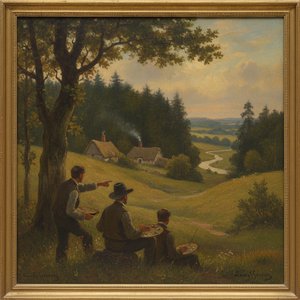
The Barbizon School: The Soulful Origins of Impressionism's Natural Light and Atmospheric Mastery
Discover the profound influence of the Barbizon School on Impressionism. Explore how these masters captured natural light and atmospheric beauty through plein air painting, paving the way for Monet and Renoir. A journey into the soulful origins of landscape art history.

Evoking Nature's Sublime: A Comprehensive Exploration of 19th-Century Landscape Painting
Explore the captivating world of 19th-century landscape painting! Discover renowned artists like Friedrich & Monet, key movements, and find the perfect artwork to bring nature's serenity into your home. Expert insights at OriginalUniqueArt.
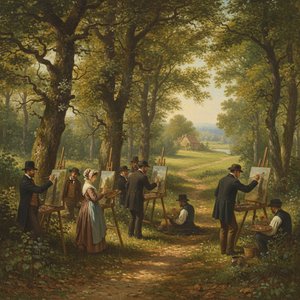
Barbizon School: The Revolution That Brought Nature to Life through the Mastery of Light and Landscape
Explore the profound legacy of the Barbizon School. Discover how masters like Corot and Monet revolutionized landscape painting through plein air techniques and the soulful depiction of nature's light and shadow in this expert art history guide.
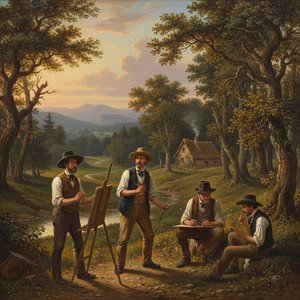
L'École de Barbizon : Réalisme et Vision Pastorale dans la Peinture Française du XIXe Siècle
Explorez l'École de Barbizon : son réalisme révolutionnaire, ses artistes emblématiques (Monet, Rousseau, Millet) et son influence sur l'impressionnisme. Découvrez un mouvement artistique majeur du XIXe siècle avec OriginalUniqueArt.
The Barbizon School: A Professional Guide to Naturalism and Landscape Mastery for Interior Designers
Explore the Barbizon School's mastery of naturalism. An expert guide for hotel designers and procurement managers on sourcing high-quality landscape reproductions to elevate hospitality and corporate interiors with authentic, large-scale fine art solutions.
