
 Aperçu en situation
 Envoyer
 Partager
 Détails de l'œuvre

 Télécharger
 Articles similaires
 Radiographie
 Diaporama
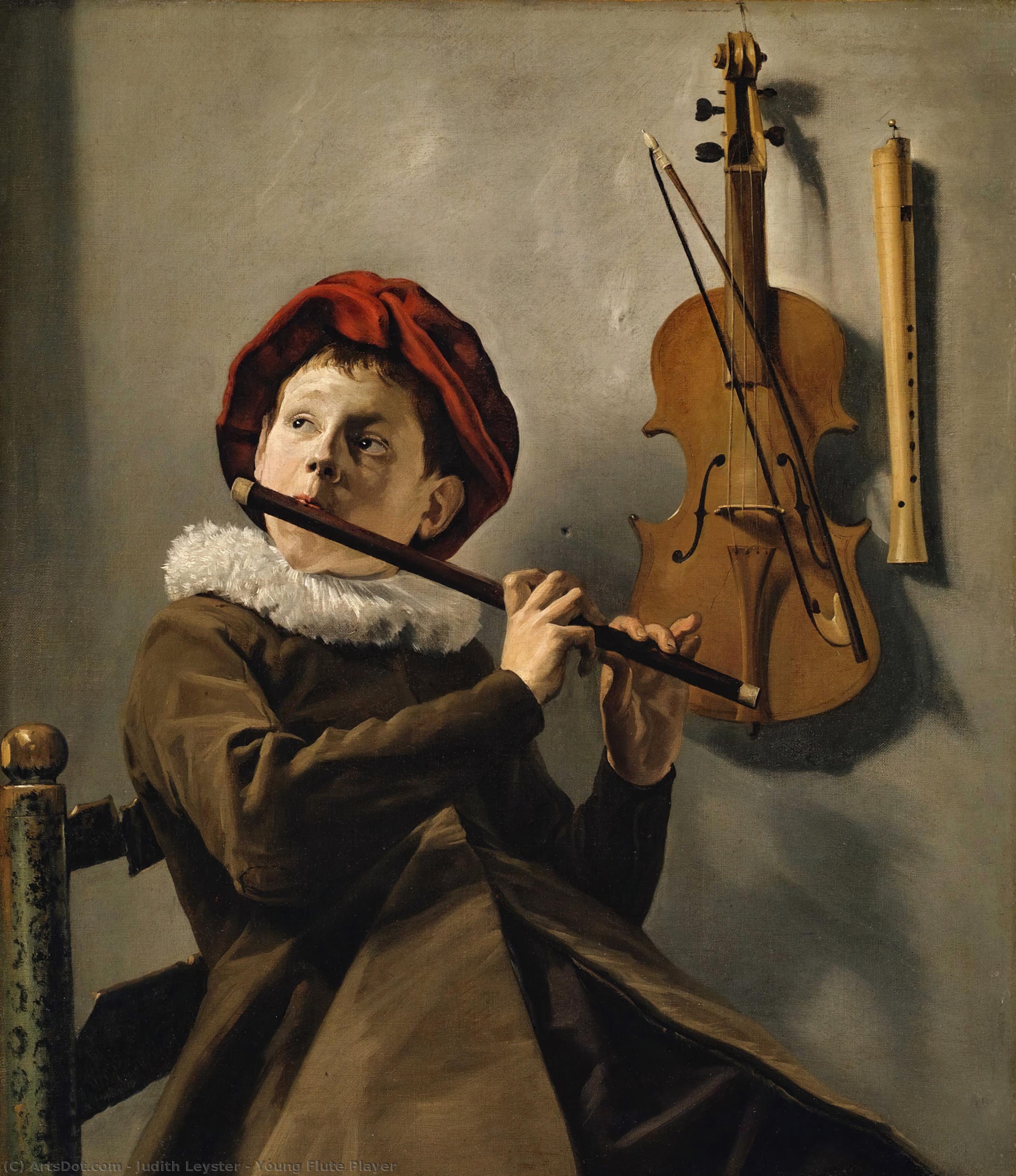
Young Flute Player


 Lire la suite
Giclées et impressions d'art
Impressions giclées ou sur toile de qualité musée, avec une production rapide et des finitions au choix. ( Commander la reproduction peinte à la main Télécharger l'image haute résolution)




P118B $10

P118H $10

P118W $10

P438Z $10

P508JH $12

P508YH $12

P805H $10

P805Z $10

P919BZ $10

P919G $10

P919XJ $10

P959ZH $10

P968JZ $12

W106C $8

W218G $10

W218JH $8

W218Y $10

W307PJ $10

W316G $10

W316PJ $8

W316Y $10

W398PJ $8

W4111J $10

W500HY $15

W500JH $15

W692G $12

W849H $8

W940BG $15

W953PJ $8




Choisissez parmi nos formats prédéfinis qui respectent les proportions originales de l’œuvre.

Vous pouvez saisir vos propres dimensions pour vous adapter à un cadre ou à un espace spécifique. Si la taille sélectionnée ne correspond pas aux proportions de l'image originale, nous recadrerons l'œuvre ou étendrons l'image avec une bordure en miroir ou une couleur unie. Une maquette numérique vous sera envoyée pour approbation avant le début de la production.
Veuillez noter que l'aperçu à l'écran ne reflète pas le recadrage ou l'extension réelle. Seule la maquette montrera avec précision la composition finale.
Bien que des tailles personnalisées soient disponibles, nous vous recommandons de choisir une dimension dans la liste prédéfinie afin de préserver les proportions originales.
Livraison dans le monde entier () en 2 semaines au lieu des 4/5 semaines habituelles. (16 août)

Livraison express gratuite dans le monde entier

Toile de lin de qualité supérieure

Assurance transport complète

Garantie de remboursement des droits de douane

Garantie de fidélité des couleurs

Politique de retour de 60 jours (uniquement en cas de défaut)

Garantie de remboursement à 100%

Offre de tarifs dégressifs
 L'option verre n'est disponible que pour les dimensions inférieures à 110 cm.

Young Flute Player
Giclées et impressions d'art
Format de la reproduction
-


Prix total
$ 80
Description de la pièce
A Moment of Youthful Grace: Judith Leyster’s “Young Flute Player”
Within the vibrant tapestry of the Dutch Golden Age, few paintings capture the delicate balance between observation and imagination quite like Judith Leyster's "Young Flute Player," completed around 1635. This captivating oil on canvas isn’t merely a portrait; it’s a fleeting glimpse into a world of youthful pleasure, artistic expression, and the subtle complexities of early modern life. The painting immediately draws the eye to its central figure – a young boy, bathed in a soft, diffused light that seems to emanate from an unseen source. He's not posed dramatically or formally; instead, he’s caught in a moment of quiet absorption, his attention wholly devoted to the simple act of playing a flute.
Leyster’s skill lies not just in her technical proficiency—though it is undeniably remarkable—but in her ability to imbue her subjects with a palpable sense of life. The boy's ruffled collar and slightly tilted head suggest a personality brimming with curiosity and perhaps even mischief. The details, from the delicate folds of his clothing to the subtle expression on his face, are rendered with meticulous precision, yet never feel overly labored or stiff. This masterful balance between realism and artistic license is characteristic of Leyster’s style, earning her recognition as one of the most innovative artists of her time.
The Baroque Palette and a World of Instruments
“Young Flute Player” firmly establishes itself within the broader context of Dutch Baroque painting. The use of *chiaroscuro* – the dramatic interplay of light and shadow – is particularly striking, emphasizing the boy’s youthful features and creating a sense of depth and atmosphere. The background, deliberately muted and slightly out of focus, serves to further highlight the subject, drawing our attention entirely to his captivating presence. Notice also the carefully chosen accessories: a violin hanging on the wall, a smaller flute resting nearby, and a simple bowl adding a touch of domesticity to the scene. These elements aren’t merely decorative; they speak to the boy's connection with music and perhaps even hint at a broader cultural context – the importance of instruments within Dutch society.
Interestingly, the inclusion of both a flute and a violin presents a subtle symbolic tension. While stringed instruments were traditionally associated with higher social standing and considered more refined, wind instruments were often linked to simpler folk traditions. Leyster’s juxtaposition suggests a blurring of these distinctions, reflecting the dynamic cultural landscape of 17th-century Holland.
A Pioneer in a Male-Dominated World
Judith Leyster's story is as compelling as her art. She was one of the first female artists to gain recognition within the male-dominated world of the Dutch Golden Age, and her journey is marked by both triumph and adversity. Despite facing significant challenges – including limited opportunities and a lack of formal training – she persevered, establishing herself as a respected painter known for her lively genre scenes, portraits, and still lifes. Her inclusion in the Haarlem Guild of St. Luke in 1633 was a landmark achievement, signifying her acceptance as a professional artist.
“Young Flute Player” is now housed at the Nationalmuseum in Stockholm, a testament to its enduring appeal and historical significance. It stands alongside other masterpieces from the Dutch Golden Age, offering a valuable window into a bygone era. The painting’s continued presence in museums around the world ensures that Leyster's remarkable talent and artistic vision will continue to inspire and captivate audiences for generations to come.
Further Exploration & Artistic Connections
For those seeking to delve deeper into Judith Leyster’s oeuvre, we recommend exploring her self-portrait from 1633, currently residing at the National Gallery of Art in Washington D.C., and her illustrations for a book on tulips from 1643. Her work shares stylistic similarities with that of Frans Hals, another prominent painter of the Dutch Golden Age, suggesting a possible influence or even collaboration. Additionally, consider examining works by Rembrandt van Rijn, such as “The Sacrifice of Isaac,” and those created by workshops associated with Peter Paul Rubens, like "The Feast of Herod," to gain further insight into the artistic trends and techniques of the period.
Useful Links:
- Artvee - Boy Playing a Flute
- Wikipedia - Judith Leyster
- Google Arts & Culture - Boy Playing the Flute
- Instagram - Judith Leyster
Additional Research: The painting’s history reveals a fascinating story of misattribution and eventual rediscovery, highlighting the challenges faced by female artists throughout art history.
Biographie de l'artiste
Early Life and Training
Judith Jans Leyster (1609-1660) was born in Haarlem, Netherlands, the eighth child of Jan Willemsz Leyster, a cloth maker who later transitioned into brewing. Details about her formative years remain scarce, yet scholarly consensus suggests she honed her artistic skills under the tutelage of Frans Pietersz de Grebber, a respected Haarlem artist known for his workshop and influential teaching methods. This mentorship undoubtedly shaped her stylistic sensibilities and established a foundation for her subsequent accomplishments.Artistic Career
Leyster’s professional trajectory commenced around 1629 when she secured membership in the Haarlem Guild of St Luke—a landmark achievement, marking her as one of the first female artists to gain admittance into this prestigious institution. This decision symbolized not only her ambition but also a courageous challenge to societal norms regarding women's roles in artistic pursuits. Her early works, notably “Serenade” and “Merry Company,” exemplify the vibrant genre scenes characteristic of the Dutch Golden Age—capturing everyday life with remarkable realism and psychological insight. By 1633, she established a collaborative partnership with Jan Miense Molenaer, creating a dynamic studio environment where their artistic visions intertwined.Notable Works and Collaborations
Leyster’s oeuvre boasts several masterpieces that continue to fascinate art historians. “Young Flute Player,” currently housed in the National Gallery of Art, Washington D.C., stands as a testament to her mastery of chiaroscuro—the dramatic interplay of light and shadow—a technique perfected by Frans Hals himself. Furthermore, her illustrations for Hugo Amman’s book on tulips from 1643 showcased her versatility and demonstrated an acute understanding of visual storytelling. Among her most celebrated paintings are “Self-Portrait” (c. 1633), a poignant depiction of female identity during the Renaissance, and two stunning still lifes discovered in a private collection in the 21st century—works that underscore Leyster’s unwavering dedication to capturing the beauty of natural forms with meticulous detail. Her collaboration with Molenaer resulted in numerous paintings reflecting their shared artistic sensibilities.Rediscovery and Legacy
Despite her considerable talent and recognition during her lifetime, Judith Leyster’s work largely faded from view after her death in 1660—a tragic consequence of the prevailing biases against women artists within the art world. However, a pivotal moment arrived in 1893 when scholars painstakingly reconstructed her artistic heritage, correcting misattributions and elevating her status as a significant figure of the Dutch Golden Age. Today, Leyster’s paintings are celebrated for their innovative approach to genre painting—particularly portraits—and for challenging conventional narratives about female artists during the Baroque period. Her enduring influence can be observed in subsequent generations of painters who embraced her pioneering spirit and pursued artistic excellence with unwavering determination.- Explore more of Leyster's works on OriginalUniqueArt.com
- Learn about the Dutch Golden Age and its notable artists at wikipedia
- Discover other female artists from the era on the dutch golden age art movement page

Judith Jans Leyster
1609 - 1660 , Pays-Bas
L'essentiel de l'artiste
- Artistic Movement Or Style: Dutch Golden Age
- Artists Or Movements Influenced By This Artist: ['Jan Miense Molenaer']
- Artists Who Influenced This Artist: ['Frans Pietersz de Grebber']
- Date Of Birth: July 28, 1609
- Date Of Death: February 10, 1660
- Full Name: Judith Jans Leyster
- Nationality: Dutch
- Notable Artworks:
- Young Flute Player
- Merry Company
- Jolly Toper
- Place Of Birth: Haarlem, Netherlands
Articles connexes

L'Âge d'Or Néerlandais : 10 Chefs-d'œuvre Incontournables pour Décorer avec Art et Histoire
Plongez au cœur de l'Âge d'Or néerlandais ! Découvrez 10 chefs-d'œuvre intemporels de Rembrandt, Vermeer et autres maîtres hollandais. Explorez leur histoire, technique & trouvez l'inspiration déco sur

L'Âge d'Or Néerlandais : Splendeur Baroque et Révolution Artistique
Explorez l'Âge d'Or néerlandais : découvrez les maîtres baroques (Rembrandt, Fabritius) et leur révolution artistique. Analyse approfondie, contexte historique et héritage durable. Un voyage au cœur de la peinture du XVIIe siècle.

L'Âge d'Or Néerlandais : Lumière, Réalisme et l'Émergence d'une Nouvelle Esthétique Picturale
Explorez l'Âge d'Or néerlandais : un tour d'horizon expert du réalisme révolutionnaire de Rembrandt, de Keyser et des maîtres hollandais. Découvrez l'histoire, les techniques et l'héritage durable de cette période artistique unique.
Illuminating Realism: Exploring the Dutch Golden Age of Painting (1600-1700)
Explore the Dutch Golden Age of painting (1600-1700) with OriginalUniqueArt. Discover Rembrandt, Vermeer & other masters. Learn about techniques, history & find museum-quality reproductions.
Lumières d'un Siècle en Mutation : L'Expression Artistique et les Transformations Sociales de l'Europe au XVIIe Siècle
Explorez le XVIIe siècle européen à travers son art révolutionnaire ! Découvrez les maîtres hollandais (Rembrandt, Vermeer) et l'éclosion du baroque. Analyse approfondie des contextes historiques et sociaux qui ont façonné cette époque d'or.

