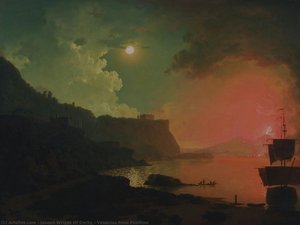
Aperçu en situation
 Envoyer
 Partager
 Détails de l'œuvre
 Guide
Guide

 Télécharger l'image
 Articles similaires
 Radiographie
 Diaporama
 Q&A
Q&A Statistiques
Indian Widow

- 102.0 x 127.0 cm


 Lire la suite
Giclées et impressions d'art
Impressions giclées ou sur toile de qualité musée, avec une production rapide et des finitions au choix. ( Commander la reproduction peinte à la main Passer au format numérique)




P118B €10

P118H €10

P118W €10

P438Z €10

P508JH €12

P508YH €12

P805H €10

P805Z €10

P919BZ €10

P919G €10

P919XJ €10

P959ZH €10

P968JZ €12

W106C €8

W218G €10

W218JH €8

W218Y €10

W307PJ €10

W316G €10

W316PJ €8

W316Y €10

W398PJ €8

W4111J €10

W500HY €15

W500JH €15

W692G €12

W849H €8

W940BG €15

W953PJ €8




Choisissez parmi nos formats prédéfinis qui respectent les proportions originales de l’œuvre.

Saisissez la largeur et la hauteur souhaitées pour qu'elles s'adaptent à votre cadre ou à votre mur. Une impression peut être recadrée, mais jamais agrandie au-delà de l'image originale ; ainsi, un format de forme différente entraînera la perte d'une partie de l'image. Nous vous envoyons une maquette numérique pour approbation avant toute impression. L'image présentée sur cette page ne montre pas le recadrage réel — seule la maquette le permet.
Livraison dans le monde entier () en 2 semaines au lieu des 4/5 semaines habituelles. (2 novembre)

Livraison express gratuite dans le monde entier

Toile de lin de qualité supérieure

Assurance transport complète

Garantie de remboursement des droits de douane

Garantie de fidélité des couleurs

Politique de retour de 100 jours (uniquement en cas de défaut)

Garantie de remboursement à 100%

Offre de tarifs dégressifs
 L'option verre n'est disponible que pour les dimensions inférieures à 110 cm.

Indian Widow
Giclées et impressions d'art
Format de la reproduction
-


Prix total
€ 71
A Moment of Quiet Contemplation
In the profound stillness of Joseph Wright of Derby’s Indian Widow, we encounter a scene that transcends mere portraiture to become a meditation on solitude and the passage of time. The painting presents a Native American woman seated upon the earth, her hands clasped delicately in front of her chest in a gesture that speaks of both reverence and profound introspection. As she gazes upward toward an unseen point beyond the frame, the viewer is drawn into her silent dialogue with the heavens. This is not merely a depiction of a person, but a capture of a soul caught in a moment of deep, spiritual reflection. The presence of two birds—one drifting near the upper periphery and another nestled within the mid-ground—adds a layer of natural grace to the composition, suggesting a world that continues its rhythmic dance even amidst her personal grief or contemplation.
The setting, an expansive outdoor landscape under a sky graced by soft clouds, provides a sense of boundless freedom that contrasts poignantley with the woman's heavy emotional state. Through Wright’s masterful use of light and atmosphere, the environment feels alive yet hushed. The subtle interplay between the natural elements—the sturdy presence of a tree and the shifting textures of the sky—creates a stage where the human experience is elevated to something elemental. For the collector or interior designer, this piece offers a profound focal point that invites the eye to linger, encouraging a sense of peace and thoughtful pause within any curated space.
The Mastery of Light and Shadow
Joseph Wright of Derby, often celebrated as the visual philosopher of the Industrial Age, brings his signature command of chiaroscuro to this intimate subject. While he is famously known for illuminating the dramatic glow of scientific discovery and candlelight, in Indian Widow, he applies a more nuanced, naturalistic light that softens the edges of reality. The technique allows the textures of her traditional attire and the intricate details of her headdress to emerge from the shadows with a tactile, lifelike quality. His ability to manipulate light does not just define form; it dictates the emotional temperature of the work, casting a gentle, melancholic glow over the entire scene.
The brushwork is deliberate and masterful, blending the ruggedness of the natural landscape with the delicate features of the subject. This balance of textures—the softness of skin against the coarse fabric of traditional clothing and the ethereal quality of the clouds—demonstrates a technical prowess that makes a high-quality reproduction truly breathtaking. To possess a piece inspired by Wright’s technique is to bring a sense of historical weight and artistic sophistication into a home, offering an aesthetic that is both intellectually stimulating and visually soothing.
A Legacy of Emotional Depth
Beyond the technical brilliance lies the historical and symbolic resonance of the work. Created in 1785, a period of immense transition in the Western world, the painting stands as a testament to the enduring power of the human spirit amidst change. The subject, an "Indian Widow," carries with her a narrative of loss and resilience. Her seated position on the ground symbolizes a deep connection to the ancestral land, while her upward gaze suggests a hope or a searching that transcends her earthly circumstances. This duality of being grounded yet reaching for the infinite is what gives the painting its timeless, universal appeal.
For those seeking to decorate with purpose, Indian Widow serves as more than an ornament; it is an emotional anchor. It possesses the rare ability to transform a room into a sanctuary of thought. Whether placed in a sunlit library or a quiet study, the painting’s themes of introspection and natural harmony resonate deeply with the modern desire for mindfulness and connection to the past. It remains a captivating masterpiece that continues to inspire awe through its silent, powerful storytelling.
Questions et réponses
En quelle année "Indian Widow" a-t-il été réalisé ?
«Indian Widow» de Joseph Wright de Derby a été créé en 1785.
À quel courant artistique «Indian Widow» de Joseph Wright de Derby appartient-il ?
Le mouvement associé à «Indian Widow» de Joseph Wright de Derby est Romanticism. Cette classification situe l'œuvre parmi des artistes et des œuvres d'art apparentés.
À quelle étape de la carrière de Joseph Wright de Derby « Indian Widow » s'inscrit-elle ?
« Indian Widow » est représentatif de la période Mature Period de Joseph Wright de Derby.
Biographie de l'artiste
Joseph Wright de Derby : Une Vie Illuminée par la Science et l'Art
Joseph Wright de Derby, né le 3 septembre 1734 à Irongate, près de Derby, et décédé le 29 août 1797 dans la même ville, est un peintre britannique majeur, reconnu pour son rôle pionnier dans la représentation de l’esprit de la révolution industrielle. Il fut le premier artiste professionnel à saisir cette période de transformation avec une sensibilité unique.Formation et Premières Œuvres
Wright a reçu sa première formation artistique en autodidacte, copiant des gravures. En 1751, il s'installe à Londres pour étudier auprès du portraitiste Thomas Hudson, où il perfectionne ses compétences techniques. De retour à Derby, il se consacre initialement au portrait, mais rapidement, son style évolue vers une exploration audacieuse de la lumière et des ombres, influencée par les œuvres de Alexander Cozens. Ses premières œuvres témoignent déjà d'une maîtrise du clair-obscur qui deviendra sa marque distinctive.Le Maître du Clair-Obscur et des Scènes Éclairées
La technique du clair-obscur est au cœur de l’œuvre de Wright. Il utilise la lumière artificielle, souvent celle des bougies ou des lampes à huile, pour créer des effets dramatiques et révéler les détails avec une précision saisissante. Ses tableaux représentant des expériences scientifiques, comme Un Expérimental sur un Oiseau dans la Pompe à Air, sont particulièrement emblématiques de cette approche. Ces scènes, souvent inspirées des réunions de la Lunar Society, un groupe d'intellectuels et d’industriels influents, témoignent de son intérêt pour les progrès scientifiques et leur impact sur la société. Il peint également des paysages nocturnes, comme Dovedale par Lune, où la lumière lunaire transforme le paysage en une scène onirique.Influences et Évolution Artistique
Bien que Wright ait été influencé par les maîtres flamands et hollandais dans son utilisation du clair-obscur, il a su développer un style personnel et original. Son séjour à Rome de 1773 à 1775 lui permet d'étudier l’art classique et d’approfondir sa compréhension de la lumière. À son retour en Angleterre, il explore également des thèmes plus littéraires et historiques, témoignant d'une évolution artistique constante. Ses portraits, comme Le Révérend Basil Bury Beridge, révèlent une grande finesse psychologique et un souci du détail dans la représentation des personnages.Héritage et Importance Historique
Joseph Wright de Derby a laissé une œuvre considérable qui témoigne de son talent exceptionnel et de sa vision novatrice. Il est considéré comme l'un des artistes britanniques les plus importants du XVIIIe siècle, un précurseur de la peinture industrielle et un témoin privilégié des transformations sociales et scientifiques de son époque. Son utilisation audacieuse du clair-obscur et sa capacité à capturer l’atmosphère particulière des scènes éclairées par une lumière artificielle ont fait de lui un artiste unique dans l'histoire de l'art britannique. Il a contribué à façonner la perception de la science et de l'industrie au XVIIIe siècle, offrant aux générations futures un regard fascinant sur cette période charnière de l’histoire.
Joseph Wright de Derby
1734 - 1797 , Royaume-Uni
L'essentiel de l'artiste
- Artistes Influents:
- Alexander Cozens
- Thomas Hudson
- Date De Décès: 29 août 1797
- Date De Naissance: 3 septembre 1734
- Lieu De Naissance: Irongate, Royaume-Uni
- Mouvement Artistique: Clair-obscur, Lumières
- Nationalité: Britannique
- Nom Complet: Joseph Wright de Derby
- Oeuvres Notables:
- Un Expérimental sur un Oiseau
- Le révérend Basil Bury Beridge
- Dovedale par clarté de lune
- A Philosopher Lecturing on the Orrery
Articles connexes
Joseph Henry Sharp: Capturing the Spirit of the Plains – Life, Art & Legacy
Explore the life & art of Joseph Henry Sharp, a founding member of the Taos Society of Artists renowned for his realistic depictions of Native American culture and Western landscapes. Discover his legacy with OriginalUniqueArt.

Réalisme Américain : 10 Chefs-d'œuvre Incontournables pour une Déco Inspirée
Plongez au cœur du Réalisme Américain avec 10 chefs-d'œuvre d'Edward Hopper, Andrew Wyeth et plus. Découvrez l'histoire et les techniques de ces artistes emblématiques. Reproductions de tableaux de qualité musée sur OriginalUniqueArt.com !
James Otto Lewis: Navigating American Modernism Through Regional Identity & Stylistic Innovation
Explore the captivating portraits of James Otto Lewis, a pivotal figure bridging 19th-century realism & American Modernism. Discover his groundbreaking work documenting Native American culture and regional identity.

Illuminating Enlightenment: Joseph Wright of Derby's Scientific Vision
Explore the captivating world of Joseph Wright of Derby, a pioneer of Enlightenment art. Discover his masterful chiaroscuro, scientific themes & investment potential. Expert analysis for collectors.

Grant Wood & American Regionalism: Identity, Myth & the Rural Landscape
Explore the world of Grant Wood & American Regionalism with OriginalUniqueArt. Discover the symbolism behind 'American Gothic', recurring themes, and the movement's lasting impact on art history. High-quality reproductions available.