Aperçu en situation
 Partager
 Partager
 Détails

 Télécharger
 Articles similaires
 Radiographie
 Voir le diaporama
 Statistiques
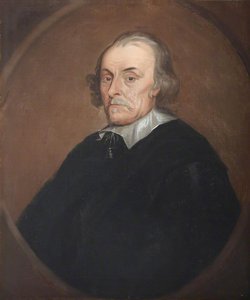
Thomas Sydenham (1624–1689)
 Acrylique sur toile
- Art mural
- Rococo Painting
 75.0 x 62.0 cm
 Bibliothèque Bodléienne
 Afficher la suite
Reproduction à l'huile faite à la main
Huile sur toile peinte à la main, avec cadre et dimensions personnalisés, réalisée sur commande par nos artistes. ( Passer au format impression Passer au format image numérique)




P118B $10

P118H $10

P118W $10

P438Z $10

P508JH $12

P508YH $12

P805H $10

P805Z $10

P919BZ $10

P919G $10

P919XJ $10

P959ZH $10

P968JZ $12

W106C $8

W218G $10

W218JH $8

W218Y $10

W307PJ $10

W316G $10

W316PJ $8

W316Y $10

W398PJ $8

W4111J $10

W500HY $15

W500JH $15

W692G $12

W849H $8

W940BG $15

W953PJ $8




Choisissez parmi nos formats prédéfinis qui respectent les proportions originales de l’œuvre.

Vous pouvez saisir vos propres dimensions pour l'adapter à un cadre ou à un espace spécifique. Si la taille sélectionnée ne correspond pas aux proportions de l'image d'origine, nous recadrerons l'œuvre ou prolongerons la peinture avec des éléments peints à la main supplémentaires. Une maquette numérique vous sera envoyée pour approbation avant le début de la production.
Veuillez noter que l'aperçu à l'écran ne reflète pas le recadrage ou l'extension réels. Seule la maquette montrera fidèlement la composition finale.
Bien que des tailles personnalisées soient disponibles, nous vous recommandons de sélectionner une dimension dans la liste prédéfinie afin de préserver les proportions d'origine.
Après la commande, l’équipe OriginalUniqueArt.com contactera le client par e-mail pour recueillir ses instructions et lui fournira une maquette d’aperçu
Livraison dans le monde entier () en 3 à 4 semaines au lieu des 5 semaines habituelles. (13 septembre). Aucun compromis sur la qualité.

Livraison express gratuite dans le monde entier

Toile de lin de haute qualité

Assurance transport complète

Garantie de remboursement des droits de douane

Garantie de fidélité des couleurs

Garantie de retour de 100 jours (uniquement en cas de défaut)

Garantie de remboursement à 100%

Tarifs dégressifs sur quantité
 L'option verre n'est disponible que pour les dimensions inférieures à 110 cm.

Thomas Sydenham (1624–1689)
Technique de reproduction
Format de la reproduction
-


Prix total final
$ 300
John Wollaston et la naissance du Rococo américain
John Wollaston (1742 – 1775) demeure une figure exceptionnelle dans l'histoire artistique américaine – un peintre britannique qui a façonné à lui seul l’esthétique des colonies nouvellement établies. Bien qu’il soit souvent négligé par ses contemporains tels que Benjamin West et Gilbert Stuart, Wollaston n’a pas seulement contribué en nombre mais en introduisant avec audace la grâce et la sophistication du Rococo peintresque en Amérique, marquant ainsi le début véritable de ce style européen à fleurir au-delà de l'Atlantique. Les détails biographiques sur les premières années de Wollaston sont rares. Né à Londres, probablement fils d’un peintre – bien que des témoignages contradictoires concernant le nom de son père varient entre John Wollaston et John Woolston, renforcés par les anecdotes de Horace Walpole sur les milieux artistiques anglais durant 1765 –, Wollaston reflétait une tendance générale aux familles aristocratiques adoptant des titres plus prestigieux. Walpole suggère que le père de Wollaston avait changé son nom pour Wollaston, imitant ainsi la pratique courante. ### Une Énigme Stylistique : L'Influence du Rococo Britannique L’œuvre de Wollaston est marquée par une esthétique profondément ancrée dans les traditions picturales britanniques du XVIIIe siècle. Il partageait avec Josef Thoma et d’autres peintres de son temps une fascination pour la douceur des couleurs pastel, les courbes élégantes des formes et l'utilisation abondante de tissus riches et luxueux – caractéristiques essentielles du Rococo français qu’il avait étudié attentivement à Londres avant de partir pour les colonies américaines. Cette influence est particulièrement visible dans ses portraits, où Wollaston privilégie une représentation réaliste mais sublimée, cherchant à capturer non seulement l'apparence physique du sujet mais aussi son caractère et sa personnalité avec une sensibilité remarquable. Comme le souligne John Clem Clarke, Wollaston avait transformé les œuvres classiques en interprétations innovantes et complexes, devenant ainsi un symbole de la nouvelle esthétique américaine. ### Thomas Sydenham : Un Portrait Évocateur au Service d'une Nouvelle Amérique La peinture "Thomas Sydenham (1624–1689)" réalisée par Wollaston témoigne de cette volonté de renouveler les formes artistiques tout en restant fidèle aux valeurs classiques. La composition est maîtrisée, avec une attention particulière portée à la lumière et aux détails anatomiques, reflétant une maîtrise technique exceptionnelle. Cependant, au-delà de la précision artistique, l'œuvre évoque une atmosphère calme et raffinée, caractéristique du Rococo américain. Le personnage représenté, Thomas Sydenham, était un médecin renommé et philanthrope, symbole de sagesse et d’humanité – valeurs essentielles pour les sociétés émergentes de l’époque coloniale. Cette œuvre est aujourd'hui conservée aux Bodleian Libraries à Oxford, où elle continue d’inspirer les chercheurs et les amateurs d’art.Biographie de l'artiste
John Wollaston: Pioneer of Rococo in America
John Wollaston (1742 – 1775) stands as a singular figure in the annals of American art history—a British painter who irrevocably shaped the aesthetic landscape of the burgeoning colonies. While overshadowed by contemporaries like Benjamin West and Gilbert Stuart, Wollaston’s contribution lies not merely in quantity but in introducing the elegance and sophistication of Rococo painting to North America, marking it as one of the first truly European styles to flourish across the Atlantic. Little biographical detail survives about Wollaston's formative years. He was born in London, likely the son of a painter—though conflicting accounts regarding his father’s name vary between John Wollaston and John Woolston, bolstered by Horace Walpole’s anecdotes of artistic circles in England during 1765. Walpole suggests Wollaston’s father changed his name to Wollaston, mirroring the broader trend of aristocratic families adopting more prestigious titles. Artistic training records are sparse; Charles Willson Peale, in a letter penned to his son Rembrandt in 1812, mentions Wollaston studied drapery with a London painter—a suggestion that underscores the limited documentation available concerning his artistic education. Nevertheless, stylistic analysis reveals Wollaston’s considerable skill and independence, demonstrating he either acquired further training or honed his distinctive style through self-directed experimentation. His artistic style bears unmistakable resemblance to portraits by Thomas Hudson and Allan Ramsay, artists who championed Rococo principles in Britain. These figures established a visual language characterized by delicate ornamentation, pastel hues, and an emphasis on idealized beauty—a stylistic paradigm that Wollaston wholeheartedly embraced. Some scholars propose Joseph van Aken served as Wollaston's teacher, attributing the drapery depicted in paintings by these and other artists of the period to his influence. This assertion speaks volumes about Wollaston’s identity—he considered himself firmly rooted in English culture rather than embracing American sensibilities, evidenced by the inscription on the back of a portrait of William Smith Jr., which identifies him as “Johannes Wollaston londoniensis.” Wollaston's artistic career gained momentum with his debut commission in 1742: a portrait of George Whitefield, the influential Methodist evangelist. This painting—still residing in the collections of the National Portrait Gallery—became Wollaston’s most celebrated work and was reproduced by John Faber Jr., cementing his reputation as a masterful artist. Further bolstering his portfolio were portraits of unnamed naval officers and other commissions that attest to his growing acclaim within London society. Wollaston's transatlantic voyage commenced in 1749, establishing himself temporarily in New York City—a move that allowed him to cultivate connections with the American artistic community. Among Wollaston’s notable achievements is “Thomas Willis,” completed in 1752. This Baroque masterpiece exemplifies his signature style: rich detail, dramatic lighting, and a contemplative subject rendered with meticulous precision. The painting utilizes opulent fabrics and employs masterful brushwork to convey both grandeur and psychological depth—characteristics that define Wollaston's oeuvre. It stands as a testament to his ability to capture the essence of his subjects while adhering to the stylistic conventions of Rococo art. He skillfully blended classical influences with decorative flourishes, creating images imbued with grace and refinement. Furthermore, Wollaston’s influence extended beyond individual portraits; he actively collaborated with other artists, shaping the visual culture of his time. His work served as inspiration for subsequent generations of painters in America and Britain alike—a legacy that continues to resonate within the broader history of European and American art. John Wollaston's contribution solidified Rococo's presence in America and cemented his place as a pivotal figure in establishing artistic traditions across continents.
Johannes Wollaston londoniensis
1742 - 1775 , Angleterre
En bref
- Artistic Movement Or Style: Rococo peinture
- Artists Who Influenced This Artist:
- Thomas Hudson
- Allan Ramsay
- Date Of Birth: 1742
- Date Of Death: 1775
- Full Name: John Wollaston
- Nationality: Anglais
- Notable Artworks:
- George Whitefield Portrait
- Officer of the British Navy Portrait
- Thomas Willis Portrait
- Place Of Birth: Londres
Articles similaires

Les 10 Chefs-d'Œuvre du Rococo : Artistes, Histoire & Décor Intérieur
Plongez dans l'univers raffiné du Rococo avec les 10 chefs-d'œuvre de Fragonard, Boucher & Watteau. Découvrez l'histoire, les techniques et la magie de ce mouvement artistique. Reproductions tableaux de qualité muséale sur .

Constable : Les 25 Chefs-d'Œuvre du Maître Anglais | OriginalUniqueArt
Plongez dans l'univers de John Constable avec les 25 œuvres incontournables du maître anglais. Découvrez l'histoire, la technique et l'émotion derrière ses paysages romantiques. Reproductions de qualité muséale sur OriginalUniqueArt.com.
Thomas Hudson: A Study in 18th-Century Portraiture & British Artistic Identity
Explore the life & work of Thomas Hudson, a leading 18th-century British portraitist. Discover his mastery of the 'Grand Manner,' influential style, and lasting impact on British art. Learn about his notable portraits like Judge William Noel & Alexander Van Aken.

John Singer Sargent : Les 25 Œuvres Maîtresses d'un Portraitiste Éminent | OriginalUniqueArt
Plongez dans l'univers de John Singer Sargent : découvrez les 25 œuvres qui ont marqué l'histoire de l'art. Portraits impressionnants, réalisme exquis et couleurs vibrantes. Retrouvez ces chefs-d'œuvre en reproduction haute définition sur OriginalUniqueArt.com.
John Hoppner: Portraiture, Patronage & British Identity in the Late Georgian Era
Explore the life & work of John Hoppner, a leading Georgian portraitist. Discover his vibrant style, influential patrons, and lasting impact on British art history. Expert insights for collectors.