

 Aperçu en situation
 Envoyer
 Partager
 Détails de l'œuvre

 Télécharger
 Articles similaires
 Radiographie
 Diaporama
Richard Humphreys, the Boxer
 Acrylic On Canvas
- WallArt
- Neoclassical Portraiture
 142.0 x 112.0 cm
 Metropolitan Museum of Art
 Lire la suite
Reproduction à l'huile faite à la main
Huile sur toile peinte à la main, avec cadre et dimensions personnalisés, réalisée sur commande par nos artistes. ( Commander l'impression Acheter l'image haute résolution)




P118B $10

P118H $10

P118W $10

P438Z $10

P508JH $12

P508YH $12

P805H $10

P805Z $10

P919BZ $10

P919G $10

P919XJ $10

P959ZH $10

P968JZ $12

W106C $8

W218G $10

W218JH $8

W218Y $10

W307PJ $10

W316G $10

W316PJ $8

W316Y $10

W398PJ $8

W4111J $10

W500HY $15

W500JH $15

W692G $12

W849H $8

W940BG $15

W953PJ $8




Choisissez parmi nos formats prédéfinis qui respectent les proportions originales de l’œuvre.

Vous pouvez saisir vos propres dimensions pour l'adapter à un cadre ou à un espace spécifique. Si la taille sélectionnée ne correspond pas aux proportions de l'image d'origine, nous recadrerons l'œuvre ou prolongerons la peinture avec des éléments peints à la main supplémentaires. Une maquette numérique vous sera envoyée pour approbation avant le début de la production.
Veuillez noter que l'aperçu à l'écran ne reflète pas le recadrage ou l'extension réels. Seule la maquette montrera fidèlement la composition finale.
Bien que des tailles personnalisées soient disponibles, nous vous recommandons de sélectionner une dimension dans la liste prédéfinie afin de préserver les proportions d'origine.
Après la commande, l’équipe OriginalUniqueArt.com contactera le client par e-mail pour recueillir ses instructions et lui fournira une maquette d’aperçu
Livraison dans le monde entier () en 3 à 4 semaines au lieu des 5 semaines habituelles. (31 août). Aucun compromis sur la qualité.

Livraison express gratuite dans le monde entier

Toile de lin de qualité supérieure

Assurance transport complète

Garantie de remboursement des droits de douane

Garantie de fidélité des couleurs

Politique de retour de 60 jours (uniquement en cas de défaut)

Garantie de remboursement à 100%

Offre de tarifs dégressifs
 L'option verre n'est disponible que pour les dimensions inférieures à 110 cm.

Richard Humphreys, the Boxer
Technique de reproduction
Format de la reproduction
-


Prix total
$ 300
A Moment Frozen in Time: John Hoppner’s “Richard Humphreys, the Boxer”
John Hoppner's "Richard Humphreys, the Boxer," painted circa 1785, isn’t merely a depiction of a sporting contest; it’s a carefully constructed tableau brimming with Victorian fascination for both spectacle and the human form. The painting captures a pivotal moment – not necessarily a victory, but a poised readiness – within the brutal world of bare-knuckle boxing, a pastime that held a strange allure for artists and audiences alike during the late eighteenth century. Hoppner masterfully blends the physicality of combat with an almost sculptural elegance, elevating the scene beyond simple documentation to become a study in tension, power, and vulnerability.
The subject himself, Richard Humphreys, is presented as a young man, radiating a controlled intensity. His stance, honed by years of training, is both defensive and threatening; his arms extended, fists clenched, he embodies the coiled energy of a predator. The detail in his attire – the meticulously rendered breeches, silk stockings, and polished pumps – speaks to the status afforded to boxers at this time, suggesting they were not simply rough men but performers worthy of admiration. Hoppner’s use of light is particularly striking; it highlights Humphreys' musculature, emphasizing the strength beneath the surface while simultaneously casting shadows that hint at the potential for violence.
The Victorian Obsession with Combat and the Body
Hoppner’s painting exists within a broader cultural context. Bare-knuckle boxing was immensely popular in England during this period, offering a thrilling spectacle that combined elements of sport, theatre, and even ritualistic combat. The public flocked to these matches, drawn by the raw energy and the perceived drama of witnessing human strength pitted against human strength. Artists like Hoppner were captivated by the physicality of the boxers – their powerful bodies, their expressive faces, and the inherent beauty in their struggle. This fascination extended beyond mere representation; it reflected a Victorian interest in exploring themes of masculinity, power, and the darker aspects of human nature.
Furthermore, the painting’s circulation through printed reproductions—a relatively new medium at the time—amplified its impact. The image was disseminated widely, transforming the boxing match into a public spectacle accessible to those who couldn't attend in person. This mass reproduction contributed to the growing fascination with the subject and cemented Hoppner’s reputation as a skilled portraitist capable of capturing both the drama and the aesthetic qualities of this unusual subject matter.
Technique and Artistic Style
Hoppner’s technical skill is evident in every brushstroke. He employs a loose, expressive style reminiscent of Reynolds, utilizing broad washes of color and dynamic compositions to convey movement and emotion. The painting's palette is rich and vibrant, dominated by earthy tones – browns, ochres, and reds – which ground the scene while simultaneously highlighting the textures of the boxer’s clothing and skin. Noticeably, Hoppner avoids overly detailed rendering; instead, he focuses on capturing the essence of the moment, prioritizing atmosphere and psychological impact over photographic accuracy.
The background, a simple depiction of a tree, serves not as a distraction but as a subtle framing device, drawing attention to the central figure. The use of atmospheric perspective – softening distant elements – further enhances the sense of depth and immediacy. Hoppner’s ability to create such a compelling image with relatively few details speaks volumes about his artistic mastery.
Symbolism and Emotional Resonance
"Richard Humphreys, the Boxer" transcends its subject matter to offer a poignant meditation on human potential and the precarious nature of triumph. The boxer's poised stance suggests not just readiness for battle but also a moment of intense self-awareness – a recognition of his own strength and vulnerability. The painting’s ambiguity—we don’t know if he has won or lost—adds to its emotional resonance, inviting viewers to contemplate the complexities of competition and the human condition.
Ultimately, Hoppner's work is more than just a sporting portrait; it’s a captivating glimpse into a bygone era, a testament to the enduring appeal of spectacle and the power of art to capture fleeting moments of intense emotion. Reproductions of this iconic painting continue to resonate with audiences today, offering a window into the Victorian fascination with combat, beauty, and the human spirit.
Biographie de l'artiste
Une vie d'art et de mécénat royal
John Hoppner, un peintre portraitiste anglais éminent, a laissé une marque indélébile sur le monde de l'art grâce à sa palette de couleurs vibrantes. Né à Whitechapel, Londres, en 1758 de parents allemands, la vie de Hoppner fut marquée par le mécénat royal et un talent artistique exceptionnel.Jeunesse et formation
- À ses jeunes années, Hoppner devint enfant de chœur à la chapelle royale, mais son inclination vers l'art le conduisit à entrer à la Royal Academy en 1775.
- En 1778, il reçut une médaille d'argent pour dessin d'après nature et, en 1782, la médaille d'or pour peinture historique avec son œuvre sur Le Roi Lear.
Ascension vers la gloire et œuvres notables
John Hoppner's portraits de femmes et d’enfants furent jugés ses œuvres les plus réussies par des critiques compétents. Son style, caractérisé par sa largeur et sa liberté, conférait à ses peintures un reflet subtil du charme de Reynolds. Parmi ses œuvres notables figurent :- Madame Jordan en tant que Viola dans « La Nuit de Twelfth », aujourd'hui à English Heritage (Londres, Royaume-Uni), témoignant de sa maîtrise du portrait.
- Ses portraits du Prince de Galles, du Duc et de la Duchesse d’York, de Lord Rodney et de Lord Nelson, qui furent accrochés dans les appartements d’État à St James's Palace, démontrent ses hautes connexions sociales.
Évolution artistique et influences
John Hoppner a été influencé par le style de Sir Joshua Reynolds, un peintre portraitiste britannique renommé. Il a cependant développé son propre style distinctif caractérisé par des couleurs plus vives et une touche plus libre. Son approche du portrait était souvent moins formelle que celle de ses prédécesseurs, capturant la personnalité et l'esprit de ses sujets avec une vivacité particulière. Il s’est également intéressé à la représentation de scènes historiques, comme en témoigne son œuvre sur Le Roi Lear qui lui a valu une médaille d'or.Héritage et vie ultérieure
La vie de John Hoppner fut marquée par une maladie chronique du foie. Il décéda le 23 janvier 1810. Malgré cela, son héritage perdure à travers ses portraits vibrants qui continuent de captiver les amateurs d'art.- Explorez davantage les œuvres de John Hoppner sur https://OriginalUniqueArt.com/@/johnhoppner.
- Découvrez le contexte plus large de l'art britannique sur https://en.wikipedia.org/wiki/art_of_the_united_kingdom.
Importance historique
John Hoppner est considéré comme un peintre portraitiste important de la fin du XVIIIe siècle et du début du XIXe siècle en Angleterre. Ses portraits témoignent des modes et des valeurs sociales de son époque, tout en offrant un aperçu précieux de la vie des personnalités importantes de l'époque. Son style distinctif et sa capacité à capturer la personnalité de ses sujets ont contribué à consolider sa réputation d’artiste talentueux et recherché.
John Hoppner
1758 - 1810 , Royaume-Uni
L'essentiel de l'artiste
- Artistes Influents: ['Thomas Reynolds']
- Date De Décès: 1810
- Date De Naissance: 1758
- Lieu De Naissance: Whitechapel, Royaume-Uni
- Nationalité: Britannique
- Nom Complet: John Hoppner
- Oeuvres Notables:
- Mme Jordan en Viola
- Portraits royaux
- Style Artistique: Portraitiste, Romantisme
Articles connexes
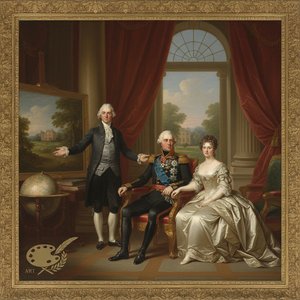
John Hoppner: Portraiture, Patronage & British Identity in the Late Georgian Era
Explore the life & work of John Hoppner, a leading Georgian portraitist. Discover his vibrant style, influential patrons, and lasting impact on British art history. Expert insights for collectors.

Constable : Les 25 Chefs-d'Œuvre du Maître Anglais | OriginalUniqueArt
Plongez dans l'univers de John Constable avec les 25 œuvres incontournables du maître anglais. Découvrez l'histoire, la technique et l'émotion derrière ses paysages romantiques. Reproductions de qualité muséale sur OriginalUniqueArt.com.

John Singer Sargent : Les 25 Œuvres Maîtresses d'un Portraitiste Éminent | OriginalUniqueArt
Plongez dans l'univers de John Singer Sargent : découvrez les 25 œuvres qui ont marqué l'histoire de l'art. Portraits impressionnants, réalisme exquis et couleurs vibrantes. Retrouvez ces chefs-d'œuvre en reproduction haute définition sur OriginalUniqueArt.com.
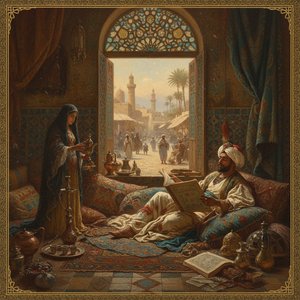
John Frederick Lewis: Orientalism, Detail & Genre Painting in 19th-Century British Art
Explore the captivating Orientalist paintings of John Frederick Lewis! Discover his mastery of detail, genre scenes & influence on 19th-century British art. Learn about his life, techniques & legacy at OriginalUniqueArt.
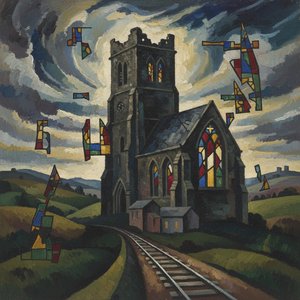
John Piper: A Spiritual Vision of British Landscape & Modernism's Embrace
Explore the captivating world of John Piper, a celebrated British painter whose evocative landscapes & iconic church art captured the spirit of his time. Discover his legacy and find high-quality reproductions at OriginalUniqueArt.



