

 Aperçu en situation
 Partager
 Partager
 Détails
 Guide imprimable

 Télécharger
 Articles similaires
 Radiographie
 Voir le diaporama
 Statistiques
Le Jugement Dernier


 Afficher la suite
Giclées et impressions d'art
Impressions giclées ou sur toile de qualité musée, avec une production rapide et des finitions au choix. ( Acheter la peinture faite à la main Passer au format image numérique)




P118B €10

P118H €10

P118W €10

P438Z €10

P508JH €12

P508YH €12

P805H €10

P805Z €10

P919BZ €10

P919G €10

P919XJ €10

P959ZH €10

P968JZ €12

W106C €8

W218G €10

W218JH €8

W218Y €10

W307PJ €10

W316G €10

W316PJ €8

W316Y €10

W398PJ €8

W4111J €10

W500HY €15

W500JH €15

W692G €12

W849H €8

W940BG €15

W953PJ €8




Choisissez parmi nos formats prédéfinis qui respectent les proportions originales de l’œuvre.

Saisissez la largeur et la hauteur souhaitées pour qu'elles s'adaptent à votre cadre ou à votre mur. Une impression ne peut être que découpée, elle ne peut jamais être agrandie au-delà de l'image originale ; ainsi, un format de forme différente entraînera la perte d'une partie de l'image. Nous vous envoyons une maquette numérique pour approbation avant toute impression. L'image présentée sur cette page ne montre pas le recadrage réel — seule la maquette le permet.
Livraison dans le monde entier () en 2 semaines au lieu des 4/5 semaines habituelles. (21 octobre)

Livraison express gratuite dans le monde entier

Toile de lin de haute qualité

Assurance transport complète

Garantie de remboursement des droits de douane

Garantie de fidélité des couleurs

Garantie de retour de 100 jours (uniquement en cas de défaut)

Garantie de remboursement à 100%

Tarifs dégressifs sur quantité
 L'option verre n'est disponible que pour les dimensions inférieures à 110 cm.

Le Jugement Dernier
Giclées et impressions d'art
Format de la reproduction
-


Prix total final
€ 70
A Glimpse into Bosch’s Inferno: Decoding *The Last Judgement (detail)*
Hieronymus Bosch's *Triptych of the Last Judgement*, completed around 1480-1500, remains one of art history’s most unsettling and profoundly imaginative achievements. More than just a depiction of divine retribution, it is an intricate allegory exploring sin, morality, and God’s justice—rendered with a meticulous oil painting technique on wooden panel that continues to fascinate viewers centuries later. This particular detail captures the essence of Bosch's vision: a harrowing tableau of Hell populated by grotesque figures and unsettling machinery, designed to provoke contemplation and instill fear.Subject & Narrative
The scene plunges us directly into the torments of the damned. Unlike traditional depictions focusing on grand theological narratives, Bosch’s Hell eschews simplistic moral pronouncements in favor of visceral psychological exploration. We witness a chaotic assembly of souls undergoing punishments uniquely tailored to their earthly failings—a deliberate rejection of didacticism that prioritizes emotional impact over doctrinal certainty. Note the meticulous rendering of instruments of torture – not merely tools inflicting pain but extensions of the sins themselves, mirroring the perverse logic of Bosch’s worldview. The artist's fascination with inventive and bizarre methods of torment transcends conventional iconography, venturing into realms bordering on surrealism. This detail showcases Bosch’s masterful manipulation of perspective and texture to heighten the sense of claustrophobia and disorientation experienced by those trapped within this infernal landscape.Style & Technique: A Masterclass in Northern Renaissance Surrealism
Bosch's style defies easy categorization, yet it stands firmly rooted in Late Gothic traditions while simultaneously anticipating elements of Surrealism decades before André Breton formally established the movement. His unparalleled skill with oil paint on wooden panel allows for an astonishing level of detail—observe the subtle gradations of color and the painstaking layering of brushstrokes that create a palpable sense of depth and dynamism within the darker recesses of Hell. The flattened perspective contributes to the oppressive atmosphere, trapping the viewer alongside the tormented souls depicted. Bosch’s technique is characterized by *impasto*, where thick layers of paint are applied directly onto the surface, creating textured surfaces that convey both visual richness and emotional intensity. This deliberate textural contrast underscores the artist's desire to communicate not merely what he sees but how he feels—a hallmark of Northern Renaissance art and a precursor to later artistic explorations of psychological states.Symbolism & Iconography: A Moral Compass
Every element in Bosch’s work is laden with symbolism, reflecting his deep engagement with contemporary moralities and religious beliefs. The grotesque figures – often hybrids of human and animal forms—represent the bestial nature of sin and the degradation of humanity. Instruments of torture are not merely implements of pain; they embody the sins themselves, mirroring the perverse logic of Bosch’s worldview. Consider the recurring motif of musical instruments repurposed as instruments of torment: this allusion to biblical prophecies underscores the dangers of unchecked indulgence and pleasure—a central theme in Bosch's artistic vision. The presence of specific objects and creatures draws upon folklore and popular beliefs, offering a window into 15th-century anxieties about salvation and damnation. Decoding these symbols unlocks the deeper meaning behind Bosch’s unsettling imagery—a testament to his genius as an artist and thinker.Historical Context & Artistic Legacy
Hieronymus Bosch lived during a period of profound social and religious upheaval in Brabant, where the fervor for piety mingled with anxieties about mortality and the uncertainties of faith. His art reflects these tensions, rejecting simplistic theological interpretations in favor of psychological exploration—a bold departure from prevailing artistic conventions. Bosch’s influence on subsequent generations of artists is undeniable; his visionary style paved the way for Pieter Bruegel the Elder and continues to inspire contemporary creators grappling with themes of fantasy, horror, and the human condition. His enduring legacy resides not merely in his technical mastery but also in his ability to confront uncomfortable truths—a reminder that art can serve as a powerful catalyst for introspection and moral reflection.- Ideal for: Collectors of Northern Renaissance art, those interested in symbolism and allegory, designers seeking impactful statement pieces.
- Mood: Dramatic, unsettling, thought-provoking, gothic.
- Pairing Suggestions: Contemporary furniture with dark hues, gallery walls featuring monochrome palettes, artistic installations exploring themes of existential dread.
Questions et réponses
Comment les couleurs de «Le Jugement Dernier» de Jérôme Bosch se rapportent-elles à l'émotion qui s'en dégage ?
«Le Jugement Dernier» de Jérôme Bosch associe une palette Tons terreux à un ton Sombrière et solennelle.
De quelle période date «Le Jugement Dernier» de Jérôme Bosch ?
«Le Jugement Dernier» de Jérôme Bosch date de la période Renaissance. Cette époque apporte le contexte historique de l'œuvre.
Quelle origine nationale sous-tend le Northern Renaissance Surrealism de « Le Jugement Dernier » ?
L'œuvre Northern Renaissance Surrealism « Le Jugement Dernier » a été réalisée par un artiste né en Pays-Bas.
Biographie de l'artiste
vie et carrière
Hieronymus Bosch, un peintre néerlandais/flandrien renommé du Brabant, est né vers 1450 à ‘s-Hertogenbosch, aux Pays-Bas. Sa vie reste enveloppée de mystère, avec seulement quelques traces de son existence. Malgré le manque d'informations biographiques, l’art de Bosch a eu un impact profond sur l’art européen du nord, en particulier au XVIe siècle.style artistique et influences
Le style unique de Bosch, caractérisé par des représentations surréalistes et imaginatives de thèmes religieux, est largement influent. Ses peintures à l'huile sur bois, souvent représentant des visions étranges et cauchemardesques de l’enfer, ont fait l’objet de nombreuses interprétations. Le Triptyque du Jugement Dernier (c. 1480-1490) et le Jardin du Paradis Terrestre (c. 1490-1510) sont deux de ses œuvres les plus célèbres, mettant en valeur sa maîtrise du médium.Œuvres notables et collections
* L’Ascension des Bienheureux (renaissance du nord, huile sur panneau) : un exemple rare de l'œuvre de Bosch, présentant une scène onirique et étrange. * Épiphanie (c. 1495, Musée du Prado, Madrid) : Un triptyque qui démontre l’utilisation innovante de l’huile sur bois par Bosch. * Tête d'un Halberdiers (Musée du Prado, Madrid) : Un bel exemple de la peinture à portrait de Bosch, mettant en valeur son souci du détail.Musées et collections présentant l’œuvre de Bosch
* Le Musée du Prado, Madrid : abrite certaines des œuvres les plus célèbres de Bosch, notamment l’Épiphanie et le Triptyque du Jugement Dernier. * Le Musée d'Art de Philadelphie, Philadelphie : présente une version de l’Épiphanie, offrant une perspective unique sur le style artistique de Bosch.- Découvrez davantage des œuvres de Hieronymus Bosch à https://OriginalUniqueArt.com/@/hieronymus-bosch
- Découvrez le mouvement de l'art néerlandais du début et ses figures clés, dont Jan van Eyck et Pieter Bruegel le Vieux, à https://OriginalUniqueArt.com/@@/a@d3cpaf-the-erly-netherlandish-art-movement
- Apprenez-en davantage sur la vie et l'œuvre de Pieter Bruegel le Vieux à https://en.wikipedia.org/wiki/pieter_bruegel_the_elder
Héritage
Le style énigmatique de Hieronymus Bosch captive les amateurs d'art depuis des siècles, et son influence peut encore être observée dans l'œuvre de nombreux artistes. Son mélange unique de surréalisme et d’intuitions profondes sur la condition humaine a solidifié sa place en tant que maître de la peinture néerlandaise.
Jérôme Bosch
1450 - 1516 , Pays-Bas
En bref
- Artistes Influencés: ['Pieter Bruegel le Vieux']
- Artistes Influents:
- Jan van Eyck
- Pieter Bruegel l'Ancien
- Date De Décès: 1516
- Date De Naissance: c. 1450
- Lieu De Naissance: 's-Hertogenbosch, Pays-Bas
- Mouvement Artistique: Renaissance nordique
- Nationalité: Néerlandais/Flamand
- Nom Complet: Jérôme Bosch
- Œuvres Notables:
- Le Jardin des délices terrestres
- Triptyque du Jugement Dernier
- L'Ascension des Bienheureux
- Épiphanie
Articles connexes
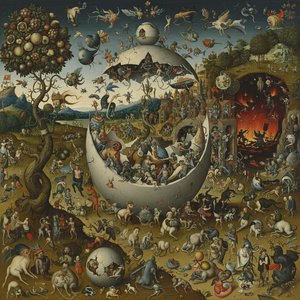
Hieronymus Bosch : Les 25 Œuvres Maîtresses d'un Génie Visionnaire | OriginalUniqueArt
Plongez dans l'univers fascinant de Hieronymus Bosch ! Découvrez les 25 œuvres maîtresses du peintre flamand, symbolisme religieux et visions fantastiques. Reproductions d'art de qualité muséale sur OriginalUniqueArt.com.
Surréalisme : 10 Chefs-d'œuvre Iconiques à Redécouvrir pour une Déco Inspirée
Plongez dans l'univers fascinant du surréalisme avec OriginalUniqueArt.com ! Découvrez 10 chefs-d'œuvre iconiques de Dalí, Magritte et Miró. Inspirez votre décoration intérieure avec ces tableaux célèbres et trouvez la reproduction parfaite pour sublimer votre espace. Explorez la collection complète en ligne
Surrealist Dreamscapes: A Curated Journey Through the Subconscious Majesty of Surrealism
Embark on a sophisticated journey through Surrealist dreamscapes. Explore the profound symbolism of masters like Dalí and discover how to curate breathtaking, museum-quality surrealist art for your private collection with expert guidance.
Les 25 Chefs-d'œuvre du Prado : Voyage au Cœur de l'Art Espagnol
Plongez au cœur du Musée du Prado avec notre sélection des 25 œuvres incontournables : Velázquez, Goya, El Greco… Découvrez l'histoire et la beauté de ces chefs-d'œuvre baroques. Trouvez l'inspiration déco & achetez des reproductions haute qualité sur OriginalUniqueArt.com !
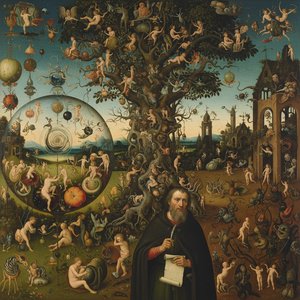
Jérôme Bosch : Décoder les Visions d'un Maître Néerlandais
Explorez l'univers fascinant de Jérôme Bosch avec notre analyse approfondie. Découvrez le symbolisme caché de ses œuvres, des Primitifs Flamands au célèbre Jardin des Délices. Un voyage artistique incontournable.


