

 Aperçu en situation
 Envoyer
 Partager
 Détails de l'œuvre

 Télécharger
 Articles similaires
 Radiographie
 Diaporama
La Tentation de Saint Antoine


 Lire la suite
Reproduction à l'huile faite à la main
Huile sur toile peinte à la main, avec cadre et dimensions personnalisés, réalisée sur commande par nos artistes. ( Commander l'impression Télécharger l'image haute résolution)




P118B $10

P118H $10

P118W $10

P438Z $10

P508JH $12

P508YH $12

P805H $10

P805Z $10

P919BZ $10

P919G $10

P919XJ $10

P959ZH $10

P968JZ $12

W106C $8

W218G $10

W218JH $8

W218Y $10

W307PJ $10

W316G $10

W316PJ $8

W316Y $10

W398PJ $8

W4111J $10

W500HY $15

W500JH $15

W692G $12

W849H $8

W940BG $15

W953PJ $8




Choisissez parmi nos formats prédéfinis qui respectent les proportions originales de l’œuvre.

Vous pouvez saisir vos propres dimensions pour l'adapter à un cadre ou à un espace spécifique. Si la taille sélectionnée ne correspond pas aux proportions de l'image d'origine, nous recadrerons l'œuvre ou prolongerons la peinture avec des éléments peints à la main supplémentaires. Une maquette numérique vous sera envoyée pour approbation avant le début de la production.
Veuillez noter que l'aperçu à l'écran ne reflète pas le recadrage ou l'extension réels. Seule la maquette montrera fidèlement la composition finale.
Bien que des tailles personnalisées soient disponibles, nous vous recommandons de sélectionner une dimension dans la liste prédéfinie afin de préserver les proportions d'origine.
Après la commande, l’équipe OriginalUniqueArt.com contactera le client par e-mail pour recueillir ses instructions et lui fournira une maquette d’aperçu
Livraison dans le monde entier () en 3 à 4 semaines au lieu des 5 semaines habituelles. (22 août). Aucun compromis sur la qualité.

Livraison express gratuite dans le monde entier

Toile de lin de qualité supérieure

Assurance transport complète

Garantie de remboursement des droits de douane

Garantie de fidélité des couleurs

Politique de retour de 60 jours (uniquement en cas de défaut)

Garantie de remboursement à 100%

Offre de tarifs dégressifs
 L'option verre n'est disponible que pour les dimensions inférieures à 110 cm.

La Tentation de Saint Antoine
Technique de reproduction
Format de la reproduction
-


Prix total
$ 300
Description de l'œuvre
The Temptation of St. Anthony
Hieronymus Bosch’s *Temptation of St. Anthony* stands as an unparalleled testament to the Northern Renaissance artistic vision, captivating viewers with its unsettling beauty and profound exploration of moral struggle. Painted around 1501, this panel painting resides within the Museo Nacional de Arte Antiga in Lisbon, Portugal—a location that underscores its significance as a cornerstone of European art history. Unlike Bosch’s monumental *Triptych of Garden of Earthly Delights*, which bursts with fantastical imagery and vibrant color palettes, *The Temptation of St. Anthony* adopts a more restrained aesthetic, prioritizing psychological depth over visual spectacle. Yet, it achieves an equally powerful impact through its masterful depiction of inner turmoil and the pervasive influence of demonic temptation.Composition and Symbolism: A Landscape of Anxiety
Bosch’s genius lies in transforming a simple biblical narrative into a complex allegory—a microcosm reflecting humanity's battle against evil. The scene unfolds within a desolate landscape dominated by a towering hollow tree trunk, sheltering Saint Anthony amidst swirling birds and unsettling figures. This deliberate choice of setting isn’t merely decorative; it symbolizes the isolation and vulnerability inherent in spiritual contemplation. Bosch employs a high horizon line to emphasize this sense of emptiness and heighten the drama—a technique characteristic of his oeuvre and reflecting the anxieties of the time. Scattered throughout the composition are devils, not actively attacking Saint Anthony but poised for action, carrying ladders and concealing themselves behind grassy mounds. This subtle depiction underscores the omnipresent threat of temptation and the difficulty of resisting evil’s allure. The inclusion of a pig with a bell on its ear—a recurring motif in Bosch’s work—represents worldly distractions and serves as a visual reminder of the saint's unwavering focus on his spiritual quest. Furthermore, the flickering fire symbolizes divine grace battling against darkness, mirroring Saint Anthony’s struggle for purity.Artist and Style: Mastery of Detail and Psychological Insight
Hieronymus Bosch (1450-1516) was a singular figure in the Northern Renaissance movement, renowned for his distinctive style—a blend of realism and fantastical imagination that continues to fascinate scholars and artists alike. He primarily worked with oil on oak panels, demonstrating exceptional technical skill while simultaneously conveying profound psychological insight. Bosch’s meticulous attention to detail is evident throughout *The Temptation of St. Anthony*, from the intricate textures of the tree bark to the expressive faces of the demonic figures. His use of color—primarily muted browns and greys—contributes to the painting's somber mood, reinforcing its thematic concerns about sin and redemption. Bosch’s stylistic innovations—such as his incorporation of grotesque imagery and symbolic representations—established him as a pioneer of visual storytelling and cemented his legacy as one of the greatest artists of his era.Historical Context: Morality Tale in Turbulent Times
The *Temptation of St. Anthony* reflects the intellectual ferment of the Renaissance, particularly the humanist preoccupation with moral philosophy and the influence of Augustine’s theology—a dialogue between faith and reason that permeated European culture. Bosch's depiction aligns perfectly with the prevailing anxieties surrounding spiritual corruption and the need for ascetic piety—themes central to Christian morality during the period. The painting served as a powerful reminder of humanity’s susceptibility to temptation and the importance of resisting worldly desires in pursuit of divine salvation. Its enduring appeal stems from its ability to resonate across centuries, prompting viewers to contemplate fundamental questions about human nature and the struggle between good and evil—a timeless exploration that secures *The Temptation of St. Anthony*'s place among the masterpieces of Northern Renaissance art.- View more works by Hieronymus Bosch on OriginalUniqueArt, including Triptych of Garden of Earthly Delights (detail) and Triptych of Garden of Earthly Delights (detail)
- Discover the Museo del Prado and its collection of European paintings, including works by Luis Alvarez Catala, on OriginalUniqueArt
The *Temptation of St. Anthony* is a masterpiece of the Northern Renaissance movement, showcasing the unique style and skill of Hieronymus Bosch. To own a handmade oil painting reproduction of this work, visit OriginalUniqueArt and explore our collection of Hieronymus Bosch paintings.
Biographie de l'artiste
vie et carrière
Hieronymus Bosch, un peintre néerlandais/flandrien renommé du Brabant, est né vers 1450 à ‘s-Hertogenbosch, aux Pays-Bas. Sa vie reste enveloppée de mystère, avec seulement quelques traces de son existence. Malgré le manque d'informations biographiques, l’art de Bosch a eu un impact profond sur l’art européen du nord, en particulier au XVIe siècle.style artistique et influences
Le style unique de Bosch, caractérisé par des représentations surréalistes et imaginatives de thèmes religieux, est largement influent. Ses peintures à l'huile sur bois, souvent représentant des visions étranges et cauchemardesques de l’enfer, ont fait l’objet de nombreuses interprétations. Le Triptyque du Jugement Dernier (c. 1480-1490) et le Jardin du Paradis Terrestre (c. 1490-1510) sont deux de ses œuvres les plus célèbres, mettant en valeur sa maîtrise du médium.Œuvres notables et collections
* L’Ascension des Bienheureux (renaissance du nord, huile sur panneau) : un exemple rare de l'œuvre de Bosch, présentant une scène onirique et étrange. * Épiphanie (c. 1495, Musée du Prado, Madrid) : Un triptyque qui démontre l’utilisation innovante de l’huile sur bois par Bosch. * Tête d'un Halberdiers (Musée du Prado, Madrid) : Un bel exemple de la peinture à portrait de Bosch, mettant en valeur son souci du détail.Musées et collections présentant l’œuvre de Bosch
* Le Musée du Prado, Madrid : abrite certaines des œuvres les plus célèbres de Bosch, notamment l’Épiphanie et le Triptyque du Jugement Dernier. * Le Musée d'Art de Philadelphie, Philadelphie : présente une version de l’Épiphanie, offrant une perspective unique sur le style artistique de Bosch.- Découvrez davantage des œuvres de Hieronymus Bosch à https://OriginalUniqueArt.com/@/hieronymus-bosch
- Découvrez le mouvement de l'art néerlandais du début et ses figures clés, dont Jan van Eyck et Pieter Bruegel le Vieux, à https://OriginalUniqueArt.com/@@/a@d3cpaf-the-erly-netherlandish-art-movement
- Apprenez-en davantage sur la vie et l'œuvre de Pieter Bruegel le Vieux à https://en.wikipedia.org/wiki/pieter_bruegel_the_elder
Héritage
Le style énigmatique de Hieronymus Bosch captive les amateurs d'art depuis des siècles, et son influence peut encore être observée dans l'œuvre de nombreux artistes. Son mélange unique de surréalisme et d’intuitions profondes sur la condition humaine a solidifié sa place en tant que maître de la peinture néerlandaise.
Jérôme Bosch
1450 - 1516 , Pays-Bas
L'essentiel de l'artiste
- Artistes Influencés: ['Pieter Bruegel le Vieux']
- Artistes Influents:
- Jan van Eyck
- Pieter Bruegel l'Ancien
- Date De Décès: 1516
- Date De Naissance: c. 1450
- Lieu De Naissance: 's-Hertogenbosch, Pays-Bas
- Mouvement Artistique: Renaissance nordique
- Nationalité: Néerlandais/Flamand
- Nom Complet: Jérôme Bosch
- Œuvres Notables:
- Le Jardin des délices terrestres
- Triptyque du Jugement Dernier
- L'Ascension des Bienheureux
- Épiphanie
Articles connexes
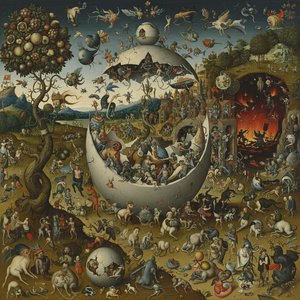
Hieronymus Bosch : Les 25 Œuvres Maîtresses d'un Génie Visionnaire | OriginalUniqueArt
Plongez dans l'univers fascinant de Hieronymus Bosch ! Découvrez les 25 œuvres maîtresses du peintre flamand, symbolisme religieux et visions fantastiques. Reproductions d'art de qualité muséale sur OriginalUniqueArt.com.
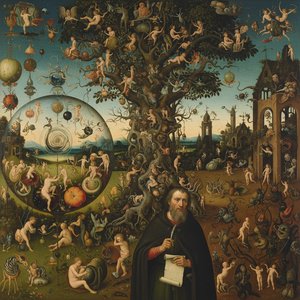
Jérôme Bosch : Décoder les Visions d'un Maître Néerlandais
Explorez l'univers fascinant de Jérôme Bosch avec notre analyse approfondie. Découvrez le symbolisme caché de ses œuvres, des Primitifs Flamands au célèbre Jardin des Délices. Un voyage artistique incontournable.
Les 25 Chefs-d'œuvre du Prado : Voyage au Cœur de l'Art Espagnol
Plongez au cœur du Musée du Prado avec notre sélection des 25 œuvres incontournables : Velázquez, Goya, El Greco… Découvrez l'histoire et la beauté de ces chefs-d'œuvre baroques. Trouvez l'inspiration déco & achetez des reproductions haute qualité sur OriginalUniqueArt.com !
Les 25 Chefs-d'œuvre du Staatliche Museen : Art, Histoire et Décor d'Exception
Plongez au cœur du Staatliche Museen de Berlin ! Découvrez les 25 œuvres incontournables : Nefertiti, peintures classiques et sculptures célèbres. L'histoire de l'art allemand révélée. Reproductions haute qualité & inspiration déco sur OriginalUniqueArt.com.
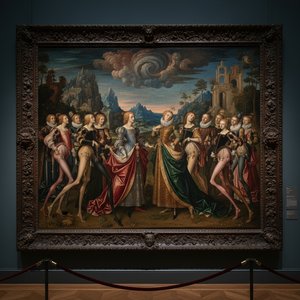
Northern Mannerism: The Dramatic Evolution of Renaissance Art and the Mastery of Elegant Distortion
Explore the dramatic evolution of Northern Mannerism. Discover how masters like Bosch and Grünewald transitioned from Renaissance harmony to profound, elegant distortion through an expert analysis of symbolism, emotional intensity, and artistic innovation.




