Aperçu en situation
 Partager
 Partager
 Détails
 Guide imprimable

 Télécharger
 Articles similaires
 Radiographie
 Voir le diaporama
 Statistiques
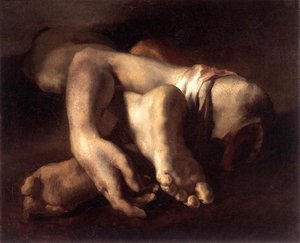
Untitled (D2X2YG)
 Acrylique sur toile
- Décoration murale
- Romanticism
 1820
1820- XIXe siècle
 45.0 x 35.0 cm
 Metropolitan Museum of Art
 Afficher la suite
Giclées et impressions d'art
Impressions giclées ou sur toile de qualité musée, avec une production rapide et des finitions au choix. ( Acheter la peinture faite à la main Passer au format image numérique)




P118B €10

P118H €10

P118W €10

P438Z €10

P508JH €12

P508YH €12

P805H €10

P805Z €10

P919BZ €10

P919G €10

P919XJ €10

P959ZH €10

P968JZ €12

W106C €8

W218G €10

W218JH €8

W218Y €10

W307PJ €10

W316G €10

W316PJ €8

W316Y €10

W398PJ €8

W4111J €10

W500HY €15

W500JH €15

W692G €12

W849H €8

W940BG €15

W953PJ €8




Choisissez parmi nos formats prédéfinis qui respectent les proportions originales de l’œuvre.

Saisissez la largeur et la hauteur souhaitées pour qu'elles s'adaptent à votre cadre ou à votre mur. Une impression ne peut être que découpée, elle ne peut jamais être agrandie au-delà de l'image originale ; ainsi, un format de forme différente entraînera la perte d'une partie de l'image. Nous vous envoyons une maquette numérique pour approbation avant toute impression. L'image présentée sur cette page ne montre pas le recadrage réel — seule la maquette le permet.
Livraison dans le monde entier () en 2 semaines au lieu des 4/5 semaines habituelles. (24 octobre)

Livraison express gratuite dans le monde entier

Toile de lin de haute qualité

Assurance transport complète

Garantie de remboursement des droits de douane

Garantie de fidélité des couleurs

Garantie de retour de 100 jours (uniquement en cas de défaut)

Garantie de remboursement à 100%

Tarifs dégressifs sur quantité
 L'option verre n'est disponible que pour les dimensions inférieures à 110 cm.

Untitled (D2X2YG)
Giclées et impressions d'art
Format de la reproduction
-


Prix total final
€ 70
A Vision of Equestrian Grace: Examining Géricault’s “Untitled”
The painting "Untitled" by Jean-Louis André Théodore Géricault, completed in 1820, stands as a testament to the fervor and dynamism characteristic of Romantic art. More than just a depiction of a horse rider—though undeniably masterful in its anatomical precision—it embodies a profound exploration of human emotion intertwined with the grandeur of nature, capturing a moment frozen in time that speaks volumes about the anxieties and aspirations of its era.Subject Matter and Composition
At first glance, the artwork presents a striking tableau: a woman astride a horse traversing a verdant meadow. The woman’s posture exudes confidence and determination as she grips the reins with unwavering focus. Her attire—a simple green hat—suggests both practicality and understated elegance, mirroring the prevailing aesthetic sensibilities of the period. Notably absent is any explicit narrative; instead, Géricault prioritizes conveying feeling over storytelling. The horse itself dominates the right side of the canvas, positioned head-downward, emphasizing its power and vulnerability simultaneously. This deliberate compositional choice underscores a broader preoccupation with confronting mortality and grappling with existential questions—themes prevalent throughout Romantic literature and philosophy.Style and Technique: Embracing Dramatic Realism
Géricault’s artistic approach aligns seamlessly with the tenets of Romantic realism. Rejecting the idealized forms favored by Neoclassical painters, he opted for unflinching observation of human anatomy and musculature, meticulously rendered to convey palpable tension and movement. The artist employed a bold palette dominated by earthy tones—greens, browns, and ochres—creating an atmosphere of subdued intensity that contrasts sharply with the vibrant hues of the sky above. Thick impasto brushstrokes contribute significantly to the painting’s textural richness, lending it a sculptural quality that enhances its emotional impact. Géricault skillfully utilized chiaroscuro – dramatic interplay between light and shadow – to sculpt the horse's form and accentuate the woman’s expressive gaze, drawing viewers into the scene’s psychological depth.Historical Context: Echoes of Revolution and Romantic Idealism
“Untitled” emerged during a turbulent period in French history—immediately following Napoleon’s downfall and amidst simmering social unrest. The painting reflects the anxieties surrounding political instability and the yearning for spiritual renewal that characterized the Romantic movement. Influenced by philosophers like Rousseau and Goethe, Romantic artists sought to express profound emotions – terror, pity, sublime awe – responding to the perceived injustices of the Enlightenment. Géricault’s work served as a reaction against the rationalism of the preceding century, championing instead intuition and imagination as pathways to understanding human experience. It anticipates the burgeoning interest in psychological realism that would characterize subsequent artistic developments.Symbolism: Beyond Representation
The inclusion of two birds soaring above the horse is not merely decorative; it functions symbolically. Birds traditionally represent freedom and aspiration—a visual metaphor for overcoming obstacles and achieving transcendence. Their presence elevates the scene beyond a simple depiction of equestrian activity, suggesting a deeper contemplation of human destiny and the pursuit of spiritual enlightenment. The woman’s gaze directs towards the viewer, inviting engagement and prompting reflection on themes of courage, resilience, and confronting adversity – qualities considered paramount in Romantic ideals.Emotional Impact: Capturing Sublime Beauty
Ultimately, “Untitled” succeeds in eliciting a powerful emotional response from the observer. Its masterful execution captures not only the physicality of the horse rider but also the intangible essence of human emotion—determination, vulnerability, and perhaps even melancholy. The painting’s dramatic lighting and textured surface contribute to its visceral impact, transporting viewers into the artist's vision of a world brimming with beauty and fraught with peril. It remains an enduring emblem of Romantic artistic ambition: to portray not merely what is seen but what is felt—a feat accomplished with breathtaking artistry and unwavering conviction.Questions et réponses
À quel point la palette de "Untitled (D2X2YG)" est-elle saturée ?
Les couleurs de «Untitled (D2X2YG)» de Théodore Géricault présentent une saturation Couleurs subtiles. La saturation décrit si les couleurs sont vives ou atténuées.
À quelle étape de la carrière de Théodore Géricault « Untitled (D2X2YG) » appartient-elle ?
«Untitled (D2X2YG)» appartient à la période Mature Period de la carrière de Théodore Géricault. Cette classification relie l'œuvre à l'évolution de l'artiste.
Quelle est la couleur dominante de «Untitled (D2X2YG)» de Théodore Géricault ?
Brun rosé (#c0ad84) est la couleur dominante de «Untitled (D2X2YG)» de Théodore Géricault.
Biographie de l'artiste
Jean-Louis André Théodore Géricault (1791 - 1824): A Pioneer of Romantic Art
Théodore Géricault, born September 26, 1791, in Rouen, France, stands as a monumental figure in the history of French art—a testament to Romantic fervor and an uncompromising commitment to portraying human suffering with unparalleled dramatic intensity. His life was tragically curtailed by illness at just thirty-two, yet his artistic legacy continues to inspire awe and admiration for its boldness and emotional depth. From humble beginnings within a family steeped in legal tradition, Géricault’s path toward artistic greatness was marked by intellectual curiosity and an early fascination with the equestrian arts—a passion nurtured under the tutelage of Carle Vernet, a celebrated painter known for his depictions of English sporting events. This formative influence instilled in him a meticulous attention to detail and a profound understanding of anatomy and movement, qualities that would become hallmarks of his distinctive style.Early Training & Influences: The Crucible of Classical Tradition
Géricault’s formal education commenced at the Lycée Impérial in Paris, where he studied under Pierre Bouillon—a staunch defender of classical ideals who nevertheless recognized Géricault's innate talent for capturing emotion and conveying profound psychological insight. Bouillon’s rigorous instruction shaped Géricault’s artistic sensibilities, grounding him in the traditions of Greco-Roman sculpture and fostering a disciplined approach to composition. Simultaneously, he pursued independent study at the Louvre—the epicenter of artistic discourse during his time—immersing himself in the works of titans like Rubens, Titian, Velázquez, Rembrandt, and Michelangelo. This exposure ignited within him an ardent desire to emulate their mastery of light, shadow, and expressive brushwork—a pursuit that would propel him toward a singular vision of art as a vehicle for confronting uncomfortable truths and eliciting visceral emotional responses.The Louvre & The Birth of Romantic Expression
Unlike many of his contemporaries who adhered rigidly to Neoclassical conventions, Géricault rejected the stylized elegance favored by the Académie Française. Instead, he embraced the dynamism and psychological complexity championed by Romantic artists—a movement that sought to liberate art from formal constraints and explore the depths of human emotion. His formative years at the Louvre fostered a rebellious spirit—one that would soon challenge established artistic norms and propel him toward groundbreaking innovations. He meticulously copied masterpieces by Rubens and Rembrandt, absorbing their techniques for conveying profound emotional resonance and mastering the subtleties of chiaroscuro—a dramatic interplay of light and shadow that became an indispensable element of his artistic vocabulary. This dedication to observation and experimentation cemented Géricault’s position as a visionary artist—one who dared to confront societal injustices and depict human suffering with unflinching honesty.The Raft of the Méduse: A Masterpiece of Dramatic Intensity
Géricault's magnum opus, *The Raft of the Medusa* (1818-1819), stands as an unparalleled achievement in Romantic art—a monumental canvas that transcends mere historical narrative and becomes a searing indictment of human folly and governmental negligence. Inspired by the harrowing true story of the shipwreck of the French frigate Méduse in 1816, where incompetence and callous disregard for human life resulted in unimaginable suffering for its passengers, Géricault undertook exhaustive research—interviewing survivors, studying corpses at hospitals, and constructing a scale model of the raft itself—to ensure meticulous accuracy and maximize emotional impact. The resulting painting is not merely a depiction of tragedy; it’s an immersive experience that confronts viewers with the raw horror of abandonment, desperation, and impending doom. Géricault skillfully employed pyramidal composition—drawing inspiration from Michelangelo—to create a dynamic tension that draws the eye across the canvas and underscores the profound psychological drama unfolding before its gaze. The painting's controversial reception at the Salon of 1819 solidified Géricault’s reputation as a daring innovator—a courageous artist who defied artistic conventions and championed an uncompromising commitment to portraying human suffering with unflinching honesty.Legacy & Influence: Shaping the Course of Romantic Art
Théodore Géricault's influence on subsequent generations of artists is undeniable—particularly Eugène Delacroix, whom he mentored and whose own paintings bear the indelible stamp of Géricault’s stylistic vision. His unwavering belief in realism—combined with his masterful command of dramatic composition and expressive brushwork—established him as a cornerstone of Romantic art—a movement that prioritized emotional intensity over formal elegance and sought to capture the turbulent spirit of its time. Beyond his artistic achievements, Géricault remains an enduring symbol of artistic integrity—a testament to the transformative power of observation, research, and unwavering dedication to conveying profound psychological insight. His bronze figure reclines on his tomb at Père Lachaise Cemetery in Paris—a poignant reminder of a life tragically cut short but indelibly etched into the annals of art history—forever enshrined as one of France’s most visionary and influential painters.
Théodore Géricault
1791 - 1824 , France
En bref
- Artistic Movement Or Style: Romanticisme
- Artists Or Movements Influenced By This Artist: ['Eugène Delacroix']
- Artists Who Influenced This Artist:
- Rubens
- Titian
- Velázquez
- Date Of Birth: 26 septembre 1791
- Full Name: Jean-Louis André Théodore Géricault
- Nationality: Francais
- Notable Artworks:
- Le Naufrage de la Méduse
- Cheval effrayé par l'orage
- Wounded Cuirassier
- Place Of Birth: Rouen, France
Articles connexes

OriginalUniqueArt.com F.A.Q.: Elevate Your Decor with Premium Textured Giclée Prints
Discover the distinction of OriginalUniqueArt.com premium textured Giclée prints. Expertly crafted with archival 12-color pigments and museum-grade substrates, our prints offer unparalleled vividness for the discerning collector seeking luxury, durability, and timeless elegance.