

 Envoyer
 Partager
 Détails de l'œuvre

 Télécharger
 Articles similaires
 Diaporama
Pierre Corneille


 Lire la suite
Giclées et impressions d'art
Impressions giclées ou sur toile de qualité musée, avec une production rapide et des finitions au choix. ( Commander la reproduction peinte à la main Télécharger l'image haute résolution)




































Choisissez parmi nos formats prédéfinis qui respectent les proportions originales de l’œuvre.

Vous pouvez saisir vos propres dimensions pour vous adapter à un cadre ou à un espace spécifique. Si la taille sélectionnée ne correspond pas aux proportions de l'image originale, nous recadrerons l'œuvre ou étendrons l'image avec une bordure en miroir ou une couleur unie. Une maquette numérique vous sera envoyée pour approbation avant le début de la production.
Veuillez noter que l'aperçu à l'écran ne reflète pas le recadrage ou l'extension réelle. Seule la maquette montrera avec précision la composition finale.
Bien que des tailles personnalisées soient disponibles, nous vous recommandons de choisir une dimension dans la liste prédéfinie afin de préserver les proportions originales.
Livraison dans le monde entier () en 2 semaines au lieu des 4/5 semaines habituelles. (14 août)

Livraison express gratuite dans le monde entier

Toile de lin de qualité supérieure

Assurance transport complète

Garantie de remboursement des droits de douane

Garantie de fidélité des couleurs

Politique de retour de 60 jours (uniquement en cas de défaut)

Garantie de remboursement à 100%

Offre de tarifs dégressifs
 L'option verre n'est disponible que pour les dimensions inférieures à 110 cm.

Pierre Corneille
Giclées et impressions d'art
Format de la reproduction
-


Prix total
$ 80
Description de la pièce
The Contemplative Gaze of a Literary Titan
Before you stands a profound meditation on genius itself: a terracotta bust honoring Pierre Corneille. This sculpture does more than merely replicate a likeness; it captures the very essence of the dramatic mind—the thoughtful, sometimes burdened spirit of a master playwright from the Seconde moitié du XVIIe siècle. The subject is presented in a dignified profile, his gaze directed thoughtfully toward an unseen horizon to the left. Notice the meticulous rendering of his facial features, particularly the mustache and beard, which anchor him firmly within the sartorial conventions of his era. It is a portrait steeped in intellectual gravity, suggesting the weight of narratives yet unwritten or perhaps already immortalized upon the stage.
Mastery in Terracotta: Technique and Texture
The choice of terracotta as a medium lends this piece an immediate warmth and earthy resonance that belies its classical subject matter. The artist, Jean-Jacques Caffiéri, whose own mastery defined the Rococo period, has achieved a remarkable balance between permanence and delicate texture. Observe how the material handles the subtle transitions—the imagined folds in the drapery contrasting with the smoother planes of the skin. Caffiéri’s background as a master sculptor allowed him to imbue this terracotta with a palpable sense of life. The visible textures are not mere details; they are evidence of skilled hands working through casting and finishing, giving depth to every contour and suggesting the passage of time upon the celebrated mind.
Rococo Echoes in Classical Form
While Pierre Corneille belongs to an earlier dramatic age, the execution by Jean-Jacques Caffiéri places this piece within the vibrant orbit of Rococo artistry. Although the bust itself evokes classical portraiture, the handling—the sophisticated interplay of light and shadow across the matte terracotta surface—speaks to the refined sensibilities of the 18th century. This juxtaposition is key; it shows how a celebrated historical figure was reinterpreted through the lens of an evolving artistic movement. The simplicity of the base ensures that all focus remains on the compelling narrative embodied by the bust itself, allowing the viewer to connect with the subject rather than the pedestal.
Symbolism and Emotional Resonance for the Modern Collector
Owning this reproduction is acquiring more than just decorative art; it is curating a piece of intellectual history. The contemplative expression on Corneille’s face invites introspection, making it a powerful focal point for any sophisticated interior space—be it a library, an elegant drawing-room, or a gallery setting. It speaks to the enduring power of storytelling and human drama. For the collector or designer, this bust offers unparalleled depth; it is a conversation starter that whispers tales of French literary grandeur while grounding itself in the tactile beauty of expertly rendered terracotta.
Biographie de l'artiste
Jean Jacques Caffiéri: A Rococo Sculptor at the Court of Louis XV
Jean Jacques Caffiéri (1678-1755) stands as a pivotal figure in French sculpture during the Rococo period, embodying the opulent aesthetic and masterful craftsmanship that defined the era. Born in Paris to Philippe Caffiéri, a prominent foundryman who established a lineage dedicated to metalworking artistry, Caffiéri’s artistic journey began within a family steeped in tradition—a heritage profoundly shaped by Italian influences. His early training under his father cemented his foundational skills as a fondeur-ciseleur (caster and finisher), granting him access to the prestigious Guilds of Paris that oversaw monumental sculptural projects alongside intricate decorative metalwork. This formative experience instilled in him an unparalleled understanding of technique and material manipulation, qualities that would characterize his entire oeuvre.- Early Life & Training: Caffiéri’s upbringing within a family renowned for its artistic prowess ensured he received comprehensive instruction in the art of bronze casting and finishing—skills honed under the watchful eye of Philippe Caffiéri himself. He mastered the techniques passed down through generations of Caffieri artisans, securing him an exceptional grounding in metalworking craftsmanship.
- Guild Recognition & Initial Commissions: By 1715, Caffiéri achieved maître fondeur-ciseleur status, marking his debut as a sculptor with a commission for the Corporation des Fondeurs-Ciseleurs—a testament to his burgeoning reputation and the esteem held by Parisian artisans. This honor underscored the recognition of his talent within the artistic community and propelled him towards prominent roles in royal patronage projects.
The Caffieri Family’s Legacy: Bronze Sculpture & Decorative Arts
The Caffiéri family's contribution to French sculpture is undeniable, largely attributed to Jacques Caffiéri’s son, Philippe Caffiéri (1714–1777). Together they formed a formidable artistic duo, particularly active in the service of Louis XV. Their workshop in Rue des Canettes produced an astonishing volume of work—primarily gilt-bronze furniture mounts and decorative objects—that adorned residences across Paris and elevated the standards of Rococo craftsmanship. Notably, Caffiéri’s designs for Versailles, Fontainebleau, Marly, Compiegne, and Choisy exemplify the grandeur and elegance synonymous with Louis XV's court. The Château de la Muette retains a remarkable testament to their collaborative spirit—the gilded bronze chimney-piece remains an exemplar of Rococo style, characterized by dynamic movement and graceful ornamentation executed with exceptional skill.- Versailles Projects: Caffiéri’s involvement in the decoration of Versailles solidified his reputation as a sculptor of distinction, contributing significantly to the palace's opulent aesthetic. His meticulous attention to detail ensured that every element reflected the refined sensibilities of Louis XV’s reign.
- Collaboration with Philippe Caffiéri: The partnership between Jacques and Philippe Caffiéri fostered innovation and elevated the quality of decorative arts during their time. Their combined expertise resulted in groundbreaking achievements that reshaped the artistic landscape of the era.
Royal Patronage & Artistic Achievements
Caffiéri’s dedication to royal service extended beyond architectural embellishments; he undertook numerous commissions for Louis XV, producing portraits and sculptures that captured the spirit of the era. His work gained considerable acclaim during his lifetime, securing him a place among France's most celebrated sculptors. The Wallace Collection houses Caffiéri’s masterpiece—the Royal Commode delivered by Antoine-Robert Gaudreau in 1739 for Louis XV’s bedchamber at Versailles—a stunning example of Rococo design and craftsmanship. Its intricate gilt bronze decorations continue to inspire admiration for their beauty and technical virtuosity. The Commode stands as a symbol of Caffiéri's mastery, demonstrating his ability to transform raw materials into objects of breathtaking elegance and artistic expression.- Wallace Collection Commission: Caffiéri’s Royal Commode exemplifies the pinnacle of Rococo artistry, showcasing exceptional skill in metalworking and decorative arts.
- Notable Portraits: Caffiéri’s portraits demonstrate his ability to convey psychological depth and elegance—characteristics that define his artistic legacy. He skillfully captured the essence of his subjects, reflecting the humanist ideals prevalent during Louis XV's reign.
Influence & Historical Significance
Jean Jacques Caffiéri's influence on subsequent generations of sculptors is considerable, establishing him as a cornerstone of Rococo art history. His meticulous attention to detail, combined with his mastery of bronze casting techniques—inherited from his father—established a tradition that endured for decades after his death in 1755. Caffiéri’s work serves as an enduring symbol of French artistic excellence during the Enlightenment, reflecting the period's fascination with naturalism and refined ornamentation. His legacy continues to inspire artists today, cementing his place among France’s most revered sculptors. He remains a pivotal figure in understanding the stylistic developments that characterized the Rococo movement—a testament to his lasting contribution to European art history.
Jean Jacques Caffiéri
1678 - 1755 , France
L'essentiel de l'artiste
- Artistic Movement Or Style: Rococo
- Artists Who Influenced This Artist: ['Philippe Caffieri']
- Date Of Birth: Paris, France (1678)
- Date Of Death: 1755
- Full Name: Jean Jacques Caffiéri
- Nationality: Français
- Notable Artworks:
- Royal Commode
- Chimneypiece Decoration
- Portrait of Claude Adrien Helvétius
- Place Of Birth: Paris
Articles connexes
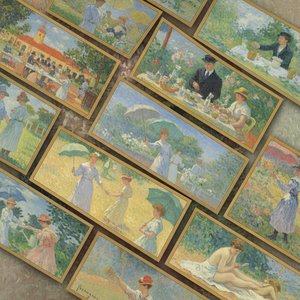
Renoir : 25 Chefs-d'œuvre Incontournables – L’Art de la Lumière
Plongez au cœur de l'univers vibrant de Pierre-Auguste Renoir ! Découvrez 25 chefs-d’œuvre emblématiques, explorant la lumière, les couleurs et la joie de vivre. Reproductions d'art de qualité musée sur OriginalUniqueArt.com.

Les 10 Chefs-d'œuvre Bronzes Qui Ont Révolutionné la Sculpture | OriginalUniqueArt
Plongez dans l'univers fascinant des 10 sculptures en bronze les plus emblématiques de l'histoire de l'art. Rodin, Degas et autres maîtres révélés ! Découvrez leur histoire, leurs techniques et trouvez l'œuvre parfaite pour sublimer votre intérieur sur OriginalUniqueArt.com.

The Enduring Form: Exploring Themes & Techniques in Sculpture Across Historical Periods
Explore the rich history of sculpture from ancient masterpieces to contemporary innovations. Discover key techniques, influential artists & investment potential for discerning art collectors.

Les 10 Chefs-d'œuvre en Bronze qui ont Révolutionné l'Art : Collection OriginalUniqueArt
Plongez dans l'univers fascinant des 10 chefs-d'œuvre en bronze qui ont marqué l'histoire de l'art. Découvrez Rodin, Degas et les secrets de ces sculptures iconiques. Reproductions d'art exceptionnelles sur OriginalUniqueArt.com – Explorez la collection !
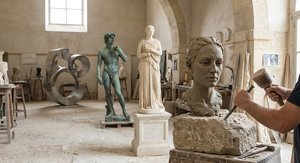
The Enduring Form: Sculpture Across History, Technique & Emotional Resonance
Explore the rich history of sculpture with OriginalUniqueArt. Discover key techniques, influential artists & investment potential for discerning collectors. Expert insights into valuing and collecting timeless masterpieces.

