

 Envoyer
 Partager
 Détails de l'œuvre

 Télécharger
 Articles similaires
 Diaporama
 Statistiques
Pietà
 Marble
- Sculpture
- Renaissance
 1544
1544- Renaissance
 67.0 x 182.0 cm
 Musée du Louvre
 Lire la suite
Reproduction à l'huile faite à la main
Huile sur toile peinte à la main, avec cadre et dimensions personnalisés, réalisée sur commande par nos artistes. ( Passer au format impression Passer à l'image numérique)




































Choisissez parmi nos formats prédéfinis qui respectent les proportions originales de l’œuvre.

Vous pouvez saisir vos propres dimensions pour l'adapter à un cadre ou à un espace spécifique. Si la taille sélectionnée ne correspond pas aux proportions de l'image d'origine, nous recadrerons l'œuvre ou prolongerons la peinture avec des éléments peints à la main supplémentaires. Une maquette numérique vous sera envoyée pour approbation avant le début de la production.
Veuillez noter que l'aperçu à l'écran ne reflète pas le recadrage ou l'extension réels. Seule la maquette montrera fidèlement la composition finale.
Bien que des tailles personnalisées soient disponibles, nous vous recommandons de sélectionner une dimension dans la liste prédéfinie afin de préserver les proportions d'origine.
Après la commande, l’équipe OriginalUniqueArt.com contactera le client par e-mail pour recueillir ses instructions et lui fournira une maquette d’aperçu
Livraison dans le monde entier () en 3 à 4 semaines au lieu des 5 semaines habituelles. (9 septembre). Aucun compromis sur la qualité.

Livraison express gratuite dans le monde entier

Toile de lin de qualité supérieure

Assurance transport complète

Garantie de remboursement des droits de douane

Garantie de fidélité des couleurs

Politique de retour de 100 jours (uniquement en cas de défaut)

Garantie de remboursement à 100%

Offre de tarifs dégressifs
 L'option verre n'est disponible que pour les dimensions inférieures à 110 cm.

Pietà
Technique de reproduction
Format de la reproduction
-


Prix total
$ 425
The Echoes of Lamentation: Jean Goujon's Pietà
To stand before this monochrome relief sculpture is to be enveloped in an atmosphere of profound, sculpted sorrow. Jean Goujon’s Pietà from 1544 is not merely a depiction of grief; it is a masterful crystallization of human suffering rendered with the cool permanence of marble. The composition immediately arrests the viewer, drawing them into a tightly woven tableau where every fold of drapery and every etched line on a face speaks volumes of loss. Goujon, a pivotal figure in French Renaissance sculpture, manages to fuse the idealized grace inherited from classical antiquity with the heightened emotional drama characteristic of Mannerism. It is a work that demands contemplation, inviting us to share in the weight of its narrative moment.
Mastery in Stone: Technique and Form
The technical brilliance displayed here is breathtaking. Goujon’s handling of the medium—likely marble—is nothing short of miraculous. Observe how the artist has manipulated the stone to suggest varying textures: the taut, defined musculature of a fallen warrior contrasts sharply with the softer, cascading folds of the surrounding garments. The entire scene is structured upon an implied pyramidal arrangement, lending stability to what is emotionally volatile. Goujon employs deep undercutting and overlapping forms to generate a palpable sense of depth within this relief format. The lighting, seemingly originating from above, catches the high points of the carving, creating dramatic shadows that give the figures a startling three-dimensionality despite their fixed state in stone.
A Tapestry of Symbolism and History
The subject matter itself—a scene of mourning surrounding a fallen hero, perhaps Achilles as suggested by the description—is steeped in classical mythology and profound human experience. The Pietà transcends its specific narrative to become an allegory for sacrifice, loss, and enduring devotion. Symbolically, the monochrome palette strips away the distraction of color, forcing the viewer’s focus entirely onto form, gesture, and emotion. Historically, this piece anchors itself within the sophisticated artistic currents of mid-16th century France, a period where artists were synthesizing Roman grandeur with burgeoning Renaissance humanism.
Emotional Resonance for the Modern Collector
For the collector or designer seeking an object that speaks across centuries, this Pietà offers unparalleled emotional depth. It is a piece of art that does not merely decorate a space; it elevates it with solemn dignity and intellectual weight. The combination of classical elegance and raw pathos makes it a powerful focal point for any grand hall, library, or gallery setting. Owning a reproduction allows one to bring the sublime drama and meticulous craftsmanship of Jean Goujon’s genius into contemporary life, offering a tangible connection to the pinnacle of Renaissance artistry.
Biographie de l'artiste
Le Sculpteur qui Façonna l'Élégance Parisienne
Jean Goujon (v. 1510 – v. 1567) s'impose comme une pierre angulaire de la sculpture et de l'architecture de la Renaissance française, incarnant la ferveur stylistique du Maniérisme tout en s'ancrant simultanément dans les idéaux classiques. Né en Normandie, ses premières années demeurent enveloppées d'obscurité, pourtant sa production prolifique l'a rapidement établi comme l'une des voix artistiques les plus éminentes de son époque — un témoignage de son talent prodigieux et de son dévouement inébranlable à l'art. Le voyage de Goujon débuta par des expériences formatrices en Italie, où il absorba la grandeur de la sculpture romaine pour intégrer ses principes dans son propre style distinctif. Cette influence est palpable dans toute son œuvre, particulièrement évidente dans sa maîtrise magistrale du drapé et sa précision anatomique.
Son ascension artistique commença à la cathédrale de Rouen (1541-42), où il entreprit la tâche monumentale de sculpter le monument funéraire de Louis de Brézé, seigneur d'Anet — une commande qui révéla ses compétences naissantes et son ambition. Ce projet audacieux scella sa réputation de étoile montante du paysage sculptural français. Simultanément, il perfectionna ses prouesses architecturales à l'église Saint-Maclou, démontrant une capacité innée à mêler vision artistique et ingénierie structurelle. L'édifice qui en résulta demeure un magnifique exemple d'architecture ecclésiastique de la Renaissance, reflétant l'engagement de Goujon envers la beauté esthétique et l'intégrité fonctionnelle.
Un Partenariat d'une Grandeur Visionnaire
S'installant à Paris en 1544, Goujon entra dans un partenariat pivot avec Pierre Lescot, l'architecte supervisant l'ambitieuse reconstruction de la cathédrale Saint-Germain-l'Auxerrois. Ensemble, ils conçurent et exécutèrent des décorations sculpturales époustouflantes — notamment la chaire — un chef-d'œuvre qui illustre les sensibilités néoclassiques de Lescot et la technique magistrale du drapé de Goujon. Cette ère de collaboration définit le langage visuel de la Renaissance française, alors que Goujon commençait à insuffler à la pierre un sentiment de mouvement fluide et une grâce éthérée.
Le sommet de son influence est peut-être plus visible dans ses contributions au Louvre. Son travail sur la Façade de la Cour Carrée (aile Lescot) demeure une réalisation emblématique, affichant une élégance classique à travers des sculptures complexes qui reflètent le génie artistique français. Dans ces œuvres, on peut observer le jeu délicat de l'ombre et de la lumière sur les figures sculptées, marque de fabrique de sa capacité à insuffler la vie au marbre froid. Sa maîtrise s'étendit à la Façade du Louvre (détail), où son attention exquise aux détails créa un chef-d'œuvre du style maniériste, mêlant l'élégance classique à des ciselures complexes qui continuent de captiver les spectateurs des siècles plus tard.
L'Héritage de la Grâce et de la Forme Classique
L'héritage de Goujon se définit par une capacité inégalée à harmoniser la tension du Maniérisme avec la sérénité du Classicisme. Ses sculptures présentent souvent des nymphes et des figures allégoriques qui semblent flotter au sein de leurs cadres architecturaux, une technique réalisée de manière la plus célèbre dans ses Caryatides. Ces dix figures magistrales représentent l'apogée de la sculpture de la Renaissance française du XVIe siècle, apportant au spectateur un sentiment de grandeur classique et d'élégance sophistiquée. À travers ces œuvres, Goujon fit bien plus que décorer des bâtiments ; il sculpta l'identité même du raffinement esthétique français.
L'importance historique de son travail ne peut être surestimée, car son approche de l'anatomie et du drapé influença des générations d'artistes européens. Sa capacité à transformer la pierre lourde en formes fluides et rythmiques établit un standard pour le Classicisme français qui perdurerait bien après sa mort. Aujourd'hui, les vestiges de son génie — des détails complexes des ailes du Louvre à son influence profonde sur l'ornementation architecturale — servent de témoignage durable d'un homme qui a véritablement façonné l'élégance de Paris.

Jean Goujon
1510 - 1567 , France
L'essentiel de l'artiste
- Artistic Movement Or Style: Mannerisme
- Artists Or Movements Influenced By This Artist: ['Classicisme']
- Artists Who Influenced This Artist: ['Michelangelo']
- Date Of Birth: c. 1510 Normandy France
- Date Of Death: c. 1567
- Full Name: Jean Goujon
- Nationality: Francais
- Notable Artworks:
- Nymphes
- Pieta
- La Guerre et La Paix
- Fontaine des Innocents
- Place Of Birth: Normandy France
Articles connexes

The Enduring Form: Exploring Themes & Techniques in Sculpture Across Historical Periods
Explore the rich history of sculpture from ancient masterpieces to contemporary innovations. Discover key techniques, influential artists & investment potential for discerning art collectors.

The Enduring Allure of Marble in Art History: From Classical Sculpture to Modern Abstraction
Explore the captivating history of marble sculpture from ancient Greece to modern art. Discover renowned artists like Canova & Michelangelo, carving techniques, and investment insights at OriginalUniqueArt.

Les 10 Chefs-d'œuvre Bronzes Qui Ont Révolutionné la Sculpture | OriginalUniqueArt
Plongez dans l'univers fascinant des 10 sculptures en bronze les plus emblématiques de l'histoire de l'art. Rodin, Degas et autres maîtres révélés ! Découvrez leur histoire, leurs techniques et trouvez l'œuvre parfaite pour sublimer votre intérieur sur OriginalUniqueArt.com.
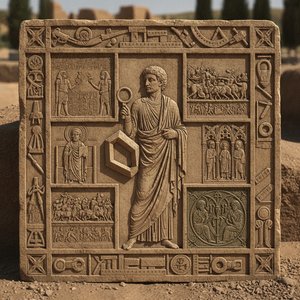
Mastering Dimension: An Art Historian's Guide to the Elegance of Sculptural Relief Art
Explore the profound beauty of sculptural relief art. From classical bas-relief to modern geometric textures, discover how depth and light transform spaces through an expert guide on art history and sophisticated curation for discerning collectors.

Timeless Elegance: A Complete Guide to the Sublime Beauty and Artistry of Marble Sculpture
Discover the sublime beauty of marble art through an expert exploration of Renaissance and Neoclassical masterpieces. From the delicate textures of Carpeaux to the grandeur of Sansovino, immerse yourself in a guide to timeless elegance and sculptural perfection.
