Aperçu en situation
 Envoyer
 Partager
 Détails de l'œuvre
 Guide
Guide

 Télécharger l'image
 Articles similaires
 Radiographie
 Diaporama
 Questions et réponses
 Statistiques
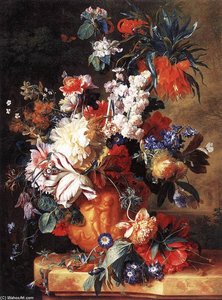
Fleurs dans une urne

- 100.0 x 81.0 cm


 Lire la suite
Giclées et impressions d'art
Impressions giclées ou sur toile de qualité musée, avec une production rapide et des finitions au choix. ( Commander la reproduction peinte à la main Passer au format numérique)




P118B €10

P118H €10

P118W €10

P438Z €10

P508JH €12

P508YH €12

P805H €10

P805Z €10

P919BZ €10

P919G €10

P919XJ €10

P959ZH €10

P968JZ €12

W106C €8

W218G €10

W218JH €8

W218Y €10

W307PJ €10

W316G €10

W316PJ €8

W316Y €10

W398PJ €8

W4111J €10

W500HY €15

W500JH €15

W692G €12

W849H €8

W940BG €15

W953PJ €8




Choisissez parmi nos formats prédéfinis qui respectent les proportions originales de l’œuvre.

Saisissez la largeur et la hauteur souhaitées pour qu'elles s'adaptent à votre cadre ou à votre mur. Une impression peut être recadrée, mais jamais agrandie au-delà de l'image originale ; ainsi, un format de forme différente entraînera la perte d'une partie de l'image. Nous vous envoyons une maquette numérique pour approbation avant toute impression. L'image présentée sur cette page ne montre pas le recadrage réel — seule la maquette le permet.
Livraison dans le monde entier () en 2 semaines au lieu des 4/5 semaines habituelles. (8 novembre)

Livraison express gratuite dans le monde entier

Toile de lin de qualité supérieure

Assurance transport complète

Garantie de remboursement des droits de douane

Garantie de fidélité des couleurs

Politique de retour de 100 jours (uniquement en cas de défaut)

Garantie de remboursement à 100%

Offre de tarifs dégressifs
 L'option verre n'est disponible que pour les dimensions inférieures à 110 cm.

Fleurs dans une urne
Giclées et impressions d'art
Format de la reproduction
-


Prix total
€ 72
Une symphonie de pétales et de lumière
Dans la grande tradition du Siècle d'or néerlandais, Fleurs dans une urne de Jan van Huysum s'impose comme un témoignage époustouflant de la maîtrise de l'illusionnisme botanique. Ce chef-d'œuvre vertical ne se contente pas de dépeindre un bouquet ; il orchestre une expérience sensorielle qui transcende la toile. Au premier regard, le spectateur est transporté dans un arrangement luxuriant et débordant, où des iris bleus, des œillets d'un blanc crème et des coquelicots d'un rouge écarlate vibrant dansent dans un chaos délicat et chorégraphié. La composition est ancrée par une urne en terre cuite, finement sculptée de putti joueurs et enfantins, qui repose avec majesté sur un rebord de pierre veiné de riches nuances de caramel et d'or. Chaque élément, des pétales lourds et rosés de rosée des pivoines aux tiges élancées et tendues des tulipes, est rendu avec une telle précision que l'on peut presque percevoir le parfum fugace d'un matin d'été.
La technique employée par Van Huysum est tout simplement miraculeuse. Maître de la lumière, il utilise une lueur douce et directionnelle émanant du coin supérieur gauche pour sculpter les formes de chaque fleur, créant des ombres profondes et veloutées ainsi que des rehauts brillants et lumineux. Ce jeu d'ombre et de lumière confère une qualité tridimensionnelle à l'œuvre, rendant les textures des pétales soyeux et la pierre rugueuse et patinée presque tangibles. La capacité de l'artiste à capturer la nature translucide d'un pétale ou le miroitement subtil de l'aile d'un insecte est ce qui l'a élevé au-dessus de ses contemporains. Sa touche est invisible, remplacée par une exécution sans couture qui permet à la beauté naturelle du sujet de s'imposer, invitant l'observateur à s'attarder sur les détails infimes des ailes moirées d'un papillon ou sur le bleu délicat d'un minuscule œuf niché dans un nid de mousse.
Symbolisme et tradition Vanitas
Au-delà de sa splendeur superficielle, Fleurs dans une urne est imprégnée du langage symbolique profond caractéristique de la nature morte du XVIIIe siècle. Si la peinture célèbre l'abondance de la nature, elle murmure également la tradition de la Vanitas — un rappel poignant de la fugacité de la vie. La présence de papillons, symboles de l'âme et de la métamorphose, voltigeant parmi les fleurs, suggère un cycle de renaissance et la nature éphémère de la beauté. Pendant ce temps, le petit nid d'oiseau avec ses œufs bleus représente la fertilité et les fragiles commencements de la vie, contrastant avec les fleurs en pleine floraison qui commencent déjà à s'affaisser ou à se faner. Cette tension délicate entre vitalité et décomposition crée une profondeur émotionnelle qui fait passer le spectateur de la simple admiration à un état plus contemplatif et spirituel.
Pour le collectionneur averti ou le décorateur d'intérieur, cette reproduction offre bien plus qu'un simple accent décoratif ; elle constitue un point focal d'une élégance et d'une intrigue intellectuelle inégalées. La riche palette d'azur, de pourpre et de crème, se détachant sur un fond sophistiqué de sable et de moutarde, permet à l'œuvre de s'intégrer harmonieusement dans des cadres aussi bien classiques que contemporains. Qu'elle soit placée dans une galerie baignée de lumière ou dans un bureau feutré et sophistiqué, l'œuvre de Van Huysum apporte un air de prestige historique et de grâce intemporelle. C'est un investissement dans un héritage de beauté, une fenêtre ouverte sur une époque révolue de savoir-faire méticuleux qui continue d'inspirer l'émerveillement et l'admiration dans le cœur moderne.
Questions et réponses
Comment le médium et le mouvement se conjuguent-ils dans « Fleurs dans une urne » ?
«Fleurs dans une urne» de Jan Van Huysum allie la technique du Peinture à l'huile au style Retour Baroque. La technique et le mouvement désignent respectivement le procédé de réalisation et l'esthétique de l'œuvre.
À quelle occasion «Fleurs dans une urne» de Jan Van Huysum est-il recommandé d'offrir ?
«Fleurs dans une urne» de Jan Van Huysum est recommandé comme cadeau pour Anniversaire de mariage. Une reproduction de l'œuvre peut être offerte en guise de présent.
Est-ce que «Fleurs dans une urne» de Jan Van Huysum est recommandé comme cadeau, et pour qui ?
«Fleurs dans une urne» de Jan Van Huysum est recommandé comme cadeau pour Anniversaire de mariage, particulièrement pour Point focal. Une reproduction de l'œuvre peut être offerte en cadeau.
Biographie de l'artiste
Jan van Huysum (1682–1749): A Master of Floral Illusion
Jan van Huysum, a name synonymous with the exquisite flower paintings of the Dutch Golden Age, was born in Amsterdam on April 15, 1682. He wasn’t simply a painter of blooms; he was a master of illusion, capable of rendering petals and droplets with such breathtaking realism that viewers felt they could almost inhale their fragrance. Born into an artistic family—his father, Justus van Huysum the Elder, was also a respected flower painter, and his brothers Jacob and Michiel followed suit—Jan’s path seemed predetermined. However, he wasn't immediately drawn to floral subjects. Early in his career, he experimented with landscapes, described as “conventional and arcadian,” but it was within the delicate world of still life that his true genius blossomed. The foundation of Van Huysum’s artistic education was laid by his father, a formative experience that instilled in him not only technical skill but also an understanding of the art market. Amsterdam during this period thrived as a center for commerce and culture, fostering a demand for luxurious and decorative paintings like those depicting lavish floral arrangements. This environment shaped Van Huysum’s approach; he wasn't merely replicating nature, but crafting idealized visions of beauty intended to delight and impress. His earliest dated work is completed in 1717 and now residing in the Louvre, already revealing a remarkable maturity and attention to detail, hinting at the mastery that was to come.The Art of Detail: Technique and Style
What truly sets Van Huysum apart is his unparalleled technique. He employed smooth, glossy brushstrokes, building up layers of paint to create an almost enamel-like surface that enhanced the richness and vibrancy of his colors. But it wasn’t just about color; it was about light—the way it played across petals, illuminated water droplets clinging to leaves, and created a sense of depth and volume. He possessed an extraordinary eye for detail, meticulously capturing the textures of every flower, fruit, and leaf with astonishing precision. Stories circulated that he could paint details like ants and dew drops so realistically they were visible without magnification—a testament to his dedication and skill. His compositions are characterized by a refined elegance and balance. Unlike some of his contemporaries who favored crowded, overflowing arrangements, he consistently avoided imbalance or over-composition. His later works became more elaborate, certainly, but always maintained a sense of harmony and grace. He often incorporated elements of fantasy into his work, particularly in his landscapes which featured imaginary scenes with classical architectural details and motionless trees. These weren’t attempts at topographical accuracy, but rather evocative settings designed to showcase the beauty of the flowers they contained.Influences and Artistic Development
Van Huysum’s artistic development was profoundly shaped by his father’s influence—a legacy that extended beyond mere technical instruction. Justus van Huysum the Elder championed a style rooted in observation and idealized representation, prioritizing clarity and luminous color. Jan absorbed these principles wholeheartedly, honing his skills alongside his brothers and establishing himself as a prominent figure within Amsterdam's artistic community. He studied under Rembrandt’s pupil Hendrick Willem Ter Brugghen, gaining invaluable insight into chiaroscuro—the dramatic interplay of light and shadow—a technique that would become central to Van Huysum’s distinctive aesthetic. Furthermore, he was exposed to the works of Rubens and Van Dyck during his visits to Madrid, broadening his artistic horizons and enriching his stylistic repertoire.Major Achievements and Legacy
Throughout his lifetime, Jan van Huysum enjoyed considerable acclaim and financial success. His paintings were highly sought after by collectors—including royalty—and he commanded high prices for his work. Today, his masterpieces can be found in prestigious museums around the world, including the Louvre in Paris, the National Gallery in London, and collections in Berlin and Amsterdam. Among his most celebrated works are *Terracotta Vase with Flowers and Fruits*, a stunning display of color and texture; *Flowers and Fruits*, showcasing his mastery of composition; and *Bouquet of Flowers in an Urn*, a testament to his ability to capture the ephemeral beauty of nature. His meticulous attention to detail, combined with his masterful use of light and color, cemented his place as one of the foremost floral painters of his era—a true innovator who elevated still life art to new heights of sophistication and elegance. Van Huysum’s legacy continues to inspire artists today, reminding us that beauty can be found in the simplest of forms when rendered with unwavering precision and profound artistic vision.
Jan Van Huysum
1682 - 1749 , Pays-Bas
L'essentiel de l'artiste
- Artistic Movement Or Style: Dutch Golden Age, Still life
- Artists Or Movements Influenced By This Artist: ['Justus van Huysum']
- Artists Who Influenced This Artist:
- Johannes de Bosch
- Jan van Os
- Date Of Birth: April 15, 1682
- Date Of Death: February 8, 1749
- Full Name: Jan van Huysum
- Nationality: Dutch
- Notable Artworks:
- Terracotta Vase with Flowers
- Flowers and Fruits
- Bouquet of Flowers in an Urn
- Place Of Birth: Amsterdam, Netherlands
Articles connexes

Maîtriser l'ombre et la lumière : les 25 chefs-d'œuvre de Rembrandt
Explorez les 25 chefs-d'œuvre de Rembrandt et la magie du clair-obscur. Découvrez toute la collection sur OriginalUniqueArt.com.

Jan Jansz Wijnants: A Study in Dutch Golden Age Still Life & Floral Transience
Explore the captivating world of Jan Wijnants and Dutch Golden Age still life painting. Discover symbolism, masterful techniques & lasting influence on floral art history. Learn more!
Jan Steen: A Master of Dutch Genre Painting & the Golden Age
Explore the life & art of Jan Steen, a leading Dutch Golden Age painter renowned for his humorous genre scenes & insightful social commentary. Discover his techniques, legacy, and collecting tips.

Golden Light & Dutch Skies: The Timeless Magic of Dutch Golden Age Landscapes
Discover the breathtaking beauty of Dutch Golden Age landscapes. Explore the mastery of light, chiaroscuro, and 17th-century realism through an expert art history lens, celebrating the enduring legacy of the Dutch Masters for discerning collectors and art lovers.

L'Âge d'Or Néerlandais : 10 Chefs-d'œuvre Incontournables pour Décorer avec Art et Histoire
Plongez au cœur de l'Âge d'Or néerlandais ! Découvrez 10 chefs-d'œuvre intemporels de Rembrandt, Vermeer et autres maîtres hollandais. Explorez leur histoire, technique & trouvez l'inspiration déco sur