

 Aperçu en situation
 Partager
 Partager
 Détails
 Guide imprimable

 Télécharger
 Articles similaires
 Radiographie
 Voir le diaporama
 Statistiques
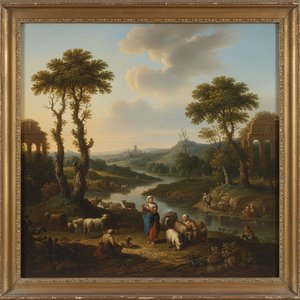
Imaginary Italian Landscape


 Afficher la suite
Giclées et impressions d'art
Impressions giclées ou sur toile de qualité musée, avec une production rapide et des finitions au choix. ( Acheter la peinture faite à la main Passer au format image numérique)




P118B $10

P118H $10

P118W $10

P438Z $10

P508JH $12

P508YH $12

P805H $10

P805Z $10

P919BZ $10

P919G $10

P919XJ $10

P959ZH $10

P968JZ $12

W106C $8

W218G $10

W218JH $8

W218Y $10

W307PJ $10

W316G $10

W316PJ $8

W316Y $10

W398PJ $8

W4111J $10

W500HY $15

W500JH $15

W692G $12

W849H $8

W940BG $15

W953PJ $8




Choisissez parmi nos formats prédéfinis qui respectent les proportions originales de l’œuvre.

Vous pouvez saisir vos propres dimensions pour vous adapter à un cadre ou à un espace spécifique. Si la taille sélectionnée ne correspond pas aux proportions de l'image originale, nous recadrerons l'œuvre ou étendrons l'image avec une bordure en miroir ou une couleur unie. Une maquette numérique vous sera envoyée pour approbation avant le début de la production.
Veuillez noter que l'aperçu à l'écran ne reflète pas le recadrage ou l'extension réelle. Seule la maquette montrera avec précision la composition finale.
Bien que des tailles personnalisées soient disponibles, nous vous recommandons de choisir une dimension dans la liste prédéfinie afin de préserver les proportions originales.
Livraison dans le monde entier () en 2 semaines au lieu des 4/5 semaines habituelles. (26 septembre)

Livraison express gratuite dans le monde entier

Toile de lin de haute qualité

Assurance transport complète

Garantie de remboursement des droits de douane

Garantie de fidélité des couleurs

Garantie de retour de 100 jours (uniquement en cas de défaut)

Garantie de remboursement à 100%

Tarifs dégressifs sur quantité
 L'option verre n'est disponible que pour les dimensions inférieures à 110 cm.

Imaginary Italian Landscape
Giclées et impressions d'art
Format de la reproduction
-


Prix total final
$ 80
Jan Asselijn’s Imaginary Italian Landscape: A Reflection of Faith and Artistic Innovation
The year is 1652. Amsterdam thrives as a center of artistic brilliance, yet Jan Asselijn’s gaze turned south – specifically to Italy – where he embarked on a transformative journey that irrevocably shaped his artistic sensibilities and cemented his place within the pantheon of Dutch Golden Age painters.
Asselijn's work embodies the spirit of the era, capturing not merely visual beauty but also profound emotional resonance. “Imaginary Italian Landscape,” housed in private collections worldwide, exemplifies this characteristic. It’s a scene brimming with life – figures strolling along a waterfront promenade amidst statues and accompanied by dogs, all bathed in the diffused glow of an expansive sky dotted with clouds.
Style and Technique: Embracing Atmospheric Perspective
Unlike the rigid conventions of earlier Baroque landscapes, Asselijn eschewed dramatic chiaroscuro—the stark contrasts between light and dark—favoring instead a technique that prioritizes atmospheric perspective. This masterful approach skillfully renders depth and distance through subtle gradations of color and tonal variation. Notice how blues deepen into indigo as they recede into the background, creating an illusion of vastness and conveying a sense of serenity.
Historical Context: The Huguenot Diaspora and Artistic Renaissance
Asselijn’s artistic development coincided with the turbulent period of Huguenot emigration from France. Forced to flee religious persecution, his family sought refuge in Amsterdam, exposing him to an environment acutely aware of intellectual ferment and artistic revival. This backdrop fueled Asselijn's fascination with Italian landscape painting—a genre that had experienced a resurgence during the Renaissance, championed by artists like Leonardo da Vinci and Raphael.
The influence of these masters is palpable in Asselijn’s composition. The careful placement of statues – symbols of classical ideals – underscores the humanist ethos prevalent at the time. Furthermore, the inclusion of dogs—often interpreted as emblems of loyalty and companionship—adds a layer of narrative complexity to the scene.
Symbolism: Light, Tranquility, and Spiritual Reflection
Beyond its visual splendor, “Imaginary Italian Landscape” speaks volumes about Asselijn’s artistic vision. The dominant use of light – soft, diffused, reminiscent of Florentine skies – symbolizes enlightenment and spiritual contemplation. It invites the viewer to pause and appreciate the beauty of the natural world as a reflection of divine grace.
The tranquil promenade depicted suggests an idealized vision of human existence—a harmonious coexistence with nature underpinned by moral virtue. Asselijn’s ability to convey such profound emotion through meticulous observation and skillful execution distinguishes him as one of the most accomplished landscape painters of his generation.
Biographie de l'artiste
A Life Forged in Landscape: The World of Jan Asselijn
Born Jean Asselin around 1610 in Dieppe, France, Jan Asselijn’s life unfolded against the backdrop of a turbulent era – the waning years of religious conflict and the burgeoning dawn of the Dutch Golden Age. His family, Huguenots fleeing persecution, relocated to Amsterdam in 1621, immersing young Jean into a city brimming with artistic ambition and intellectual ferment. This pivotal move immediately exposed him to the transformative influence of landscape painting, which was rapidly departing from traditional conventions toward more expressive depictions of nature imbued with emotion and atmosphere. He began his artistic training under Jan Martszen the Younger, honing his skills in battle scenes – an area favored by artists of the time – before discovering his true passion: capturing the grandeur and drama of both natural vistas and animal life. This fascination would become a cornerstone of his distinctive style, shaping his approach to composition and color for decades to come.The Italianate Embrace & The Bentvueghels
Like many ambitious Northern European painters seeking refinement during this period, Asselijn undertook a pilgrimage to Italy around 1635 – a journey that fundamentally altered his artistic trajectory. He joined the celebrated *Bentvueghels*, a collective of Dutch and Flemish artists residing in Rome who championed an unprecedented ethos: painting directly from observation, rejecting studio practice altogether. This unconventional fellowship fostered a spirit of experimentation and satire, encouraging members to adopt bold nicknames and challenge established artistic norms. Within this vibrant community, Asselijn earned the moniker “Krabbetje” (little crab) due to a congenital deformity affecting his hand – an acknowledgement of physical limitations that paradoxically fueled his creativity. He absorbed the lessons of masters like Pieter van Laer (*Bamboccio*) and Claude Lorraine, whose depictions of Roman peasant life and landscapes profoundly impacted Asselijn’s evolving aesthetic sensibilities. This immersion in Italian artistic culture solidified his mastery of light and color—qualities that would become hallmarks of his oeuvre.Mastering Light & Symbolism: Key Works
Upon returning to Amsterdam around 1640, Asselijn continued to produce paintings characterized by remarkable clarity and technical precision. His landscapes stand apart for their luminous quality – a testament to his profound understanding of atmospheric perspective and tonal modulation. He excelled in portraying dramatic scenes of battle and historical events, demonstrating the influence of Rembrandt’s masterful use of chiaroscuro. However, it was Asselijn's depictions of animal life that cemented his reputation as one of the era’s foremost naturalists. The Threatened Swan, completed around 1647, remains his most iconic work—a painting that transcends mere visual representation to become a potent symbol of Dutch resilience during the siege of Leiden against Spanish forces. The swan's defiant posture and protective embrace of its eggs resonated deeply with contemporary anxieties about national defense and served as inspiration for later artistic interpretations. Other notable achievements include Cavalry Charge at Sunset, showcasing his early training in battle scenes with dynamic energy, and evocative portrayals of rural life—such as *Drovers with Cattle under an Arch of the Colosseum in Rome*, which skillfully blend Italianate landscapes with meticulous animal studies. Finally, The Breach of Saint Anthony’s Dike near Amsterdam exemplifies Asselijn's ability to capture a moment of national crisis – reflecting the ever-present vulnerability posed by water and demonstrating the ingenuity required for Dutch land reclamation efforts.Influence & Legacy: A Lasting Impression
Jan Asselijn’s artistic legacy extends far beyond his own prolific output. He was admired by contemporaries like Rembrandt, who even created etchings depicting Asselijn at work—a gesture that subtly acknowledged the artist's physical disability. Furthermore, he served as a mentor to Frederik de Moucheron, another influential Dutch landscape painter who championed the Italianate style and disseminated its principles throughout Europe. Asselijn’s innovative approach to light and atmosphere profoundly impacted subsequent generations of artists—ushering in an era of greater naturalism and emotional depth within landscape painting. His works are now housed in prestigious institutions worldwide – including the Rijksmuseum in Amsterdam – ensuring that his artistic vision continues to inspire awe and admiration centuries after his death in 1652. He remains a testament to the transformative power of observation, dedication, and artistic ambition—a cornerstone figure within the annals of Dutch art history.
Jan Asselin
1610 - 1652 , France
En bref
- Artistic Movement Or Style: Italianate landscape
- Artists Who Influenced This Artist:
- Esaias van de Velde
- Bamboccio
- Rembrandt
- Date Of Birth: c. 1610
- Date Of Death: October 1, 1652
- Full Name: Jean Asselin
- Nationality: Dutch
- Notable Artworks:
- The Threatened Swan
- Hangout in Italy
- Cavalry Charge at Sunset
- Place Of Birth: Dieppe, France
Articles similaires

Mastering Light & Land: An Art Historian's Guide to the Dutch Golden Age Landscape
Explore the breathtaking mastery of Dutch Golden Age landscapes. From Italianate light to atmospheric realism, discover the techniques of 17th-century masters and learn how to bring these timeless, museum-quality masterpieces into your home through expert oil reproductions.
Nicolaes Berchem: Dutch Golden Age Pastoralism & the Evolution of Landscape Painting
Explore the captivating world of Nicolaes Berchem, a leading Dutch Golden Age painter. Discover his idyllic landscapes, masterful technique & lasting influence on art history. Learn more at OriginalUniqueArt.

Golden Light & Dutch Skies: The Timeless Magic of Dutch Golden Age Landscapes
Discover the breathtaking beauty of Dutch Golden Age landscapes. Explore the mastery of light, chiaroscuro, and 17th-century realism through an expert art history lens, celebrating the enduring legacy of the Dutch Masters for discerning collectors and art lovers.

Golden Light & Dutch Skies: Bringing the Magic of Dutch Golden Age Landscapes into Your Home
Transform your home with the breathtaking light of Dutch Golden Age landscapes. Discover how hand-painted oil reproductions of masterworks like Ruisdael and Vermeer bring timeless elegance, atmosphere, and soulful texture to modern interiors. Elevate your space with museum-quality art.

L'Âge d'Or Néerlandais : 10 Chefs-d'œuvre Incontournables pour Décorer avec Art et Histoire
Plongez au cœur de l'Âge d'Or néerlandais ! Découvrez 10 chefs-d'œuvre intemporels de Rembrandt, Vermeer et autres maîtres hollandais. Explorez leur histoire, technique & trouvez l'inspiration déco sur
