
 Aperçu en situation
 Envoyer
 Partager
 Détails de l'œuvre
 Guide
Guide

 Télécharger l'image
 Articles similaires
 Radiographie
 Diaporama
 Questions et réponses
 Statistiques
Light Bay Mare

- 70.0 x 90.0 cm


 Lire la suite
Giclées et impressions d'art
Impressions giclées ou sur toile de qualité musée, avec une production rapide et des finitions au choix. ( Commander la reproduction peinte à la main Passer au format numérique)




P118B €10

P118H €10

P118W €10

P438Z €10

P508JH €12

P508YH €12

P805H €10

P805Z €10

P919BZ €10

P919G €10

P919XJ €10

P959ZH €10

P968JZ €12

W106C €8

W218G €10

W218JH €8

W218Y €10

W307PJ €10

W316G €10

W316PJ €8

W316Y €10

W398PJ €8

W4111J €10

W500HY €15

W500JH €15

W692G €12

W849H €8

W940BG €15

W953PJ €8




Choisissez parmi nos formats prédéfinis qui respectent les proportions originales de l’œuvre.

Saisissez la largeur et la hauteur souhaitées pour qu'elles s'adaptent à votre cadre ou à votre mur. Une impression peut être recadrée, mais jamais agrandie au-delà de l'image originale ; ainsi, un format de forme différente entraînera la perte d'une partie de l'image. Nous vous envoyons une maquette numérique pour approbation avant toute impression. L'image présentée sur cette page ne montre pas le recadrage réel — seule la maquette le permet.
Livraison dans le monde entier () en 2 semaines au lieu des 4/5 semaines habituelles. (8 novembre)

Livraison express gratuite dans le monde entier

Toile de lin de qualité supérieure

Assurance transport complète

Garantie de remboursement des droits de douane

Garantie de fidélité des couleurs

Politique de retour de 100 jours (uniquement en cas de défaut)

Garantie de remboursement à 100%

Offre de tarifs dégressifs
 L'option verre n'est disponible que pour les dimensions inférieures à 110 cm.

Light Bay Mare
Giclées et impressions d'art
Format de la reproduction
-


Prix total
€ 72
Biographie de l'artiste
Le Maître de la Chasse Anglaise : La Vie et l'Héritage de James Barenger
Dans la lumière tamisée de la campagne anglaise du début du XIXe siècle, peu d'artistes ont capturé le pouls de la chasse et la majesté tranquille du règne animal avec autant de vivacité que James Barenger. Né un jour de Noël en 1780 au sein de l'enclave laborieuse de Kentish Town, à Londres, Barenger était destiné à une vie imprégnée de précision artistique. Il était le fils de James Barenger Snr., un célèbre ciseleur de métaux dont la compétence méticuleuse à représenter les insectes pour la Royal Academy a fourni le modèle fondamental de la maîtrise ultérieure de son fils pour le réalisme anatomique. Ce lignage familial d'artisanat signifiait que, dès ses premières années, Barenger considérait le monde naturel non pas comme un simple décor, et certainement pas comme une simple décoration, mais comme un sujet exigeant une exactitude scientifique et une profonde résonance émotionnelle.
L'évolution artistique de Barenger fut un voyage allant des paysages délicats de sa jeunesse à l'énergie robuste et musclée du portrait équestre. Bien qu'il ait initialement trouvé sa place en tant que paysagiste, sa véritable vocation est apparue à travers sa fascination pour le mouvement et l'esprit des chevaux et des chiens de chasse. Au moment de ses débuts officiels à la Royal Academy en 1807, il avait commencé à cultiver un style qui allait le définir : un mélange harmonieux de naturalisme et de tension narrative. Son œuvre ne restait pas statique sur la toile ; elle respirait au rythme du halètement des chiens et du tressaillement nerveux de l'oreille d'un cheval, capturant ces moments fugaces et haletants de la poursuite qui définissaient la culture sportive de son époque.
Technique, Texture et Tradition Sportive
Ce qui distingue véritablement l'œuvre de Barenger est sa capacité inégalée à rendre la texture et la lumière avec une qualité presque tactile. Qu'il dépeigne le pelage rêche et dru d'un chien de chasse ou la robe lisse et chatoyante d'une jument baie, son coup de pinceau transmettait une compréhension profonde de la matière organique. Dans des chefs-d'œuvre tels que Pheasant Shooting, on peut ressentir la tension de la chasse grâce à son utilisation stratégique de la composition. Il utilisait les sous-bois luxuriants et texturés pour guider l'œil du spectateur, créant un sentiment de profondeur qui reflète la quête même du chasseur. Cette maîtrise de l'ombre et de la lumière — ce jeu de rayons de soleil perçant à travers l'épais couvert forestier — lui a permis d'élever les scènes sportives de la simple documentation au rang de grand art.
Son influence s'est étendue bien au-delà des murs des galeries privées, atteignant le grand public grâce au médium naissant de l'estampe. Les peintures de Barenger étaient fréquemment reproduites dans les prestigieuses publications sportives de l'époque, notamment :
- W. H. Scott’s British Field Sports
- The Sporting Repository
- The Annals of Sporting
- The Sporting Magazine
Ces gravures, souvent exécutées par des mains expertes comme celles de son frère Samuel ou de W. H. Scott lui-même, ont fait en sorte que les représentations par Barenger d'animaux légendaires, tels que le célèbre Blucher, deviennent des images iconiques de l'histoire sportive britannique. Son travail servait de registre visuel d'un mode de vie aristocratique, immortalisant les races et les traditions de la gentry anglaise.
Une Empreinte Durable sur l'École Anglaise
Bien que sa vie fut tragiquement courte, s'achevant en 1831, James Barenger a laissé derrière lui un héritage qui a consolidé sa position au sein de la prestigieuse École anglaise de peinture. Il a évolué dans les cercles artistiques de Londres avec distinction, obtenant des commandes de familles influentes comme la famille Tattersall, dont le patronage lui a permis de poursuivre simultanément sa passion pour l'élevage animal et les beaux-arts. Sa vie fut un témoignage de la synergie entre l'observation et l'exécution ; il a passé une grande partie de son existence en tant qu'éleveur passionné, une quête qui a indubitablement nourri la perfection anatomique que l'on retrouve dans ses toiles.
Aujourd'hui, Barenger est rappelé non pas seulement comme un illustrateur de chasses, mais comme un pionnier qui a apporté un nouveau niveau de dignité et de rigueur scientifique à la peinture animalière. Sa capacité à imprégner ses sujets d'un caractère individuel — transformant un simple cheval en un portrait de force et de grâce — garantit que son œuvre demeure un chapitre essentiel de l'histoire du réalisme britannique. À travers ses yeux, nous continuons de témoigner de la beauté intemporelle et évocatrice du monde naturel et de l'esprit durable de la tradition sportive anglaise.

James Barenger
1780 - 1831 , Royaume-Uni
L'essentiel de l'artiste
- Artistic Movement Or Style: Art américain primitif
- Artists Or Movements Influenced By This Artist: ['École britannique']
- Artists Who Influenced This Artist: ['Maîtres hollandais']
- Date Of Birth: 1780
- Date Of Death: 1831
- Full Name: James Barenger
- Nationality: Anglaise
- Notable Artworks: ['Blucher']
- Place Of Birth: Kentish Town, Londres
Articles connexes

Les 25 chefs-d'œuvre de Sir Alfred James Munnings : l'âme de la campagne anglaise
Explorez les 25 chefs-d'œuvre de Sir Alfred James Munnings et l'art équestre anglais. Découvrez toute la collection sur OriginalUniqueArt.com.

James Abbott McNeill Whistler : Les 25 Œuvres Maîtresses d'un Précurseur de l'Art Moderne
Plongez dans l'univers de James Abbott McNeill Whistler : découvrez ses 25 œuvres les plus emblématiques, des nocturnes aux portraits saisissants. Explorez son esthétisme unique et trouvez l'inspiration déco avec OriginalUniqueArt.com.
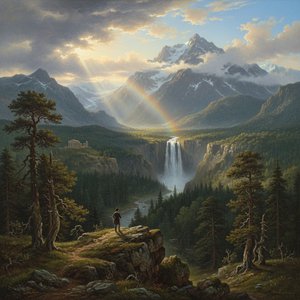
Evoking Nature's Sublime: A Comprehensive Exploration of 19th-Century Landscape Painting
Explore the captivating world of 19th-century landscape painting! Discover renowned artists like Friedrich & Monet, key movements, and find the perfect artwork to bring nature's serenity into your home. Expert insights at OriginalUniqueArt.

Les 25 chefs-d'œuvre de John Constable : l'âme du paysage anglais
Explorez les 25 chefs-d'œuvre de John Constable et l'âme du romantisme anglais. Découvrez toute la collection sur OriginalUniqueArt.com.

Cultivating Visions: A Historical Journey Through Rural Landscapes in Art
Explore the rich history of rural landscape painting with OriginalUniqueArt. Discover Impressionist masterpieces, key artists & movements. Find your perfect serene artwork and bring nature's beauty home.