

 Aperçu en situation
 Partager
 Partager
 Détails

 Télécharger
 Articles similaires
 Radiographie
 Voir le diaporama
 Statistiques
Epigrafi e Statue


 Afficher la suite
Acquérez une image numérique haute résolution et optimisée, d'une qualité bien supérieure à l'aperçu en ligne.
Chaque fichier est méticuleusement préparé par nos spécialistes internes à l'aide d'outils avancés et d'une retouche manuelle experte. Nous garantissons que chaque image possède une clarté exceptionnelle, une précision des couleurs irréprochable et un niveau de détail fin.
Le fichier final est livré par e-mail sous 72 heures, optimisé pour une utilisation immédiate dans des contextes professionnels, éditoriaux et d'impression. Il offre la même qualité de confiance que celle utilisée par les plus grands studios de création, éditeurs et galeries.
Image numérique
Téléchargez un fichier haute résolution pour votre usage personnel, l'impression et vos projets créatifs. ( Passer au format impression Acheter la peinture faite à la main)
Inclus avec chaque commande d'image numérique
Livraison numérique experte, garantie.
En choisissant OriginalUniqueArt.com, vous n'obtenez pas seulement une simple image : vous recevez une œuvre numérique sublimée avec professionnalisme, conçue avec précision et accompagnée d'une garantie de satisfaction. Voici tout ce qui accompagne automatiquement votre commande :

Livraison rapide par e-mail
Votre fichier d'image numérique haute résolution vous sera envoyé par e-mail sous 72 heures après votre commande — prêt à un usage immédiat.

Fichier numérique optimisé par l'IA
Votre œuvre d'art bénéficie d'une optimisation professionnelle grâce à des outils d'IA avancés et une retouche manuelle, garantissant un niveau maximal de détail, de clarté et de fidélité chromatique.

Réexpédition gratuite à vie
Vous avez accidentellement supprimé ou perdu votre fichier ? Pas d'inquiétude — nous vous le renverrons gratuitement, quand vous le souhaitez.

Aucuns frais de douane — À jamais
Profitez de votre œuvre d'art instantanément sans frais de douane ni de livraison — les téléchargements numériques sont toujours exonérés de taxes.

Garantie de fidélité des couleurs
Nous garantissons que votre image numérique reproduit les couleurs de l'original aussi fidèlement que possible grâce à des outils professionnels et une gestion rigoureuse des couleurs.

Garantie de satisfaction de 100 jours
Si vous n'êtes pas satisfait de votre image numérique, nous la retoucherons ou vous rembourserons 100% sous 100 jours — sans poser de questions.

Garantie de remboursement à 100%
Pas satisfait ? Obtenez un remboursement intégral dans les 100 jours suivant la réception de votre fichier numérique — sans aucune question posée.

Remises sur les commandes groupées
Achetez 3 images, économisez 10% - Achetez 5, économisez 15% - Achetez 10+, économisez 20%. Idéal pour les projets créatifs, les galeries et les agences.
Echoes of Antiquity: A Study in Renaissance Form
To gaze upon this preparatory drawing by Jacopo Bellini is to step directly into the vibrant, intellectual crucible of the early Italian Renaissance. It is not merely an image; it is a blueprint of genius—a tangible record of an artist wrestling with the monumental weight and exquisite potential of classical antiquity. Rendered in the delicate interplay of charcoal and ink upon aged paper, the composition presents three distinct sculptural visions: two majestic equestrian figures poised atop grand pedestals, alongside a solitary, standing form. The very air around these sketches seems charged with the ambition of creation, capturing Bellini’s profound dedication to mastering both the human figure and the architectural setting that frames it.
The Mastery of Line and Shadow
Technically, this piece is a masterclass in preparatory drawing. Bellini utilizes line not just to outline, but to construct volume. The charcoal lends a wonderfully tactile, almost dusty texture to the surface, suggesting the grit of the sculptor's workshop, while the sharp precision of the ink defines the architectural vocabulary—the clean lines of the plinths, the graceful curves of implied arches, and the musculature beneath drapery. Observe how light is suggested through meticulous shading; it falls across the imagined bronze or marble surfaces, giving these static drawings a startling sense of three-dimensional presence. This commitment to linear perspective ensures that every element, from the base to the crowning figure, feels anchored in believable space.
Symbolism and the Weight of Empire
The subject matter speaks volumes about the cultural currents of 15th-century Venice. The inclusion of equestrian statues immediately evokes themes of power, authority, and imperial patronage—the enduring legacy of Roman emperors whose forms Bellini so reverently studied. These figures are more than mere decoration; they are symbolic anchors connecting the burgeoning humanism of the Renaissance with the perceived glory of Rome. Furthermore, the accompanying inscriptions, though faded, serve as mnemonic devices, naming and titling these idealized subjects, grounding the artistic fantasy in historical narrative.
A Touch for the Modern Collector
For the discerning collector or designer whose aesthetic appreciates history imbued with intellectual rigor, this drawing offers unparalleled depth. It speaks to a time when art was inseparable from philosophy and engineering. Owning a reproduction of Bellini’s studies is not simply acquiring artwork; it is curating an atmosphere of scholarly elegance. Imagine this piece lending its quiet authority to a study or gallery—a constant, beautiful reminder that the greatest masterpieces begin with the most thoughtful sketch.
Biographie de l'artiste
Le Pionnier Vénitien de la Perspective Renaissance
Jacopo Bellini s'impose comme une figure charnière du style de peinture renaissant qui s'épanouit à Venise et dans le nord de l'Italie. Il était bien plus qu'un simple peintre ; il fut l'un des innovateurs fondamentaux de son époque, façonnant les sensibilités artistiques par une observation méticuleuse de la nature et une incorporation magistrale de la perspective linéaire — une technique qui était jusqu'alors largement absente de la tradition vénitienne. Bien que peu de toiles originales de Bellini aient survécu pour être admirées aujourd'hui dans toute leur splendeur, son héritage profond réside principalement dans ses extraordinaires carnets de dessins, tels que ceux conservés au British Museum et au Louvre. Ces esquisses révèlent une fascination profonde pour les vastes panoramas de paysages et les conceptions architecturales élaborées, offrant un aperçu inestimable d'un processus artistique qui préfigurait les révolutions stylistiques des siècles à venir.
Né à Venise vers 1396, les années de formation de Jacopo furent imprégnées des riches traditions décoratives de la fin de la période gothique. Son apprentissage initial suggère qu'il fut le disciple du célèbre Gentile da Fabriano, un artiste dont l'atelier produisit certaines des fresques les plus ambitieuses et les plus ornées de l'époque. Cette association prestigieuse a sans aucun doute inculqué à Bellini une appréciation de toute une vie pour le détail complexe, l'harmonie des couleurs et une certaine complexité décorative. Au début de sa carrière, il fut actif à Foligno entre 1411 et 1412, où il collabora aux fresques monumentales du Palazzo Trinci, travaillant aux côtés des maîtres mêmes qui définissaient le style gothique international.
Un Voyage au Cœur de la Renaissance
Un tournant décisif survint lorsque Bellini voyagea à Florence vers 1423. Ce voyage le plaça à l'épicentre d'une période intense d'expérimentation artistique menée par des luminaires tels que Brunelleschi, Donatello et Masaccio. À Florence, il découvrit la science naissante de la perspective linéaire, une découverte qui allait fondamentalement altérer son approche de l'espace et de la profondeur. En fusionnant l'élégance lyrique et décorative de ses racines vénitiennes avec la rigueur structurelle et la clarté spatiale des innovateurs florentins, Bellini commença à forger un langage visuel unique. Cette synthèse lui permit de dépasser les plans plats et symboliques du Moyen Âge pour tendre vers une représentation du monde plus immersive, semblable à une fenêtre ouverte sur la réalité.
Au fil de sa carrière, Bellini devint la figure centrale de l'établissement d'une dynastie familiale qui allait dominer l'art vénitien pendant des générations. Son influence ne fut pas seulement personnelle mais pédagogique, puisqu'il transmit ses innovations à ses fils, Gentile et Giovanni. À travers eux, les graines de ses expérimentations avec la lumière, le paysage et la perspective s'épanouirent pour devenir la splendeur de la Haute Renaissance associée au nom des Bellini. Son œuvre servit de pont entre les traditions ornementales du passé et le réalisme humaniste du futur, faisant de lui un maillon indispensable dans l'évolution de l'art italien.
Héritage et Importance Historique
L'importance historique de Jacopo Bellini réside dans son rôle de catalyseur du changement. Bien qu'une grande partie de sa production demeure capturée dans le médium intime de l'encre et de la plume, ces croquis servent de plan directeur pour la Renaissance vénitienne. Sa capacité à envisager des paysages complexes et multicouches ainsi que des architectures mathématiquement cohérentes a jeté les bases permettant à ses successeurs d'explorer la beauté atmosphérique de la lagune vénitienne. Étudier Bellini, c'est être témoin du moment précis où l'œil de l'artiste commença véritablement à maîtriser l'illusion de la profondeur, changeant à jamais la manière dont l'humanité perçoit le monde peint.
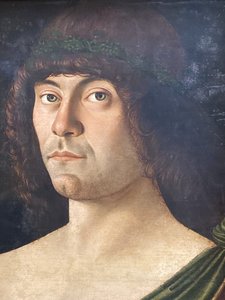
Jacopo Bellini
1396 - 1470 , Italie
En bref
- Artistic Movement Or Style: Renaissance
- Artists Or Movements Influenced By This Artist: ['Masaccio']
- Artists Who Influenced This Artist: ['Gentile da Fabriano']
- Date Of Birth: Venise, Italie (1396)
- Date Of Death: c. 1470
- Full Name: Jacopo Bellini
- Nationality: Italienien
- Notable Artworks:
- La Crucifixion à Vérone
- Vierge avec enfant
- Place Of Birth: Venise