Aperçu en situation
 Envoyer
 Partager
 Détails de l'œuvre
 Guide
Guide

 Télécharger l'image
 Articles similaires
 Radiographie
 Diaporama
 Questions et réponses
 Statistiques
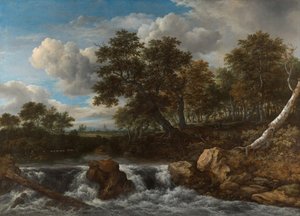
La Cascade

- 100.0 x 87.0 cm


 Lire la suite
Giclées et impressions d'art
Impressions giclées ou sur toile de qualité musée, avec une production rapide et des finitions au choix. ( Commander la reproduction peinte à la main Passer au format numérique)




P118B €10

P118H €10

P118W €10

P438Z €10

P508JH €12

P508YH €12

P805H €10

P805Z €10

P919BZ €10

P919G €10

P919XJ €10

P959ZH €10

P968JZ €12

W106C €8

W218G €10

W218JH €8

W218Y €10

W307PJ €10

W316G €10

W316PJ €8

W316Y €10

W398PJ €8

W4111J €10

W500HY €15

W500JH €15

W692G €12

W849H €8

W940BG €15

W953PJ €8




Choisissez parmi nos formats prédéfinis qui respectent les proportions originales de l’œuvre.

Saisissez la largeur et la hauteur souhaitées pour qu'elles s'adaptent à votre cadre ou à votre mur. Une impression peut être recadrée, mais jamais agrandie au-delà de l'image originale ; ainsi, un format de forme différente entraînera la perte d'une partie de l'image. Nous vous envoyons une maquette numérique pour approbation avant toute impression. L'image présentée sur cette page ne montre pas le recadrage réel — seule la maquette le permet.
Livraison dans le monde entier () en 2 semaines au lieu des 4/5 semaines habituelles. (6 novembre)

Livraison express gratuite dans le monde entier

Toile de lin de qualité supérieure

Assurance transport complète

Garantie de remboursement des droits de douane

Garantie de fidélité des couleurs

Politique de retour de 100 jours (uniquement en cas de défaut)

Garantie de remboursement à 100%

Offre de tarifs dégressifs
 L'option verre n'est disponible que pour les dimensions inférieures à 110 cm.

La Cascade
Giclées et impressions d'art
Format de la reproduction
-


Prix total
€ 72
Un chef-d'œuvre de sérénité néerlandaise : « La Cascade » de Jacob Isaackszoon van Ruysdael
Peinte en 1665, « La Cascade » de Jacob Isaackszoon van Ruysdael est bien plus qu'une simple représentation d'une scène naturelle ; c'est une méditation profonde sur la tranquillité et l'observation, caractéristiques emblématiques de l'Âge d'Or néerlandais. Mesurant une dimension impressionnante de 100 x 87 cm, cette œuvre transporte le spectateur dans un moment de contemplation sereine, capturant l'essence d'un paysage qui devenait alors le cœur de l'expression artistique des Pays-Bas. Conservée au Staatliche Museen de Kassel, en Allemagne, « La Cascade » représente une œuvre charnière d'un homme qui a fondamentalement façonné la définition de la peinture de paysage et demeure une pierre angulaire de l'histoire de l'art néerlandais.
Brillance technique : l'art de la profondeur atmosphérique
Exécutée avec un détail méticuleux à l'huile sur toile, la technique de Ruysdael est immédiatement saisissante. Il fait preuve d'une maîtrise inégalée de l'ombre et de la lumière, rendant avec habileté l'eau en cascade avec un sens dynamique du mouvement. Les reflets chatoyants sur les rochers mouillés ne sont pas de simples éléments décoratifs ; ils constituent une illusion de profondeur magistrale, plongeant le spectateur au cœur même de la scène. Cette technique était révolutionnaire pour son époque, repoussant les limites du possible dans la peinture à l'huile. À l'examen attentif, la superposition des coups de pinceau contribue à la richesse texturale de l'œuvre — de la texture rugueuse de la falaise au feuillage délicat entourant la chute d'eau. Cette approche délibérée confère au tableau un réalisme et une qualité tactile remarquables. De plus, l'utilisation de la perspective atmosphérique par Ruysdael — ce flou subtil des éléments lointains — est particulièrement remarquable, créant une sensation d'espace et de distance crédible qui fut une avancée majeure pour l'époque.
Une fenêtre sur la vie néerlandaise du XVIIe siècle
« La Cascade » transcende la dimension purement esthétique ; elle est un instantané de la vie néerlandaise du XVIIe siècle, offrant un aperçu de l'existence rurale et des valeurs de l'époque. Le petit village niché parmi les collines témoigne de l'importance de l'agriculture et de la communauté, tandis que le clocher de l'église s'élevant au-dessus des toits souligne l'influence profonde de la foi. Ce détail élève la peinture au-delà du simple paysage, la transformant en une fenêtre narrative ouverte sur un monde disparu.
Symbolisme et impact émotionnel
La composition elle-même est savamment équilibrée, guidant l'œil à travers la scène, de la cascade au premier plan jusqu'au village lointain, renforçant ainsi l'harmonie inhérente au tableau. Le ciel couvert suggère un sentiment de contemplation silencieuse, tandis que la puissance brute de l'eau qui tombe évoque à la fois l'admiration et un sentiment de vulnérabilité. La capacité de Ruysdael à capturer des émotions aussi nuancées au sein d'un paysage est un témoignage de son génie artistique. L'œuvre continue de résonner auprès des spectateurs d'aujourd'hui, offrant un moment de répit et nous rappelant la beauté éternelle de la nature.
Provenance et importance historique
Créée en 1665, « La Cascade » s'impose comme un exemple magistral de l'évolution artistique de Ruysdael. Initialement connu pour ses représentations de la campagne néerlandaise, il a par la suite intégré des éléments d'influence allemande après ses voyages, élargissant ainsi son éventail stylistique. Ce tableau illustre parfaitement sa maîtrise et assure sa place en tant qu'œuvre fondatrice dans l'histoire de la peinture de paysage, offrant un lien tangible avec le paysage culturel vibrant de l'Âge d'Or néerlandais.
Questions et réponses
Quelles sont les dimensions réelles de «La Cascade» de Jacob van Ruisdael ?
«La Cascade» mesure 100 x 87 cm dans sa forme originale. Les dimensions originales constituent une référence utile lors du choix de la taille d'une reproduction.
Quelle taille et quel format sont recommandés pour un tirage de «La Cascade» de Jacob van Ruisdael ?
Pour « La Cascade », la configuration d'impression recommandée est un format Grand format avec une orientation Format portrait.
Pour quel usage une reproduction de «La Cascade» de Jacob van Ruisdael est-elle recommandée ?
L'utilisation suggérée pour «La Cascade» de Jacob van Ruisdael est Pièce maîtresse d'envergure. Elle peut également servir à d'autres fins.
Biographie de l'artiste
Early Life and Career
Jacob Isaackszoon van Ruisdael, a name synonymous with the grandeur of the Dutch Golden Age, emerged in Haarlem around 1628 or 1629, into a family deeply rooted in the world of art. His lineage included his father, Isaak van Ruisdael, a skilled craftsman who combined painting with the production of frames – a crucial skill for any landscape artist of the time. His uncle, Salomon van Ruysdael, was already establishing himself as a respected figure within the Haarlem guild of painters, specializing in atmospheric landscapes that would profoundly influence his nephew’s artistic development. The family's dedication to visual arts created an environment where Jacob was immersed in techniques and aesthetics from a young age.
Unlike many artists of his era who received formal training under established masters, Ruisdael’s education appears to have been largely self-directed, honed through observation and apprenticeship within his family circle. Early influences likely included the works of Jan van Goyen, whose masterful depictions of Dutch landscapes—particularly their use of light and atmospheric perspective—were highly admired by contemporary artists. The subtle techniques employed by Pieter de Molyn, another prominent landscape painter, also played a role in shaping Ruisdael’s nascent style.
Ruisdael joined the prestigious Guild of Saint Luke in Haarlem around 1646, marking his official entry into the professional art world. This guild membership provided him with legitimacy and access to trade networks, but it also dictated certain constraints on his work—he was expected to primarily create smaller-scale paintings that could be sold directly to patrons, rather than undertaking large-scale commissions.
Artistic Style and Contributions
Ruisdael’s artistic style is characterized by a remarkable versatility and an astonishing output. He produced a vast range of landscape subjects—from serene countryside scenes to dramatic cityscapes and evocative seascapes—demonstrating a deep understanding of light, color, and composition. His early works, dating from 1646, already showcased his talent for capturing the essence of the Dutch countryside, but it was after his journey to Germany in 1650 that his style underwent a significant transformation.
The trip to Germany exposed Ruisdael to new artistic influences and broadened his perspective. He began to incorporate more heroic elements into his landscapes—larger-than-life figures, dramatic lighting effects, and a sense of scale that conveyed the power and majesty of nature. His later work, produced during his time in Amsterdam, continued this trend, with city panoramas and seascapes often dominated by expansive skies – occupying roughly two-thirds of the canvas.
A key element of Ruisdael’s technique was his masterful use of light. He expertly manipulated shadows and highlights to create a sense of depth and atmosphere, imbuing his landscapes with an almost palpable realism. His paintings are not merely representations of scenery; they are immersive experiences that transport the viewer into the heart of the Dutch countryside or the bustling streets of Amsterdam.
- Waterfall in a Rocky and Mountainous Landscape: This work exemplifies Ruisdael’s mastery of light and composition, showcasing the raw power and beauty of nature.
- View of Haarlem with Bleaching Grounds: A quintessential example of Ruisdael’s ability to capture the everyday life and atmosphere of the Dutch countryside.
- View of the Dam and the Damrak in Amsterdam: Demonstrates Ruisdael’s skill in capturing the dynamism and energy of a bustling city.
Museums and Collections
Ruisdael's paintings are treasured by institutions worldwide, reflecting their enduring appeal and historical significance. Notable holdings can be found in:
- The National Gallery in London
- The Rijksmuseum in Amsterdam
- The Hermitage Museum in St. Petersburg
Influence and Legacy
Jacob van Ruisdael’s influence on landscape painting traditions is profound and far-reaching. His work served as a crucial inspiration for generations of artists across Europe and beyond. The English Romantic painters, such as John Constable and J.M.W. Turner, were deeply affected by Ruisdael's atmospheric landscapes and his ability to capture the sublime beauty of nature. Similarly, the Barbizon School in France—a movement characterized by a return to landscape painting based on direct observation—looked to Ruisdael as a key figure in their artistic lineage.
In America, the Hudson River School embraced Ruisdael’s techniques and themes, producing iconic paintings of the American wilderness. His legacy extends beyond specific movements; he is considered one of the foundational figures of landscape painting, shaping the way artists approached the depiction of nature for centuries to come.

Jacob van Ruisdael
1628 - 1682 , Pays-Bas
L'essentiel de l'artiste
- Artistic Movement Or Style: Baroque, Golden Age
- Artists Or Movements Influenced By This Artist:
- Romantiques anglais
- Barbizon
- Artists Who Influenced This Artist:
- Vroom
- Van de Velde
- Date Of Birth: 1628/1629, Haarlem
- Date Of Death: 1682, Amsterdam
- Full Name: Jacob Isaackszoon van Ruisdael
- Nationality: Néerlandais
- Notable Artworks:
- Vue de Haarlem
- Cascade rocheuse
- Amsterdam
- Place Of Birth: Haarlem, Pays-Bas
Articles connexes
Charles Leickert: Capturing the Dutch Golden Age Light – A Comprehensive Study of Technique, Context, and Legacy
Explore the captivating winter landscapes of Charles Leickert, a master of Dutch Golden Age light & atmosphere. Discover his techniques, symbolism, and lasting legacy – a comprehensive study for art enthusiasts and collectors.

Maîtriser l'ombre et la lumière : les 25 chefs-d'œuvre de Rembrandt
Explorez les 25 chefs-d'œuvre de Rembrandt et la magie du clair-obscur. Découvrez toute la collection sur OriginalUniqueArt.com.

Golden Light & Dutch Skies: The Timeless Magic of Dutch Golden Age Landscapes
Discover the breathtaking beauty of Dutch Golden Age landscapes. Explore the mastery of light, chiaroscuro, and 17th-century realism through an expert art history lens, celebrating the enduring legacy of the Dutch Masters for discerning collectors and art lovers.

Golden Light & Dutch Skies: Bringing the Magic of Dutch Golden Age Landscapes into Your Home
Transform your home with the breathtaking light of Dutch Golden Age landscapes. Discover how hand-painted oil reproductions of masterworks like Ruisdael and Vermeer bring timeless elegance, atmosphere, and soulful texture to modern interiors. Elevate your space with museum-quality art.

L'Âge d'Or Néerlandais : 10 Chefs-d'œuvre Incontournables pour Décorer avec Art et Histoire
Plongez au cœur de l'Âge d'Or néerlandais ! Découvrez 10 chefs-d'œuvre intemporels de Rembrandt, Vermeer et autres maîtres hollandais. Explorez leur histoire, technique & trouvez l'inspiration déco sur