
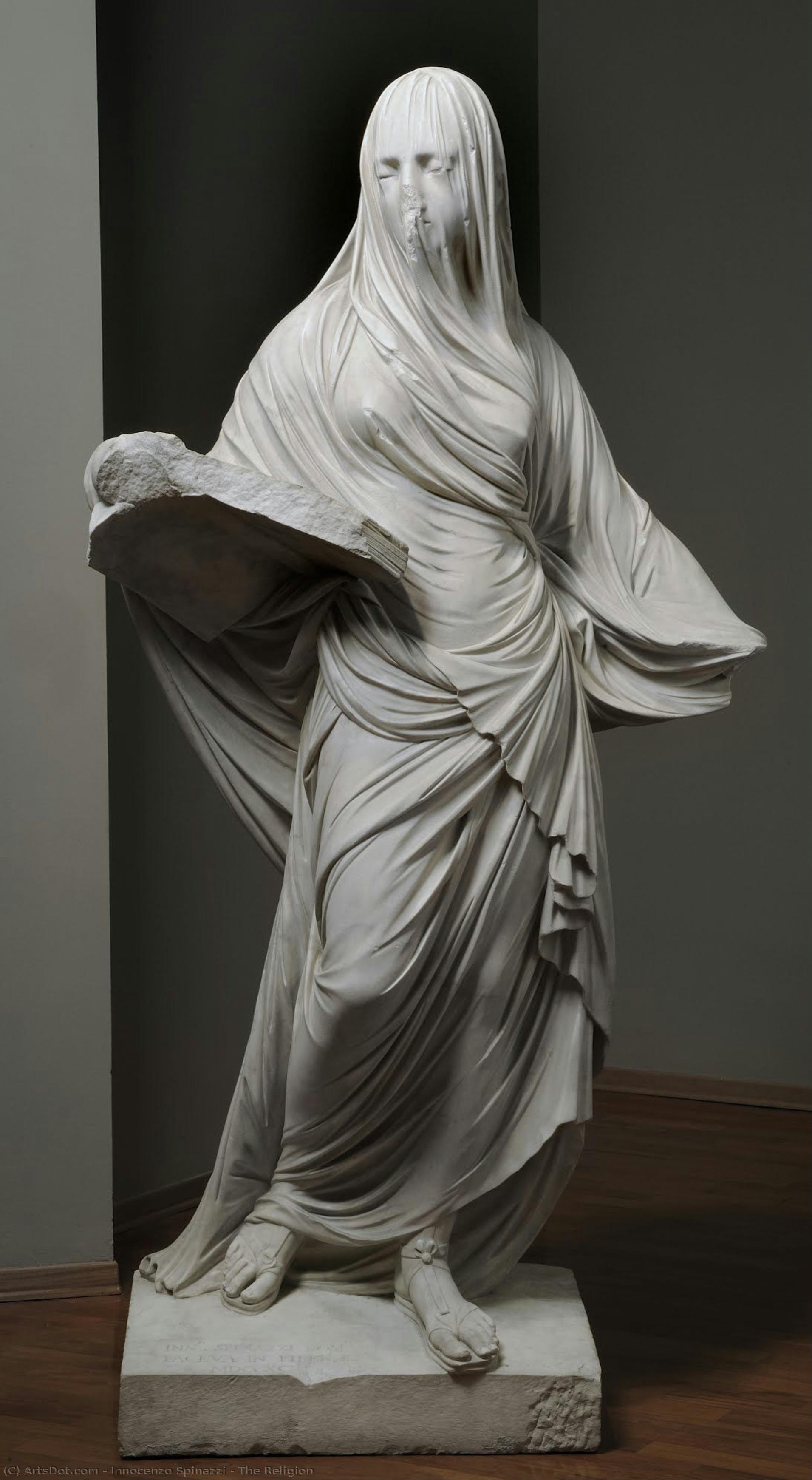
 Aperçu en situation
 Envoyer
 Partager
 Détails de l'œuvre

 Télécharger
 Articles similaires
 Radiographie
 Diaporama
The Religion
 Neoclassicism
 115.0 x 215.0 cm
 Galleria Civica di Arte Moderna e Contemporanea Torino
 Lire la suite
Reproduction à l'huile faite à la main
Huile sur toile peinte à la main, avec cadre et dimensions personnalisés, réalisée sur commande par nos artistes. ( Commander l'impression Télécharger l'image haute résolution)




































Choisissez parmi nos formats prédéfinis qui respectent les proportions originales de l’œuvre.

Vous pouvez saisir vos propres dimensions pour l'adapter à un cadre ou à un espace spécifique. Si la taille sélectionnée ne correspond pas aux proportions de l'image d'origine, nous recadrerons l'œuvre ou prolongerons la peinture avec des éléments peints à la main supplémentaires. Une maquette numérique vous sera envoyée pour approbation avant le début de la production.
Veuillez noter que l'aperçu à l'écran ne reflète pas le recadrage ou l'extension réels. Seule la maquette montrera fidèlement la composition finale.
Bien que des tailles personnalisées soient disponibles, nous vous recommandons de sélectionner une dimension dans la liste prédéfinie afin de préserver les proportions d'origine.
Après la commande, l’équipe OriginalUniqueArt.com contactera le client par e-mail pour recueillir ses instructions et lui fournira une maquette d’aperçu
Livraison dans le monde entier () en 3 à 4 semaines au lieu des 5 semaines habituelles. (17 août). Aucun compromis sur la qualité.

Livraison express gratuite dans le monde entier

Toile de lin de qualité supérieure

Assurance transport complète

Garantie de remboursement des droits de douane

Garantie de fidélité des couleurs

Politique de retour de 60 jours (uniquement en cas de défaut)

Garantie de remboursement à 100%

Offre de tarifs dégressifs
 L'option verre n'est disponible que pour les dimensions inférieures à 110 cm.

The Religion
Technique de reproduction
Format de la reproduction
-


Prix total
$ 300
Description de l'œuvre
Biographie de l'artiste
Innocenzo Spinazzi: Florentine Rococo and the Legacy of Antiquity
Innocenzo Spinazzi (1726–1798) stands as a towering figure in Florentine Baroque sculpture, embodying the artistic fervor of Enlightenment Italy while simultaneously honoring the traditions of classical antiquity. Born into a family of silversmiths in Rome, Spinazzi’s formative years instilled within him an appreciation for meticulous craftsmanship and refined aesthetics—qualities that would define his entire oeuvre. His training under Giovanni Battista Maini provided him with foundational knowledge of sculptural technique and artistic theory, setting the stage for his remarkable ascent to prominence as Florence's foremost sculptor.Early Career in Rome
Spinazzi’s initial success stemmed from his monumental statue of St Joseph Calasanctius (1755) commissioned for the nave of St Peter’s Basilica, a project that showcased his mastery of marble carving and demonstrated an understanding of Baroque grandeur. This commission solidified his reputation as a sculptor capable of tackling ambitious undertakings and conveying profound spiritual themes—a hallmark of Gianlorenzo Bernini's style. The sheer scale and expressive dynamism of the sculpture reflected the prevailing artistic sensibilities of the time, cementing Spinazzi’s position at the forefront of Roman Baroque art.Arrival in Florence & Court Patronage
Recognizing the artistic dynamism of Florence under Leopold II, Spinazzi relocated to the city in 1769, swiftly securing the prestigious role of official court sculptor—a patronage that afforded him unparalleled access to influential patrons and fueled his creative output. This association with the Medici family allowed Spinazzi to undertake monumental projects aimed at revitalizing the city’s cultural heritage, shaping Florentine art for decades to come. He skillfully blended classical ideals with Baroque exuberance, creating sculptures that celebrated both human dignity and divine majesty.Restoration of Antiquities & Portraiture
Spinazzi’s contribution to Florentine art extended far beyond mere decoration; he undertook monumental projects aimed at revitalizing the city's cultural heritage. Notably, he spearheaded the restoration of antique sculptures within the Medici collections—a task that demanded meticulous scholarship and technical skill. His dedication to preserving classical masterpieces underscored his profound respect for artistic history and demonstrated a commitment to upholding humanist values. Furthermore, Spinazzi’s portrait bust of Leopold II (1771–74), housed in the Pitti Palace, exemplifies his ability to capture likeness with remarkable accuracy while conveying psychological depth—a testament to his mastery of sculptural realism.Monumental Sculpture & Artistic Influence
Spinazzi's most celebrated works are undoubtedly his sculptures for Santa Croce—particularly the monumental figures representing jurist Giovanni Lami, Angelo Tavanti and Niccolò Machiavelli. These sculptures embody the humanist spirit of the Enlightenment, reflecting a fascination with classical ideals of beauty and proportion. He skillfully blended classical ideals with Baroque exuberance, creating sculptures that celebrated both human dignity and divine majesty. His influence extended beyond his own creations; he served as professor of sculpture at the Accademia di Belle Arti, Florence, nurturing a new generation of artists and shaping the stylistic landscape of Florentine art. Among his pupils was Francesco Carradori, who continued Spinazzi's legacy of sculptural excellence. ### Legacy & Style Spinazzi is considered the leading sculptor in Enlightenment Florence. He often supplemented his marble works with bronze and other materials, in the tradition of Gian Lorenzo Bernini—a stylistic choice that reflected a desire to push artistic boundaries while honoring established conventions. His signature style was characterized by veiled women sculptures – a deliberate reference to classical depictions of goddesses and nymphs—and for his contribution to the grandeur of Florence’s civic monuments. Spinazzi's enduring legacy resides in his unwavering dedication to craft and artistic innovation, securing his place as one of the most significant figures of the Rococo period and cementing his reputation as a sculptor whose work continues to inspire admiration and scholarly study.
Innocenzo Spinazzi
1726 - 1798 , Italie
L'essentiel de l'artiste
- Artistic Movement Or Style: Rococo
- Artists Who Influenced This Artist:
- Giovanni Battista Maini
- Gian Lorenzo Bernini
- Date Of Birth: Rome, Italie (1726)
- Date Of Death: Florence, Italie (1798)
- Full Name: Innocenzo Spinazzi
- Nationality: Italien
- Notable Artworks:
- Faith
- Religion
- Place Of Birth: Rome
Articles connexes

The Enduring Allure of Marble in Art History: From Classical Sculpture to Modern Abstraction
Explore the captivating history of marble sculpture from ancient Greece to modern art. Discover renowned artists like Canova & Michelangelo, carving techniques, and investment insights at OriginalUniqueArt.

Les 10 Chefs-d'œuvre Bronzes Qui Ont Révolutionné la Sculpture | OriginalUniqueArt
Plongez dans l'univers fascinant des 10 sculptures en bronze les plus emblématiques de l'histoire de l'art. Rodin, Degas et autres maîtres révélés ! Découvrez leur histoire, leurs techniques et trouvez l'œuvre parfaite pour sublimer votre intérieur sur OriginalUniqueArt.com.
Timeless Elegance: A Complete Guide to the Sublime Beauty and Artistry of Marble Sculpture
Discover the sublime beauty of marble art through an expert exploration of Renaissance and Neoclassical masterpieces. From the delicate textures of Carpeaux to the grandeur of Sansovino, immerse yourself in a guide to timeless elegance and sculptural perfection.

The Enduring Form: Exploring Themes & Techniques in Sculpture Across Historical Periods
Explore the rich history of sculpture from ancient masterpieces to contemporary innovations. Discover key techniques, influential artists & investment potential for discerning art collectors.
The Enduring Form: Sculpture Across History, Technique & Emotional Resonance
Explore the rich history of sculpture with OriginalUniqueArt. Discover key techniques, influential artists & investment potential for discerning collectors. Expert insights into valuing and collecting timeless masterpieces.

