- Accueil

- Image numérique
- Ikkyū Sōjun
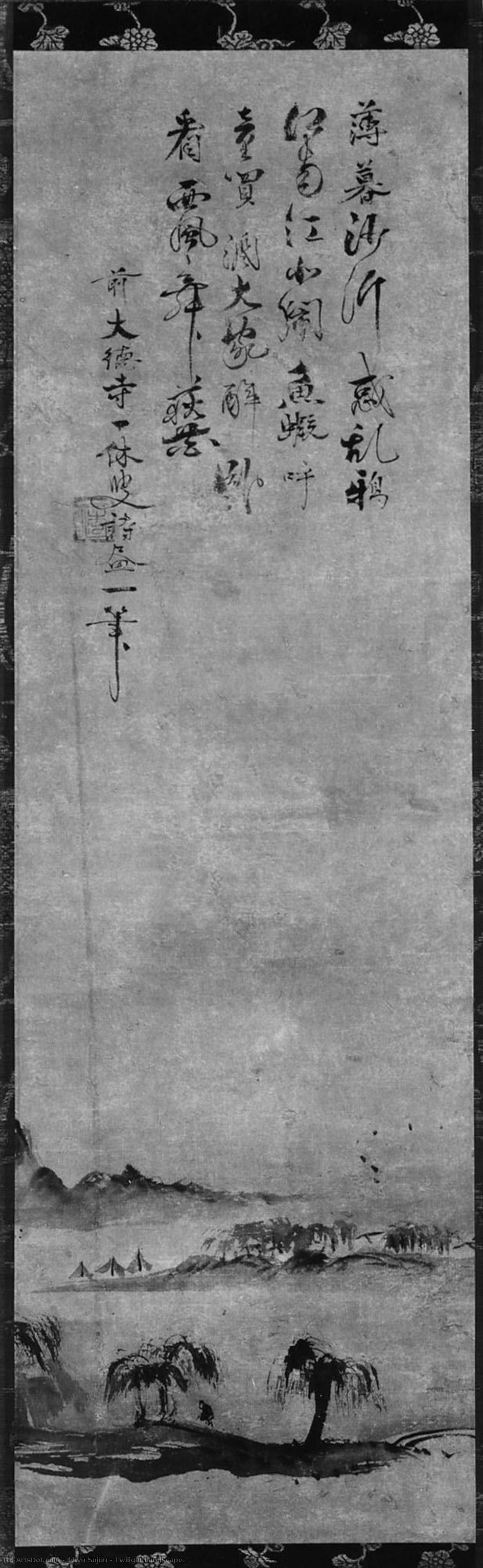
- Twilight Landscape
 Preview
 Commander l'impression Commander la reproduction
 Partager
 Partager
 Détails de l'œuvre
 Ajouter aux favoris

 Télécharger
 Articles similaires
 Radiographie
 Diaporama
Twilight Landscape
 87.0 x 26.0 cm
 Afficher la suite
Acquérez une image numérique haute résolution et améliorée, bien supérieure à l'aperçu en ligne.
Chaque fichier est méticuleusement préparé par nos spécialistes internes à l'aide d'outils avancés et d'une retouche manuelle experte. Nous garantissons que chaque image possède une clarté exceptionnelle, une précision des couleurs irréprochable et un niveau de détail fin.
Le fichier final est livré par e-mail sous 72 heures, optimisé pour une utilisation immédiate dans des contextes professionnels, éditoriaux et d'impression. Il offre la même qualité de confiance que celle utilisée par les plus grands studios de création, éditeurs et galeries.
Image numérique
Téléchargez un fichier haute résolution pour un usage personnel, l'impression et vos projets créatifs.
Inclus avec chaque achat d'image numérique
Livraison numérique experte, garantie.
En choisissant OriginalUniqueArt.com, vous n'obtenez pas seulement une simple image : vous recevez une œuvre numérique sublimée avec professionnalisme, conçue avec précision et accompagnée d'une garantie de satisfaction. Voici tout ce qui accompagne automatiquement votre commande :

Livraison rapide par e-mail
Votre fichier d'image numérique haute résolution vous sera envoyé par e-mail sous 72 heures après votre commande — prêt à un usage immédiat.

Fichier numérique optimisé par l'IA
Votre œuvre d'art bénéficie d'une optimisation professionnelle grâce à des outils d'IA avancés et une retouche manuelle, garantissant un niveau maximal de détail, de clarté et de fidélité chromatique.

Réexpédition gratuite à vie
Vous avez accidentellement supprimé ou perdu votre fichier ? Pas de panique — nous vous le renverrons gratuitement, quand vous le souhaitez.

Aucun frais de douane - À jamais
Profitez de votre œuvre d'art instantanément sans frais de douane ni de livraison — les téléchargements numériques sont toujours exonérés de taxes.

Garantie de fidélité des couleurs
Nous garantissons que votre image numérique reproduit les couleurs de l'original aussi fidèlement que possible grâce à des outils professionnels et une gestion rigoureuse des couleurs.

Garantie de satisfaction de 60 jours
Si vous n'êtes pas satisfait de votre image numérique, nous la réviserons ou vous rembourserons 100% sous 60 jours - sans poser de questions.

Garantie de remboursement à 100%
Pas satisfait ? Obtenez un remboursement intégral dans les 60 jours suivant la réception de votre fichier numérique — sans aucune question posée.

Réductions sur les commandes groupées
Achetez 3 images, économisez 10% - Achetez 5, économisez 15% - Achetez 10+, économisez 20%. Idéal pour les projets créatifs, les galeries et les agences.
Biographie de l'artiste
Ikkyū Sōjun: A Rebel Monk Who Shaped Zen Art and Literature
Ikkyū Sōjun (一休宗純, ikkyū sōjun, february 1, 1394 – december 12, 1481) was an eccentric, iconoclastic Japanese zen buddhist monk and poet. He had a profound impact on the infusion of japanese art and literature with zen attitudes and ideals, as well as on zen itself—specifically challenging monastic teachings with his stance against celibacy. While often portrayed as a mischievous boy-hero in popular culture, particularly through the animated TV series *Ikkyū-san*, Ikkyū’s true legacy resides in his radical rethinking of buddhist practice and his indelible mark on artistic expression during the Muromachi Period. ### Childhood and Early Influences Ikkyū was born into a turbulent era—the unification of the Northern and Southern imperial courts under Ashikaga Yoshimitsu—and his lineage was fraught with conflict. He was the illegitimate son of Emperor Go-Komatsu and a low-ranking court noblewoman, whose exile following pregnancy created challenging circumstances for their upbringing. Raised in impoverished conditions in Saga, Ikkyū received an education rooted in chinese culture and language through the tutelage of Zen masters—a method termed *Gozan Zen*. This formative experience instilled within him a deep appreciation for philosophical contemplation and artistic refinement, shaping his worldview and informing his later creative endeavors. The temple masters taught him about calligraphy and poetry, fostering skills that would become central to his artistic output. He demonstrated an exceptional talent for mastering the intricacies of chinese script—a skill he would carry with him throughout his life and subsequently transmit to his disciples. ### Enlightenment and Artistic Practice At the age of thirteen Ikkyū entered Kennin-ji in Kyōto under Ken’ō Sōi—a Zen master known for his uncompromising devotion to monastic discipline. However, Ikkyū swiftly rejected conventional Zen practices, famously declaring that he would rather burn down the temple than observe celibacy. This rebellious stance reflected a broader critique of institutional dogma and fueled his conviction that true enlightenment demanded a rejection of societal constraints. Despite Ken’ō's influence, Ikkyū continued to express his dissent through poetry—often employing unconventional forms and imagery—demonstrating an unwavering commitment to artistic innovation. He was awarded the *inka* (certificate of enlightenment) by Kasō Sōdon at Daitoku-ji—a pivotal moment affirming his spiritual breakthrough—though he remained skeptical of its significance. This event solidified his conviction that Zen’s pursuit of liberation necessitated a departure from established traditions and expectations. ### Wandering Monkhood and Literary Legacy Following Kasō’s death, Ikkyū embarked on a solitary pilgrimage throughout Japan, traveling extensively between Kyōto, Osaka and Sakai. He embraced a deliberately austere lifestyle, eschewing material possessions and engaging with all strata of society without prejudice—a practice that underscored his belief in the primacy of spiritual experience over worldly concerns. During this period he cultivated a profound connection to nature—particularly the mountains—drawing inspiration from their rugged beauty and timeless serenity for his poetic compositions. He became renowned for his masterful use of *sumō*, a technique of calligraphy characterized by bold brushstrokes and expressive ink washes—a style that perfectly captured the spirit of Zen’s emphasis on spontaneity and immediacy. His prolific output encompassed numerous poems, sermons, and essays—each imbued with philosophical depth and artistic brilliance. Ikkyū's work explored themes of impermanence, emptiness, and the illusory nature of reality—reflecting core tenets of Zen philosophy while simultaneously challenging accepted conventions. ### Historical Significance Ikkyū Sōjun’s enduring fame stems not only from his artistic achievements but also from his audacious rejection of monastic norms—a gesture that resonated deeply with contemporaries and continues to inspire artists and thinkers today. He stands as an emblem of intellectual independence and spiritual rebellion, embodying the Zen ideal of questioning established dogma and pursuing truth beyond conventional boundaries. His legacy persists in popular culture—most notably through *Ikkyū-san*, which cemented his image as a charming iconoclast—but more importantly, it resides in his profound contribution to japanese art and literature—works that grapple with fundamental questions about existence and offer glimpses into the transformative power of Zen contemplation. He remains one of the most celebrated figures in japanese buddhism, recognized for his unwavering conviction in challenging societal expectations and prioritizing spiritual enlightenment above all else. His influence extended beyond his immediate circle, shaping artistic sensibilities and intellectual discourse throughout the Muromachi Period—a testament to his enduring impact on japanese cultural heritage.
Ikkyū Sōjun
1394 - 1481 , Japon
Informations clés
- Artistic Movement Or Style: Zen Buddhism
- Artists Who Influenced This Artist:
- Botetsu
- Ken’Ō Sōi
- Kasō Sōdon
- Date Of Birth: février 1394
- Date Of Death: décembre 1481
- Full Name: Ikkyū Sōjun
- Nationality: Japonais
- Notable Artworks:
- Portrait de Daruma
- Titre japonais : 木彫根付 蛸壺
- Place Of Birth: Kyoto, Japon

