

 Aperçu en situation
 Partager
 Partager
 Détails

 Télécharger l'image
 Articles similaires
 Radiographie
 Voir le diaporama
Untitled


 Afficher la suite
Giclées et impressions d'art
Impressions giclées ou sur toile de qualité musée, avec une production rapide et des finitions au choix. ( Acheter la peinture faite à la main Acheter l'image)




































Choisissez parmi nos formats prédéfinis qui respectent les proportions originales de l’œuvre.

Vous pouvez saisir vos propres dimensions pour vous adapter à un cadre ou à un espace spécifique. Si la taille sélectionnée ne correspond pas aux proportions de l'image originale, nous recadrerons l'œuvre ou étendrons l'image avec une bordure en miroir ou une couleur unie. Une maquette numérique vous sera envoyée pour approbation avant le début de la production.
Veuillez noter que l'aperçu à l'écran ne reflète pas le recadrage ou l'extension réelle. Seule la maquette montrera avec précision la composition finale.
Bien que des tailles personnalisées soient disponibles, nous vous recommandons de choisir une dimension dans la liste prédéfinie afin de préserver les proportions originales.
Livraison dans le monde entier () en 2 semaines au lieu des 4/5 semaines habituelles. (27 août)

Livraison express gratuite dans le monde entier

Toile de lin de haute qualité

Assurance transport complète

Garantie de remboursement des droits de douane

Garantie de fidélité des couleurs

Politique de retour de 60 jours (uniquement en cas de défaut)

Garantie de remboursement à 100%

Tarifs dégressifs sur quantité
 L'option verre n'est disponible que pour les dimensions inférieures à 110 cm.

Untitled
Giclées et impressions d'art
Format de la reproduction
-


Prix total final
$ 80
Biographie de l'artiste
Life and Work
Iberê Bassani Camargo (1914 – 1994) stands as a monumental figure in Brazilian art, recognized for his profound engagement with Expressionism and his unwavering dedication to capturing the essence of human experience. Born in Restinga Seca, Brazil, he emerged from humble beginnings to become one of the most influential painters of his era, leaving an indelible mark on the artistic landscape of São Paulo and beyond. Camargo’s artistic journey began amidst the burgeoning modernist movement, absorbing influences from European masters like Franz Marc and Henri Matisse, who championed bold colors and emotionally charged imagery—principles that would permeate his distinctive style. His formative years were marked by a deep connection to Brazilian folklore and mythology, particularly the tales of the *Sertão*, the arid interior region of Brazil. These narratives fueled his artistic vision, inspiring him to explore themes of solitude, resilience, and the confrontation between humanity and nature. Camargo’s technique was characterized by thick impasto—a layering of paint that creates a palpable textural surface—allowing for an expressive manipulation of color and form. He skillfully blended abstraction with figurative elements, creating canvases that simultaneously conveyed psychological depth and visual dynamism.Notable Works and Collections
Camargo's oeuvre encompasses a vast array of paintings, drawings, gouaches, and engravings, each imbued with his signature stylistic hallmarks. Among his most celebrated pieces are “Ciclista 3” (Cyclist 3), a vibrant depiction of a cyclist traversing the Brazilian landscape—a motif that recurs throughout his artistic output—and “Missa do pedido” (Mess to Order), which exemplifies his masterful use of color and composition to convey profound emotional resonance. These works reside prominently within the Iberê Camargo Foundation’s collection in Porto Alegre, Brazil, serving as testament to his enduring legacy. Furthermore, "Study for No tempo" (Into Time) showcases his meticulous preparatory process, revealing a dedication to capturing fleeting moments with remarkable precision. “Study for Mesa com espelho” (Table and Mirror), similarly, demonstrates Camargo's experimental approach to artistic exploration. Finally, “Untitled,” an evocative oil on paper piece, encapsulates the artist’s ability to distill complex emotions into simple yet powerful visual forms.The Iberê Camargo Foundation
Recognizing the importance of preserving and disseminating Camargo’s artistic heritage, his widow, Maria Coussirat Camargo, established the Iberê Camargo Foundation in 2008. Situated in Porto Alegre, Brazil, the foundation houses a museum designed by Álvaro Siza Vieira—a celebrated Portuguese architect—which meticulously showcases over 3,500 of Camargo’s paintings and drawings. This architectural masterpiece serves as both a repository for his artistic creations and an educational space dedicated to fostering appreciation for Expressionist art within Brazilian culture. The Foundation actively promotes research into Camargo's life and work, organizing exhibitions and publishing scholarly monographs that contribute to the ongoing dialogue surrounding his artistic contributions.Historical Significance
Iberê Bassani Camargo’s contribution to Brazilian art transcends mere stylistic innovation; he embodies a profound engagement with national identity and cultural memory. His exploration of Sertão folklore—a marginalized yet vital component of Brazilian heritage—challenged prevailing artistic conventions and championed the expressive power of vernacular traditions. By prioritizing emotional honesty and psychological insight, Camargo elevated Expressionism beyond its European roots, establishing it as a uniquely Brazilian aesthetic sensibility. He remains an inspirational figure for artists striving to articulate complex emotions and confront societal realities with courage and conviction – cementing his place as one of Brazil’s most important artistic voices of the 20th century.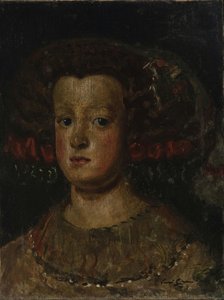
Iberê Camargo
1914 - 1994 , Brésil
En bref
- Artistic Movement Or Style: Expressionism
- Artists Who Influenced This Artist:
- Franz Marc
- Henri Matisse
- Date Of Birth: November 18, 1914
- Date Of Death: August 8, 1994
- Full Name: Iberê Bassani Camargo
- Nationality: Brazilian
- Notable Artworks:
- Ciclista 3
- Missa do pedido
- Étude pour Sans temps
- Étude pour Mesa avec miroir
- Sans titre
- Place Of Birth: Restinga Seca, Brazil


