

 Aperçu en situation
 Partager
 Partager
 Détails

 Télécharger
 Articles similaires
 Radiographie
 Voir le diaporama
 Statistiques
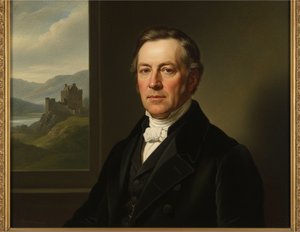
Sir Walter Scott


 Afficher la suite
Reproduction à l'huile faite à la main
Huile sur toile peinte à la main, avec cadre et dimensions personnalisés, réalisée sur commande par nos artistes. ( Passer au format impression Passer au format image numérique)




P118B $10

P118H $10

P118W $10

P438Z $10

P508JH $12

P508YH $12

P805H $10

P805Z $10

P919BZ $10

P919G $10

P919XJ $10

P959ZH $10

P968JZ $12

W106C $8

W218G $10

W218JH $8

W218Y $10

W307PJ $10

W316G $10

W316PJ $8

W316Y $10

W398PJ $8

W4111J $10

W500HY $15

W500JH $15

W692G $12

W849H $8

W940BG $15

W953PJ $8




Choisissez parmi nos formats prédéfinis qui respectent les proportions originales de l’œuvre.

Vous pouvez saisir vos propres dimensions pour l'adapter à un cadre ou à un espace spécifique. Si la taille sélectionnée ne correspond pas aux proportions de l'image d'origine, nous recadrerons l'œuvre ou prolongerons la peinture avec des éléments peints à la main supplémentaires. Une maquette numérique vous sera envoyée pour approbation avant le début de la production.
Veuillez noter que l'aperçu à l'écran ne reflète pas le recadrage ou l'extension réels. Seule la maquette montrera fidèlement la composition finale.
Bien que des tailles personnalisées soient disponibles, nous vous recommandons de sélectionner une dimension dans la liste prédéfinie afin de préserver les proportions d'origine.
Après la commande, l’équipe OriginalUniqueArt.com contactera le client par e-mail pour recueillir ses instructions et lui fournira une maquette d’aperçu
Livraison dans le monde entier () en 3 à 4 semaines au lieu des 5 semaines habituelles. (17 septembre). Aucun compromis sur la qualité.

Livraison express gratuite dans le monde entier

Toile de lin de haute qualité

Assurance transport complète

Garantie de remboursement des droits de douane

Garantie de fidélité des couleurs

Garantie de retour de 100 jours (uniquement en cas de défaut)

Garantie de remboursement à 100%

Tarifs dégressifs sur quantité
 L'option verre n'est disponible que pour les dimensions inférieures à 110 cm.

Sir Walter Scott
Technique de reproduction
Format de la reproduction
-


Prix total final
$ 300
Sir Walter Scott, A Portrait of Romanticism
Henry Raeburn’s “Portrait of Sir Walter Scott” is more than just a likeness; it's a carefully constructed tableau of Scottish identity and the burgeoning spirit of the Romantic era. Completed in 1822, this iconic painting captures not merely the physical appearance of the celebrated novelist but also his intellectual presence, his connection to the land, and the weight of his literary legacy. The portrait immediately draws the eye with its dramatic lighting – a chiaroscuro technique borrowed from Caravaggio – that sculpts Scott’s features and imbues the scene with an almost theatrical intensity. The dark background serves not as mere backdrop but as a deliberate framing device, intensifying the focus on the subject and suggesting a world of stories waiting to be unveiled.
Raeburn's masterful handling of texture is equally compelling. The rich velvet of Scott’s robe, the worn leather of his slippers, and even the subtle sheen of his spectacles are rendered with painstaking detail. This meticulous realism, however, isn’t simply about accurate representation; it’s a deliberate choice to ground the portrait in the tangible world – a world that Scott so vividly brought to life through his novels. The inclusion of Maida, Scott's beloved terrier, nestled at his feet adds an element of warmth and domesticity, subtly hinting at the author’s deep connection to nature and his appreciation for simple pleasures.
The Context of a Literary Icon
Sir Walter Scott (1771-1832) was arguably the most influential novelist of his time. His works – *Waverley*, *Rob Roy*, *Ivanhoe* – not only popularized the historical novel but also played a crucial role in shaping Scottish national identity and fostering a renewed interest in its rich folklore and traditions. Raeburn, as Portrait Painter to King George IV in Scotland, was tasked with immortalizing this literary giant, and he understood that the portrait needed to convey more than just Scott’s appearance; it had to embody his spirit and legacy.
The painting was commissioned during a period of significant social and political change in Britain. The Napoleonic Wars were drawing to a close, and there was a growing sense of national pride and a desire to celebrate British achievements. Scott's success coincided with this mood, and his portraits became symbols of Scottish cultural prestige. Furthermore, the portrait’s creation coincided with Raeburn’s own rising fame; it cemented his position as one of Scotland’s most important artists.
A Study in Light and Character
Raeburn's technique is characterized by a remarkable ability to capture character through subtle details. Scott’s gaze, direct and intelligent, invites the viewer into his world. His slightly furrowed brow suggests deep thought, while the hint of a smile hints at wit and wisdom. The artist skillfully uses light and shadow to define Scott’s features, creating a sense of depth and volume that is both realistic and expressive.
The composition itself is carefully considered. Scott is positioned slightly off-center, drawing the eye across the canvas and creating a dynamic visual balance. The arrangement of his clothing – the velvet robe, the leather slippers, the spectacles – contributes to the overall sense of character and reinforces Scott’s status as a man of both refinement and practicality. Notice how Raeburn has used the light to highlight the texture of the fabrics, adding another layer of richness and detail to the portrait.
Symbolism and Enduring Legacy
Beyond its technical brilliance, “Portrait of Sir Walter Scott” is rich in symbolism. The dog Maida represents loyalty and companionship – qualities that were highly valued by Scott himself. The books stacked on a nearby table suggest his lifelong devotion to literature and scholarship. And the overall atmosphere of quiet contemplation reflects Scott’s role as a storyteller and a chronicler of Scottish history.
Today, this painting remains one of Raeburn's most celebrated works and a powerful symbol of Scottish culture. It is housed in the National Gallery of Scotland in Edinburgh, where it continues to captivate viewers with its beauty, its insight, and its enduring legacy. Reproductions offer an accessible way to experience the artistry and historical significance of this remarkable portrait, bringing the spirit of Sir Walter Scott into any space.
Biographie de l'artiste
Un Pionnier de la Peinture Ecossaise : Henry Raeburn
- Nom Complet: Sir Henry Raeburn FRSE RA
- Né(e): 4 mars 1756, Stockbridge, Écosse
- Décédé(e): 8 juillet 1823, Édimbourg, Écosse
Jeunesse et Formation
Henry Raeburn a connu une enfance difficile, orphelin à un jeune âge. Il fut pris en charge par son frère William et placé à l'Heriot's Hospital, où il reçut une éducation de base. À 15 ans, il devint apprenti chez James Gilliland, un joaillier et orfèvre d'Édimbourg. Cette expérience lui permit de développer ses compétences en dessin précis et en gravure sur ivoire, des techniques essentielles pour la réalisation de miniatures.
Evolution Artistique et Style
Raeburn a progressivement évolué vers la peinture à l'huile, abandonnant les miniatures pour se consacrer au portrait. Son style est caractérisé par une approche directe du sujet, sans esquisses préparatoires, ce qui confère à ses œuvres une spontanéité et une vitalité remarquables. Il utilisait une technique de "touché carré", un terme désignant sa manière distinctive d'appliquer la peinture en touches visibles et angulaires, créant ainsi des textures riches et dynamiques. Son utilisation innovante de la lumière et de l’ombre contribue à donner du volume et de la profondeur à ses portraits.
Œuvres Majeures et Reconnaissance
- Les Archers: Un portrait écossais captivant illustrant l'élégance et la précision de la noblesse du XVIIIe siècle.
- Alexander Allan: Une représentation saisissante d’une figure importante de l’art écossais, témoignant de sa capacité à saisir l’essence de ses sujets.
- Le Skating Minister (Révérend Robert Walker): Un portrait emblématique qui capture un moment de loisir et de dynamisme.
Raeburn a rapidement acquis une grande renommée en Écosse, devenant le peintre officiel des principaux personnages de la société écossaise. Ses portraits ornent les galeries nationales et les demeures nobles à travers le pays.
Héritage et Influence
Sir Henry Raeburn a laissé une empreinte durable sur l'art écossais. Son approche novatrice du portrait, son style unique et sa capacité à capturer la personnalité de ses sujets en font un artiste majeur du XVIIIe siècle. Il est considéré comme un pionnier dans le domaine de la peinture de portraits en Écosse et a influencé de nombreux artistes qui l'ont suivi. Son œuvre continue d’être admirée pour sa qualité artistique, son réalisme et sa contribution à la documentation visuelle de l’histoire écossaise.
- Collections: Ses œuvres sont visibles à la Scottish National Gallery (Édimbourg), au Frick Collection (New York) et dans diverses autres collections publiques et privées.

Henry Raeburn
1756 - 1823 , Royaume-Uni
En bref
- Artistes Influents: ['George Chalmers']
- Date De Décès: 8 juillet 1823
- Date De Naissance: 4 mars 1756
- Lieu De Naissance: Stockbridge, Royaume-Uni
- Mouvement Artistique: Portraiture réaliste
- Nationalité: Écossais
- Nom Complet: Henry Raeburn
- Oeuvres Notables:
- Les Archers
- Patrick Moir
- Robert Walker (Le ministre patineur)
Articles similaires

Henry Raeburn Dobson: A Scottish Colourist Bridging Tradition & Modernity
Explore the life & work of Henry Raeburn Dobson, a key figure bridging Scottish tradition & modern art. Discover his neoclassical portraits, landscapes, and connection to the Colourists. Learn about collecting his works.
Henry Raeburn: A Scottish Portraitist's Mastery of Light, Character & National Identity
Explore the life & work of Henry Raeburn, a master Scottish portraitist. Discover his innovative techniques, captivating portraits of the Enlightenment era, and lasting legacy in art history. Learn more at OriginalUniqueArt.
Sir Joshua Reynolds : Les 25 Chefs-d'Œuvre Incontournables pour une Décoration Raffinée
Plongez dans l'univers de Sir Joshua Reynolds ! Découvrez les 25 œuvres incontournables du maître anglais, ses portraits rococo et son héritage artistique. Inspirez votre décoration intérieure avec OriginalUniqueArt.com : reproductions haute qualité & collectionneur d'art.

Munnings : Les 25 Œuvres Maîtresses du Cavalier Anglais | OriginalUniqueArt
Plongez dans l'univers vibrant d'Alfred Munnings ! Découvrez les 25 œuvres maîtresses du peintre anglais, icônes de l'art équestre et de l'impressionnisme britannique. Tableaux de chevaux, paysages idylliques… Trouvez votre inspiration déco sur OriginalUniqueArt.com.

Henri Matisse : Les 25 Œuvres Maîtresses d'un Génie de la Couleur | OriginalUniqueArt
Plongez dans l'univers vibrant d'Henri Matisse ! Découvrez les 25 œuvres majeures du fauvisme et de la peinture moderne. Explorez La Danse, L'Atelier Rouge & plus encore. Reproductions de qualité musée sur OriginalUniqueArt.com.


