Passer au format impression
 Lire la suite







































 Pour les œuvres ou reproductions dont un côté mesure plus de 105 cm (environ 41 pouces), le cadre sera expédié sous forme de kit démonté. Cette méthode garantit une livraison sécurisée et prévient tout dommage pendant le transport.


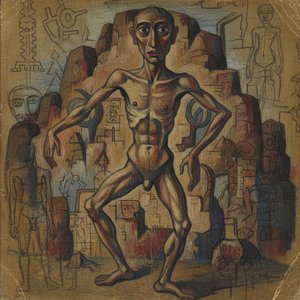
Henry Lamb’s “The River Ebble, Wiltshire”: A Study in Quiet Observation
Henry Lamb (1883-1960), an Australian-born British painter whose life spanned the tumultuous years of the early 20th century, remains a figure of considerable fascination within modernist art circles. His oeuvre is characterized by a distinctive approach—one that prioritizes subtle tonal shifts and meticulous detail to convey profound emotional resonance rather than grand narratives or dramatic gestures. “The River Ebble, Wiltshire,” painted in 1937, exemplifies this ethos perfectly, presenting a deceptively simple landscape scene imbued with layers of psychological complexity.Subject Matter and Composition
The painting depicts a tranquil stretch of the River Ebble winding through the Wiltshire countryside. Dominating the composition is a solitary woman standing on a stone bridge overlooking the water’s surface. The surrounding trees—primarily beech and oak—are rendered in muted greens and browns, creating a harmonious blend with the earthy tones of the riverbank. Lamb eschews any overtly assertive perspective; instead, he employs a flattened horizon line that draws the viewer's eye inwards, fostering a sense of intimacy and contemplation. This deliberate restraint contributes significantly to the painting’s overall mood—one of serene stillness punctuated by moments of quiet observation.Style and Technique: Impressionistic Echoes
Lamb’s style leans heavily toward Impressionism, though he resists fully embracing its radical experimentation with color and brushwork. Unlike many of his contemporaries who sought to capture fleeting impressions of light and atmosphere, Lamb meticulously builds up tonal gradations using thin washes of oil paint—a technique that lends the canvas a velvety texture and enhances the subtlety of color variations. The artist’s careful attention to detail is evident in the rendering of individual leaves, branches, and ripples on the water's surface, demonstrating an unwavering commitment to capturing the essence of his subject matter with remarkable accuracy.Historical Context: Britain During Wartime
“The River Ebble, Wiltshire” was created during a period marked by significant political upheaval—the looming shadow of World War II cast over British society. Lamb’s artistic sensibilities aligned closely with the prevailing mood of introspection and melancholy that characterized much of European art at the time. While seemingly devoid of overt drama or conflict, the painting speaks to a deeper yearning for peace and stability amidst uncertainty. The woman on the bridge can be interpreted as representing resilience—a quiet fortitude in confronting adversity—reflecting the spirit of those enduring challenging times with grace and dignity.Symbolism: Light, Reflection, and Isolation
The artist’s masterful use of light plays a crucial role in conveying symbolic meaning. Lamb skillfully captures the diffused sunlight filtering through the trees, illuminating patches of foliage and creating shimmering reflections on the river water. These elements serve as visual metaphors for hope—the persistence of beauty and tranquility even amidst darkness. Simultaneously, the woman's solitary stance underscores themes of isolation and contemplation—suggesting a profound engagement with inner experience and an acceptance of life’s inherent complexities.Emotional Impact: A Moment Frozen in Time
Ultimately, “The River Ebble, Wiltshire” succeeds in evoking a powerful emotional response from the viewer. Its understated beauty transcends mere visual representation; it invites us to pause, reflect, and contemplate the profound connections between humanity and nature. Lamb’s ability to distill complex psychological ideas into a deceptively simple landscape speaks volumes about his artistic vision—a testament to the enduring power of observation and the transformative potential of quiet contemplation. It remains an evocative reminder that beauty can be found in stillness and that true understanding emerges from attentive engagement with the world around us.Questions et réponses
Quel est l'usage recommandé pour une impression de « The River Ebble, Wiltshire » ?
L'utilisation suggérée pour «The River Ebble, Wiltshire» de Henry Lamb est Accent. Elle peut également servir à d'autres fins.
En quelle année «The River Ebble, Wiltshire» de Henry Lamb a-t-il été créé ?
«The River Ebble, Wiltshire» de Henry Lamb a été créé en 1937.
L'œuvre « The River Ebble, Wiltshire » est-elle disponible en tirage d'art ?
Pour obtenir une impression de «The River Ebble, Wiltshire» de Henry Lamb, il vous suffit de la commander sur sa page Tirage d'art fine art : une impression d'art sur toile de coton ou sur papier canvas d'archive.
 Aperçu en situation
 Envoyer
 Partager
 Détails de l'œuvre
 Guide
Guide

 Télécharger l'image
 Articles similaires
 Radiographie
 Diaporama
 Questions et réponses
 Statistiques