

 Aperçu en situation
 Envoyer
 Partager
 Détails de l'œuvre

 Télécharger
 Articles similaires
 Radiographie
 Diaporama
Le Reflet
 Post-Impressionism
 1904
1904 92.0 x 73.0 cm
 Lire la suite
Giclées et impressions d'art
Impressions giclées ou sur toile de qualité musée, avec une production rapide et des finitions au choix. ( Commander la reproduction peinte à la main Télécharger l'image haute résolution)




































Choisissez parmi nos formats prédéfinis qui respectent les proportions originales de l’œuvre.

Vous pouvez saisir vos propres dimensions pour vous adapter à un cadre ou à un espace spécifique. Si la taille sélectionnée ne correspond pas aux proportions de l'image originale, nous recadrerons l'œuvre ou étendrons l'image avec une bordure en miroir ou une couleur unie. Une maquette numérique vous sera envoyée pour approbation avant le début de la production.
Veuillez noter que l'aperçu à l'écran ne reflète pas le recadrage ou l'extension réelle. Seule la maquette montrera avec précision la composition finale.
Bien que des tailles personnalisées soient disponibles, nous vous recommandons de choisir une dimension dans la liste prédéfinie afin de préserver les proportions originales.
Livraison dans le monde entier () en 2 semaines au lieu des 4/5 semaines habituelles. (13 août)

Livraison express gratuite dans le monde entier

Toile de lin de qualité supérieure

Assurance transport complète

Garantie de remboursement des droits de douane

Garantie de fidélité des couleurs

Politique de retour de 60 jours (uniquement en cas de défaut)

Garantie de remboursement à 100%

Offre de tarifs dégressifs
 L'option verre n'est disponible que pour les dimensions inférieures à 110 cm.

Le Reflet
Giclées et impressions d'art
Format de la reproduction
-


Prix total
$ 80
Biographie de l'artiste
Henri Charles Manguin: Pioneer of Fauvist Color
Henri Charles Manguin (1874-1949) stands as a pivotal figure in the history of 20th-century art, indelibly marked by his association with the Fauvist movement. Born in Paris to a family steeped in artistic tradition—his father was a sculptor—Manguin’s early life fostered an appreciation for visual expression that would propel him toward groundbreaking innovation. He enrolled at the École des Beaux-Arts under Gustave Moreau, alongside luminaries like Henri Matisse and Charles Camoin, forging friendships that proved crucial to his artistic trajectory. Like Matisse and Camoin, Manguin undertook ambitious reproductions of Renaissance masterpieces at the Louvre, honing his observational skills and absorbing stylistic nuances from masters past.- Early Influences: Moreau’s emphasis on expressive color and psychological depth profoundly impacted Manguin's formative years. He recognized in Moreau’s approach a radical departure from academic conventions—a conviction that would permeate his entire artistic career.
- Friendship with Matisse & Camoin: The collaborative spirit of these artists fueled experimentation and challenged conventional artistic norms. Their discussions about art and technique served as invaluable catalysts for Manguin's intellectual development, shaping his understanding of the role of color in conveying emotion.
- Louvre Reproductions: These projects instilled a meticulous attention to detail and provided invaluable insight into Renaissance painting techniques. The Louvre’s grandeur inspired Manguin to strive for artistic excellence—a goal he pursued with unwavering dedication throughout his life.
- Impressionist Legacy: Manguin skillfully adopted Impressionistic techniques to capture fleeting moments of light and atmosphere, mirroring Monet’s fascination with capturing the ephemeral beauty of nature.
- The Birth of Fauvism: Vauxcelles' provocative description solidified Fauvist identity as “donatello chez les fauves,” highlighting the movement’s contrast with traditional sculpture—a distinction Manguin embraced wholeheartedly.
- Salon d’automne Collaboration: Manguin's partnership with Matisse exemplifies the collaborative spirit of Fauvist artists, reflecting a shared belief in pushing artistic boundaries.
- Critical Recognition: The Salon’s acclaim solidified Manguin’s reputation as a visionary artist and affirmed his conviction that art should serve as a conduit for emotion and experience.
- Landscape Focus: Manguin's paintings celebrate the beauty of Mediterranean landscapes with remarkable vibrancy, mirroring Monet’s obsession with capturing fleeting moments of light.
- Impasto Technique: His textured brushstrokes convey dynamism and immediacy—a technique he adopted from Cézanne to imbue his canvases with palpable physicality.

Henri Manguin
1874 - 1949 , France
L'essentiel de l'artiste
- Artistic Movement Or Style: Fauvisme
- Artists Who Influenced This Artist:
- Gustave Moreau
- Henri Matisse
- Date Of Birth: 23 mars 1874
- Date Of Death: 25 septembre 1949
- Full Name: Henri Charles Manguin
- Nationality: Français
- Notable Artworks:
- Le Rocher
- Jeanne dans un transat à l'oustalet
- Place Of Birth: Paris, France
Articles connexes

L'Impressionnisme et le Post-Impressionnisme : Une Évolution Artistique Française
Explorez l'évolution de l'impressionnisme et du post-impressionnisme : histoire, artistes clés (Monet, Van Gogh…), techniques et héritage. Un guide expert pour les passionnés d'art.

Les 10 Chefs-d'œuvre Post-Impressionnistes qui ont Révolutionné l'Art |
Plongez au cœur du post-impressionnisme avec ! Découvrez les 10 chefs-d'œuvre de Van Gogh, Monet, Cézanne et autres artistes célèbres. Reproductions tableaux haute qualité pour une décoration intérieure inspirée. Explorez la collection sur

Au-Delà de l'Impressionnisme : Exploration des Profondeurs Émotionnelles de la Peinture Postimpressionniste
Explorez les profondeurs émotionnelles du postimpressionnisme avec OriginalUniqueArt. Découvrez Cézanne, Van Gogh, Gauguin et l'évolution de l'art moderne. Reproductions d'exception et expertise pour collectionneurs.

Impressionism vs. Post-Impressionism: A Masterclass in the Revolution of Light, Color, and Emotion
Master the nuances of Impressionism vs. Post-Impressionism with our expert guide. Explore the revolutionary shift from Monet’s fleeting light to Van Gogh’s emotional depth. Discover how these iconic movements continue to inspire fine art collectors and modern interiors today.
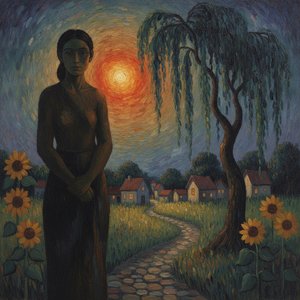
Beyond the Light: Discovering the Soul and Emotional Depth of Post-Impressionism
Embark on a cultural journey through Post-Impressionism. Discover the profound emotional depth of masters like Van Gogh and Cézanne, exploring how they moved beyond light to capture the very soul of human experience through vibrant color and symbolic form.

